Are you wondering when your toddler is ready for their own bed? It’s a big step for both you and your little one, filled with excitement and a few challenges.
Knowing the right age to make this move can help you create a smooth transition that feels safe and comfortable. You’ll discover key signs to watch for and practical tips to help your toddler embrace their new sleeping space with ease.
Keep reading to find out how to make this important change a positive experience for your whole family.
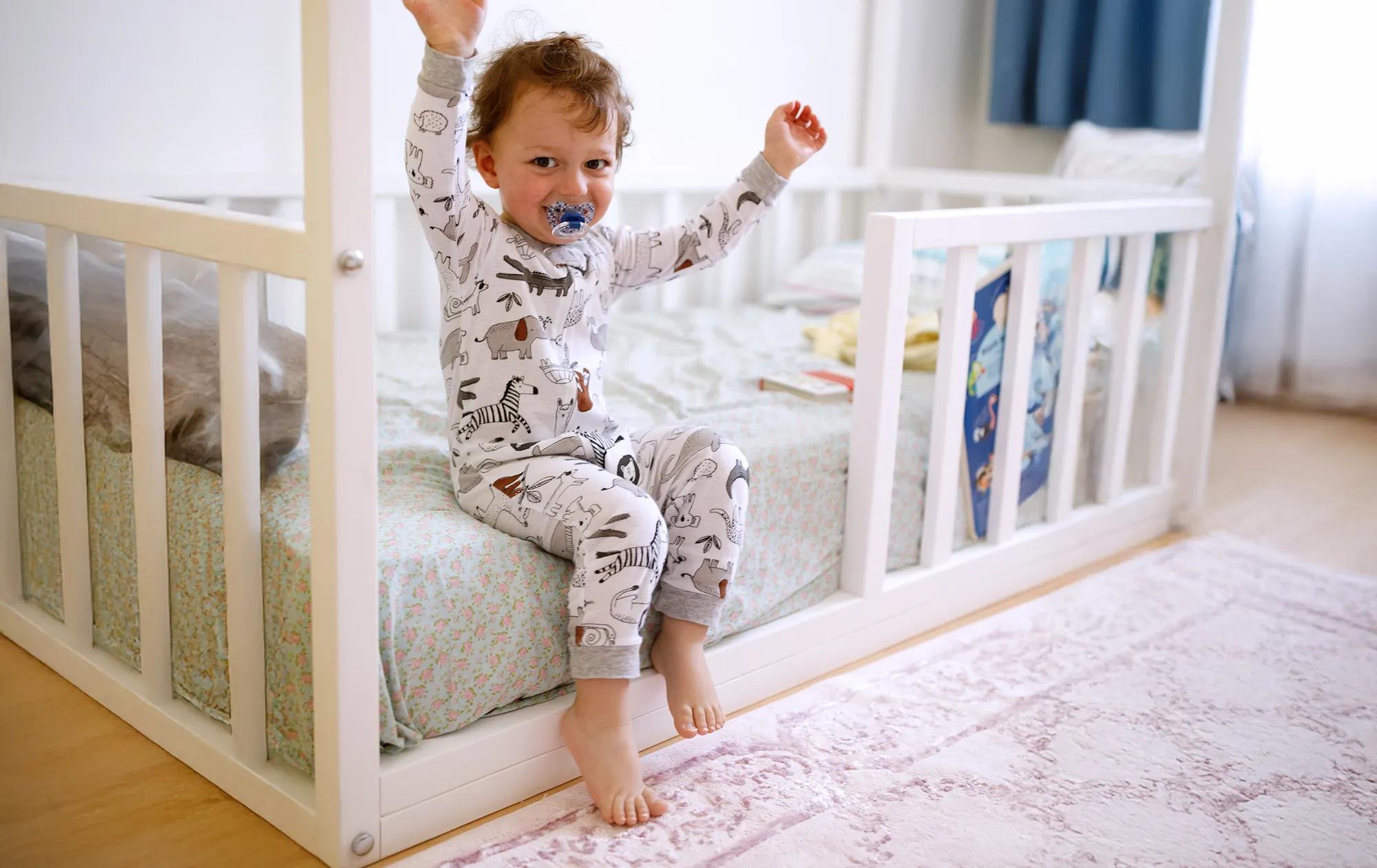
Credit: health.clevelandclinic.org
When Toddlers Typically Switch Beds
Toddlers switching to their own bed is a big step for families. It marks growing independence and new bedtime routines. This change often happens during early childhood, but the timing varies. Parents watch for signs that their child is ready to move from a crib to a bed.
Understanding when toddlers typically switch beds helps parents prepare and support their child. It makes the transition smoother and more comfortable for everyone involved.
Common Age Range
Most toddlers switch to their own bed between 18 months and 3 years old. Some make the change earlier, others later. The key is the child’s readiness, not just age. Safety concerns, like climbing out of the crib, often prompt the switch. Many parents choose a toddler bed or a small twin bed as the next step.
Signs Your Child Is Ready
Your toddler may show clear signs they are ready for a bed. Climbing out of the crib is a major indicator. Your child might also express interest in sleeping in a “big kid” bed. Nighttime fears or discomfort in the crib can be signs too. Being able to follow simple instructions helps with the transition. Look for curiosity about the new bed and excitement to use it.

Credit: www.whattoexpect.com
Choosing The Right Bed
Choosing the right bed for your toddler is an important step. It affects their comfort and safety during sleep. The bed should fit their size and growth needs. It should also make the room feel cozy and inviting. Parents want a bed that lasts for years and grows with the child. This helps avoid frequent changes and extra costs. Understanding the types of toddler beds and safety rules helps find the perfect fit.
Types Of Toddler Beds
Toddler beds come in various styles. The most common is the low-to-the-ground bed. It is easy for toddlers to get in and out by themselves. Some beds have side rails to stop falls at night. Convertible beds change from crib to toddler bed and later to a small bed. This type saves money over time. Other options include themed beds with fun designs. These can make bedtime more exciting for your child.
Safety Considerations
Safety is the top priority when choosing a toddler bed. Make sure the bed is sturdy and well-built. Check for sharp edges or loose parts. The mattress should fit snugly to avoid gaps where the child can get stuck. Side rails are helpful but not too high to trap the child. Avoid beds with small parts that can be swallowed. Also, place the bed away from windows and cords. A safe bed helps your toddler sleep soundly and parents rest easy.
Preparing Your Toddler
Preparing your toddler for their own bed is an important step. It helps your child feel safe and excited about sleeping alone. Preparation makes the change smooth and less scary. Start early to build good sleep habits.
Creating a warm and inviting sleep space shows your child that their new bed is special. This space should feel cozy and secure. It encourages your toddler to enjoy bedtime and feel comfortable.
Creating A Comfortable Sleep Space
Choose a bed that fits your toddler’s size. Add soft blankets and favorite pillows. Use calming colors in the room to create peace. Keep toys nearby for comfort and fun. Make sure the room is safe and quiet.
Involving Your Child In The Process
Let your toddler help pick their bed or bedding. Ask about favorite colors or characters for sheets. Give choices to make them feel important. Talk about bedtime routines and what to expect. This helps your child feel ready and excited.
Transition Techniques
Transitioning a toddler to their own bed can be a big step. It needs care and patience. Using gentle transition techniques helps make this change easier. Toddlers feel safe and more relaxed. Parents can avoid stress and tears.
Gradual Introduction
Start by letting your toddler explore the new bed during the day. Let them play or read books there. This helps the bed feel familiar. Next, try naps in the new bed. Stay close until they fall asleep. Slowly increase the time your toddler spends in the bed. Avoid rushing the move to the big bed. Small steps build confidence and comfort.
Bedtime Routine Adjustments
Keep a consistent bedtime routine to help your toddler adjust. Include calming activities like a warm bath or quiet storytime. Use the same soothing words and songs every night. Place the new bed in a familiar spot if possible. Make sure the room feels cozy and safe. A steady routine signals it is time to sleep. This makes the new bed less scary for toddlers.
Handling Challenges
Moving a toddler to their own bed can bring many challenges. Parents often face new struggles that test patience and consistency. Handling these challenges well helps toddlers feel safe and confident in their new space. The key is to stay calm and understanding.
Addressing fears and resistance early makes the transition smoother. Toddlers need reassurance and gentle support to adapt. Let’s explore how to handle common issues during this important step.
Dealing With Nighttime Fears
Toddlers may feel scared sleeping alone. Shadows and quiet sounds can seem scary at night. A nightlight can offer comfort without disturbing sleep. Soft toys or a favorite blanket can also bring security.
Talk to your child about their fears calmly. Listen carefully and show you understand. Avoid forcing them to sleep alone right away. Slowly help them build trust in their new bed.
Managing Resistance And Setbacks
Some toddlers refuse to stay in their bed. They might cry or try to return to the parents’ room. Stay patient and consistent with rules. Gently guide them back to their bed each time.
Set a clear bedtime routine to create structure. Praise small successes to encourage good habits. Remember, setbacks are normal and part of learning. Keep calm and keep trying. Your child will adjust in time.
Expert Tips For Parents
Helping your toddler move to their own bed can feel challenging. Many parents wonder how to do it right. Experts share simple tips to make this change smooth and positive.
These tips focus on building trust and making your child feel safe. They also help your toddler learn independence while still feeling loved.
Consistency And Patience
Keep a regular bedtime routine every night. This helps your toddler understand what to expect. Bedtime should happen at the same time daily.
Be patient with your child’s reactions. Some may resist the change at first. Stay calm and gentle, even if your toddler gets upset.
Consistent rules and quiet reassurances build your child’s confidence. Over time, your toddler will feel more comfortable sleeping alone.
Encouraging Independence
Involve your toddler in choosing their bed or bedding. This creates excitement about the new space. Let them pick a favorite blanket or pillow.
Give your toddler small tasks like putting away toys before bed. This builds responsibility and pride. Celebrate their efforts with praise.
Encourage your child to stay in bed by using gentle reminders. Avoid rushing to comfort immediately. This helps them learn to fall asleep alone.

Credit: www.kidkraft.com
Frequently Asked Questions
At What Age Should Toddlers Get Their Own Bed?
Toddlers typically transition to their own bed between 18 months and 3 years. This varies based on their development and readiness. Signs include climbing out of the crib or showing independence. A safe, comfortable bed encourages better sleep habits for toddlers.
How To Know If Toddler Is Ready For Own Bed?
Look for cues like climbing out of the crib or expressing interest in a bigger bed. Also, consider their ability to follow bedtime routines and stay safe alone. Readiness varies, so trust your toddler’s behavior and comfort level for the move.
What Type Of Bed Is Best For Toddlers?
A toddler bed with safety rails is ideal. It’s low to the ground and sized for small children. Convertible beds that grow with your child can be cost-effective. Prioritize safety, comfort, and ease of transition from crib to bed.
Can Toddlers Sleep Alone In Their Own Bed Safely?
Yes, toddlers can sleep alone safely with proper childproofing. Ensure the room is free of hazards and the bed has rails. Establish a consistent bedtime routine to help your toddler feel secure and comfortable sleeping independently.
Conclusion
Toddlers usually move to their own bed between ages two and three. Every child is different, so watch for signs of readiness. Safety and comfort matter most during this change. A cozy bed helps your toddler feel secure and sleep well.
Take time to make the transition smooth and stress-free. Patience and support make this step easier for both of you. Soon, your toddler will enjoy their new, special sleeping space.