Are you wondering when the right time is to move your little one from a crib to a toddler bed? It’s a big step for both you and your baby, filled with excitement and a bit of uncertainty.
Knowing the best age to make this change can help you ensure your child feels safe and comfortable, while also making bedtime easier for everyone. Keep reading to discover the signs to look for and expert tips that will make this transition smooth and stress-free for your family.
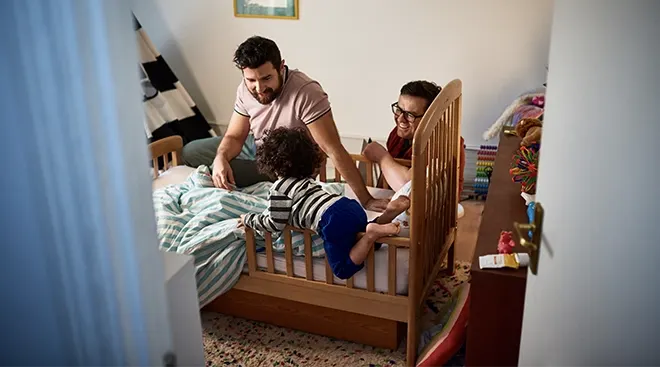
Credit: www.thebump.com
Signs Baby Is Ready For Toddler Bed
Knowing when to move your baby to a toddler bed is important for a smooth transition. Babies show clear signs when they are ready. These signs help parents decide the right time to make the change. Watch for physical growth, new behaviors, and changes in sleep habits.
Physical Milestones
One key sign is your baby’s ability to climb out of the crib. This can be dangerous and a strong hint to switch beds. Also, toddlers who grow taller may find cribs too small or uncomfortable. Stronger muscles help them get in and out of bed safely. These physical changes show readiness for a toddler bed.
Behavioral Changes
Babies ready for toddler beds often show more independence. They may ask to sleep in a big bed or show interest in the new bed. Some toddlers start resisting naps or bedtime in their crib. They might try to climb out or cry more. These behaviors suggest they want more freedom and comfort.
Sleep Patterns
Changes in sleep can signal readiness. A toddler who wakes often or has trouble staying in the crib might be ready. Some children sleep better in a bigger bed where they can move freely. Longer naps and consistent night sleep also show readiness. These sleep patterns help parents know it’s time to switch beds.
Ideal Age Range For Transition
Choosing the right time to move your baby to a toddler bed is important. This change can affect their comfort and safety during sleep. Knowing the ideal age range helps parents prepare better for this transition. It also supports the child’s growing independence and confidence.
Typical Age Milestones
Most children move to a toddler bed between 18 months and 3 years. Around this age, toddlers start to climb out of cribs. They also begin to show interest in more freedom during sleep. Many parents notice their child’s physical growth requires a bigger bed. This stage matches well with their developing motor skills and awareness.
Variations Among Children
Each child grows at their own pace. Some may be ready before 18 months. Others may prefer the crib until they are closer to 3 years. Factors like temperament and physical ability play a role. Some toddlers feel safer in a crib longer. Parents should watch for signs like trying to climb out or asking for a “big kid” bed.
Choosing The Right Toddler Bed
Choosing the right toddler bed is important for your child’s safety and comfort. A good bed helps your toddler sleep well and feel secure. It should match your child’s size and needs. Picking the right bed also makes the transition from crib to bed easier. Understanding different bed types and safety features helps you make the best choice.
Safety Features To Look For
Choose a bed with sturdy guardrails to prevent falls. The bed should be low to the ground for easy access. Check for non-toxic paint and smooth edges to avoid injuries. Make sure the bed frame is strong and stable. Avoid beds with small parts that can come loose. Safety certifications are a good sign of quality. These features keep your toddler safe during sleep.
Types Of Toddler Beds
Toddler beds come in various styles and sizes. Some beds are simple frames with guardrails. Others convert from cribs to toddler beds, saving money. There are also themed beds that match your child’s interests. Choose a bed that fits your room space. Consider your child’s personality and preferences. A bed your toddler likes encourages better sleep habits.
Mattress And Bedding Tips
Pick a mattress that fits the toddler bed frame well. It should be firm but comfortable for growing bodies. Use fitted sheets made of soft, breathable fabric. Avoid heavy blankets and pillows to reduce choking risks. Keep bedding simple and easy to wash. Regularly check the mattress for wear and tear. Proper bedding ensures a safe and cozy sleep space.

Credit: casakids.com
Making The Transition Smooth
Moving your child to a toddler bed is a big step. It changes their sleep space and daily habits. A smooth change helps your child feel safe and happy. It lowers stress for both child and parent. Planning and patience are key to success.
Start by preparing your child. Help them understand what will happen. Let them explore the new bed. Talk about the fun parts of having a big kid bed.
Preparing Your Child
Show the toddler bed a few days before use. Let your child play or sit on it. Explain that this bed is for them now. Use simple words and a calm tone. Read books about moving to a big bed. This builds excitement and comfort.
Establishing A Bedtime Routine
Keep bedtime steps the same as before. Start with a warm bath or story. Dim the lights to signal sleep time. Use the same lullaby or gentle music. Consistency helps your child feel safe and relaxed. A steady routine makes falling asleep easier.
Dealing With Nighttime Fears
Night fears are common during this change. Listen carefully if your child shares worries. Use a night light to ease the dark. Offer a favorite toy or blanket for comfort. Reassure them with kind words and hugs. Patience helps your child feel brave at night.
Common Challenges And Solutions
Moving your baby to a toddler bed can bring new challenges. Parents often face issues that need patience and smart solutions. Understanding common problems helps ease this big change. Here are some typical challenges and how to handle them.
Resistance To Change
Many toddlers feel scared or unsure about leaving their crib. They may refuse to sleep in the new bed. This is normal and shows they need time to adjust.
Try making the new bed cozy with favorite blankets or toys. Stay calm and patient. Offer praise when your toddler uses the bed. Keep a consistent bedtime routine to build comfort.
Frequent Night Wakings
Toddlers may wake up more often after switching beds. They feel less secure without crib rails. Night wakings can disrupt sleep for both child and parents.
Use a night light to help your toddler feel safe. Check for any discomfort like hunger or a wet diaper. Respond calmly but briefly to encourage returning to sleep. Avoid letting your child leave the bed repeatedly.
Safety Concerns
Toddler beds are lower but still pose some risks. Kids can roll out or climb on furniture nearby. Parents worry about injuries during this transition.
Choose a bed with guardrails on all sides. Remove sharp or heavy objects near the bed. Use a soft rug beside the bed for gentle landings. Teach your child safe bedtime habits early on.
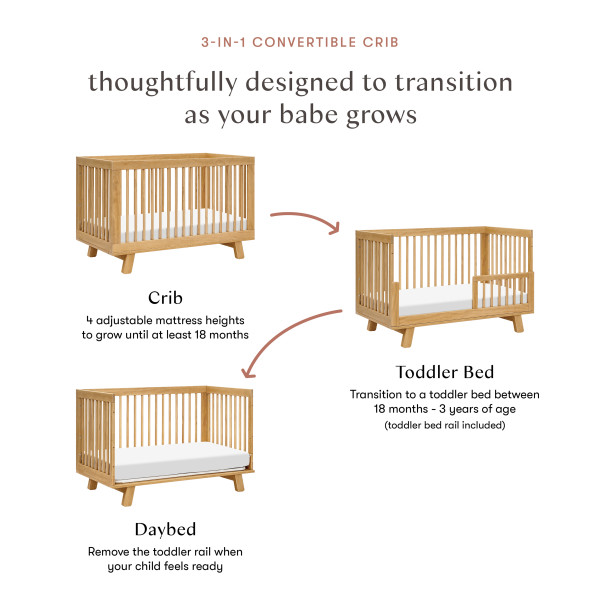
Credit: babyletto.com
When To Consult A Pediatrician
Moving your baby to a toddler bed is a big step. It can bring many changes. Sometimes, these changes may cause questions or worries. Talking to a pediatrician can help. They guide you through any concerns. Knowing when to consult one is important for your child’s health and safety.
Sleep Issues Beyond Transition
Some children have trouble sleeping after switching beds. Night wakings, nightmares, or refusal to sleep can happen. If sleep problems last more than two weeks, ask a doctor. Persistent sleep issues might signal other problems. A pediatrician can check for sleep disorders or anxiety. Early help can improve your child’s rest and mood.
Developmental Concerns
Watch your child’s growth and skills closely. Delays in walking, talking, or social skills need attention. Sometimes, sleep changes relate to developmental issues. Pediatricians assess your child’s progress during visits. They offer advice or suggest therapies if needed. Acting early helps your child thrive in all areas.
Frequently Asked Questions
At What Age Is A Toddler Bed Recommended?
A toddler bed is usually recommended between 18 months and 3 years. This depends on your child’s readiness and size. Transitioning early can improve comfort and safety during sleep.
How To Know When Baby Is Ready For Toddler Bed?
Look for signs like climbing out of the crib or showing interest in a bigger bed. Safety and comfort are key indicators for the right time to transition.
What Are The Safety Concerns With Toddler Beds?
Ensure the bed has guardrails to prevent falls. Also, place the bed away from windows and cords. Choose a sturdy, low-to-the-floor bed for added safety.
Can Toddler Beds Help With Better Sleep?
Yes, toddler beds offer more space, which can improve comfort. A familiar bedtime routine and a cozy bed encourage better sleep habits.
Conclusion
Most toddlers start using a toddler bed between 18 months and 3 years. Watch your child’s growth and readiness signs. Safety matters more than age alone. Make sure the bed suits your child’s size and comfort. Transition gently to help your child feel secure.
Every child is different; trust your instincts. A smooth move helps your toddler sleep well. Keep routines simple and consistent for better adjustment. The right time depends on your child’s needs. A happy, safe sleep space matters most.