When your toddler falls off the bed, your heart races and panic sets in. You want to act fast but also stay calm.
Knowing exactly what to do in those first moments can make all the difference for your child’s safety and your peace of mind. You’ll discover simple, clear steps to handle the situation confidently. Keep reading to learn how to respond quickly, spot serious signs, and prevent future falls—because your child’s well-being comes first.
Immediate Steps After A Fall
When a toddler falls off the bed, quick action is important. The first moments after the fall help ensure your child stays safe and calm. Follow clear steps to check your toddler’s condition and respond properly.
Check For Serious Injuries
Look closely for any bleeding, swelling, or bruises. See if your toddler is crying loudly or acting differently. Watch for signs like difficulty breathing or unconsciousness. If you notice any serious injury, call emergency services immediately.
Calm Your Toddler
Speak softly to your child and hold them gently. Comfort helps reduce fear and panic. Stay close and keep a calm voice. Your calmness helps your toddler feel safe and secure.
Assess The Fall Impact
Think about how far your toddler fell and how they landed. Check if they hit their head or twisted a limb. Notice any changes in movement or behavior. This helps decide if medical care is needed.
When To Seek Medical Help
Falling off the bed can scare both toddlers and parents. Most falls cause minor bumps or bruises. Some injuries need a doctor’s check. Knowing when to seek medical help keeps your child safe. Watch your toddler carefully after a fall. Look for signs that something might be wrong.
Signs Of A Concussion
Concussions happen from a hard hit to the head. Watch for dizziness or confusion in your toddler. Notice if they seem very sleepy or hard to wake. Vomiting more than once can signal a concussion. If your child acts very irritable or cries nonstop, get help. Trouble walking or poor balance is another warning sign.
Bleeding And Broken Bones
Check for bleeding that does not stop quickly. Deep cuts may need stitches from a doctor. Look for swelling or lumps on the head or body. If your toddler refuses to move an arm or leg, it might be broken. Bones can look bent or feel painful to touch. Seek medical care immediately for these injuries.
Persistent Crying Or Vomiting
Babies and toddlers often cry after a fall. Crying that lasts more than an hour is a concern. Vomiting repeatedly after a fall can mean a serious problem. Watch for unusual drowsiness or lack of interest in toys. These signs suggest you should see a doctor right away.
Home Care For Minor Injuries
Minor injuries after a toddler falls off the bed need calm and careful care. At home, simple steps help ease pain and prevent swelling. Quick action can make your child feel better fast. Keep a close eye on your toddler and use gentle treatments.
Applying Ice Packs
Ice packs reduce swelling and numb pain. Wrap ice in a cloth or use a cold pack. Apply it gently to the injured area for 15 minutes. Take breaks between applications to protect the skin. Do not put ice directly on the skin.
Pain Relief Options
For mild pain, use children’s pain medicine like acetaminophen or ibuprofen. Follow the dose instructions carefully. Avoid aspirin as it can cause health problems in children. Always check with your doctor before giving any medicine.
Monitoring Your Toddler
Watch your child closely after the fall. Look for changes in behavior like drowsiness, vomiting, or irritability. Check if the injury area swells or gets worse. If you notice anything unusual, contact a healthcare provider right away. Stay calm to help your toddler feel safe.

Credit: www.kidspot.com.au
Preventing Future Falls
Preventing future falls is key after a toddler falls off the bed. Taking steps to create a safer sleep space helps protect your child. Small changes can make a big difference in reducing risks. Below are simple ways to keep your toddler safe and sound at night.
Safe Bed Setup
Place the bed away from walls and furniture. Remove sharp or hard objects near the bed. Use a low bed or mattress on the floor to reduce fall impact. Keep the sleeping area clear and tidy to avoid tripping hazards. Choose soft bedding that cushions any accidental falls.
Using Bed Rails
Bed rails act as barriers to stop toddlers from rolling off. Pick rails that fit your bed securely and are easy to install. Look for rails with smooth edges and no gaps. Check the rails regularly to ensure they stay in place. Remove rails only when your child can safely sleep without them.
Supervision Tips
Stay close during nap times and bedtime routines. Use a baby monitor to keep an eye on your toddler from another room. Teach your child to stay in bed and explain why falling is dangerous. Keep doors to other rooms closed to limit wandering. Respond quickly if your toddler tries to climb out of bed.
Toddler Sleep Safety Habits
Creating safe sleep habits helps reduce the risk of falls and injuries for toddlers. Parents can take simple steps to protect their little ones during bedtime. Good habits make sleep safer and more peaceful.
Establishing A Routine
Set a consistent bedtime and wake-up time every day. Routines help toddlers feel secure and calm. A calm child is less likely to move around and fall. Include quiet activities like reading before sleep. Avoid screens and active play right before bed.
Choosing The Right Bed
Select a bed suitable for your toddler’s age and size. Toddler beds with low frames reduce fall risk. Use guardrails on both sides for extra protection. Avoid beds that are too high or unstable. Make sure the mattress fits the bed frame well.
Creating A Safe Sleep Environment
Keep the area around the bed clear of toys and clutter. Remove hard or sharp objects near the bed. Use soft flooring like rugs or carpets next to the bed. Check that the room is not too hot or cold. Nightlights can help toddlers find their way safely.
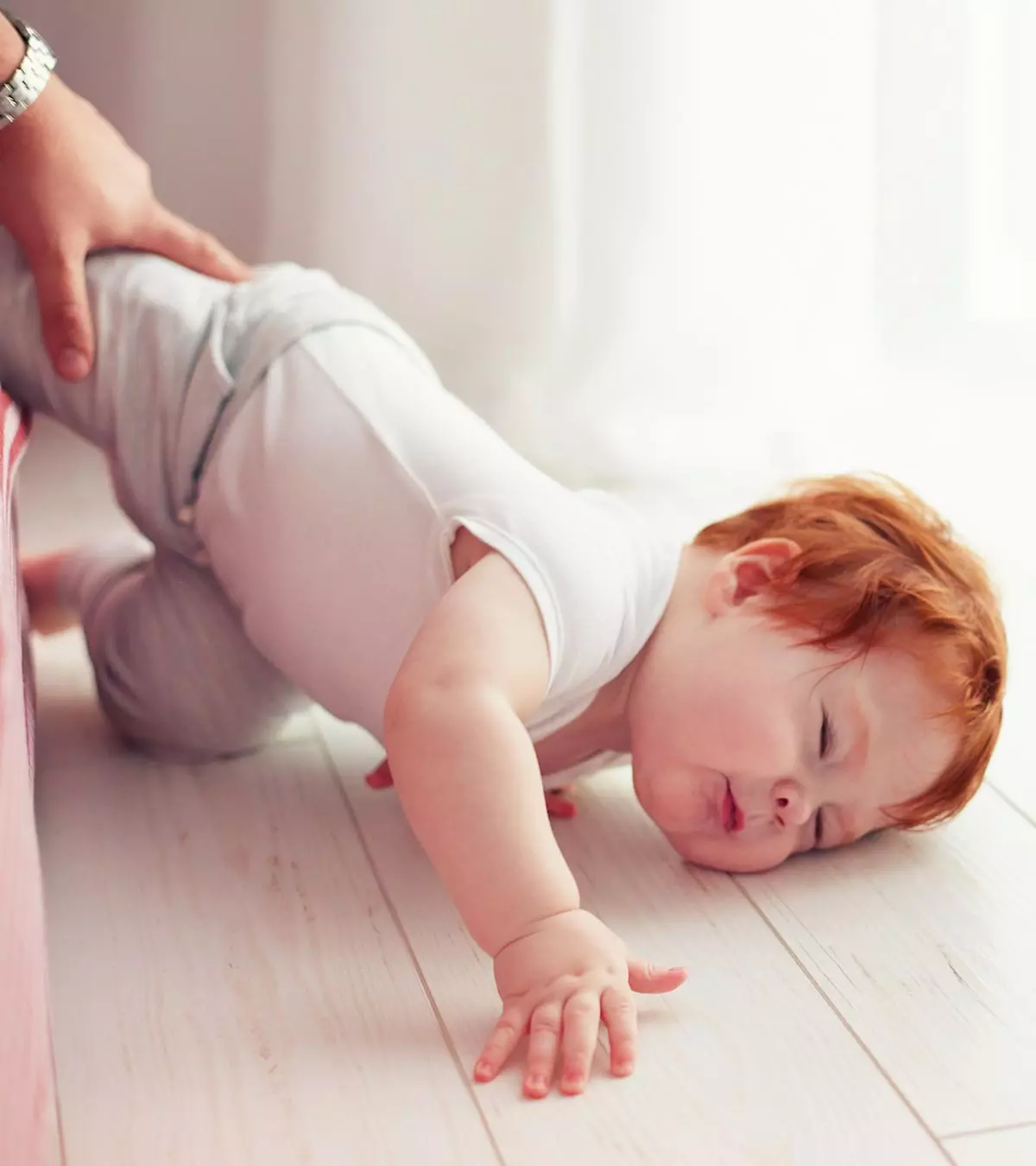
Credit: www.momjunction.com
Credit: anytoyz.com
Frequently Asked Questions
What Immediate Steps Should I Take If A Toddler Falls?
Check your toddler for injuries right away. Stay calm and comfort them. Look for cuts, bruises, or swelling. If they seem unconscious or unresponsive, call emergency services immediately.
How Can I Tell If My Toddler Has A Concussion?
Watch for vomiting, dizziness, confusion, or excessive sleepiness. If your toddler shows any of these signs, seek medical help immediately. Concussions require prompt evaluation by a healthcare professional.
When Should I See A Doctor After A Toddler’s Fall?
Visit a doctor if your toddler shows persistent crying, vomiting, or unusual behavior. Also, seek medical advice if they hit their head or have difficulty walking or talking.
How Can I Prevent My Toddler From Falling Off The Bed?
Use bed rails or place the mattress on the floor. Teach your toddler to stay in bed. Avoid placing the bed near furniture they can climb on.
Conclusion
Toddler falls from bed can be scary but stay calm. Check your child carefully for any signs of injury. Comfort and soothe them to ease their fear. Keep an eye on their behavior for the next hours. Make the sleeping area safer to prevent future falls.
Always call a doctor if you notice swelling or unusual behavior. Quick action helps your toddler recover well. Stay alert, but don’t panic. Safety and care are the best ways to protect your little one.