Are you wondering when your toddler is ready to sleep in a regular bed instead of a crib? This is a question many parents face, and it’s not always easy to decide.
Choosing the right time can make a big difference in your child’s comfort and safety—and your peace of mind. You’ll discover clear signs to watch for and helpful tips to make this transition smooth for both you and your little one.
Keep reading to find out what age is best for your toddler to start sleeping in a bed.

Credit: bilyanagolf.ru
Ideal Age For Toddler Bed Transition
Transitioning your toddler from a crib to a bed is a big step. It marks growing independence and new bedtime routines. Choosing the right time is important for comfort and safety. Every child is different, but some signs and age ranges can guide you.
Signs Your Toddler Is Ready
Your toddler may show clear signs when ready for a bed. Climbing out of the crib often means it is time. Showing interest in a “big kid” bed also helps. If your child resists naps or bedtime in the crib, consider the switch. Talking about sleeping in a bed or choosing sheets can be a clue too.
Common Age Ranges
Most toddlers move to a bed between 18 months and 3 years. Some kids stay in a crib until age 4. The average age is around 2 to 2.5 years. Safety and your child’s personality matter most. Early movers may need extra bedtime comfort. Later movers might take time to adjust but feel secure longer.
Choosing The Right Bed
Choosing the right bed for a toddler is a key step in their growth and sleep habits. Toddlers need a bed that feels safe and cozy. The bed should fit their size and help them feel secure. Picking the correct bed supports better sleep and eases the transition from crib to bed.
Parents want a bed that suits their child’s needs and room space. Comfort and safety come first. Understanding different types of toddler beds and safety features helps make a smart choice.
Types Of Toddler Beds
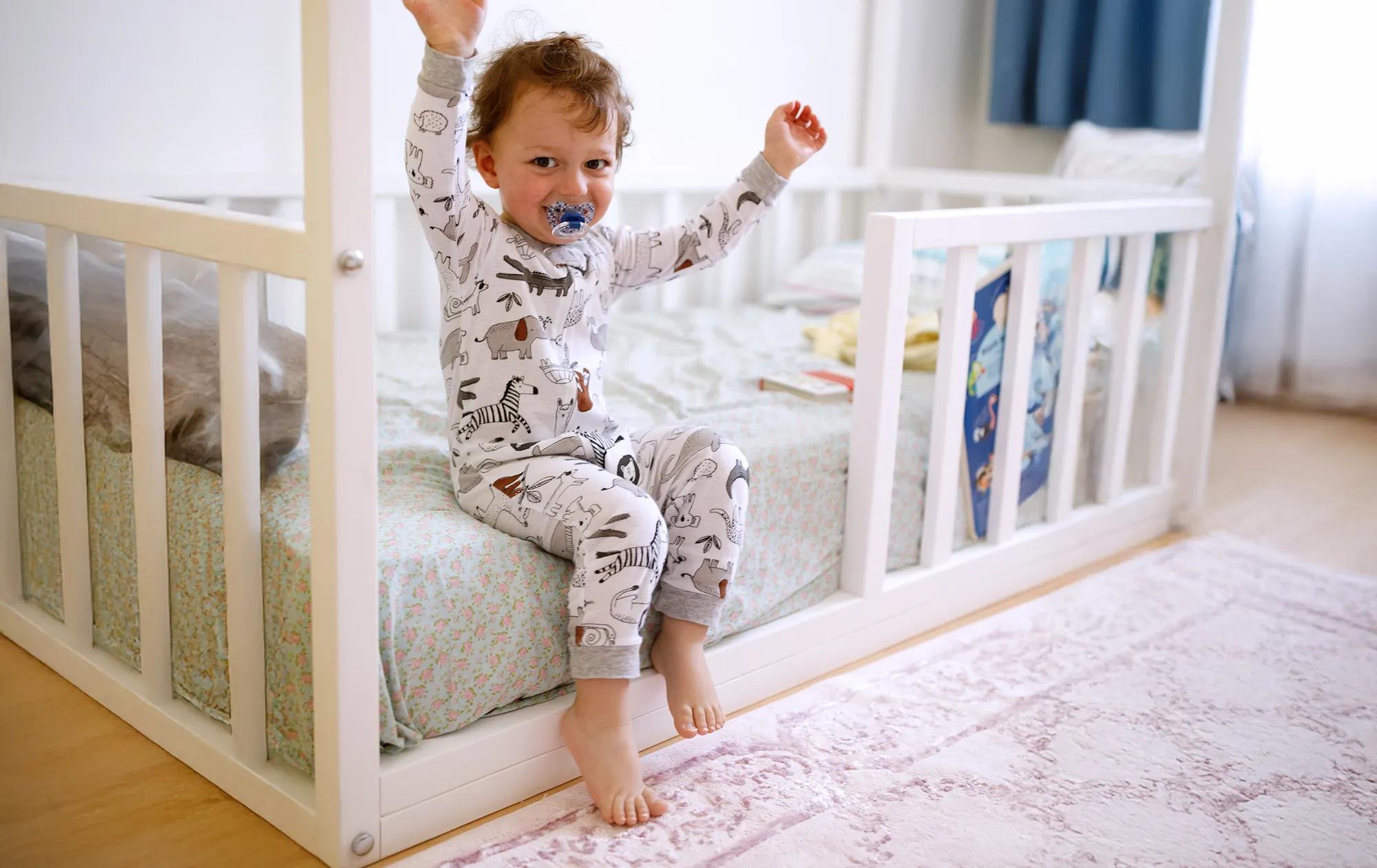
Toddler beds come in many styles. The most common is a small bed with low rails. It helps keep toddlers from falling out. Some beds convert from cribs, saving money and space. Others look like mini versions of adult beds, which some toddlers like.
Floor beds are also an option. They sit very low or on the floor. Toddlers can get in and out easily. This type encourages independence but needs a safe room area.
Safety Features To Consider
Safety is the top concern. Choose beds with sturdy frames that do not wobble. Check that rails are smooth and not too high. This stops toddlers from climbing over and falling.
Look for non-toxic paint and finishes. Avoid beds with sharp edges or small parts. The mattress should fit snugly to avoid gaps. A good bed reduces risks and helps toddlers sleep peacefully.
Creating A Sleep-friendly Environment
Creating a sleep-friendly environment helps toddlers feel safe and calm. A quiet, cozy room sets the stage for better sleep. Toddlers sleep better in a place that feels just right for them. This section shares easy tips to make your child’s room perfect for bedtime.
Room Setup Tips
Keep the room cool and dark. Use blackout curtains to block light. Soft lighting works well before bedtime. Remove loud toys and distractions. Make sure the bed is the right size and firm. Place a nightlight nearby for comfort. Keep the room tidy to reduce stress. A calm room invites restful sleep.
Comfort And Security Objects
Soft blankets or a favorite stuffed animal help toddlers feel safe. Let your child pick one special item for bedtime. These objects offer comfort and reduce anxiety. Avoid too many toys in the bed to keep space clear. Familiar smells or textures can soothe your toddler. These small things create a sense of security.
Credit: health.clevelandclinic.org
Establishing A Bedtime Routine
Establishing a bedtime routine helps toddlers feel safe and ready for sleep. A clear routine signals the brain that it is time to rest. It also reduces fussiness and bedtime struggles. Consistency is key to making bedtime easier for both toddlers and parents.
Consistent Sleep Schedule
Set a regular bedtime and wake-up time every day. Consistency helps regulate your toddler’s internal clock. It makes falling asleep and waking up easier. Avoid large differences in sleep times, even on weekends. A steady schedule supports healthy sleep habits and overall mood.
Soothing Activities Before Bed
Include calm activities like reading or gentle songs before sleep. These activities help your toddler relax and wind down. Avoid screen time and active play at least 30 minutes before bed. Soft lighting and quiet voices create a peaceful environment. A soothing routine makes bedtime a positive experience.
Handling Sleep Challenges
Handling sleep challenges is part of helping toddlers sleep in their own bed. Toddlers often face issues like waking up at night or saying no to bedtime. Parents need patience and clear steps to make bedtime easier.
Understanding the reasons behind these challenges helps parents respond better. Creating a calm and safe sleep space supports toddlers in feeling secure. Consistent routines can reduce many common sleep problems.
Night Wakings And Fears
Toddlers may wake up scared or confused during the night. Nighttime fears like monsters or darkness often cause these wakings. Comfort and reassurance help toddlers feel safe again.
Keep a night light on or use a favorite stuffed toy. Avoid turning on bright lights or loud noises. Stay calm and speak softly to soothe the child back to sleep.
Dealing With Resistance
Toddlers can resist going to bed or staying in bed. They may want attention or feel afraid of missing out. Firm but gentle rules help reduce this resistance.
Set a clear bedtime and stick to it every night. Use simple choices like picking pajamas or a bedtime story. Praise the child for staying in bed to encourage good habits.
Parental Role In Toddler Sleep
Parents play a big role in helping toddlers sleep well in their own beds. The way parents act and guide their child shapes the child’s sleep habits. Consistency and patience are key for smooth bedtime routines. Toddlers need clear signals about sleep time and comfort from their parents.
Parents who stay calm and supportive help toddlers feel safe. This support makes it easier for toddlers to stay in bed through the night. Parents set the tone for bedtime by how they respond to a toddler’s fears or restlessness.
Positive Reinforcement
Praise helps toddlers feel proud of sleeping in their own bed. Simple words like “Good job” or “You did great” boost their confidence. Rewards such as stickers or a favorite story can encourage good sleep habits.
Positive reinforcement turns bedtime into a happy time. It helps toddlers want to stay in bed without fuss. Parents should notice and reward small successes to build strong habits.
Setting Boundaries
Clear rules help toddlers understand what is expected at bedtime. Parents should explain when it is time to sleep and what happens next. Consistent limits reduce confusion and bedtime struggles.
Parents must gently but firmly keep these boundaries. For example, they can say “It’s time to stay in bed now.” Staying calm and steady helps toddlers feel safe and know the rules.
When To Seek Professional Advice
Knowing when to seek professional advice about toddler sleep is important for parents. Sleep troubles can affect a child’s health and mood. Some sleep issues need expert help. Understanding signs that require a doctor’s input can make a big difference.
Sleep Disorders In Toddlers
Sleep disorders can show up as trouble falling asleep or waking often at night. Some toddlers may snore loudly or stop breathing briefly while sleeping. These signs suggest problems like sleep apnea or restless leg syndrome. Night terrors and frequent nightmares also need attention. If sleep problems last more than a few weeks, it is time to seek help.
Consulting Pediatricians
Pediatricians have the knowledge to check for sleep problems in toddlers. They can suggest tests or treatments if needed. Parents should share detailed sleep patterns and behaviors with doctors. Early advice can prevent bigger health issues later. Trust the doctor’s guidance on sleep schedules and safe sleeping habits.

Credit: www.goodto.com
Frequently Asked Questions
At What Age Should Toddlers Start Sleeping In A Bed?
Toddlers can start sleeping in a bed around 18 to 24 months. This transition depends on their physical readiness and safety. Many parents wait until the child can climb in and out safely to prevent falls. Always ensure the bed is toddler-proofed.
How To Know If Toddler Is Ready For A Bed?
Signs include climbing out of the crib, showing interest in a bed, and having stable walking skills. If your toddler resists the crib or expresses a desire for more space, it’s a good indicator they’re ready for a bed transition.
What Are Safety Tips For Toddler Bed Sleeping?
Use bed rails to prevent falls, keep the bed low to the ground, and remove choking hazards. Ensure the room is childproofed, with no sharp edges or loose cords. These precautions help create a safe sleeping environment for toddlers.
Should Toddlers Nap In Their Bed Or Crib?
Toddlers can nap in their bed once they transition from the crib. Consistency helps, so using the same sleep space for naps and nighttime encourages good sleep habits. Ensure the bed is comfortable and familiar to ease the transition.
Conclusion
Choosing the right age for a toddler to sleep in a bed is important. Every child grows at their own pace. Watch for signs that your toddler is ready. Safety and comfort should guide your decision. A smooth transition helps your child feel secure.
Keep routines steady to make bedtime easier. Remember, patience and care make all the difference. Your toddler’s sleep habits will improve over time. Trust your instincts and enjoy these moments.