Choosing the right bed for your toddler is more important than you might think. It’s not just about comfort—it’s about safety, growth, and helping your little one feel secure as they move from a crib to a bigger bed.
You want a bed that fits your child’s needs, your space, and your peace of mind. But with so many options out there, how do you know which type of bed is best for your toddler? Keep reading, and you’ll discover the key factors that make one bed stand out from the rest—so you can make the best choice for your family.
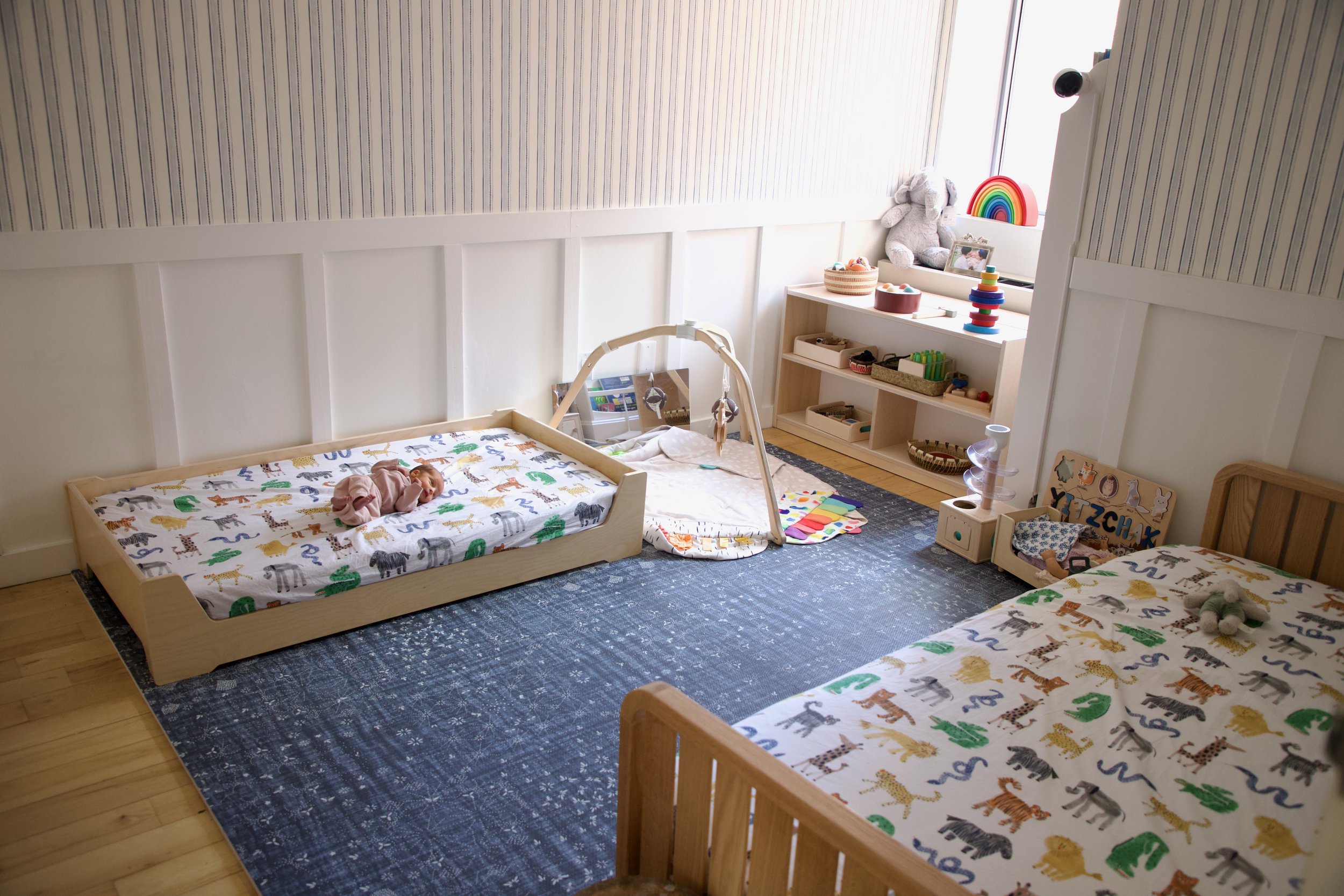
Credit: www.homeandontheway.com
Choosing Toddler Beds
Picking the right bed for a toddler is important. It helps your child feel safe and comfortable. This step makes bedtime easier for both of you.
Many parents wonder what bed suits toddlers best. Toddlers need a bed that fits their size and needs. Safety and ease of use are key factors here.
Crib To Toddler Bed Transition
Moving from a crib to a toddler bed is a big change. Toddlers want to feel more grown-up but still need protection. Toddler beds often have guardrails to stop falls.
Watch for signs your child is ready. Climbing out of the crib or asking for a “big kid” bed are common clues. This transition usually happens between 18 months and 3 years old.
Types Of Toddler Beds
Toddler beds come in many styles. Some look like small beds with side rails. Others convert from cribs, saving money and space. There are also portable and foldable beds for travel.
Choose a bed that fits your room and your child’s personality. Soft colors and fun themes can make bedtime more inviting. Comfort and safety must always come first.
Size And Dimensions
Toddler beds are smaller than regular beds. They usually fit a standard crib mattress, about 28 by 52 inches. This size keeps the bed cozy and easy to manage.
Make sure the bed fits well in your child’s room. Leave space to move around safely. The bed height should be low to prevent injury from falls.
:max_bytes(150000):strip_icc()/tal-regalo-inflatable-toddler-travel-bed-esmee-williams-12-1-7880a0ca77a6468aaee4d8dbdc847a75.jpeg)
Credit: www.travelandleisure.com
Safety Features To Consider
Choosing a toddler bed involves more than just style. Safety is the top priority for parents. Toddlers need beds that protect them from falls and harmful materials. The right safety features provide peace of mind and a good night’s sleep for both child and parent.
Understanding key safety aspects helps make the best choice. Focus on guardrails, bed height, materials, and the bed’s strength. These features keep toddlers safe and comfortable.
Guardrails And Bed Height
Guardrails prevent toddlers from rolling out of bed. They act as a barrier on both sides. Choose beds with sturdy, well-attached rails. Avoid rails with large gaps that can trap fingers or heads.
The bed’s height matters too. A lower bed reduces injury risk from falls. Look for beds close to the floor. This makes it easier for toddlers to get in and out safely.
Non-toxic Materials
Toddlers often touch and chew their beds. Use beds made with non-toxic paints and finishes. These materials do not release harmful chemicals.
Natural wood beds are often safer than those with plastic parts. Check for certifications that prove the bed is free from harmful substances.
Stability And Durability
A stable bed does not wobble or shake. It holds up well to active toddlers. Look for beds with solid frames and strong joints.
Durability means the bed will last through toddler years. Avoid beds that feel flimsy or have loose parts. A sturdy bed provides safety and comfort every night.
Materials And Comfort
Choosing the right materials and comfort features in a toddler bed is very important. Toddlers need a safe and cozy place to sleep. The materials used in the bed frame and mattress affect both comfort and safety. Soft, breathable fabrics help keep your child comfortable all night. A good mattress supports growing bodies and encourages healthy sleep habits.
Wood Vs. Plastic Frames
Wood frames offer strong support and last a long time. They feel sturdy and safe for toddlers. Plastic frames are lighter and easier to move. They can be colorful and fun but may not be as durable. Wood is usually better for stability. Plastic can be easier to clean but may wear out faster.
Mattress Options
A firm mattress is best for toddlers. It helps their spine grow straight and strong. Soft mattresses might cause discomfort or bad posture. Look for mattresses made from non-toxic materials. Foam mattresses can be comfy but choose ones with good support. Innerspring mattresses offer firm support but might be heavier.
Breathable Fabrics
Fabrics that allow air to flow keep toddlers cool and dry. Cotton is soft and breathable, perfect for bedding. Avoid synthetic fabrics that trap heat and moisture. Breathable sheets reduce the chance of skin irritation. Choose fabrics easy to wash and gentle on the skin. This keeps your toddler comfortable all night long.
Space And Room Layout
Choosing the right bed for a toddler depends a lot on space and room layout. Toddlers need safe and comfortable beds. At the same time, their rooms should stay open and easy to move around. Parents want to fit toys, clothes, and play areas too. The bed should not take up too much room. It should fit well with the room’s size and shape. This makes the room feel cozy and organized.
Compact Beds For Small Rooms
Small rooms need beds that save space. Compact beds are smaller in size. They fit well in tight corners or against walls. These beds leave more floor space for play and other furniture. Many compact beds have simple designs. This helps keep the room neat and less crowded. They work best for rooms that do not have much free space.
Multi-functional Beds
Beds that do more than just sleep are very useful. Multi-functional beds can have desks, shelves, or drawers built in. Some even turn into sofas or play areas during the day. This type of bed helps use the room in many ways. It lets parents add storage or study areas without extra furniture. Multi-functional beds keep the room tidy and make life easier.
Storage Solutions
Storage is important in a toddler’s room. Beds with storage help keep toys and clothes organized. Drawers under the bed or shelves attached to the frame save space. These beds reduce clutter and make cleaning quick. Storage beds make sure everything has a place. They help keep the room safe and ready for play.
Budget And Longevity
Choosing a bed for a toddler involves thinking about cost and how long it will last. Parents want a bed that fits their budget but also stays useful as the child grows. A good bed should be safe, comfortable, and durable. It should also offer value over time to avoid frequent replacements.
Affordable Choices
Many beds suit tight budgets without sacrificing quality. Simple toddler beds often cost less than full-size beds. Plastic and MDF models tend to be cheaper but still safe for young kids. Some wooden toddler beds offer great quality at a fair price. Shopping sales or secondhand options can help save money.
Beds That Grow With Your Child
Convertible beds provide extra value by adapting as your child grows. They can change from a toddler bed to a twin or full-size bed. This flexibility means you buy once and use for years. These beds often include removable side rails for safety. Choosing a bed that grows helps avoid extra purchases.
Resale And Durability
Durable beds often have better resale value. Solid wood frames last longer than particleboard or plastic. A well-made bed keeps its shape and safety features over time. Parents can recoup some cost by selling a quality bed later. Checking reviews helps find beds with good durability.
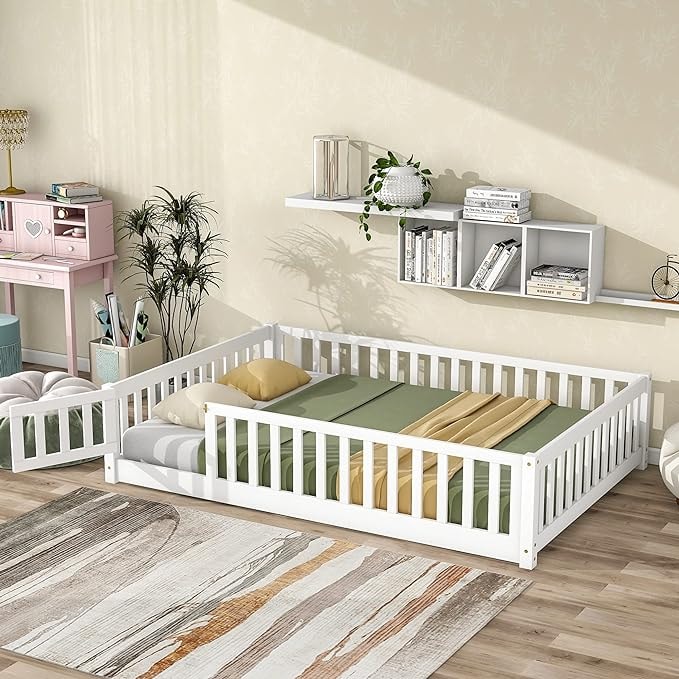
Credit: poppyseedplay.com
Popular Toddler Bed Styles
Choosing the right bed for a toddler means picking a style that suits their needs and personality. Toddlers need beds that feel safe and fun. Several popular styles fit these needs well. Each style has unique features that make bedtime easier and more enjoyable. This guide explores some favorite toddler bed styles.
Themed Beds
Themed beds make sleep exciting for toddlers. They come in shapes like cars, castles, or animals. These beds turn the bedroom into a fun space. Kids feel happy and comfortable. Themed beds encourage imagination and play. They often have bright colors and cool designs. This style helps toddlers look forward to bedtime.
Convertible Beds
Convertible beds grow with your child. They change from toddler beds to bigger beds. This saves money and space. Many convert to twin or full-size beds. Parents like their long-lasting use. These beds often include guardrails for safety. Easy to change as your child grows. They offer good value and practicality.
Minimalist Designs
Minimalist beds focus on simplicity and function. They have clean lines and soft colors. These beds fit any room style. Minimalist beds reduce clutter and distractions. They create a calm space for sleep. Toddlers feel relaxed and secure here. Perfect for parents who prefer simple, neat rooms.
Tips For A Smooth Transition
Changing your toddler’s bed is a big step. It can bring many questions and worries. A smooth change helps your child feel safe and happy. Small actions make a big difference during this time.
Try simple ways to help your toddler adjust. This makes bedtime easier for both of you. Here are some tips to guide you.
Involving Your Toddler
Let your toddler help choose the new bed. Kids feel proud and excited when they decide. Show them pictures or visit stores. Ask what colors or styles they like. This makes the bed special for them.
Include your child in setting up the bed. Let them arrange pillows or pick blankets. These small tasks create a sense of control. They also build positive feelings about bedtime.
Making Bedtime Fun
Turn bedtime into a happy event. Use soft toys or bedtime stories to create joy. Play gentle music or sing lullabies together. These actions make the new bed a safe place.
Use a night light or favorite blanket for comfort. Keep the room cozy and calm. These little touches help your toddler relax and sleep well.
Establishing A Routine
Set a clear bedtime routine and follow it daily. Consistency helps your toddler know what to expect. Start with bath time, then pajamas, and a story. End with cuddles or quiet talk.
Stick to the same sleep and wake times. This builds good habits and better sleep. A routine reduces stress and makes the transition easier.
Frequently Asked Questions
What Size Bed Is Best For A Toddler?
A toddler bed typically measures 52 inches long and 28 inches wide. It’s smaller than a twin bed, making it safer and cozier for toddlers transitioning from a crib.
Are Toddler Beds Safer Than Cribs?
Yes, toddler beds have low frames and guardrails, reducing fall risk. They allow easy access, promoting independence while keeping safety a priority during the transition.
When Should A Child Switch To A Toddler Bed?
Most children switch between 18 months to 3 years old. Look for signs like climbing out of the crib or showing interest in a bigger bed.
What Materials Are Best For Toddler Beds?
Wood and metal are popular choices. Wood is durable and warm, while metal offers sturdy support. Both materials can be finished smooth to avoid splinters or sharp edges.
Conclusion
Choosing the right bed helps your toddler sleep safe and sound. A bed that fits their size and needs makes bedtime easier. Look for sturdy frames and soft edges to avoid injuries. Beds with guardrails offer extra protection. Comfort matters too—pick a mattress that supports growing bodies.
Remember, a good bed helps your child feel secure and happy. Sleep quality improves, and so does their mood. Invest time to find the best fit for your little one. Sweet dreams start with the perfect toddler bed.