Is your bookshelf starting to wobble or sag under the weight of your favorite books? You don’t have to replace it just yet.
Making your bookshelf stronger is easier than you think, and it can save you time and money. Imagine a sturdy shelf that holds all your books safely, giving your room a neat and organized look. You’ll discover simple, practical tips to reinforce your bookshelf quickly.
Keep reading, and you’ll learn how to protect your books and make your furniture last longer.
Choosing The Right Materials
Choosing the right materials is key to making a bookshelf stronger. Strong materials hold weight better and last longer. This helps your bookshelf stay safe and stable over time. Pick materials that suit your style and how much weight your shelves will carry.
Wood Types That Last
Hardwoods like oak, maple, and cherry are very strong. They resist dents and scratches. These woods hold heavy books without bending. Softwoods like pine are cheaper but less durable. Choose hardwood for long-lasting shelves. Look for wood that is dry and free of cracks. This prevents warping and weak spots.
Metal And Composite Options
Metal shelves offer great strength and modern style. Steel and aluminum resist bending under heavy loads. Composite materials mix wood fibers with resin. These are stable and less likely to warp than pure wood. Composites can be coated to resist moisture. Use metal or composites for extra durability and a clean look.
Quality Fasteners And Adhesives
Strong fasteners keep shelves tightly joined. Use screws instead of nails for better grip. Look for rust-resistant screws for longer life. Wood glue helps create a solid bond between pieces. Choose high-quality adhesive made for wood or metal. Proper fasteners and glue stop shelves from wobbling or breaking.

Credit: www.popularwoodworking.com
Reinforcing Joints
Reinforcing joints is a key step to make your bookshelf stronger. Joints hold the parts together. If joints are weak, the whole shelf feels unstable. Strengthening them prevents wobbling and breaks. Simple fixes can make a big difference. Use the right tools and materials. This helps your bookshelf last longer and carry more weight.
Using Corner Braces
Corner braces are metal supports shaped like an “L.” Attach them inside corners of the bookshelf. They add extra strength to the joint. Use screws to fix braces tightly. Braces keep shelves from shifting or leaning. Choose braces that fit the size of your shelf. This method is quick and very effective.
Applying Wood Glue Correctly
Wood glue strengthens joints by bonding wood pieces. Apply glue evenly on all joint surfaces. Avoid too much glue to prevent mess. Press the parts together firmly after gluing. Use clamps to hold pieces while glue dries. Allow enough drying time as per glue instructions. This simple step makes joints much stronger.
Adding Dowels Or Biscuits
Dowels and biscuits are small wood pieces inserted in joints. They fit into holes or slots drilled in wood. These add internal support to the joint. Use dowel pins or flat biscuits with glue. Drill accurately to match dowel or biscuit size. This technique increases joint surface area and strength. It is great for heavy-duty shelves.
Improving Shelf Support
Improving shelf support is key to making a bookshelf stronger and safer. Weak shelves can sag or break under heavy weight. Strong support helps shelves hold more books and last longer. Simple upgrades to the shelf structure can make a big difference. Focus on three main ways to boost shelf strength.
Installing Center Supports
Center supports help stop shelves from bending in the middle. Add a vertical support post or a wooden brace under the shelf. Place it at the shelf’s midpoint for best results. This support takes the weight off the shelf board. It keeps books from causing the shelf to bow or crack.
Using Stronger Shelf Brackets
Strong shelf brackets provide better hold and stability. Choose brackets made of metal or heavy-duty materials. Look for brackets with wide arms to spread weight evenly. Attach them firmly to both the shelf and the wall. This prevents shelves from tilting or falling under load.
Adding Back Panels For Stability
Back panels add extra strength and stop shelves from wobbling. Use a sturdy piece of wood or plywood at the shelf’s back. Fix it tightly to the shelf frame and wall. This panel holds the entire bookshelf square and steady. It reduces movement, which helps keep shelves secure.
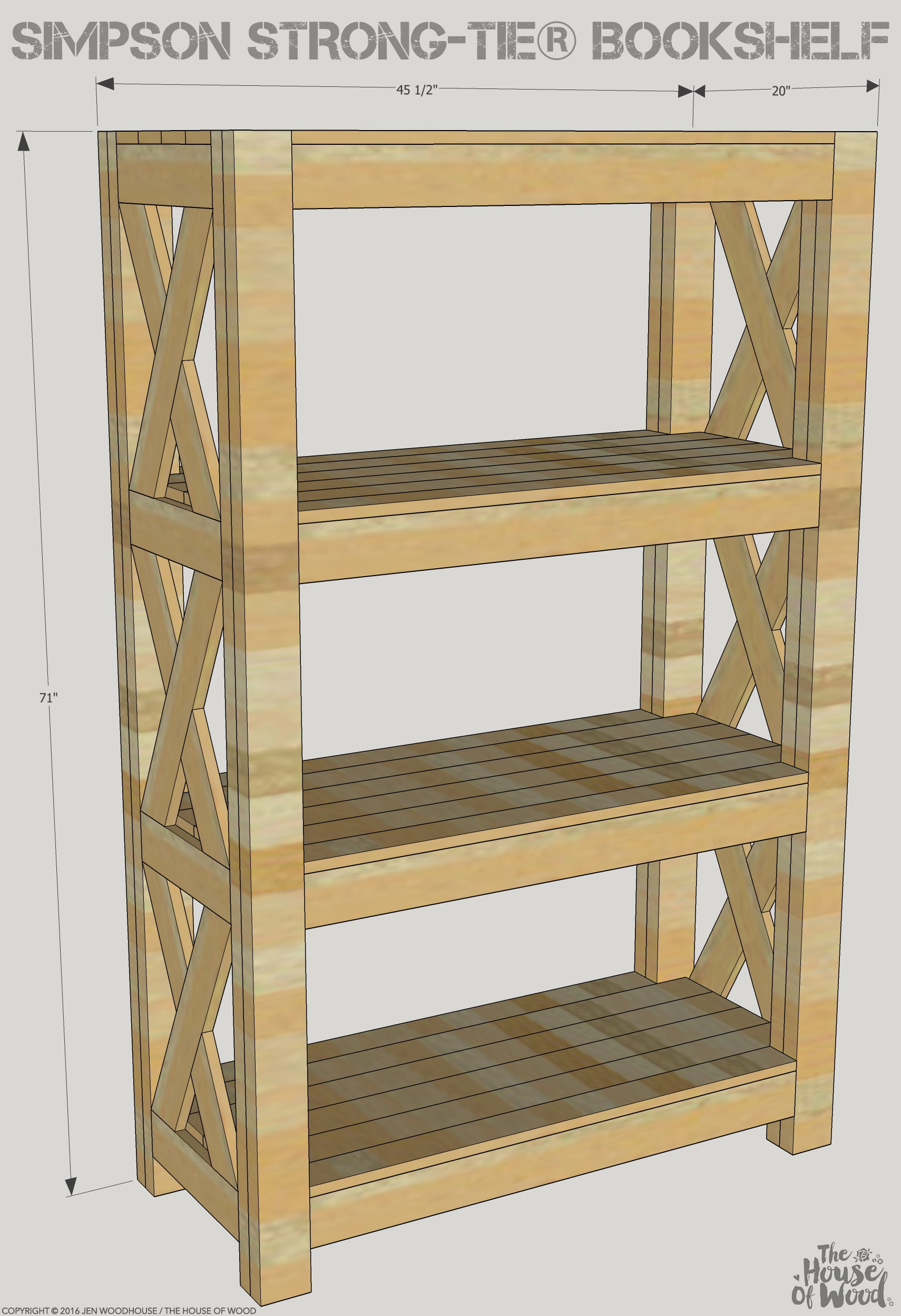
Credit: jenwoodhouse.com
Maintaining Structural Integrity
Maintaining the structural integrity of your bookshelf is key to keeping it strong and safe. Regular care helps avoid damage and extends the life of your furniture. Small problems can grow if not fixed early. Simple steps can prevent big issues later.
Regular Inspection And Repairs
Check your bookshelf often for cracks, loose screws, or wobbling parts. Tighten screws and bolts when needed. Replace broken boards or damaged brackets quickly. Fixing small issues stops them from becoming bigger problems.
Avoiding Overloading
Do not place too many heavy books on one shelf. Spread weight evenly across shelves. Heavy items should go on lower shelves for better balance. Overloading causes shelves to bend or break easily.
Proper Placement And Anchoring
Place your bookshelf on a flat, stable surface to avoid tilting. Anchor tall shelves to the wall for extra support. Use wall brackets or straps to keep shelves from tipping. Proper anchoring adds safety and strength.
Finishing Touches For Durability
Adding finishing touches is key to a stronger bookshelf. These steps protect the wood and keep the shelf lasting longer. Small efforts at the end create big differences in durability.
Applying Protective Coatings
Protective coatings guard the wood from scratches and wear. Use varnish, polyurethane, or lacquer for a tough surface. Apply thin layers with a brush, letting each dry fully. This creates a shield that stops damage and keeps the wood looking fresh.
Sealing Against Moisture
Moisture can warp or weaken wood over time. Seal all surfaces with a water-resistant finish. This blocks water from soaking in and causing damage. Pay special attention to edges and joints where moisture can sneak in.
Using Edge Banding
Edge banding covers raw wood edges to stop chipping and cracking. It also adds a clean, finished look. Use adhesive edge tape or strips and press them firmly in place. This simple step boosts strength and improves the shelf’s appearance.

Credit: www.amazon.com
Frequently Asked Questions
How Can I Reinforce Bookshelf Shelves Effectively?
Use metal brackets or wooden cleats underneath shelves for extra support. This prevents sagging and strengthens weight capacity. Secure brackets tightly to the frame for best results.
What Materials Improve Bookshelf Stability?
Solid wood or plywood panels are stronger than particleboard. Adding a back panel also increases rigidity and prevents wobbling. Choose quality screws and brackets for durability.
How Do I Prevent Bookshelf Wobbling?
Anchor the bookshelf to the wall with brackets or straps. Level the feet or use shims on uneven floors. Tighten all joints and hardware regularly.
Can Adding A Back Panel Strengthen A Bookshelf?
Yes, a back panel significantly enhances structural integrity. It prevents racking and keeps shelves square. Use plywood or MDF for a sturdy back panel.
Conclusion
A strong bookshelf holds your books safely and lasts longer. Use sturdy materials and secure joints for better support. Adding extra braces can stop wobbling and sagging. Regularly check your shelf for any loose parts. Small fixes now prevent big problems later.
Follow these simple steps to keep your bookshelf steady. Enjoy your organized space without worry. A strong shelf makes your room look neat and tidy. Keep your books safe with a shelf built to last.