Are you tired of cluttered spaces and want a stylish way to organize your books and decor? Making a bookshelf at home yourself is easier than you think.
Imagine having a unique piece that fits perfectly in your room and showcases your personality. In this guide, you’ll discover simple steps to build your own bookshelf, even if you have little experience. By the end, you’ll have a beautiful, sturdy shelf that’s all yours.
Ready to turn your space into something special? Let’s get started!
Choosing Materials
Choosing the right materials is key to building a strong and beautiful bookshelf. The materials affect how the shelf looks and how long it will last. Careful selection saves time and money. It also makes the building process easier and more enjoyable.
Types Of Wood
Wood comes in many types. Pine is soft, easy to cut, and affordable. Oak is hard, strong, and lasts long. Birch has a smooth finish and looks great painted. Plywood is made of thin wood layers glued together. It is stable and cost-effective. Choose wood based on your budget and style preferences.
Required Tools
Basic tools help make your project smooth. A saw cuts wood to the right size. A drill makes holes for screws. A screwdriver helps join parts tightly. Sandpaper smooths rough edges for safety and look. A measuring tape ensures parts fit well. These tools are must-haves for DIY shelves.
Additional Supplies
Screws hold the wood pieces firmly. Wood glue adds extra strength. Paint or stain improves appearance and protects wood. Brushes or rollers apply finishes evenly. Brackets support the shelf on walls. Safety gear like gloves and goggles keep you safe during work.

Credit: www.littleladoo.com
Planning Your Bookshelf
Planning your bookshelf is the first step to a successful DIY project. It helps you save time, money, and effort. Good planning ensures the shelf fits perfectly and looks great in your space.
Think about what you want to store. Books, decorations, or both? Planning helps you decide the size, style, and materials. This section guides you through measuring, designing, and sketching your shelf.
Measuring Space
Measure the wall or corner where the shelf will go. Use a tape measure to get height, width, and depth. Write down these numbers clearly. Check for any obstacles like switches or vents. Measure twice to avoid mistakes.
Design Ideas
Choose a style that fits your room. Simple shelves work well in small spaces. Floating shelves create a modern look. Consider open or closed shelves based on what you want to store. Think about colors and materials that match your home.
Sketching Your Shelf
Draw your bookshelf on paper. Use your measurements for accuracy. Start with a simple outline. Add details like shelf height and thickness. Sketching helps you see the final look. It guides you during the building process.
Cutting And Preparing Wood
Cutting and preparing wood is a key step in making a bookshelf at home. This stage shapes the wood pieces to fit your design. Proper preparation ensures a strong and neat bookshelf. Taking time here saves effort later.
Start with clear measurements and careful cuts. Then smooth the edges for a polished look. These steps help your DIY bookshelf look professional and last longer.
Marking Measurements
Measure each piece of wood with a tape measure. Mark lines clearly using a pencil. Double-check your marks to avoid mistakes. Use a square tool for straight, right angles. Precise marks guide your cutting and improve accuracy.
Safe Cutting Techniques
Always wear safety goggles and gloves before cutting. Use a saw suitable for your wood type. Keep your hands away from the blade. Cut slowly and steadily along the marked lines. Secure the wood with clamps to prevent movement. Safety is important to avoid injuries and keep cuts clean.
Sanding Edges
Sand all cut edges using fine-grit sandpaper. Sanding removes splinters and rough spots. Move the sandpaper in a circular motion for smoothness. Check edges by running your fingers along them. Smooth edges make the bookshelf safer and look better.
:max_bytes(150000):strip_icc()/6a00d8358081ff69e201b8d19d6c2b970c-800wi-f39e5c1a40634c1fb3373ca7d9696b64.jpg)
Credit: www.thespruce.com
Assembling The Frame
Assembling the frame is the key step in building your bookshelf. It gives the structure strength and shape. A solid frame holds the shelves firmly. This part needs focus and patience. Follow clear steps to ensure your bookshelf lasts long.
Joining Techniques
Choose strong ways to join the wood pieces. Use screws or nails for a tight fit. Wood glue adds extra hold. Pocket holes make joints neat and firm. Make sure corners align perfectly before fixing.
Securing Shelves
Place shelves evenly inside the frame. Use brackets or supports to hold them steady. Screw shelves into the sides for safety. Double-check each shelf’s position before tightening screws. Avoid gaps to keep books from falling.
Checking Stability
Test the frame by gently shaking it. The bookshelf should not wobble or move. Tighten loose screws or add more support if needed. Place it on a flat surface to balance well. A stable frame keeps your books safe and secure.
Finishing Touches
The finishing touches make your DIY bookshelf look complete and polished. These steps protect the wood and give your shelf a neat, attractive appearance. Take your time with each part. Small details make a big difference in the final look.
Sanding Surfaces
Sanding smooths the wood and removes rough spots. Use fine-grit sandpaper for a soft finish. Sand all edges and flat surfaces carefully. This step helps paint or stain stick better. Wipe dust off with a clean cloth after sanding.
Painting And Staining
Choose paint or stain that suits your room style. Paint gives bright colors and a fresh look. Stain shows the wood grain and adds warmth. Apply thin, even coats and let dry fully. Use a brush or cloth for best results. Multiple coats may be needed for the best finish.
Adding Decorative Elements
Add personality with decorative touches. Try small knobs or handles on open shelves. Use stencils or decals to create patterns or designs. Attach trim or molding to edges for a classic look. These details make your shelf unique and stylish.
Installing Your Bookshelf
Installing your bookshelf is the final step in your DIY project. This stage ensures your shelf is secure and looks great in your home. Proper installation keeps your books safe and your space tidy. Take your time and follow these simple tips for the best results.
Positioning Tips
Choose a spot with enough space and good lighting. Avoid areas near heaters or windows with direct sunlight. Measure the wall space to fit your bookshelf perfectly. Keep the shelf at a comfortable height for easy access. Think about the furniture around to keep the room balanced.
Wall Mounting Options
Use wall anchors for drywall to hold heavy shelves safely. Studs provide the strongest support; find them with a stud finder. Brackets come in many styles; pick one that suits your shelf design. Screw the brackets tightly to prevent wobbling. Consider floating shelves for a clean, modern look.
Safety Considerations
Secure shelves firmly to avoid accidents. Check all screws and anchors before loading books. Keep heavy items on lower shelves to prevent tipping. Use anti-tip straps if you have children or pets. Regularly inspect your bookshelf for any looseness or damage.
Maintenance And Care
Maintaining your DIY bookshelf is key to keeping it strong and good-looking. Regular care helps avoid damage and keeps the wood fresh. Simple steps can protect your shelf for years. Here are some easy tips for cleaning, fixing, and lasting longer.
Cleaning Tips
Dust your bookshelf often with a soft cloth. Avoid using wet or harsh cleaners that can harm the wood. Use a dry or slightly damp cloth for best results. Clean spills immediately to prevent stains. Keep the shelf away from direct sunlight to avoid fading.
Repairing Scratches
Small scratches can be fixed with a wood marker or crayon that matches the shelf color. Rub it gently on the scratch and wipe off extra. For deeper scratches, use fine sandpaper to smooth the area. Apply wood polish or finish after sanding to restore shine.
Extending Shelf Life
Keep your bookshelf dry to prevent warping or mold. Avoid placing very heavy items that can bend the shelves. Use shelf liners for extra protection from scratches and moisture. Check screws and joints regularly and tighten them if loose. This simple care keeps your DIY bookshelf strong and lasting.
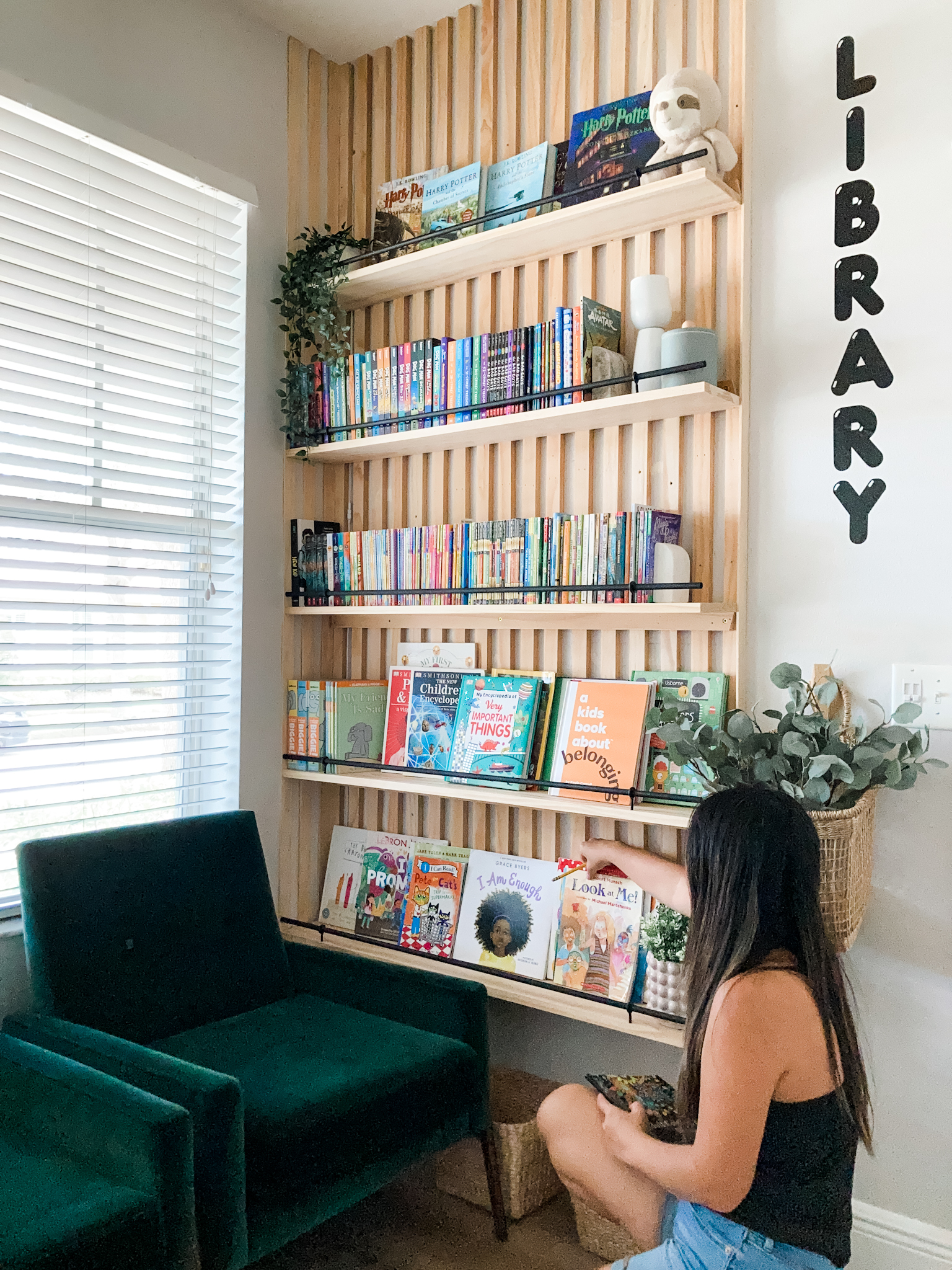
Credit: xomyhome.com
Frequently Asked Questions
What Materials Do I Need For A Diy Bookshelf?
You need wood boards, screws, nails, a drill, a saw, sandpaper, and wood glue. Choose quality wood for durability and aesthetics.
How Much Time Does Building A Bookshelf Take?
A simple bookshelf can take 2 to 4 hours. Complex designs may require more time for cutting and assembly.
What Tools Are Essential For Making A Bookshelf At Home?
Essential tools include a saw, drill, screwdriver, measuring tape, level, and clamps. These ensure accurate cuts and stable construction.
How Can I Customize My Homemade Bookshelf?
Customize by adjusting size, shape, paint, or stain color. Add decorative elements or extra shelves to fit your space.
Conclusion
Building a bookshelf at home is simple and fun. You only need basic tools and materials. Follow steps carefully, and take your time. This project saves money and adds personal style. Enjoy your new shelf filled with favorite books. Try different designs to fit your space.
Start small, then build bigger shelves later. Making things yourself feels great and teaches skills. Give it a try and see the results.