Are you ready to transform your space with a stylish floating large bookshelf? Hanging one might seem tricky, but with the right steps, you can do it yourself and create a stunning focal point in any room.
Imagine having a sleek, clutter-free way to display your favorite books and decor—right on your wall. In this guide, you’ll discover simple tips and clear instructions that make the process easy and stress-free. Keep reading, and you’ll soon have a beautiful floating bookshelf that not only saves space but also adds a modern touch to your home.
Choose The Right Bookshelf
Choosing the right floating bookshelf matters a lot. It affects how safe and stylish your shelf will be. A good choice means your shelf holds books well and fits your room’s look. Focus on key points like materials, design, size, and weight capacity before buying.
Materials And Design
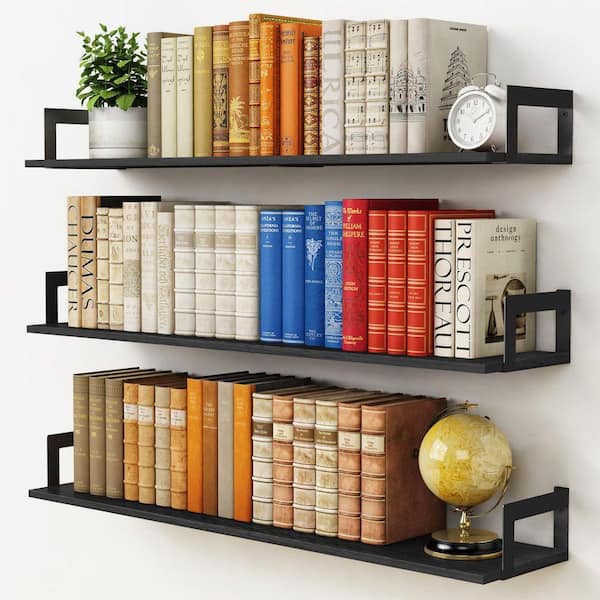
Wood is a popular choice for floating bookshelves. It looks natural and suits many room styles. Metal shelves offer a modern, sleek look and strong support. Some shelves mix wood and metal for a unique design.
Think about the room’s style. Simple designs fit well in small rooms. Large, detailed shelves suit bigger spaces. Choose a finish that matches your walls or furniture. A smooth finish is easy to clean and keeps the shelf looking new.
Size And Weight Capacity
Measure your wall space before selecting a shelf. The shelf should fit without crowding the room. Bigger shelves hold more books but need stronger wall support.
Check the weight capacity of the shelf. Books can be heavy, so the shelf must hold them safely. Look for shelves that list their maximum weight. Choose one that can carry your collection comfortably.
Gather Necessary Tools
Before hanging a large floating bookshelf, gather all tools needed. This step saves time and avoids interruptions. Having the right tools ensures a smooth and safe installation. Prepare your workspace and check every item on your list.
Basic Tools Checklist
- Drill with drill bits
- Stud finder
- Level
- Measuring tape
- Screwdriver
- Pencil for marking
- Wall anchors or screws
- Safety goggles
Optional Tools For Extra Support
- Hammer for anchors
- Socket wrench set
- Laser level for precision
- Helper clamps to hold shelf
- Work gloves for hand protection
Find The Perfect Spot
Finding the perfect spot for your floating large bookshelf matters a lot. It affects both the look and safety of your shelf. A good spot holds the shelf firmly and shows off your books nicely. Think about where you want the shelf to be seen and how it fits in the room.
Wall Material Considerations
Different walls need different support. Drywall alone cannot hold heavy shelves well. Look for studs behind the wall. Studs are wooden beams that give strong support. Use a stud finder tool to locate them. Brick or concrete walls hold shelves strongly but need special tools. Use anchors made for these materials for a safe hold.
Measuring And Marking
Use a tape measure to find the exact height and width for the shelf. Mark the spots lightly with a pencil. Check that the shelf will be level using a level tool. Measure twice to avoid mistakes. Mark where the screws or brackets will go. Good markings make the shelf easy to install and stable.
Locate Wall Studs
Locating wall studs is a crucial step for hanging a large floating bookshelf. Studs provide the strong support needed to hold heavy books and the shelf itself. Without securing the shelf to studs, it may fall or cause damage to your wall.
Studs are usually wooden beams inside the wall, spaced about 16 to 24 inches apart. Finding them ensures you anchor the shelf safely and avoid weak spots like drywall alone.
Using A Stud Finder
A stud finder is a small tool designed to detect studs behind the wall surface. Turn it on and slowly move it across the wall where you want to hang the shelf. The device will beep or light up when it detects a stud.
Mark the stud locations with a pencil. Double-check by scanning the area twice to be sure. Using a stud finder is fast and accurate, making the installation easier and safer.
Alternative Methods
If you do not have a stud finder, try other ways to find studs. Tap on the wall and listen for a solid sound instead of a hollow one. Solid sounds often mean a stud is behind.
Look for electrical outlets or light switches on the wall. These are usually attached to a stud. Measure about 16 inches from these points to find the next stud.
Another way is to check baseboards or crown moldings for small nails or dimples. These nails often mark the stud locations behind the wall.
Prepare The Mounting Hardware
Preparing the mounting hardware is the first step to hang your floating large bookshelf securely. Getting the right tools and parts ready makes the installation smooth and safe. This stage ensures the shelf will hold the weight and stay fixed on the wall.
Choosing The Right Anchors
Select anchors based on your wall type. Drywall needs different anchors than concrete or brick walls. Use heavy-duty anchors for large shelves holding many books. Plastic anchors work only for light loads. Metal or toggle anchors offer better support for heavy shelves.
Measure the wall thickness before picking anchors. Check the anchor’s weight limit to avoid accidents. Proper anchors keep the shelf steady and prevent it from falling.
Assembling Brackets
Start by unpacking all bracket parts. Follow the instructions carefully to put them together. Tighten screws firmly but do not over-tighten. Loose brackets can cause the shelf to tilt or fall.
Use a level to align the brackets perfectly. This step keeps the shelf straight and balanced. Double-check all connections before mounting on the wall. Well-assembled brackets make the shelf strong and safe.
Credit: www.homedepot.com
Install The Brackets
Installing the brackets is a key step in hanging a large floating bookshelf. These brackets support the entire weight of the shelf and your books. Proper installation keeps the shelf stable and safe.
Take your time to place the brackets correctly. Measure carefully and use the right tools. This ensures a strong hold on the wall.
Drilling Pilot Holes
Start by marking the spots for the brackets on the wall. Use a pencil for clear marks. Check the marks with a level to keep the shelf straight.
Use a drill bit slightly smaller than your screws. Drill pilot holes at the marked spots. These holes help guide the screws and prevent wall damage.
Drilling pilot holes also makes screwing easier. It reduces the risk of cracking the wall or brackets.
Securing Brackets Firmly
Place the brackets over the pilot holes. Align them carefully with the marks. Use screws that fit the bracket holes well.
Screw the brackets tightly into the wall. Use a screwdriver or drill to secure them firmly. Check the bracket’s stability by gently pulling on it.
Strong brackets hold the shelf steady and prevent accidents. Double-check all screws are tight before hanging the shelf.
Hang The Bookshelf
Hanging a large floating bookshelf takes careful steps. This section guides you through the process. Follow these tips to hang your shelf safely and level.
Aligning The Shelf
Start by marking the wall where the shelf will go. Use a level tool to ensure the marks are straight. Hold the shelf up to the wall and check the alignment. Adjust the marks if needed. This helps the shelf look neat and balanced.
Ensuring Stability
Find studs in the wall to support the shelf weight. Use a stud finder for accuracy. Screw brackets or mounts into the studs firmly. Attach the shelf to these brackets carefully. Test the shelf by applying light pressure to confirm it stays secure.

Credit: southhousedesigns.com
Test The Setup
Testing the setup is a vital step after hanging your floating large bookshelf. It ensures the shelf stays secure and can hold the weight of your books safely. This step prevents accidents and keeps your wall and shelf in good condition.
Load Testing Tips
Start by placing a few lightweight items on the shelf. Check if the shelf holds steady without moving or tilting. Slowly add more weight with books or objects. Watch closely for any signs of sagging or loosening. Test the shelf evenly to avoid putting too much pressure on one side. Stop adding weight if you notice any instability. This simple test guarantees your shelf is ready for daily use.
Adjustments If Needed
If the shelf moves or feels loose, tighten the screws first. Use a level to make sure the shelf is straight. Adjust brackets or anchors if the shelf tilts. Sometimes, adding extra support brackets helps stabilize the shelf. Make small changes and test again after each adjustment. Proper alignment and tight fittings keep your shelf secure and strong.
Maintain Your Floating Shelf
Maintaining your floating bookshelf keeps it safe and looking good. A well-kept shelf lasts longer and holds your books firmly. Small checks and smart use help avoid damage and accidents. Regular care makes a big difference in how your shelf performs every day.
Regular Checks
Check your floating shelf often for any signs of wear. Look for loose screws or brackets that might need tightening. Notice any sagging or tilting, which means the shelf is under stress. Fix problems early before they get worse. A quick inspection every few weeks helps keep the shelf secure.
Avoiding Overloading
Do not put too many heavy books on the shelf. Each floating shelf has a weight limit you should follow. Spread the weight evenly across the shelf surface. Heavy items in the middle can cause sagging or fall risk. Use the shelf for light to medium-weight books and decorations only.

Credit: www.amazon.com
Frequently Asked Questions
How Do You Securely Hang A Large Floating Bookshelf?
Use wall studs to anchor the brackets securely. Locate studs with a stud finder. Use heavy-duty screws and a level for alignment. This ensures the shelf supports heavy books safely without sagging or falling.
What Tools Are Needed To Hang A Floating Bookshelf?
You need a stud finder, drill, level, screwdriver, measuring tape, and pencil. These tools help locate studs, mark positions, and securely fix the shelf brackets. Proper tools ensure accurate installation and safety.
Can Floating Shelves Hold Heavy Books Without Support?
Yes, if mounted on wall studs with strong brackets. Drywall anchors alone won’t support heavy loads. Properly installed floating shelves can safely hold large and heavy books without additional support.
How High Should I Hang A Large Floating Bookshelf?
Mount the shelf at eye level or slightly above, around 5 to 6 feet high. This height is practical for access and visually pleasing. Adjust based on room layout and user height.
Conclusion
Hanging a large floating bookshelf can change your room’s look. Follow each step carefully for a strong hold. Use the right tools and check the wall type first. Take your time to measure and level the shelf. Secure the brackets tightly to avoid accidents.
A well-hung shelf holds books safely and looks neat. Enjoy your new space for books and decoration. Small effort brings big style and function to your home. Try it today and see the difference it makes.