Choosing the right bed for your child can feel confusing, especially when you come across terms like “toddler bed” and “twin bed.” You might wonder, what’s the real difference between these two?
Understanding this can help you make the best choice for your child’s comfort and safety. You’ll discover clear, simple answers that will take the guesswork out of picking the perfect bed. Keep reading, and you’ll soon know exactly which option fits your family’s needs.

Credit: www.turmerry.com
Toddler Bed Features
Toddler beds are made for young children who are ready to move from a crib. These beds have special features that make them safe and comfy for little kids. They help children feel secure while they learn to sleep in a bigger bed.
These beds also fit well in smaller rooms and match children’s needs as they grow. Understanding these features can help parents choose the right bed for their child.
Size And Dimensions
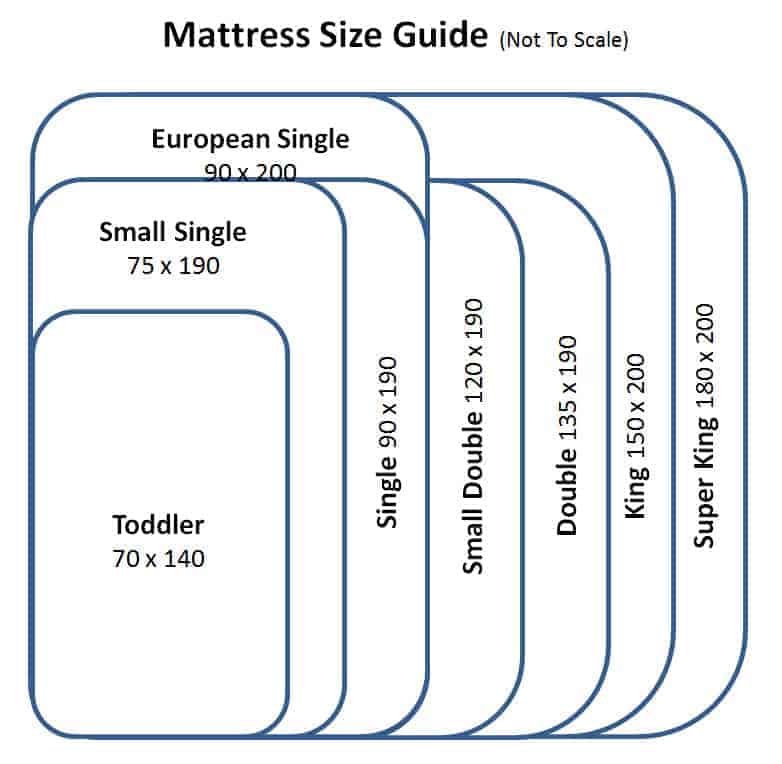
Toddler beds are smaller than twin beds. They usually measure about 27 inches wide and 52 inches long. This size fits a toddler mattress perfectly. The smaller size helps children climb in and out easily.
Twin beds are larger, about 38 inches wide and 75 inches long. They suit older kids and adults. Toddler beds are made for children aged 1.5 to 5 years old.
Safety Elements
Toddler beds have built-in safety features. Most have low frames so kids can get in and out without help. Side rails are common to stop children from falling out during sleep.
The materials used are usually smooth and non-toxic. This keeps children safe from sharp edges and harmful chemicals. Safety is the top focus in toddler bed design.
Design And Materials
Toddler beds often use sturdy wood or strong plastic. These materials last long and hold up to active use. The designs are simple and child-friendly, with bright colors or fun shapes.
Many toddler beds come in themes like animals or cars. The paint and finish are safe for kids. These beds create a cozy and playful sleep space.
Twin Bed Features
Twin beds are popular choices for many homes. They offer a great balance of size, comfort, and style. Understanding their features helps decide if they suit your needs.
These beds serve many purposes beyond just sleeping. They fit well in small rooms and grow with the user.
Size And Dimensions
A standard twin bed measures 39 inches wide and 75 inches long. This size fits most children, teens, and single adults comfortably. It saves space in smaller rooms compared to larger beds. Twin beds provide enough room to stretch out while keeping the footprint compact.
Versatility And Use
Twin beds adapt to many settings. Kids can use them for sleep and play. Teens and adults find them useful in guest rooms or dorms. Some twin beds come with trundles or storage drawers underneath. This adds extra function without extra space.
Materials And Styles
Twin beds come in wood, metal, and composite materials. Each offers different looks and durability. Wood styles range from classic to modern designs. Metal frames often have sleek, minimal shapes. Many styles match various room decors easily.
Age And Weight Suitability
Choosing the right bed depends a lot on age and weight. These factors ensure safety and comfort for your child. Toddler beds and twin beds serve different needs based on these points.
Ideal Age Range For Toddler Beds
Toddler beds suit kids aged about 1.5 to 5 years. This bed helps children transition from a crib. It offers low height to prevent falls. The guardrails provide extra safety. Toddlers feel secure and confident in these beds.
Twin Bed Age Recommendations
Twin beds fit kids aged 5 years and older. Many children use them well into their teens. These beds are larger, giving more room to grow. They work well for kids who have outgrown toddler beds. Twin beds also suit guests or shared rooms.
Weight Limits Comparison
Toddler beds usually support up to 50 pounds. This limit matches typical toddler weight. Twin beds hold much more weight, often up to 200 pounds or more. They accommodate older kids and adults comfortably. Checking weight limits keeps your child safe.

Credit: www.bedinabox.com
Safety Considerations
Choosing between a toddler bed and a twin bed means thinking about safety first. Kids need a bed that protects them during sleep and play. This section looks at key safety features to consider. These features help keep children safe and parents worry-free.
Guardrails And Fall Protection
Toddler beds come with guardrails on the sides. These rails stop children from rolling off the bed. Twin beds often do not have built-in guardrails. Parents must add separate rails for fall protection. Guardrails give toddlers a safe space to sleep without falling out.
Bed Height Differences
Toddler beds sit close to the floor. This low height makes it easy for kids to climb in and out. It also lessens injury risks if a child falls. Twin beds are higher, which can be risky for young children. Parents should consider bed height to keep kids safe.
Sturdiness And Stability
Toddler beds are designed for smaller, lighter children. They focus on stability and preventing tipping. Twin beds are larger and made for older kids or adults. Some twin beds may wobble if not well built. Check the bed’s sturdiness before buying to avoid accidents.
Cost And Affordability
Cost and affordability play a big role in choosing between a toddler bed and a twin bed. Parents want a safe and comfortable bed without spending too much. Understanding the price differences helps make smart decisions. Let’s explore the typical costs and value of each bed type.
Price Range For Toddler Beds
Toddler beds usually cost less than twin beds. Basic models start around $50. More stylish or branded beds can reach $150. Many toddler beds include safety rails and fun designs. They are smaller and use less material, which lowers the price.
Price Range For Twin Beds
Twin beds tend to cost more. Prices often start at $100 and can go beyond $300. The range depends on materials and style. Frames made from solid wood cost more. Twin beds may also include headboards and footboards, adding to the price.
Long-term Value
Toddler beds serve a short time, usually 2 to 3 years. Children outgrow them quickly. Twin beds last much longer. They fit kids, teens, and even guests. Investing in a twin bed saves money over time. It avoids buying multiple beds as the child grows.
Transitioning From Crib To Bed
Transitioning from a crib to a bed marks an important step in your child’s growth. It gives them more space and freedom to move during sleep. This change can feel big for both parents and toddlers. Choosing the right bed helps make this shift smooth and safe. Two common choices are toddler beds and twin beds. Each serves different needs and ages.
Signs Your Child Is Ready
Watch for these signs before moving your child to a bed. Your toddler tries to climb out of the crib. They seem cramped or uncomfortable in the crib. Your child shows interest in sleeping on a bigger bed. They can follow simple instructions and understand rules. These signs show your child is ready for a new sleep space.
Benefits Of Toddler Beds
Toddler beds are smaller and lower to the ground. This design helps prevent falls during sleep. They use the same mattress size as cribs. This means no need to buy a new mattress. Toddler beds often come with guardrails for extra safety. They provide a cozy transition without too much change.
When To Choose Twin Beds
Twin beds suit older toddlers or children ready for more space. They are larger and can last many years. Twin beds work well if your child likes to move a lot while sleeping. They also fit children who need a bed that grows with them. Twin beds require buying a new mattress and bedding. Choose a twin bed when your child outgrows a toddler bed.
Room Space And Setup
Choosing between a toddler bed and a twin bed affects your room space and setup. Each bed type has unique needs for space and arrangement. Understanding these helps create a comfortable and organized room for your child.
Space Requirements
Toddler beds are smaller and take up less floor space. They fit well in compact rooms or shared spaces. Twin beds are larger and need more room. They suit bigger bedrooms and give your child more sleeping area.
Room Layout Ideas
Place a toddler bed close to walls or corners to save space. This setup feels cozy and safe for toddlers. Twin beds allow flexible placement, like along a longer wall or near a window. This setup opens more options for room design.
Storage Options
Toddler beds often come with built-in storage drawers below. This helps keep toys and clothes organized. Twin beds may have room underneath for storage bins or baskets. Use this space for extra bedding or seasonal items.
Mattress Compatibility
Mattress compatibility is key when choosing between a toddler bed and a twin bed. Each bed type fits different mattress sizes. Choosing the right mattress ensures your child’s comfort and safety. Understanding mattress options helps make the best choice.
Toddler Bed Mattress Sizes
Toddler beds use smaller mattresses than twin beds. Most toddler mattresses measure 28 by 52 inches. They are designed to fit toddler bed frames perfectly. This size supports toddlers as they transition from a crib. Using the correct mattress prevents gaps that could be dangerous.
Twin Bed Mattress Options
Twin beds need larger mattresses, usually 38 by 75 inches. Twin mattresses offer more space for growing children. They come in many types like foam, spring, or hybrid. This size fits standard twin bed frames. Twin mattresses suit older kids who need extra room.
Mattress Safety Tips
Choose a mattress that fits the bed frame snugly. Avoid mattresses that are too soft or too firm. Check that the mattress meets safety standards. Keep the mattress clean and dry to prevent germs. Replace the mattress if it shows wear or damage.
Credit: allurelakestorey.com
Frequently Asked Questions
What Is The Main Size Difference Between Toddler And Twin Beds?
Toddler beds are smaller, typically fitting a crib mattress. Twin beds are larger, measuring about 38 by 75 inches, suitable for older children and adults.
When Should A Child Transition From A Toddler To A Twin Bed?
Children usually move to a twin bed between ages 3 and 5. This transition depends on the child’s size and readiness for a bigger bed.
Are Toddler Beds Safer Than Twin Beds For Young Kids?
Toddler beds often have guardrails and lower heights, making them safer. Twin beds lack these features, so additional safety measures may be needed.
Can Twin Beds Fit Toddler Mattresses Without Modification?
No, toddler mattresses are smaller and won’t fit twin bed frames properly. Twin beds require a larger mattress specifically designed for their size.
Conclusion
Choosing between a toddler bed and a twin bed depends on your child’s needs. Toddler beds fit smaller children and keep them safe. Twin beds are bigger and last longer as kids grow. Think about space, safety, and comfort before deciding.
Both beds have their place in a child’s room. Your choice helps your child sleep well and feel secure. Simple and thoughtful choices make bedtime easier for everyone.