Are you wondering how long your little one should stay in a toddler bed before moving on? It’s a common question that many parents face.
You want your child to feel safe and comfortable, but you also want to know when it’s time for the next step. Understanding the right timing can help you avoid bedtime struggles and keep your child happy. You’ll discover the key signs to look for and expert tips to make this transition smooth for both you and your toddler.
Keep reading to find out exactly how long your toddler should stay in their toddler bed.

Credit: www.takingcarababies.com
When Toddlers Transition To Toddler Beds
Moving a child from a crib to a toddler bed is a big step. It marks growing independence and new bedtime routines. Parents often wonder about the right time for this change. Watching a toddler closely helps know when to make the switch.
Each child is unique. Some show signs early, while others take more time. Understanding these signs helps make the transition smooth and safe for your little one.
Signs Your Child Is Ready
Climbing out of the crib is a clear sign to switch beds. This shows your child can move safely and needs more space. Expressing a desire to sleep in a “big kid” bed is another sign. Your toddler might tell you they want a new bed like siblings or friends.
Nighttime potty training can also indicate readiness. If your child wakes up dry or asks to use the bathroom, a toddler bed suits their needs better. Feeling cramped or uncomfortable in the crib is a subtle clue too.
Common Age Range
Most toddlers move to a toddler bed between 18 months and 3 years old. Some children change earlier, especially if they climb out of the crib. Others might stay in a crib longer for security and comfort.
Parents should consider the child’s size and development. Too early can cause fear or accidents. Too late might limit freedom and growth. Finding the right balance leads to a happy bedtime for both child and parent.
Factors Affecting Toddler Bed Duration
Several factors influence how long toddlers stay in a toddler bed. Each child is unique, so the duration varies. Parents should watch their child’s needs and behavior closely. Understanding these factors helps decide the right time to move on from the toddler bed.
Child’s Growth And Development
Physical growth affects bed choice. Some toddlers outgrow the size of toddler beds quickly. Growth spurts may require a larger bed for comfort. Developmental milestones also play a role. A toddler who climbs out of bed might need a safer option.
Safety Considerations
Safety is a top priority. Toddler beds have guardrails to prevent falls. As children grow, these rails might not provide enough protection. Parents should check if the bed still fits safety guidelines. A taller child might need a bed with better support and barriers.
Sleeping Habits
Sleeping patterns affect bed duration. Some toddlers sleep well in a toddler bed for years. Others may resist or feel cramped. Nighttime movements and restlessness can signal a need for change. Comfort and a sense of security influence sleep quality.
Expert Recommendations On Bed Timing
Choosing the right time to move a toddler from a crib to a toddler bed is important. Experts give clear advice to help parents decide. These recommendations focus on safety, comfort, and the child’s readiness. Understanding expert views can make this transition smooth for both parents and toddlers.
Pediatrician Advice
Pediatricians suggest moving toddlers to a bed between 18 months and 3 years. They watch for signs like climbing out of the crib. This can be dangerous, so a bed may be safer. Pediatricians also recommend checking if the child sleeps well in the crib. If not, a toddler bed might help improve sleep quality.
They advise parents to use guardrails on toddler beds. This prevents falls and keeps the child safe at night. Consistent bedtime routines remain important during this change. Pediatricians highlight that every child grows differently. So, parents should trust their instincts and observe their child’s needs closely.
Child Psychologist Insights
Child psychologists focus on the emotional and developmental side of bed timing. They say readiness includes feeling secure and comfortable with the new bed. If a child resists the change, it might be best to wait a little longer. Psychologists stress the importance of involving the child in the process.
Talking about the new bed and making it fun helps reduce anxiety. They suggest using favorite blankets or toys to create a safe space. Psychologists note that a smooth transition supports healthy sleep habits. Parents should watch for signs of stress or fear during the change.
They recommend gentle reassurance and patience. This approach helps toddlers feel confident and secure. Understanding emotional cues leads to a better timing choice for the bed switch.

Credit: www.amazon.com
Making The Transition Smooth
Transitioning your child to a toddler bed can feel challenging. It takes time for toddlers to adjust to a new sleeping space. A smooth change helps your child feel safe and happy. Small steps make a big difference during this period.
Focus on comfort and routine to ease the move. These elements help toddlers understand what to expect at bedtime. They reduce fears and make sleep more inviting.
Creating A Comfortable Sleep Environment
Choose soft bedding that your toddler likes. Use familiar blankets or stuffed animals for comfort. Keep the room at a cozy temperature. Dim the lights to signal quiet time. Remove toys that might distract from sleep. A calm room invites rest and helps toddlers relax.
Establishing A Bedtime Routine
Set a consistent bedtime each night. Start with calming activities like reading a book. Use gentle voices and slow movements. Brush teeth and change into pajamas. Say goodnight in the same way every evening. Routines give toddlers clear signals that sleep is next. This consistency helps them settle quickly in their new bed.
Signs To Move Beyond The Toddler Bed
Knowing when to move your toddler from their toddler bed to a bigger bed is important. It helps your child feel safe and comfortable. Some signs show your child is ready for this change. Watching these signs can guide your decision.
Physical Indicators
One sign is your child’s size. If your toddler grows too tall or heavy for the toddler bed, it may be time to change. Kids who can climb out of their bed easily need a safer, bigger bed. Also, if the bed feels crowded, your child may want more space. These physical signs help keep your child safe during sleep.
Behavioral Changes
Changes in behavior can also show readiness. If your toddler talks about a “big kid” bed, listen carefully. Some kids start asking for more freedom at bedtime. Others may resist the toddler bed or try to avoid sleep there. These behaviors suggest your child wants to move on. Watch how your toddler acts around bedtime for clues.
Choosing The Next Bed Type
Choosing the next bed for your child is an important step. It marks their growth and need for more space. Picking the right bed helps your child sleep well and stay safe. Parents want a bed that fits the room and lasts for years. This guide will help you understand the main bed types and safety features.
Twin Beds Vs. Full Beds
Twin beds are a popular choice for kids moving out of toddler beds. They offer plenty of space for sleep without taking too much room in the bedroom. Twin beds are easier to move and fit smaller rooms well.
Full beds provide more space for growing kids. They are wider and allow for more comfort. Full beds work well if your child likes to read or play in bed. They also last longer as your child grows into a teenager.
Choosing between twin and full depends on your child’s space and needs. Think about the room size and how long you want the bed to last.
Safety Features To Consider
Safety is the top priority when choosing a new bed. Look for beds with sturdy frames that do not wobble. The bed should be low to the ground to prevent falls.
Check that the mattress fits snugly inside the bed frame. Gaps can trap little fingers or toes. Rounded edges on the bed frame reduce the risk of bumps and bruises.
Non-toxic paint and finishes are safer for children. Avoid beds with sharp corners or loose parts. These features help keep your child safe every night.
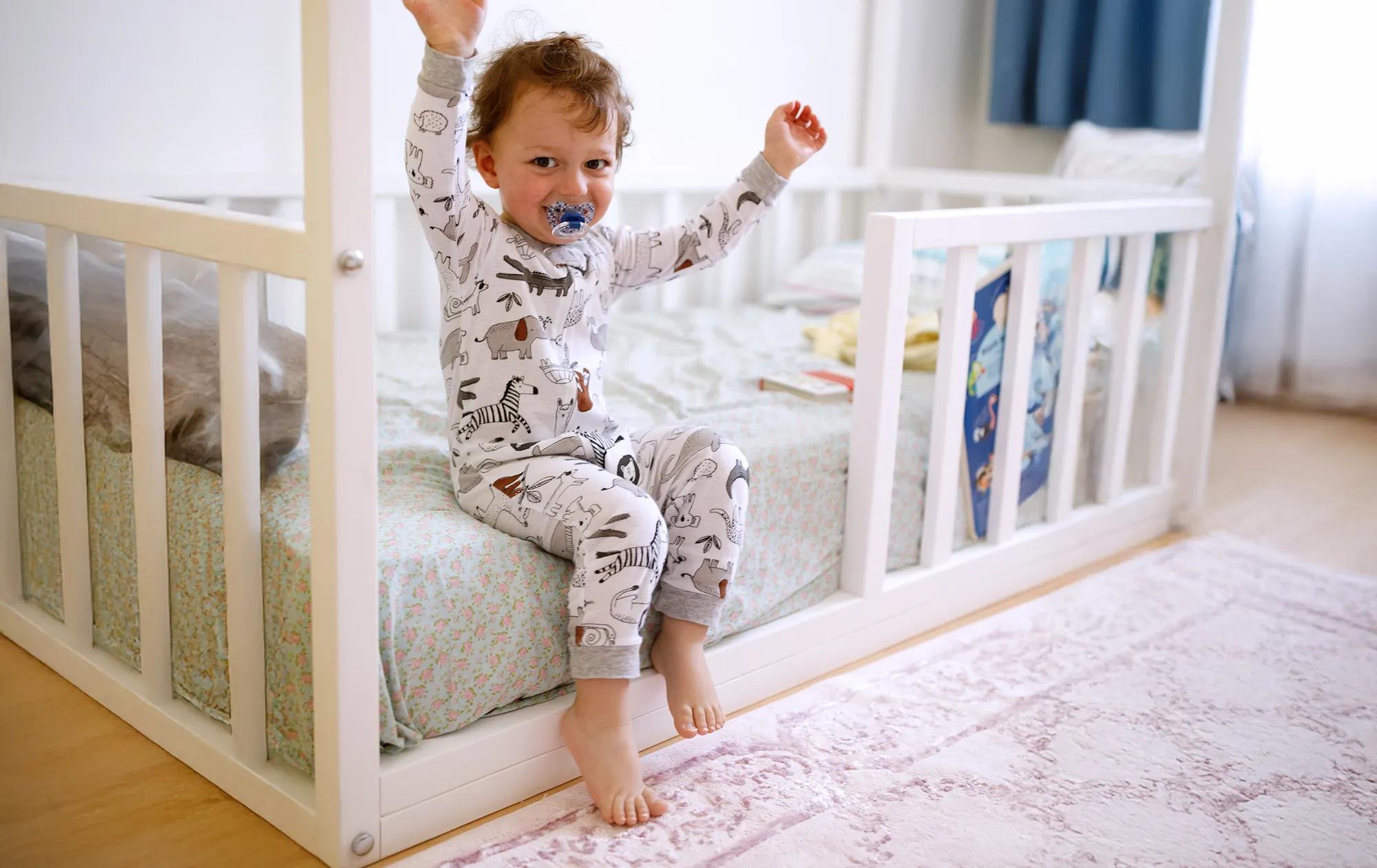
Credit: health.clevelandclinic.org
Frequently Asked Questions
How Long Do Toddlers Typically Use A Toddler Bed?
Toddlers usually use a toddler bed from ages 18 months to 5 years. Duration varies based on child size and safety needs. Transition to a twin bed often happens when the child outgrows the toddler bed.
When Should Parents Transition From Crib To Toddler Bed?
Parents should switch to a toddler bed when the child climbs out of the crib or reaches 35 inches tall. Safety and comfort are key factors for timely transition. This change reduces injury risks and supports independence.
What Signs Indicate A Toddler Is Ready For A Bigger Bed?
Signs include climbing out of the toddler bed, feeling cramped, or reaching height limits. Toddlers showing these signs may benefit from moving to a twin or full-size bed for better comfort and safety.
Are Toddler Beds Safe For Children Under Two Years?
Toddler beds are generally recommended for children over 18 months. Younger children may not have the motor skills to stay safely in bed. Always ensure the bed has guardrails and meets safety standards.
Conclusion
Toddlers usually stay in a toddler bed until about age five. This depends on your child’s size and comfort. Many kids switch when they start to climb out or feel cramped. Watch your toddler’s behavior and safety needs closely. Changing beds too early or too late can cause sleep problems.
Choose a bed that fits your child’s growth and habits. Remember, every child is different. Trust your instincts and your child’s readiness. A smooth transition helps your toddler feel safe and happy.