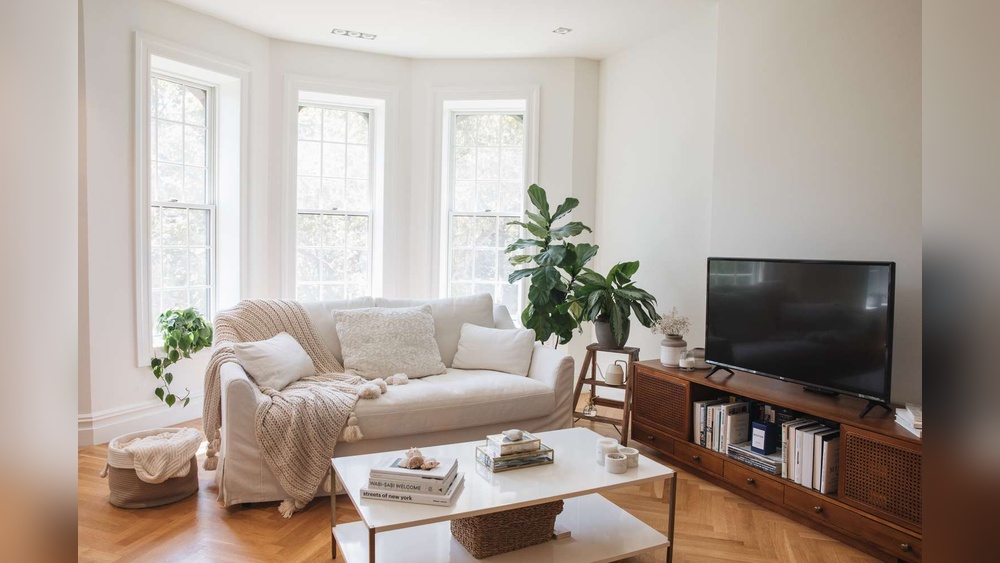
Arranging your living room furniture around a TV might seem simple, but getting it just right can transform your space into a comfortable, stylish hub for relaxing and entertaining. You want everyone to have a great view, but also to keep the room feeling balanced and inviting.
How do you make sure your sofa, chairs, and tables create a perfect flow without crowding the space or leaving it awkward? In this guide, you’ll discover easy-to-follow tips and smart design tricks that help you arrange your furniture so your TV becomes the natural focal point—while keeping your living room cozy, functional, and beautiful.
Ready to create a setup that works for movie nights, casual hangouts, and everyday living? Let’s dive in.

Credit: www.houzz.in
Space Planning Basics
Space planning is the first step to arrange living room furniture around a TV. It helps to create a comfortable and functional layout. Proper planning ensures the room feels open and inviting. Good space planning balances furniture placement and open areas. This balance supports easy movement and a pleasant viewing experience.
Balance With Open Space
Leave about one-third of the living room open. This empty space prevents the room from feeling crowded. Place your sofa and chairs to fill about two-thirds of the area. Use a coffee table sized to two-thirds the length of your sofa. Keep wall decor balanced by occupying two-thirds of the wall space above furniture. This method creates a calm and organized look. It also helps the eye move smoothly through the room.
Traffic Flow Considerations
Plan pathways that are clear and wide enough for easy walking. Avoid blocking entrances or the path to the TV. Leave at least 24 inches of walking space between furniture pieces. Arrange seating so people can reach the TV without obstacles. This setup reduces trips and bumps. Good traffic flow makes the room feel more spacious and comfortable. It also supports natural social interaction during TV time.
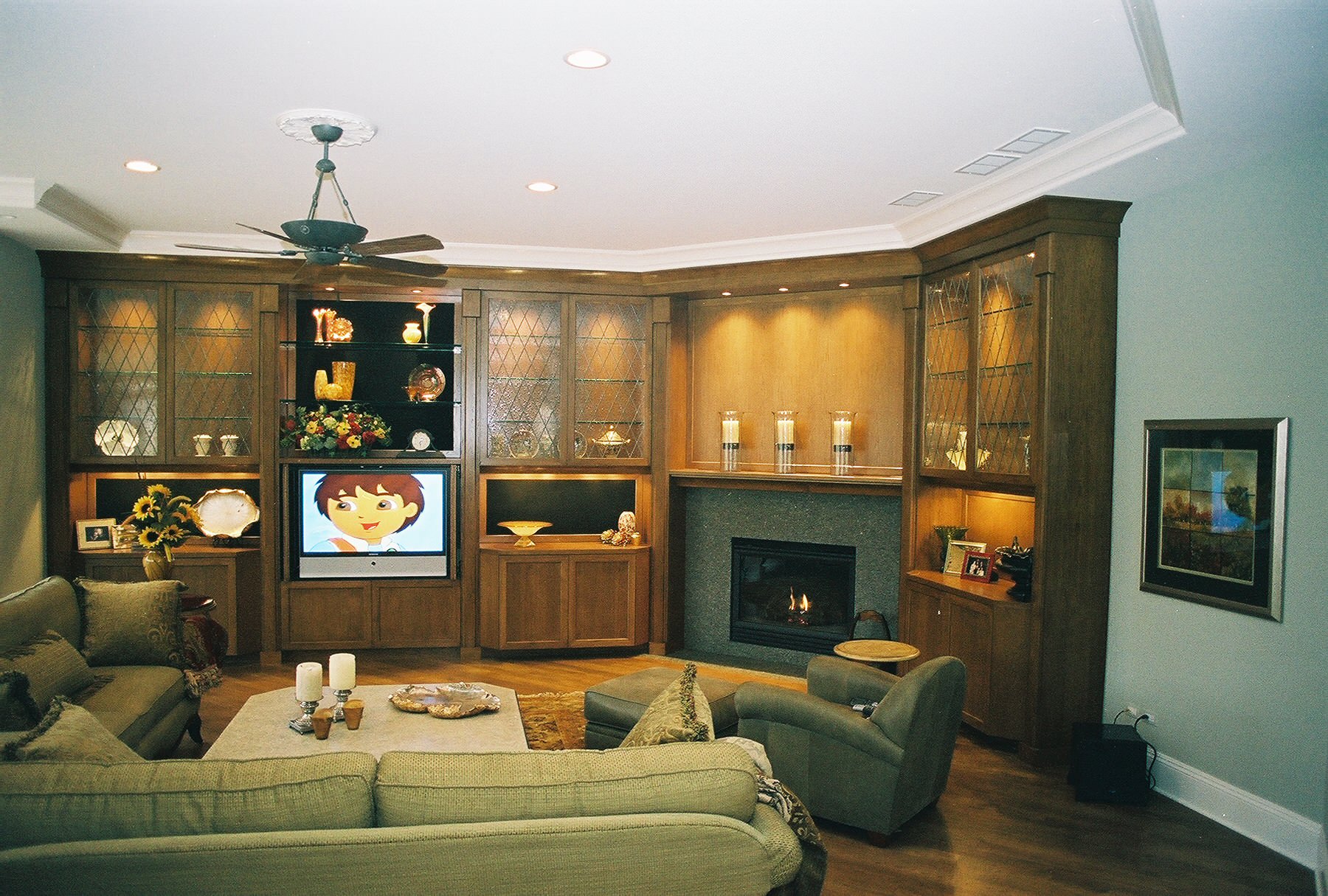
Credit: www.houzz.com
Furniture Placement
Furniture placement shapes the flow and comfort of your living room. It helps create a space that feels open yet cozy. Proper placement around the TV keeps the room balanced and inviting.
Use the two-thirds rule to arrange furniture. Fill about two-thirds of the space with seating and tables. Leave one-third open for walking paths and breathing room.
Positioning The Sofa
Place the sofa directly facing the TV for the best view. Keep it about 8 to 10 feet away to avoid eye strain. Center the sofa in the room to anchor the layout. This creates a natural focal point around the screen.
Arranging Chairs And Side Tables
Add chairs at angles to the sofa to encourage conversation. Place side tables between or beside chairs for convenience. Keep pathways clear by spacing furniture at least 2 feet apart. This layout balances comfort and accessibility.
Choosing The Right Coffee Table Size
Select a coffee table that is two-thirds the length of your sofa. This size keeps the table proportional and functional. Ensure there is 18 inches of space between the sofa and table. This allows easy movement and legroom.
Tv Viewing Setup
Setting up your living room for TV viewing takes careful thought. The arrangement should make watching comfortable and enjoyable. The right setup helps reduce neck strain and eye fatigue. It also makes the space look balanced and inviting. Focus on three key areas: the TV’s height, the distance between the TV and seating, and handling light reflections. These tips make the best use of your space and improve your viewing experience.
Optimal Tv Height
Place the TV so the center of the screen is at eye level. This height is usually about 42 inches from the floor. Sitting down, your eyes should align with the screen’s middle. Avoid mounting the TV too high on the wall. Looking up for long periods causes neck discomfort. Keep the TV low enough to watch comfortably from your main seat.
Viewing Distance Guidelines
The distance between your seating and the TV affects picture clarity. For a clear image, sit about 1.5 to 2.5 times the diagonal size of your TV away. For example, a 50-inch TV should be viewed from 6 to 10 feet away. Sitting too close may cause eye strain. Too far means missing details. Adjust your furniture to fit this range for the best view.
Reducing Glare And Reflections
Glare makes it hard to see the screen clearly. Place your TV opposite windows or bright lights to avoid glare. Use curtains or blinds to control natural light. Matte screen protectors can also reduce reflections. Position lamps and overhead lights so they don’t shine on the TV. These steps improve picture quality and reduce eye strain during viewing.
Layering Textures And Patterns
Layering textures and patterns creates depth and interest in your living room. It transforms a simple furniture setup around the TV into a cozy, stylish space. Using different fabrics, colors, and styles helps the room feel inviting and balanced. This approach prevents the space from looking flat or boring. Below are key ways to add layers effectively.
Incorporating Multiple Patterns
Use at least three different patterns in your soft furnishings. Rugs, curtains, and pillows are great places to start. Choose patterns that complement each other without clashing. Mix stripes, florals, and geometric shapes for variety. Solids also act as subtle patterns and help balance bold prints. Keep patterns in the same color family for harmony.
Mixing Design Eras
Combine furniture and decor from four different design periods. Blend styles like Traditional, Mid-Century Modern, Art Deco, and Contemporary. This mix adds character and keeps the room fresh. Use classic pieces alongside modern ones to create contrast. Be careful to maintain a cohesive look by repeating colors or materials.
Using Colors And Textures
Choose five different colors or textures to layer in your room. Include soft fabrics like velvet or linen for comfort. Add rough textures such as wood or woven baskets for contrast. Use colors to tie the room together, balancing warm and cool tones. Texture and color layering make the space visually rich and cozy.
Wall And Decor Styling
Styling the wall and decor around a TV shapes the room’s overall look. It creates a focal point and adds personality to the space. Thoughtful wall design balances technology with style.
Decor choices should complement the TV without overpowering it. The right wall styling can make the TV blend naturally into the room. It also enhances the viewing experience by minimizing distractions.
Art Placement Around Tv
Place art pieces carefully near the TV to create harmony. Use smaller frames or prints to avoid competing with the screen. Arrange them symmetrically or in a balanced cluster for a neat look.
Keep art at eye level for easy viewing when seated. Choose colors that match the room’s palette to tie everything together. Avoid overly bright or reflective art that can cause glare on the screen.
Using Wall Paneling And Molding
Wall paneling adds texture and interest without cluttering the space. Use simple, clean lines to frame the TV area. Molding can highlight the TV wall, making it a stylish feature.
Paint paneling in a soft, neutral shade to keep focus on the screen. Position molding about one-third up the wall for a balanced look. This approach creates depth and dimension around the TV.
Balancing Decor Proportions
Balance is key when styling walls around a TV. Use the two-thirds rule: fill two-thirds of the space with decor or furniture, and leave one-third open. This keeps the area from feeling crowded.
Choose decor that matches the scale of the TV and furniture. Large items can overwhelm, while very small pieces get lost. Mix textures and colors to add warmth and interest without distraction.
Lighting Strategies
Lighting plays a key role in arranging living room furniture around a TV. Proper lighting enhances comfort and viewing experience. It also sets the mood for the space. Using the right lighting strategies can reduce eye strain and highlight room features. Here are some effective lighting approaches for your living room setup.
Ambient And Task Lighting
Ambient lighting provides overall illumination in the room. Use ceiling lights, chandeliers, or flush mounts for soft, even light. Task lighting offers focused light for specific activities. Place floor lamps or table lamps near seating areas for reading or other tasks. Combining both creates a balanced and functional space.
Avoiding Screen Glare
Screen glare disrupts viewing comfort and causes eye fatigue. Position lights so they do not shine directly on the TV screen. Use curtains or blinds to control natural light from windows. Choose matte finishes for walls and furniture to reduce reflections. Proper lamp placement and dimmable lights help minimize glare effectively.
Accent Lighting Ideas
Accent lighting adds depth and interest to the living room. Use LED strips behind the TV for a soft backlight effect. Highlight artwork or shelves with spotlights or picture lights. Small lamps or candles can create a cozy atmosphere. Accent lights bring warmth and personality to your TV area.
Avoiding Common Mistakes
Arranging living room furniture around a TV needs careful planning. Avoiding common mistakes can make your space more comfortable and stylish. Small errors can make a room feel cramped or awkward. Follow simple tips to keep your living room inviting and functional.
Overcrowding Furniture
Too many pieces crowd a room and block views. Keep furniture pieces limited and well spaced. Leave enough room to move freely without bumping into tables or chairs. Choose furniture that fits the size of your room. Avoid large items that overwhelm the space near the TV.
Ignoring Traffic Flow
People must walk easily through the living room. Arrange furniture so paths are clear and direct. Avoid blocking doorways or creating narrow walkways. Leave at least two feet of space for walking around furniture. Good traffic flow prevents accidents and keeps the room feeling open.
Neglecting Personal Style
Your living room should reflect your taste and comfort. Avoid copying trends that do not match your style. Mix colors and textures that you enjoy. Add personal touches like cushions or artwork near the TV. A room that feels like you is more relaxing and inviting.
:max_bytes(150000):strip_icc()/rules-for-arranging-furniture-2213418-01-0ce5fc6a876342d693cef4e11367d098.jpg)
Credit: www.thespruce.com
Frequently Asked Questions
What Is The 2/3 Rule For Living Rooms?
The 2/3 rule for living rooms means filling two-thirds of the space with furniture or decor. Leave one-third open for flow and balance. This creates a spacious, organized, and visually pleasing layout. It applies to furniture, wall art, and color distribution.
What Is The 3-5-7 Rule In Decorating?
The 3-5-7 rule in decorating means using at least three patterns, five colors or textures, and blending furniture from four different styles. This creates a balanced, layered, and visually interesting space with personal style and depth.
What Is The 3 4 5 Rule In Interior Design?
The 3-4-5 rule in interior design suggests using at least three patterns, four design styles, and five colors or textures. This creates a balanced, layered, and personalized space with depth and visual interest. It guides design choices and encourages creative mixing without chaos.
What Is The Biggest Mistake In Placement Of Furniture?
The biggest mistake in furniture placement is blocking natural traffic flow, causing cramped and uncomfortable spaces. Always leave clear pathways.
Conclusion
Arranging furniture around a TV needs balance and comfort. Leave enough space for easy movement and clear sightlines. Use the two-thirds rule to guide furniture size and placement. Mix patterns, colors, and textures to add interest and warmth. Choose styles that reflect your personality for a cozy feel.
This simple approach creates a living room that looks inviting and works well. Enjoy your space where watching TV and relaxing happen naturally.
