Are you wondering if you can leave your outdoor furniture outside all year round? It’s a common question, especially if you love spending time on your patio but don’t want the hassle of moving heavy furniture every season.
The truth is, not all outdoor furniture is made to survive the changing weather without some care. But don’t worry—knowing which materials can handle Austin’s sun, rain, and occasional cold snaps can save you time and money. You’ll discover which types of furniture can brave the elements and smart tips to keep your pieces looking great no matter the season.
Ready to protect your investment and enjoy your outdoor space year-round? Let’s dive in!

Credit: posh.co.uk
Durable Outdoor Materials
Choosing the right materials is key to leaving outdoor furniture outside all year. Durable outdoor materials resist weather damage and keep furniture looking good. These materials handle rain, sun, and wind without much wear. Understanding their benefits helps you pick furniture that lasts through seasons.
Aluminum Benefits
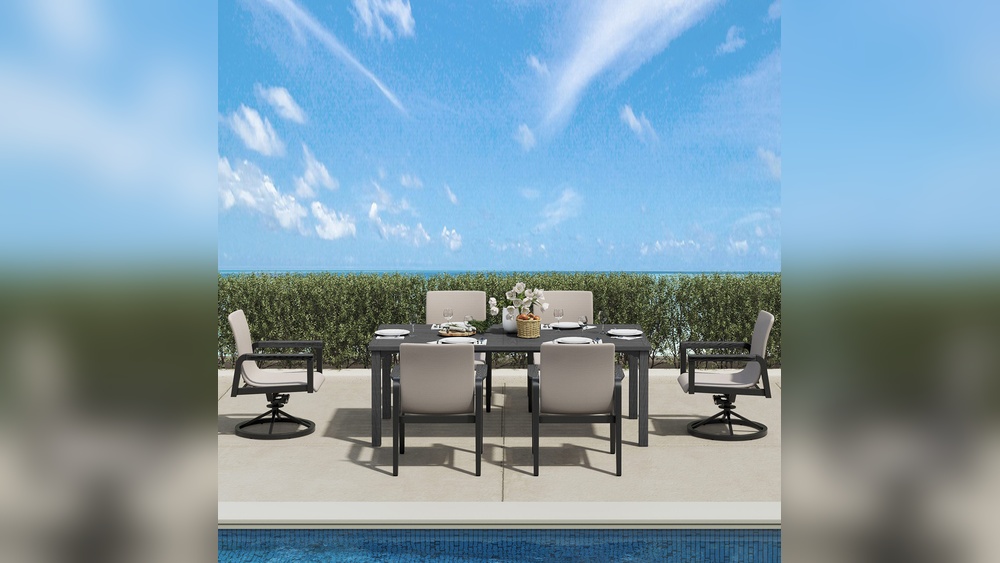
Aluminum resists rust and stands up to rain and wind. It is very light, so it is easy to move. Secure aluminum furniture in windy spots to prevent it from blowing away. This metal does not warp or crack with weather changes. It holds paint well, keeping colors bright for longer.
All-weather Wicker
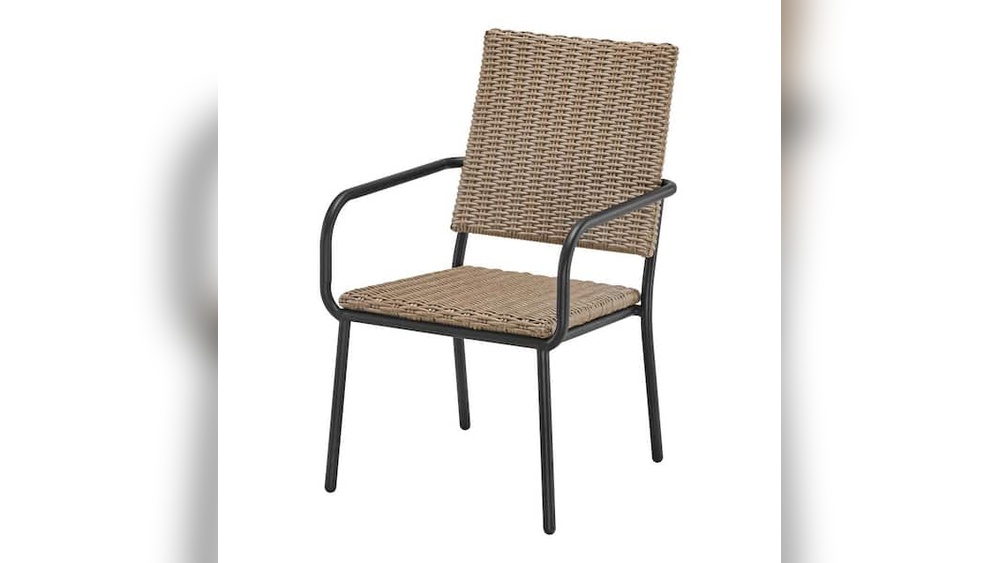
All-weather wicker uses synthetic fibers like HDPE. These materials do not absorb water and dry quickly. The furniture stays strong in rain and sun without cracking. It looks like natural wicker but lasts much longer outdoors. This wicker requires little cleaning—just soap and water.
Recycled Plastic Options
Recycled plastic furniture is low maintenance and eco-friendly. It does not rust, rot, or corrode, even in wet conditions. These pieces often mimic wood but need no sealing or painting. Plastic furniture can fade slightly but remains sturdy for years. It is ideal for places with harsh weather.
Teak And Other Hardwoods
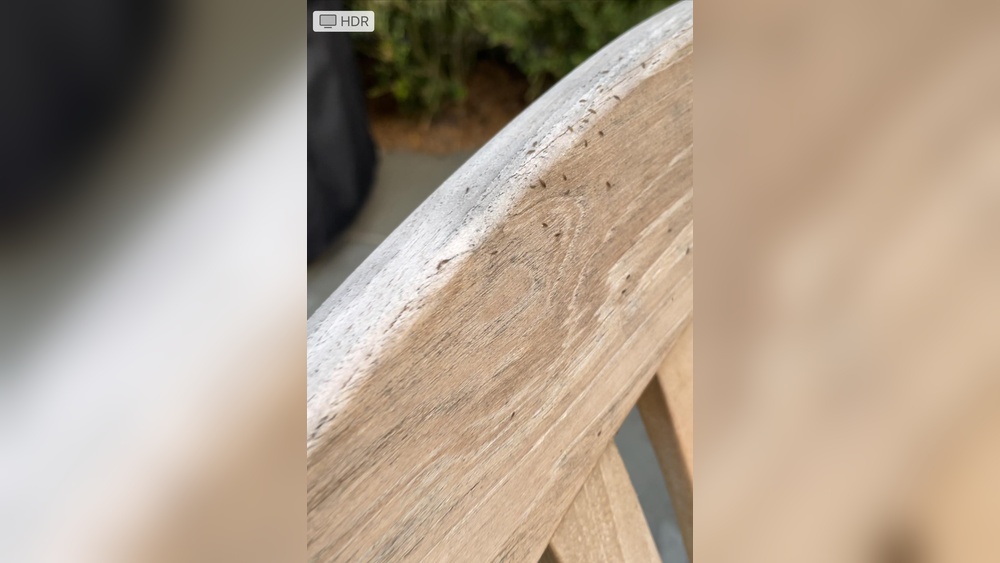
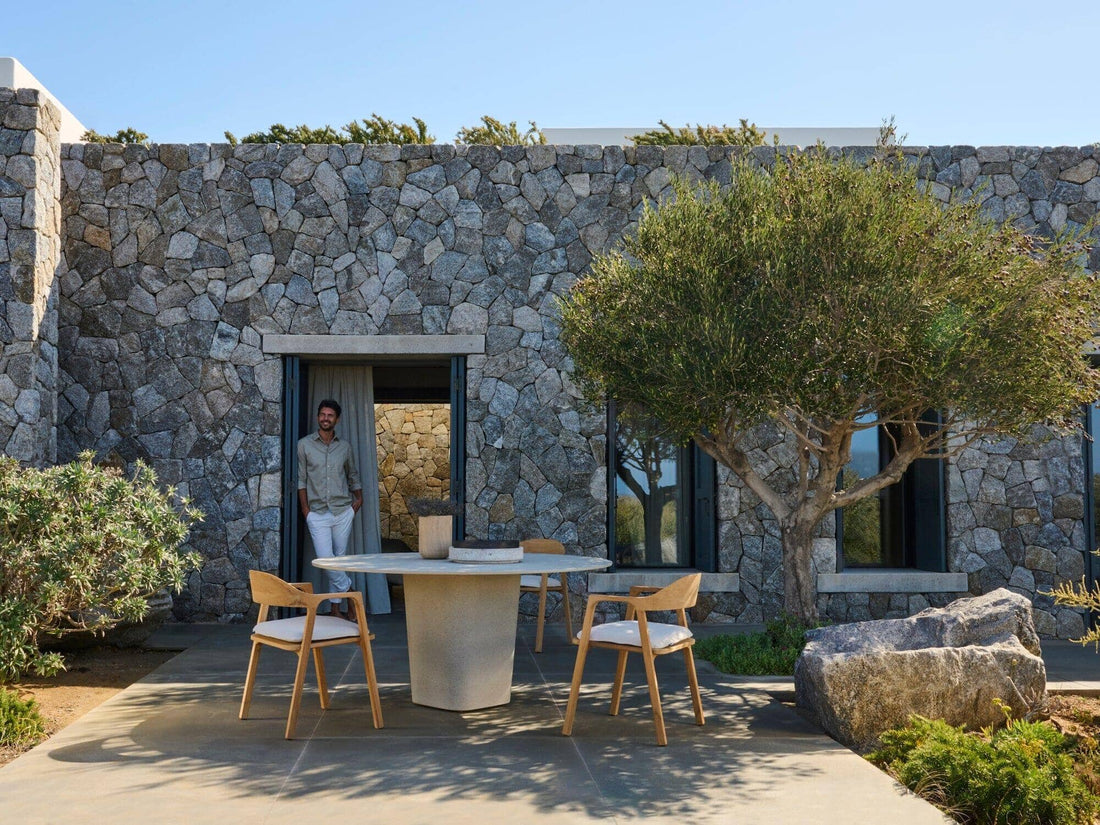
Teak is a hardwood rich in natural oils. These oils protect it from rot, insects, and moisture. Teak ages beautifully, turning a soft silver-gray over time. Other hardwoods like eucalyptus also work but may need extra care. Regular oiling helps hardwoods stay strong and crack-free.
Credit: coshliving.com.au
Protecting Cushions
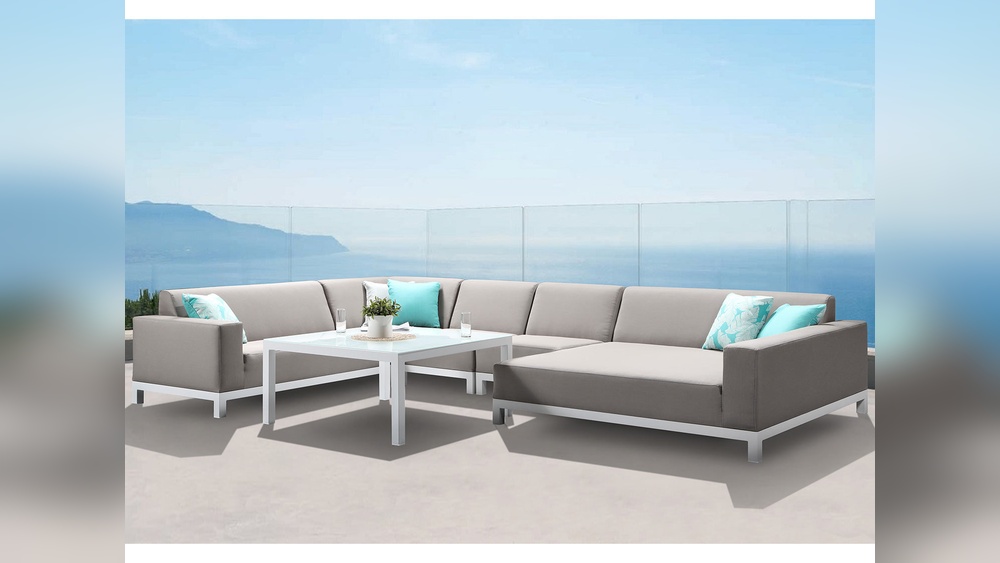
Outdoor cushions add comfort and style to your patio furniture. Protecting them is key to keeping your outdoor space inviting all year. Cushions face moisture, sun, and dirt daily. Proper care extends their life and maintains their look. Below are essential tips for cushion protection.
Indoor Storage Importance
Storing cushions indoors prevents damage from rain and dew. Moisture can soak into fabric and stuffing, causing them to weaken. Bringing cushions inside during bad weather stops this process. A dry, cool place is best for storage. Use breathable bags to avoid trapping humidity. This simple step keeps cushions fresh and ready to use.
Preventing Mold And Mildew
Mold and mildew grow quickly on damp cushions. They cause stains and bad smells. To avoid this, dry cushions thoroughly before storing. Clean off dirt and debris regularly. Use fabric protectors that resist mold growth. Good airflow around cushions also helps keep them dry. Regular checks prevent hidden mold problems.
Sun Damage Prevention
Sunlight fades cushion colors and weakens fabric fibers. UV rays break down material over time. Store cushions away from direct sunlight whenever possible. Use covers made with UV-resistant fabrics for cushions left outside. Rotate cushions occasionally to avoid uneven fading. Protecting cushions from sun keeps them vibrant and strong longer.
Cleaning And Maintenance
Keeping outdoor furniture clean and well-maintained ensures it lasts through all seasons. Dirt, dust, and weather effects can wear down even the toughest materials. Regular cleaning and care help preserve the furniture’s look and strength. Simple steps can prevent damage and keep your set inviting year-round.
Simple Cleaning Tips
Use mild soap and warm water for most furniture types. A soft cloth or sponge works best to avoid scratches. Rinse thoroughly with clean water to remove soap residue. Dry furniture with a towel to prevent water spots. Clean cushions by brushing off loose dirt and spot cleaning stains. Store cushions inside when not in use.
Handling Stubborn Dirt
For tough grime, mix baking soda with water to form a paste. Apply gently with a soft brush and rinse well. Avoid harsh chemicals that can damage finishes. Use a toothbrush to reach small crevices. For mildew, a solution of vinegar and water kills mold without harming surfaces. Always test cleaning solutions on a small area first.
Regular Upkeep Schedule
Inspect furniture monthly for signs of wear or damage. Tighten screws and bolts to keep pieces stable. Remove leaves and debris to prevent staining and mold growth. Apply protective sealants or oils to wood furniture each season. Cover furniture during heavy rain or snow to extend its life. Consistent care reduces the need for costly repairs.

Credit: coshliving.com.au
Weather Challenges
Outdoor furniture faces many weather challenges throughout the year. Rain, snow, wind, and sun can damage materials and reduce furniture life. Protecting your furniture from these elements is key to keeping it in good shape. Understanding how weather affects different furniture types helps in choosing the right care methods.
Even weather-resistant pieces need some protection during harsh seasons. Taking simple steps can prevent costly repairs or replacements later. Let’s explore how to manage common weather problems for outdoor furniture.
Using Furniture Covers
Furniture covers shield your outdoor pieces from rain, dust, and sun damage. Waterproof covers stop water from soaking into cushions or wood. They also block harmful UV rays that fade colors and weaken materials.
Choose covers that fit snugly and allow some air flow to prevent mold. Remove covers occasionally to let moisture escape. Using covers is a simple, effective way to extend furniture life.
Dealing With Harsh Winters
Winter weather can be tough on outdoor furniture. Snow and ice add weight and moisture, causing warping or rust. Cold temperatures make some materials brittle and prone to cracking.
Store cushions indoors to avoid mildew and freezing damage. For wood furniture, apply sealants before winter to protect against water absorption. If possible, move delicate pieces to a sheltered area or garage.
Wind And Storm Considerations
Strong winds can blow over lightweight furniture or scatter cushions. Storms bring heavy rain and debris that may scratch or dent surfaces. Securing furniture is essential to avoid damage and loss.
Anchor furniture with weights or tie-downs in windy areas. Stack or store cushions safely during storms. Checking weather forecasts helps you prepare and protect your outdoor setup.
Materials To Avoid Year-round Exposure
Certain outdoor furniture materials do not handle year-round exposure well. These materials can deteriorate quickly if left outside through all seasons. Protecting your investment means knowing which types to avoid leaving outdoors all year. Choosing the wrong material can lead to rust, warping, cracking, and costly repairs.
Below are key materials to avoid exposing to weather all year long to keep your furniture in good shape.
Wrought Iron Risks
Wrought iron is strong but very prone to rust. Rain and humidity cause it to corrode over time. Rust weakens the metal, making furniture unsafe and ugly.
Even with paint, scratches expose the iron to moisture. This leads to faster rusting under the finish. Avoid leaving wrought iron furniture outside without covers or shelter all year.
Regular maintenance, like sanding and repainting, helps but is time-consuming. Consider wrought iron only for seasonal use or covered patios.
Wood Types Needing Extra Care
Softwoods like pine and cedar absorb moisture easily and can rot. They swell, crack, or warp after repeated wet and dry cycles. Without regular sealing, wood furniture suffers damage from rain and sun.
Hardwoods such as oak and mahogany are stronger but still need protection. Prolonged exposure causes fading and surface cracks. These woods require oiling or sealing every few months.
Teak and eucalyptus resist weather better but are not completely maintenance-free. Treating wood extends life and keeps it looking good. Store wooden furniture indoors during harsh winters when possible.
Seasonal Furniture Storage Tips
Storing outdoor furniture properly during off-seasons helps extend its life. Seasonal furniture storage protects pieces from harsh weather. It also keeps them clean and ready for use next season.
Follow simple tips to know when and how to store your furniture safely. Proper preparation before storage prevents damage and fading. Choosing the right storage spot is key to keeping your furniture in good condition.
When To Store Indoors
Store furniture indoors before heavy rain or snow starts. Late fall is often the best time. Moving cushions and fabric parts inside prevents mold and mildew. If your area faces strong winter winds, bring furniture indoors early. Check weather forecasts regularly to avoid surprises.
Safe Storage Locations
Choose dry, cool places for storage. Garages, basements, or sheds work well. Avoid damp areas that cause rust or mold. Keep furniture off the ground using pallets or shelves. Proper airflow helps stop moisture buildup. Avoid direct sunlight to prevent fading.
Preparing Furniture For Storage
Clean furniture thoroughly before storing. Use mild soap and water to remove dirt. Dry completely to avoid mold growth. Apply protective covers or wraps for extra safety. Remove cushions and store them separately in dry places. Check for any needed repairs before storage.
Choosing Year-round Outdoor Furniture
Outdoor furniture that stays outside all year needs to handle weather changes well. Rain, sun, wind, and cold can cause damage. Choosing the right furniture means thinking about materials, style, comfort, and how long it will last. This helps you enjoy your space without frequent repairs or replacements.
Focus on durable materials that resist rust, fading, and cracking. Comfort matters too, so pick designs you like and feel good using. Budget plays a role in balancing quality and cost for long-term use. Let’s explore these key factors for year-round outdoor furniture.
Material Durability Factors
Materials like aluminum, teak, and all-weather wicker are best for year-round use. Aluminum does not rust and can handle rain and wind well. Teak has natural oils that protect it from insects and moisture. Synthetic wicker made from HDPE is waterproof and strong.
Plastic furniture from recycled materials resists rot and does not corrode. Avoid wrought iron for all-year outdoor use unless you cover it during wet seasons. Cushions should be stored indoors to avoid mildew and sun damage. Clean furniture regularly with mild soap and water to maintain it.
Style And Comfort Considerations
Choose furniture that fits your outdoor space and personal taste. Look for designs that offer good back support and seat comfort. Cushions add softness but need care to last longer. Select colors and styles that match your home and garden.
Simple, classic styles often age better and stay in fashion longer. Lightweight furniture is easy to move for cleaning or protection. Think about how you use your outdoor area to pick the right pieces.
Budget And Longevity
Invest in good quality furniture for longer use and less repair. Cheaper furniture may need replacing sooner, costing more over time. Durable materials like teak and aluminum have higher upfront costs but save money later.
Set a budget that balances price and quality. Consider how often you want to replace or update your furniture. Spending more now can mean better enjoyment and fewer problems with weather damage.
Frequently Asked Questions
What Kind Of Patio Furniture Can Stay Out All Year?
Aluminum, all-weather wicker, recycled plastic, and teak furniture withstand year-round outdoor conditions. Store cushions indoors to prevent moisture damage. Use covers during extreme weather for added protection. Avoid leaving wrought iron uncovered to prevent rust. Regular cleaning with soap and water maintains durability.
What Outdoor Furniture Can You Leave Out?
Aluminum, all-weather wicker, high-quality plastic, and teak furniture resist weather and can stay outside year-round. Always store cushions indoors to avoid moisture damage. Use covers during extreme weather to protect surfaces and extend furniture life. Avoid leaving wrought iron furniture uncovered outdoors all year.
Can You Leave Garden Furniture Outside All Year?
You can leave garden furniture made of aluminum, all-weather wicker, plastic, or teak outside all year. Store cushions indoors to prevent moisture damage. Use covers during extreme weather to protect your furniture and maintain its durability. Avoid leaving wrought iron furniture uncovered to prevent rust.
Can Wrought Iron Furniture Be Left Outside?
Wrought iron furniture can be left outside but must stay covered to prevent rust and damage. Regular maintenance extends its life.
Conclusion
Outdoor furniture made from durable materials can stay outside year-round. Always store cushions inside to keep them dry and clean. Use covers during harsh weather to protect your furniture better. Regular cleaning helps maintain its look and strength. Avoid leaving iron furniture uncovered to prevent rust.
With simple care, your outdoor furniture will last through all seasons. Enjoy your patio anytime, without worry.