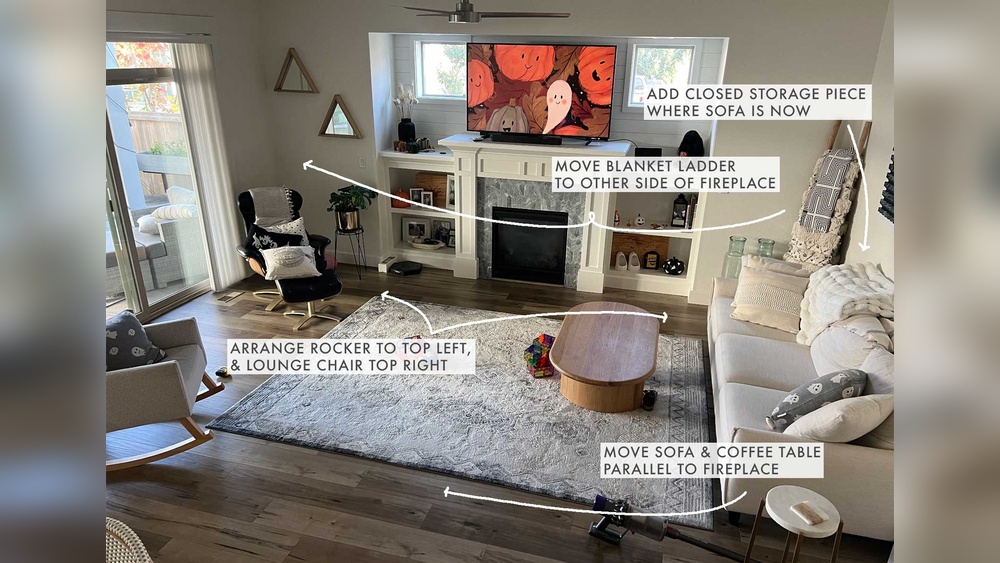
Your living room is the heart of your home—a place to relax, entertain, and create memories. But figuring out how to layout furniture can feel tricky, especially when you want it to look great and work well for your daily life.
You might be asking yourself: Where should the sofa go? How do I make the space feel open and inviting? What about the flow between doorways and windows? In this guide, you’ll discover simple, practical tips to arrange your living room furniture like a pro.
By the end, you’ll know exactly how to create a cozy, balanced, and functional space that fits your style and needs. Ready to transform your living room? Let’s dive in!
Identify Living Room Purpose
Understanding the main purpose of your living room guides your furniture layout. This step ensures the space fits your lifestyle and needs. A clear purpose helps choose the right furniture size and style. It also creates a comfortable flow and harmony in the room.
Think about how you use the living room daily and for special occasions. This way, you can plan a functional and inviting space for everyone.
Consider Daily Activities
Daily activities shape how your living room should be arranged. If you watch TV often, position seating around the screen. For reading or relaxing, create cozy nooks with good lighting. If kids play there, leave open spaces for movement and toys.
Think about your routines. Arrange furniture to support those habits easily. This will make the room practical and enjoyable every day.
Plan For Guests And Entertainment
Hosting guests changes furniture needs in your living room. Plan enough seating for friends and family. Group chairs and sofas to encourage conversation. Leave clear paths for easy movement during gatherings.
Use flexible furniture like ottomans or stools for extra seating. Make space for serving snacks or drinks. This setup keeps guests comfortable and the room inviting.
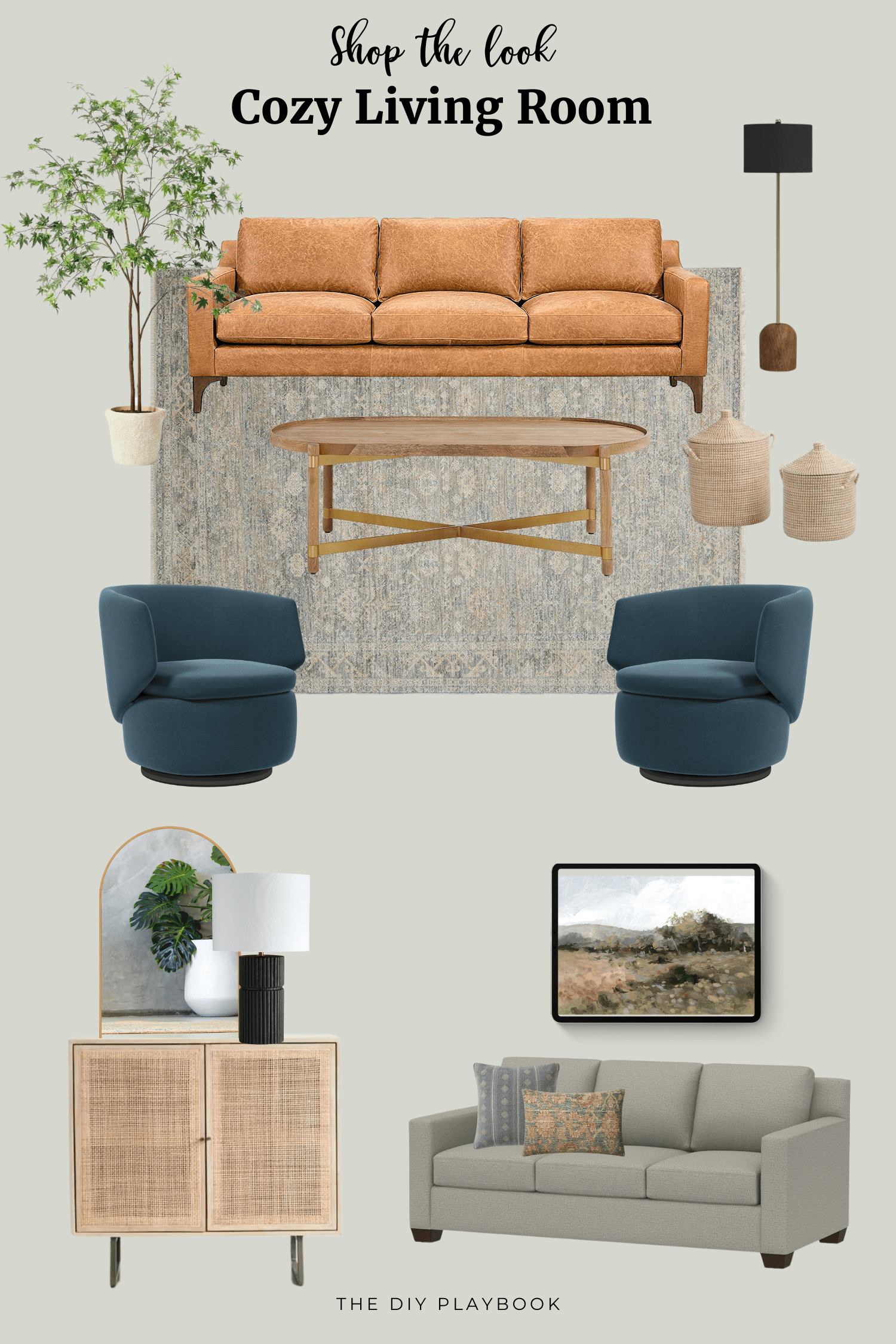
Credit: thediyplaybook.com
Measure Your Space
Measuring your living room is the first step to smart furniture layout. It helps you understand the space you have. Precise measurements prevent overcrowding and wasted space.
Start by gathering a tape measure, paper, and pencil. Write down all important numbers as you go. This process makes arranging furniture easier and more efficient.
Note Wall Dimensions
Measure the length and height of each wall. Write down these numbers clearly. Include any irregularities like built-in shelves or protruding vents. These details affect where furniture can fit.
Check corners carefully. Some rooms are not perfect rectangles. Measure diagonally if needed. This helps you plan for larger pieces like sofas or cabinets.
Account For Doors And Windows
Measure the size and location of all doors and windows. Note how far each one is from the floor and adjacent walls. These areas need clear space for opening and natural light.
Mark which way doors swing open. Avoid placing large furniture that blocks access. Windows also impact furniture placement to keep the room bright and welcoming.
Choose A Focal Point
Choosing a focal point in your living room helps organize furniture and creates a natural flow. It draws attention and makes the space feel inviting. A strong focal point anchors the room and guides how you arrange your seating and decor. This step simplifies decisions about furniture placement and balances the room visually.
Highlight Fireplace Or Tv
The fireplace or TV often acts as the main focal point in many living rooms. Arrange sofas and chairs facing these features to encourage conversation and comfort. Keep clear sight lines to the fireplace or TV to maintain focus. Use rugs or lighting to further emphasize this area. Avoid placing large pieces that block the view or disrupt flow.
Use Artwork Or Architectural Features
Artwork and unique architectural details make excellent focal points. Position seating to highlight these features naturally. Paintings, sculptures, or wall niches draw the eye and add personality. Balance the room by placing furniture around these elements without overcrowding. Use lighting to enhance colors and textures, making the artwork stand out.
Select Key Furniture Pieces
Selecting the right furniture pieces sets the foundation for a well-organized living room. Focus on key items that define the space and support your daily activities. Choose pieces that balance comfort with style and fit your room’s size and shape.
Start With The Sofa
The sofa is usually the largest and most important piece. Place it first to anchor the room’s layout. Choose a sofa that fits the space without crowding it. Position it to face the room’s focal point, such as a fireplace or TV. Make sure there is enough walking space around it. A well-chosen sofa creates a cozy and inviting atmosphere.
Add Chairs And Tables
After the sofa, add chairs to provide extra seating. Arrange them to encourage conversation and easy movement. Use armchairs or accent chairs that complement the sofa style. Include side tables and a coffee table for convenience. These surfaces hold drinks, books, and decorative items. Balance the furniture pieces to keep the room feeling open and comfortable.
Arrange For Comfort And Flow
Arranging furniture for comfort and flow is key to a functional living room. It makes the space inviting and easy to move through. Good layout improves how people interact and relax in the room. Focus on positioning pieces to support both comfort and movement.
Create Conversation Zones
Group seating close enough for easy talking. Arrange sofas and chairs facing each other. Use a rug or coffee table to anchor the space. Keep seats within arm’s reach to encourage chatting. Avoid placing furniture too far apart or too tight. This creates cozy spots for friends and family.
Maintain Clear Pathways
Leave enough space to walk freely between furniture. Aim for at least 2 to 3 feet wide paths. Avoid blocking doorways and windows with bulky pieces. Keep pathways direct to reduce awkward detours. Clear flow helps guests move easily without bumping into furniture. It also makes the room feel more open and calm.
Balance Scale And Proportion
Balance, scale, and proportion shape the comfort and look of your living room. They help create a space that feels just right, not too crowded or too empty. Understanding these concepts guides you in placing furniture that fits well and looks inviting.
Balance means distributing furniture evenly for a stable feeling. Scale is about matching furniture size to the room’s size. Proportion focuses on the size relationship between different furniture pieces. Together, these ideas make your living room functional and beautiful.
Match Furniture Size To Room
Choose furniture that fits your living room size. Large rooms can hold big sofas and chairs. Small rooms need smaller furniture to avoid crowding. Measure your space before buying pieces. Avoid oversized furniture in tight spaces. Keep enough walking room around furniture for comfort. Proper size creates a natural flow in the room.
Use Rugs To Define Areas
Rugs help separate different zones in one room. Use rugs to anchor seating or reading spots. Choose rug size to fit furniture groupings. A rug too small can make the space feel disconnected. Place all front legs of furniture on the rug for balance. Rugs add texture and color, enhancing the overall design. They help scale and proportion feel more intentional in your layout.
Incorporate Multiple Layout Options
Incorporating multiple layout options in your living room creates a flexible and inviting space. Different arrangements change the room’s mood and function. You can try various setups to find what works best for your needs. This approach also helps in making the room feel fresh without new furniture.
Sofa Facing Chairs
Place the sofa directly opposite one or two chairs. This setup encourages conversation and eye contact. It works well for small to medium rooms. Leave enough space between furniture for easy movement. Add a coffee table in the middle to complete the look.
Angled Seating Arrangements
Arrange chairs and sofas at angles rather than straight lines. This style breaks the room’s symmetry and adds interest. Angled seating can create cozy corners and better flow. Use rugs or lighting to define these angled spaces clearly. It suits rooms with unusual shapes or multiple entry points.
Sectional Placement Ideas
Sectionals offer many layout possibilities. Place the sectional in a corner to maximize space. Or float it in the center to divide the room into zones. Use the sectional’s shape to guide traffic flow naturally. Add side tables and lamps for extra comfort and function.
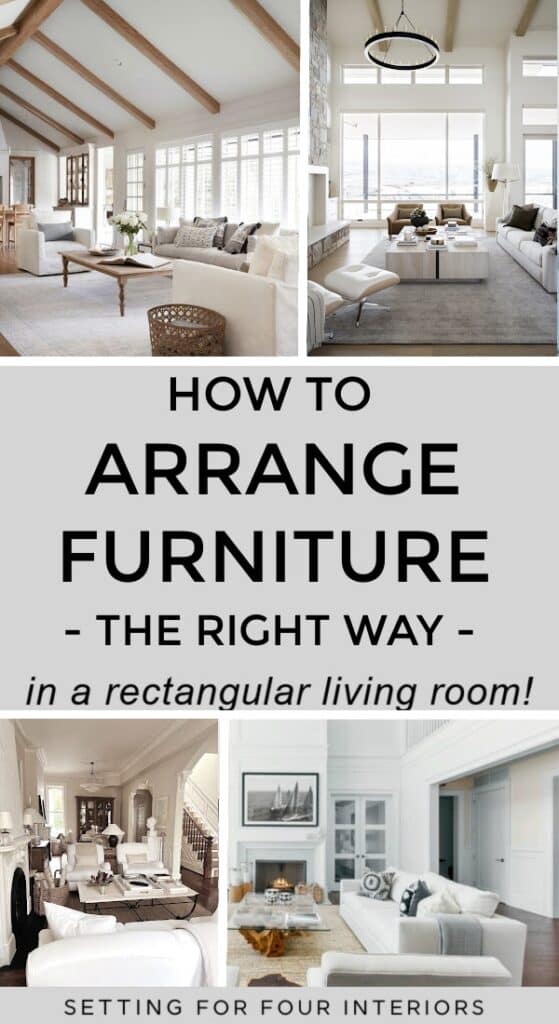
Credit: www.settingforfour.com
Optimize Lighting And Accessories
Optimizing lighting and accessories enhances your living room’s comfort and style. Proper lighting creates a warm, inviting space. Accessories add personality and complete the look. Together, they help highlight your furniture layout and define the room’s mood.
Add Floor And Table Lamps
Floor and table lamps brighten dark corners and balance overhead lights. Place floor lamps near seating areas for reading or relaxing. Table lamps work well on side tables or consoles. Choose lamps with soft, warm bulbs to create a cozy atmosphere. Mix different lamp styles for visual interest and depth.
Include Plants And Art
Plants bring life and color to your living room. Use tall plants to fill empty spaces or small ones on shelves and tables. They improve air quality and add a natural touch. Art on walls adds character and draws attention. Pick pieces that match your room’s colors and style. Rotate art and plants to refresh your room’s look easily.
Adapt Layout For Open Plans
Open plan living rooms offer a spacious, airy feel but challenge furniture arrangement. Without walls to separate spaces, it’s important to create clear, functional zones. Thoughtful layout helps maintain flow and purpose. This makes the room comfortable and inviting.
Define Zones With Furniture
Use furniture to mark different areas in an open plan. A sofa can separate the living area from the dining space. Rugs also help define zones by anchoring furniture pieces. Group seating around a coffee table to create a cozy conversation spot. Use bookshelves or low cabinets as subtle dividers. These elements create visual boundaries without closing off the space.
Consider Traffic Flow
Keep pathways clear for easy movement through the room. Avoid blocking doorways or windows with furniture. Leave at least two to three feet of walking space between pieces. Arrange seating so people can move around without squeezing past. This makes the room feel open and comfortable. Careful placement prevents the space from feeling cluttered or cramped.

Credit: www.youtube.com
Use Technology And Tools
Arranging furniture in your living room can feel tricky without a clear plan. Using technology and simple tools helps you visualize your space before moving heavy items. These resources save time and prevent mistakes. They also make the process fun and interactive. You can test different layouts easily and see what fits best.
Technology offers many user-friendly options for all skill levels. You do not need to be a tech expert to benefit. Paper and pencil remain valuable tools for quick sketches and ideas. Combining both digital and traditional methods gives a complete view of your room’s possibilities.
Try Room Planning Apps
Room planning apps let you create a digital model of your living room. You input room dimensions and add furniture pieces from a catalog. These apps show your layout in 2D or 3D views. You can move items around with simple drag-and-drop actions.
Many apps include features like color selection and style suggestions. Some popular options work on smartphones and computers. They allow you to save multiple designs and compare them. This helps you find the best arrangement for your space and needs.
Sketch Layouts On Paper
Sketching on paper is a quick way to draft furniture layouts. Start by drawing your room’s shape and noting window and door locations. Use simple shapes to represent sofas, tables, and chairs. Cut out paper pieces to move around your sketch easily.
This method helps you see how furniture fits without heavy lifting. It also gives a clear overview of traffic flow and spacing. Paper sketches are great for brainstorming and sharing ideas with family or friends.
Frequently Asked Questions
How Do I Choose The Best Furniture Layout For My Living Room?
Start by determining your living room’s main function. Measure the space and consider doorways and windows. Arrange large pieces first, then add smaller items. Ensure clear pathways for easy movement and balance the furniture for a cohesive look.
What Is The Ideal Furniture Arrangement For Small Living Rooms?
Use multi-functional furniture and keep pieces proportional to the room size. Arrange seating to maximize space, such as a sofa against the wall. Avoid overcrowding by limiting furniture to essentials and maintaining open floor space.
How Can I Improve Flow In My Living Room Layout?
Create clear walkways by spacing furniture to avoid blocking paths. Position seating to face each other to encourage conversation. Keep at least 18 inches between coffee tables and sofas for comfort and easy access.
Where Should I Place My Tv In The Living Room?
Place the TV opposite the main seating area to ensure comfortable viewing. Avoid glare by positioning it away from windows or using curtains. Mount it at eye level when seated for the best experience.
Conclusion
Arranging furniture shapes your living room’s comfort and style. Start by measuring your space carefully. Place big pieces first to set the tone. Keep pathways clear for easy movement. Think about how you use the room daily. Mix different seating options for balance.
Add small tables where needed for convenience. Light and flow matter as much as furniture. Try layouts until the room feels right. With these steps, your living room will be inviting and practical. Enjoy creating a space that suits your lifestyle perfectly.
