Are you wondering if you can store your furniture in an outdoor storage unit? Maybe you’re moving, renovating, or just need extra space.
You want to keep your furniture safe and in good condition, but outdoor units come with their own challenges. Will your couch, table, or wooden chairs survive the weather and pests? You’ll discover the key things to consider before storing your furniture outside.
By the end, you’ll know exactly how to protect your pieces and decide if an outdoor storage unit is the right choice for you. Keep reading to find out what you need to know!
Choosing The Right Outdoor Storage Unit
Choosing the right outdoor storage unit is key to protecting your furniture. The right choice keeps items safe from weather and theft. It also provides enough space and easy access.
Understanding different types and features helps you pick the best unit. Think about size, security, and material. These factors affect how well your furniture stays in good shape.
Types Of Outdoor Storage Units
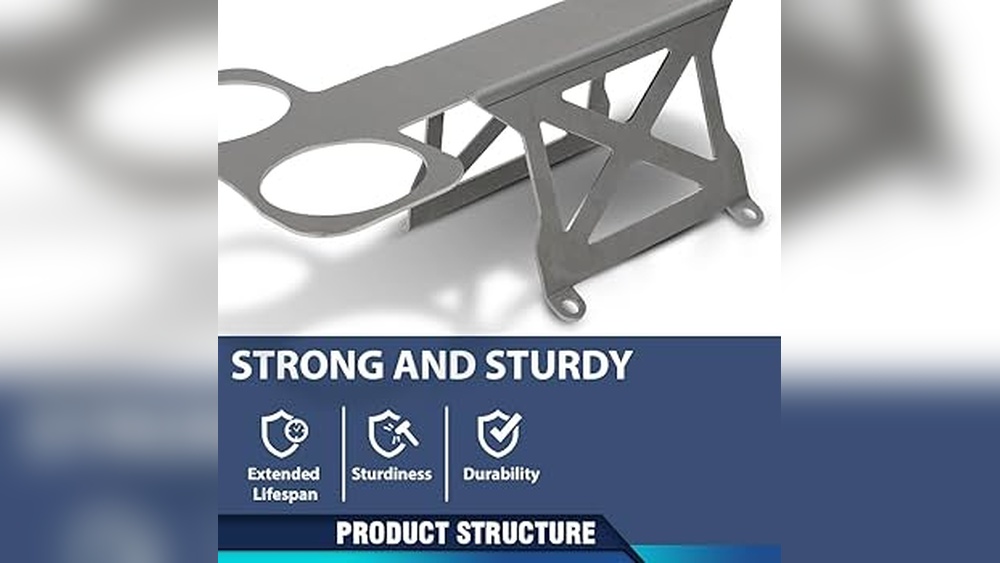
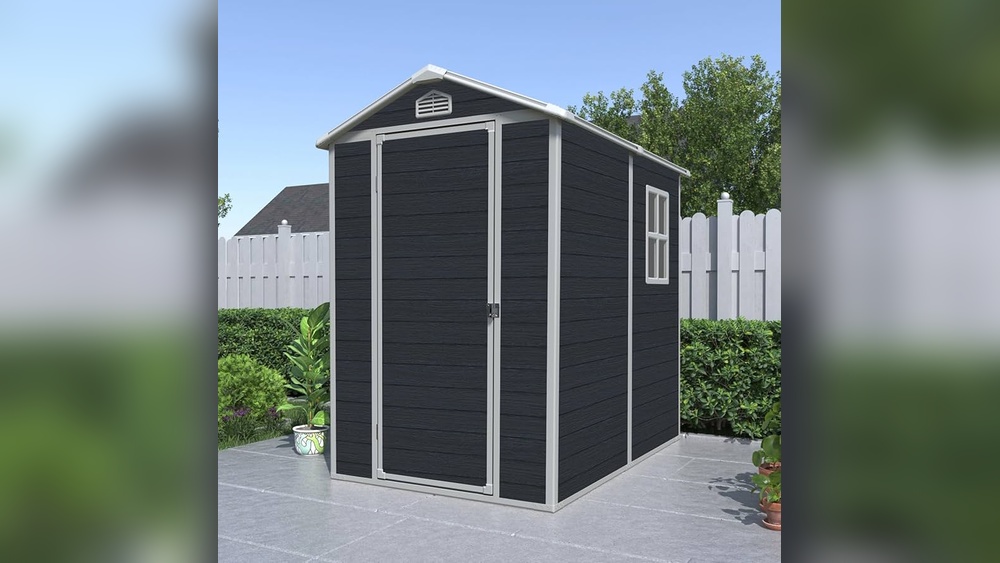
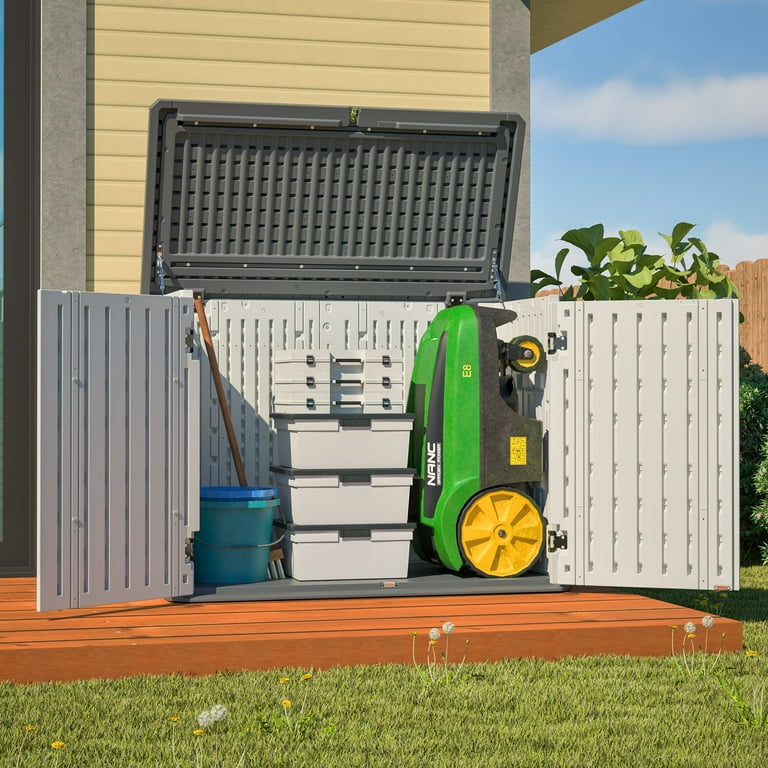
Outdoor storage units come in many forms. Metal containers offer strong protection but can get hot inside. Plastic sheds resist rust and are lightweight. Wood storage units look nice and blend with gardens but need more care. Some units have roofs and walls, while others are open or covered with tarps. Choose a type that fits your climate and furniture needs.
Size And Space Considerations
Measure your furniture before selecting a unit. Leave extra room for moving items around. Overcrowded spaces cause damage and make access hard. Think about future storage needs too. Pick a unit that fits both current and possible items. Tall units help store chairs and tables without stacking.
Security Features To Look For
Security is important for outdoor storage. Look for units with strong locks or options to add your own. Some units have alarms or cameras. Good lighting around the unit helps deter thieves. Choose places with regular staff checks. Solid doors and walls keep out pests and vandals.

Credit: www.amazon.com
Preparing Furniture For Outdoor Storage
Preparing furniture for outdoor storage helps protect it from damage. Proper steps keep your items safe from weather and pests. Taking time to prepare prevents costly repairs later.
Clean, dry, and cover your furniture well. Disassemble large pieces to save space and reduce risk of breakage. These actions make outdoor storage safer and more effective.
Cleaning And Drying Furniture
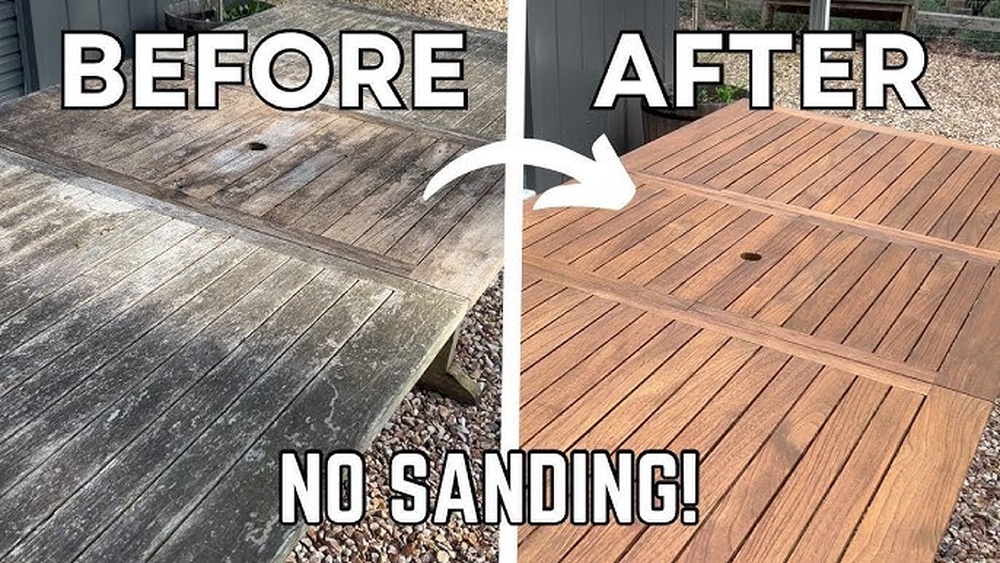
Remove dirt, dust, and stains from all surfaces. Use mild soap and water for cleaning. Avoid harsh chemicals that can damage finishes. Rinse thoroughly and let furniture dry completely. Moisture causes mold and wood warping if not dried well.
Disassembling Large Pieces
Take apart big furniture like tables and beds. Remove legs, cushions, and shelves carefully. Store screws and small parts in labeled bags. Disassembly saves space and protects fragile joints. It also makes moving items easier.
Protective Coverings And Materials
Cover furniture with waterproof tarps or plastic sheeting. Use breathable covers to avoid trapping moisture. Wrap cushions and fabric parts in plastic bags. Place furniture on pallets to keep off the ground. These steps reduce damage from rain, dirt, and pests.
Protecting Furniture From Weather Damage
Storing furniture outdoors needs careful protection from weather damage. Rain, sun, and humidity can ruin wood, metal, and fabric. Taking steps to protect your furniture keeps it safe and in good shape. Proper protection helps avoid costly repairs or replacements.
Waterproofing Techniques
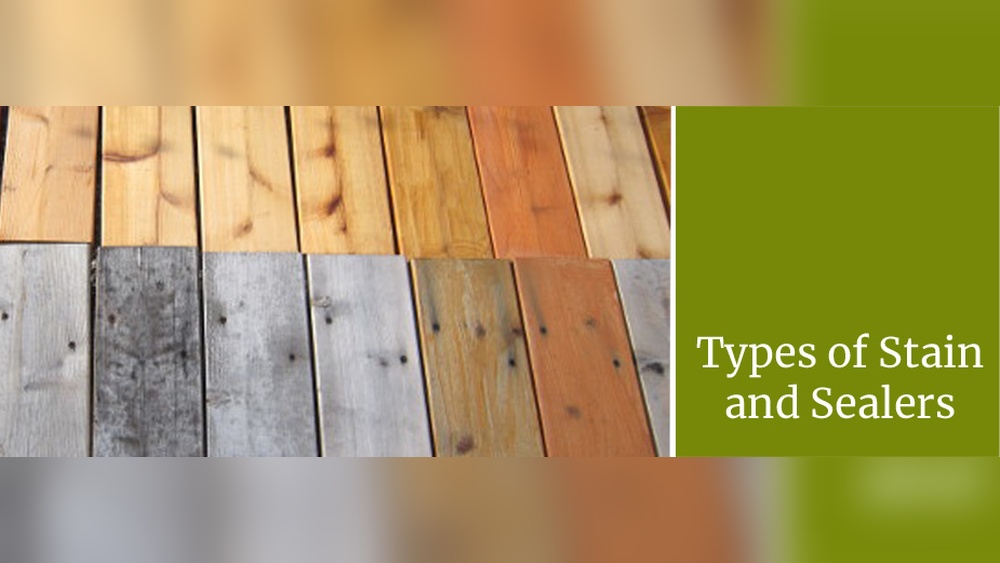
Use waterproof covers made for furniture. These covers block rain and snow effectively. Seal wooden furniture with water-resistant paint or sealant. This prevents water from soaking into the wood. Plastic sheeting works well for short-term protection. Make sure covers fit tightly to keep water out.
Uv Protection Methods
Sunlight can fade and weaken furniture materials. Use UV-protective sprays on fabrics and wood surfaces. Place furniture under a shaded area in the storage unit. UV covers are another option to shield from sunlight. Regularly check for sun damage and reapply protection if needed.
Avoiding Moisture And Mold
Moisture causes mold and mildew on stored furniture. Keep the storage unit dry with a dehumidifier or moisture absorber. Elevate furniture off the ground to allow air circulation. Clean and dry furniture before storing it. Check the unit often to prevent mold growth and remove any dampness immediately.
Organizing And Placing Furniture In The Unit
Organizing and placing furniture in an outdoor storage unit needs careful thought. Proper arrangement keeps your items safe and saves space. Follow simple steps to store your furniture neatly and protect it from damage.
Good organization helps you find items quickly. It also prevents scratches and warping caused by poor stacking or moisture. Let’s explore key tips for setting up furniture inside your unit.
Maximizing Space Efficiently
Start by placing large, sturdy items at the back. Stack lighter furniture on top or in front. Use vertical space by standing sofas or tables on their sides. Remove legs from chairs or tables to save room. Keep pathways clear to access items easily. Use shelves or pallets to separate groups of furniture. This method keeps everything organized and accessible.
Keeping Furniture Off The Ground
Moisture can damage wood and fabric. Raise furniture using pallets, blocks, or risers. This prevents water from seeping into your pieces. Keeping items off the ground also improves airflow. Wrap furniture in breathable covers to protect from dust and dirt. Avoid plastic covers that trap moisture. Elevating furniture extends its life and keeps it clean.
Ventilation And Airflow Tips
Proper airflow prevents mold and mildew growth. Leave space between items to allow air movement. Avoid packing furniture tightly against walls. Use fans or vents if your unit allows. Store items in a way that air circulates freely. Good ventilation protects your furniture from dampness and odors. It keeps your belongings fresh and in good condition.
Regular Maintenance And Checks
Storing furniture in an outdoor storage unit needs regular care. Without proper checks, damage can happen quickly. Routine maintenance keeps your furniture safe and in good shape.
Routine Inspections
Check your furniture often for signs of wear or damage. Look for cracks, rust, or mold. Early detection helps prevent bigger problems. Open the storage unit and inspect all items carefully. Clean dust and dirt to avoid buildup. These small steps keep your furniture lasting longer.
Dealing With Pests
Outdoor units can attract pests like insects or rodents. These pests can chew or stain your furniture. Use natural repellents or traps to keep pests away. Seal any holes or gaps in the storage unit. Keep the area clean to reduce pest attraction. Regular pest control saves your furniture from harm.
Adjusting Storage Methods Seasonally
Weather changes affect outdoor storage conditions. In hot months, use covers to protect from sun damage. During cold or wet seasons, prevent moisture buildup by using moisture absorbers. Move items if needed to reduce exposure to harsh weather. Seasonal adjustments extend the life of your stored furniture.
Credit: www.walmart.com
Alternatives To Outdoor Storage Units
Outdoor storage units may not always suit your furniture needs. Weather and pests can harm your items. Exploring other options can help keep your furniture safe and dry. Choose a storage type that fits your budget and space.
Indoor Storage Options
Indoor storage units provide a controlled environment. They protect furniture from rain, sun, and temperature changes. These units often have better security than outdoor spaces. This helps prevent theft or damage. Many facilities offer different sizes to match your furniture amount.
Renting Portable Storage Containers
Portable storage containers offer flexibility and convenience. Delivered to your home, you pack at your own pace. After loading, the container moves to a storage site. These containers protect furniture from weather and dust. They are a good choice for temporary storage needs.
Using Garage Or Shed Space
Your garage or shed can serve as storage areas. They keep furniture sheltered from rain and sun. Clean the space well before storing your items. Use covers or blankets to protect delicate furniture surfaces. Make sure the area is dry to avoid mold growth.

Credit: chairking.com
Frequently Asked Questions
Can Outdoor Storage Units Protect Furniture From Weather?
Yes, many outdoor storage units are weather-resistant. They typically have sealed doors and roofs to protect furniture from rain, wind, and sun damage. However, some units may not be fully climate-controlled, so using protective covers is advised for delicate items.
Is It Safe To Store Wooden Furniture Outdoors?
Wooden furniture can be stored in outdoor units if properly protected. Use waterproof covers and elevate furniture to avoid moisture damage. Ensure the unit is dry and well-ventilated to prevent mold and warping over time.
How To Prevent Pests In Outdoor Furniture Storage?
To prevent pests, clean furniture before storage and avoid storing food nearby. Use pest repellents and seal gaps in the storage unit. Regularly inspect the unit for signs of insects or rodents to protect your furniture effectively.
Are Climate-controlled Units Better For Storing Furniture?
Climate-controlled units maintain stable temperature and humidity levels. This prevents warping, cracking, and mold growth on sensitive furniture. They are ideal for long-term storage or valuable wooden and upholstered pieces, offering extra protection compared to standard outdoor units.
Conclusion
Storing furniture in an outdoor unit needs careful thought. Protect items from weather and pests. Use covers and pallets to keep furniture dry. Choose a unit with good security and ventilation. Regularly check on your stored pieces. This way, your furniture stays safe and lasts longer.
Outdoor storage can work well if done right. Make smart choices and keep your furniture in good shape.