
Are you tired of your plain PVC outdoor furniture and wondering if you can give it a fresh, new look with a coat of paint? You’re not alone.
Many people want to brighten up their outdoor space without buying new furniture. But can you really paint PVC and expect it to last? You’ll discover simple, effective ways to transform your outdoor furniture, making it look stylish and brand new.
Keep reading, and you’ll learn exactly how to do it right—so your furniture stays beautiful for seasons to come.
Choosing The Right Paint
Choosing the right paint for PVC outdoor furniture is key to a lasting finish. PVC is smooth and non-porous, so regular paint often peels off quickly. You need paint that sticks well and resists weather changes. The right paint also protects your furniture from sun, rain, and dirt. Let’s explore which paints work best and how to avoid common mistakes.
Types Of Paint For Pvc
Not all paints work on PVC. Look for paints made for plastic surfaces. Acrylic paint is popular for PVC because it bonds well and is flexible. Spray paints designed for plastic also provide even coverage. Some paints come with primers included, which help the paint stick better. Avoid oil-based paints; they do not adhere properly and may crack.
Benefits Of Outdoor Paints
Outdoor paints resist fading from sunlight. They also protect against moisture, preventing peeling and bubbling. Many outdoor paints include UV blockers to keep colors bright. These paints are designed to stay strong despite weather changes. Using outdoor paint on PVC furniture extends its life and keeps it looking fresh.
Avoiding Common Paint Mistakes
Do not skip cleaning the furniture before painting. Dirt or oils stop the paint from sticking. Use fine sandpaper to roughen the surface slightly. Paint in thin, even layers to avoid drips. Allow each layer to dry fully before adding the next. Avoid painting in very hot or humid weather. These steps help paint last longer and look smooth.
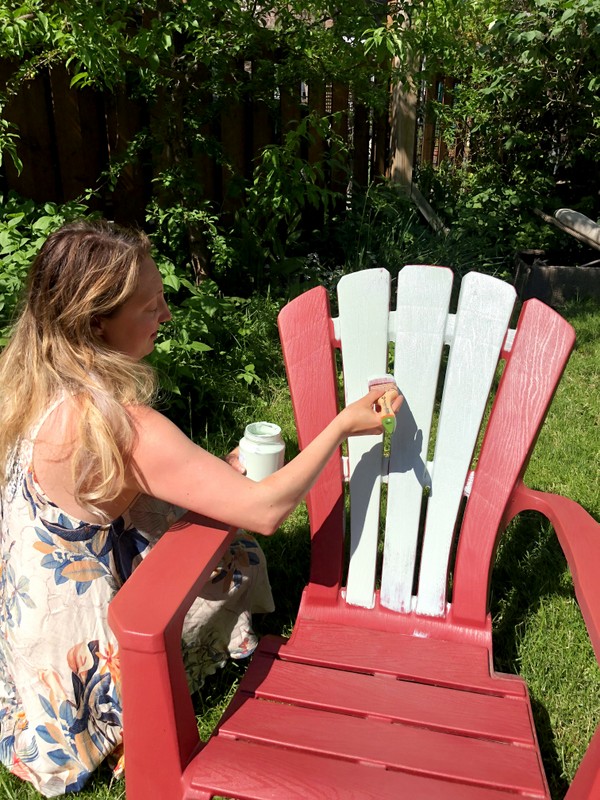
Credit: fusionmineralpaint.com
Preparing Pvc Furniture
Preparing PVC furniture for painting is an important step. It helps the paint stick well and last longer. Skipping preparation can cause paint to peel or chip quickly.
Follow these simple steps to get your PVC furniture ready for a fresh coat of paint. Each step improves the surface for better paint results.
Cleaning And Degreasing
Start by cleaning the furniture with soap and water. Remove dirt, dust, and grime thoroughly. Use a soft cloth or sponge for gentle scrubbing. Rinse well and let it dry completely.
Next, degrease the surface using rubbing alcohol or a special cleaner. This removes oils that block paint from sticking. Wipe the surface with a clean cloth soaked in the degreaser. Allow the furniture to dry fully before moving on.
Sanding For Better Adhesion
Light sanding roughens the smooth PVC surface. Use fine-grit sandpaper, around 220 grit, for this task. Sand gently in circular motions to avoid damage.
Sanding helps the paint grip the plastic better. After sanding, wipe away dust with a damp cloth. Let the furniture dry before painting.
Repairing Surface Imperfections
Check for cracks, holes, or scratches on the furniture. Use a plastic filler or putty made for PVC repairs to fix these spots. Apply the filler smoothly and allow it to dry.
Once dry, sand the repaired areas to blend them with the rest of the surface. Clean off dust before starting to paint. Smooth repairs create a clean, even base for painting.
Priming Your Pvc Furniture
Priming your PVC outdoor furniture is a key step before painting. It helps the paint stick better and last longer. Without priming, paint may peel or fade quickly. This process prepares the surface by creating a strong base. It also prevents moisture from damaging the paint. Taking time to prime ensures a smooth and even finish.
Selecting The Best Primer
Choose a primer made for plastic or PVC surfaces. These primers bond well and stop paint from peeling. Look for products labeled “adhesion primer” or “plastic primer.” Avoid regular primers, as they may not stick properly. A good primer increases paint durability and protects furniture from weather.
Application Techniques
Clean the furniture before priming to remove dirt and oils. Use a mild soap and water, then dry it well. Apply primer in thin, even coats using a brush or spray. Avoid thick layers to prevent drips and uneven texture. Let each coat dry before adding the next one. This creates a smooth, strong surface for painting.
Drying Time Tips
Allow the primer to dry fully before painting. Check the primer label for recommended drying times. Usually, it takes 30 minutes to an hour. Avoid painting too soon to prevent peeling or bubbling. Drying in a warm, dry place speeds up the process. Patience here improves the final look and paint life.

Credit: www.tastefullyeclectic.com
Painting Process
Painting PVC outdoor furniture can refresh its look and protect it from weather. The painting process needs careful steps for the best results. Surface preparation, choosing the right tools, and applying paint properly matter a lot. This guide explains how to paint PVC furniture with ease.
Choosing Brushes Vs. Sprayers
Brushes give more control and are good for small areas. They help reach corners and edges well. Sprayers cover large surfaces faster and create smooth finishes. Sprayers need more practice to avoid paint buildup. Consider the size of the furniture and your comfort with tools before choosing.
Applying Multiple Coats
One coat is not enough for lasting paint. Thin layers dry faster and stick better. Wait at least an hour between coats. Light sanding between coats improves paint grip. Two or three coats give even color and stronger protection.
Avoiding Drips And Streaks
Use thin, even paint layers to prevent drips. Avoid pressing too hard with a brush. Keep the paint moving in smooth strokes. Watch for runs and fix them quickly. Patience and steady hands create a clean, professional look.
Sealing And Protecting
Sealing and protecting painted PVC outdoor furniture is important. It helps the paint last longer and keeps the furniture looking fresh. Outdoor furniture faces sun, rain, and dust. A good sealant acts as a shield. It stops paint from peeling and fading. Proper protection also makes cleaning easier and keeps the furniture strong.
Types Of Sealants
There are several sealants for PVC furniture. Clear acrylic sealants work well and dry fast. Polyurethane sealants offer strong protection but take longer to dry. Water-based sealants are safe and easy to apply. Choose a sealant that matches your paint type. Always pick one made for outdoor use.
Enhancing Durability
Sealants boost the life of painted furniture. They protect from scratches and chips. A good sealant stops moisture from entering the paint. This prevents bubbling and cracking. Apply two thin layers for better coverage. Let each layer dry fully before adding the next.
Weatherproofing Tips
Clean the furniture before sealing. Dirt or grease can stop sealants from sticking. Use a soft cloth and mild soap. Avoid sealing under very hot or cold weather. Paint and seal in dry conditions. Store furniture inside during harsh weather for extra care.
Maintenance For Longevity
Keeping painted PVC outdoor furniture in good shape takes regular care. Proper maintenance helps the paint last longer and keeps your furniture looking fresh. Small efforts can protect your investment from sun, rain, and dirt. Follow simple steps to maintain the beauty and durability of your painted PVC pieces.
Cleaning Painted Pvc Furniture
Use a soft cloth or sponge with mild soap and water. Avoid harsh cleaners that can damage the paint. Rinse with clean water and dry with a towel. Clean regularly to prevent dirt buildup and stains. Gentle cleaning keeps the paint vibrant and intact.
Touch-up Techniques
Check for chips or scratches on the paint. Use matching paint for small touch-ups to prevent rust or damage. Apply paint in thin layers for a smooth finish. Let each layer dry before adding the next. Touch-ups keep your furniture looking new longer.
Seasonal Care Advice
Cover furniture or move it indoors during harsh weather. Avoid direct sunlight for long hours to prevent fading. Store cushions separately to keep them dry and clean. Seasonal care reduces wear and tear caused by weather changes.
Troubleshooting Common Issues
Painting PVC outdoor furniture can refresh its look and protect it. Still, some common problems may appear. Knowing how to fix these issues helps keep your furniture looking great for longer. Here are some common problems and ways to handle them.
Peeling And Chipping Paint
Peeling and chipping happen when paint does not stick well to PVC. This often occurs if the surface was not cleaned or sanded properly before painting. To fix this, remove all loose paint with a scraper or sandpaper. Clean the surface with soap and water. Let it dry completely. Use a primer made for plastic before painting again. Thin coats of paint help prevent peeling.
Fading Colors
Sunlight can cause paint colors to fade over time. This makes furniture look old and dull. To reduce fading, choose paint designed for outdoor use and UV protection. Applying a clear sealant can also protect colors. Repaint your furniture every couple of years to keep it bright and fresh.
Dealing With Mold And Mildew
Mold and mildew grow on PVC furniture in damp places. They cause dark spots and can damage paint. Clean the furniture with a mixture of water and mild bleach or vinegar. Use a soft brush to scrub gently. Rinse well and dry completely. Keep furniture in a well-ventilated area to prevent mold from returning.

Credit: thevanderveenhouse.com
Frequently Asked Questions
Can You Paint Pvc Outdoor Furniture Safely?
Yes, you can paint PVC outdoor furniture safely. Use a primer designed for plastic surfaces first. Then apply a high-quality spray paint made for outdoor plastic. This ensures good adhesion and durability.
What Type Of Paint Works Best On Pvc Furniture?
Acrylic spray paint or paint designed for plastic works best. Always use a primer before painting. This combination helps the paint stick and resist outdoor weather conditions.
How Do You Prepare Pvc Furniture For Painting?
Clean the furniture thoroughly with soap and water. Lightly sand the surface to create texture for paint adhesion. Wipe away dust before applying primer and paint.
Will Painted Pvc Furniture Withstand Outdoor Weather?
Yes, if you use outdoor-grade paint and primer. Proper surface prep and sealing help the paint resist sun, rain, and temperature changes. Reapply paint as needed to maintain protection.
Conclusion
Painting PVC outdoor furniture can give it a fresh new look. Use the right paint and prepare the surface well. This helps the paint stick and last longer. Choose a paint made for plastic or PVC materials. Take your time and apply paint evenly.
Let each coat dry before adding the next. With proper care, your furniture will stay beautiful outside. Painting PVC furniture is simple and worth trying. You can enjoy updated outdoor pieces without buying new ones.


