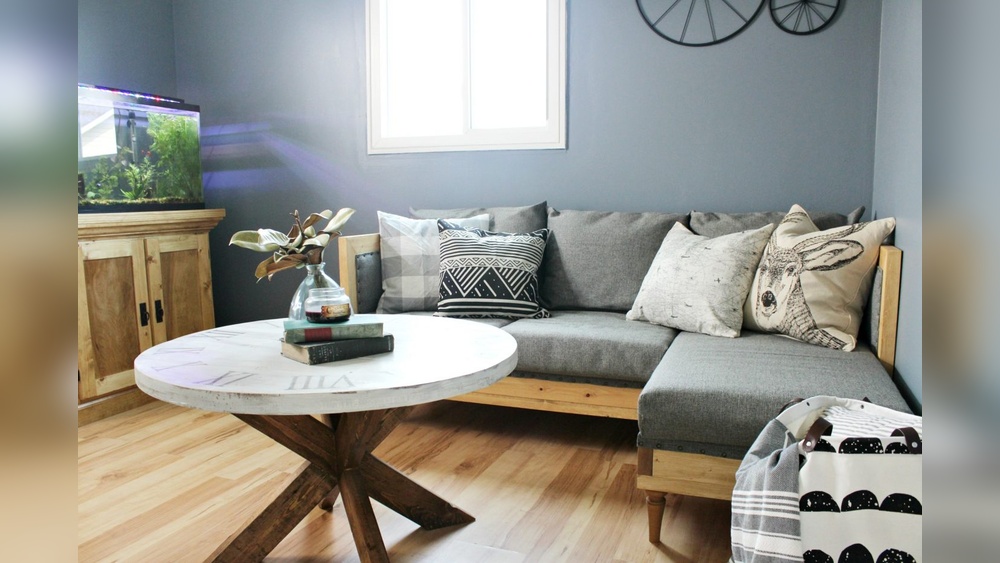
Are you ready to transform your living room without breaking the bank? Creating your own living room furniture lets you add a personal touch that perfectly fits your style and space.
Imagine relaxing on a sofa you built yourself or showing off a coffee table crafted with your own hands. Not only will you save money, but you’ll also enjoy the pride that comes with DIY success. You’ll discover simple, step-by-step ideas to help you design and build beautiful, functional pieces that make your living room truly yours.
Keep reading to unlock easy tips and creative inspiration for your next DIY furniture project!
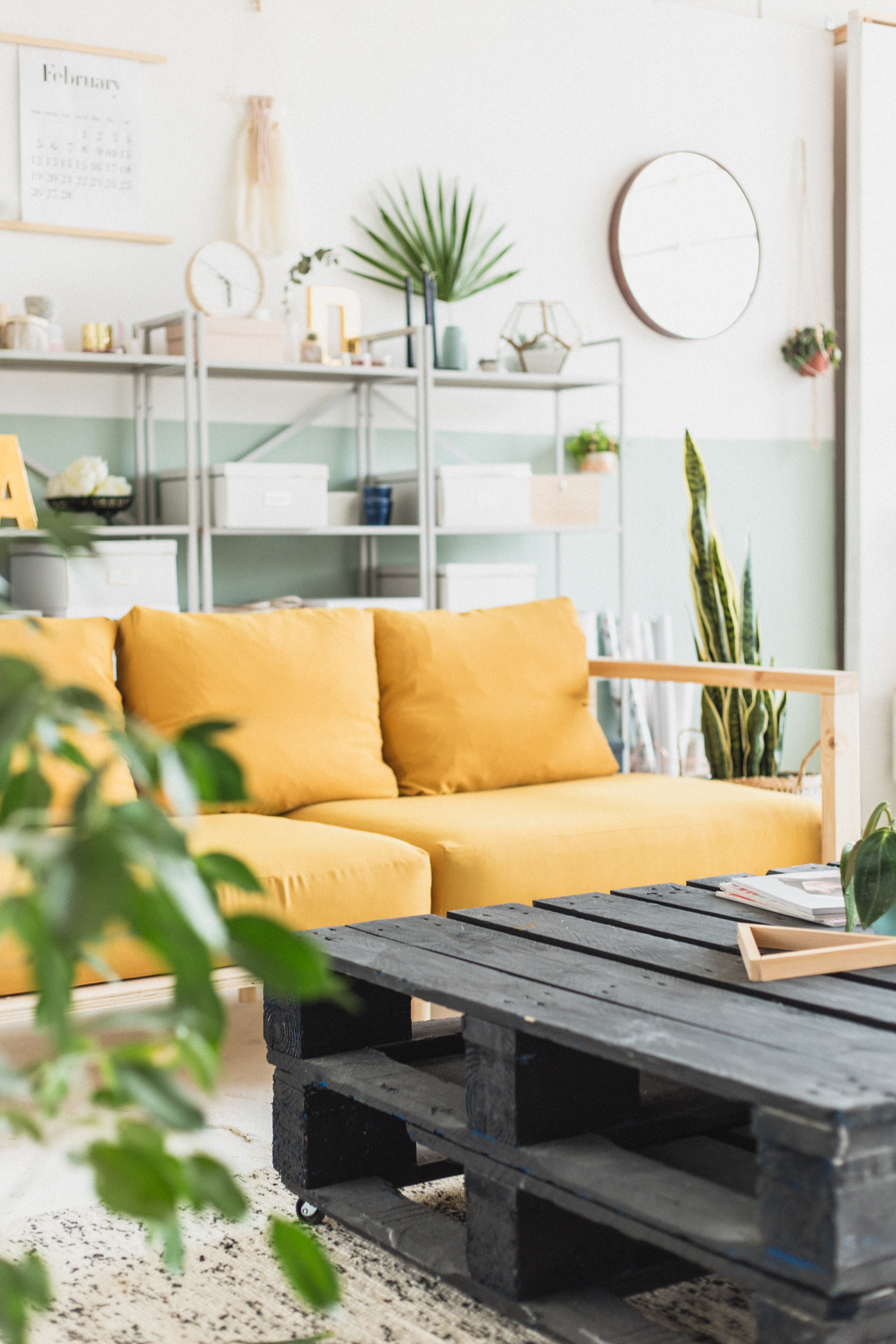
Credit: fallfordiy.com
Easy Diy Furniture Projects
Easy DIY furniture projects bring charm and function to your living room. These projects fit beginners and need simple tools and materials. Build pieces that match your style and space without spending much.
Start small to gain confidence. Choose projects with clear steps and few parts. This helps avoid frustration and keeps the process fun. Ready to create? Explore these easy DIY furniture ideas.
Shelving Units For Beginners
Shelving units offer storage and display space. Use wood planks and brackets for a simple design. Cut wood to size, sand edges, and attach brackets to the wall. Paint or stain to match your room’s look. Shelves help organize books, decor, and more.
Building Benches And Side Tables
Benches and side tables add seating and surface area. Choose sturdy wood like pine or oak. Cut pieces for the top, legs, and supports. Join parts with screws or nails. Sand smooth and finish with paint or varnish. These pieces fit small corners and provide extra function.
Creating Plant Stands
Plant stands lift greenery off the floor and brighten rooms. Use wooden dowels or planks for the frame. Assemble a base and supports for pots. Keep designs open for airflow and light. Paint stands in colors that highlight your plants. Plant stands add life and style easily.

Credit: www.youtube.com
Diy Sofas And Seating
Building your own sofa and seating for the living room brings a personal touch to your space. It saves money and allows full control over design and comfort. DIY sofas can fit perfectly with your style and room size. Crafting your seating means choosing every detail, from frame to fabric. This section guides you through basic sofa construction, selecting upholstery, and avoiding common pitfalls.
Step-by-step Sofa Construction
Start by planning the sofa size and shape to fit your room. Use sturdy wood like pine or oak for the frame. Cut the wood pieces accurately to ensure a tight fit. Assemble the frame with screws and wood glue for extra strength. Add support with cross braces under the seat area. Attach springs or webbing for seat support and comfort. Add foam padding to the seat and back, choosing thickness for your comfort. Wrap the foam with batting to smooth edges. Finally, cover the sofa with your chosen fabric and staple it tightly to the frame.
Choosing The Right Upholstery
Select fabric that suits your lifestyle and room style. Durable fabrics like cotton blends or microfiber work well for busy homes. Light colors brighten rooms but show stains easily. Darker fabrics hide dirt but can make rooms feel smaller. Consider texture and pattern to add visual interest. Test fabric samples in natural light to see true colors. Choose upholstery that cleans easily for longer sofa life. Remember, comfort and durability matter most for seating fabric.
Avoiding Common Sofa Mistakes
Measure your space carefully before building to avoid sizing errors. Use quality wood and hardware to prevent frame failure. Do not skimp on padding; thin foam feels uncomfortable fast. Avoid fabric that is hard to clean or wears quickly. Staple fabric evenly to avoid wrinkles and loose spots. Skip rushing; take time to check each step. Plan for extra materials to fix unexpected issues. These tips keep your DIY sofa strong and beautiful for years.
Tables And Storage Solutions
Tables and storage pieces form the heart of any living room. They provide surfaces for daily use and keep your space tidy. Building your own furniture lets you match your style and needs perfectly. Creating these pieces can be simple and rewarding.
Crafting Coffee Tables
Start with a sturdy base using wood or metal. Choose a size that fits your room well. Adding shelves or drawers boosts storage space. Sand and finish the surface for a smooth touch. Customize with paint or stain to match your decor. A handcrafted coffee table becomes a central spot for gatherings.
Designing End And Sofa Tables
End and sofa tables offer easy reach for drinks and lamps. Use compact designs to fit small spaces. Incorporate shelves or cubbies for books and remotes. Simple shapes work well for beginners. Use recycled wood or pallets to save money. These tables add function without crowding your room.
Building Media Cabinets
Media cabinets organize electronics and hide cables. Design shelves to hold your TV, game consoles, and speakers. Include doors or sliding panels to keep dust away. Choose sturdy materials to support heavy equipment. Add ventilation holes to prevent overheating. A custom media cabinet keeps your living room neat and stylish.

Credit: www.youtube.com
Decor And Accent Pieces
Decor and accent pieces transform your living room. They add personality and style without large expenses. Simple touches can make your space cozy and unique. Creating your own decor gives satisfaction and fits your taste perfectly.
Hanging Art Galleries
Create a gallery wall with your favorite art and photos. Use frames of different sizes and colors for interest. Arrange them on the floor first to find the best layout. Hang them with nails or removable hooks to avoid wall damage. This DIY project adds color and tells your story.
Building Faux Fireplaces
Build a faux fireplace to bring warmth without real fire. Use wood or foam boards to create the frame. Paint it to match your room’s style. Add candles or string lights inside for a cozy glow. This piece acts as a centerpiece and adds charm to the room.
Upcycling Old Furniture
Give old furniture a new life with simple upgrades. Sand and paint chairs or tables in fresh colors. Add new knobs or fabric to dress up drawers and cabinets. This saves money and reduces waste. Upcycled pieces add character and a personal touch to your living room.
Furniture Layout Tips
Arranging furniture in your living room shapes the entire space’s feel and use. Proper layout improves comfort, flow, and style. These tips help you design a balanced and functional room. Whether your space is large or small, thoughtful placement makes a big difference.
Maximizing Small Living Spaces
Small rooms need smart furniture choices and layouts. Use pieces that serve more than one purpose, like ottomans with storage. Place furniture close to walls to open central space. Avoid clutter by choosing slim or leggy furniture. Light colors and mirrors also create a sense of space.
Balancing Function And Style
Choose furniture that fits your lifestyle and looks good. Mix comfort with design by picking cozy sofas and stylish tables. Keep the color palette consistent for harmony. Add personal touches with cushions or throws. Balance large pieces with smaller ones to avoid crowding.
Arranging For Comfort And Flow
Arrange seating to encourage conversation and easy movement. Leave enough space between furniture for walking paths. Position chairs and sofas facing each other or a focal point like a TV. Use rugs to define seating areas. Keep lighting even to enhance comfort and mood.
Materials And Tools
Choosing the right materials and tools shapes the success of any DIY living room furniture project. Durable materials ensure your pieces last. Proper tools make building easier and safer. Planning ahead saves time and money.
Selecting Durable Materials
Wood is a popular choice for living room furniture. Hardwoods like oak and maple offer strength and beauty. Softwoods such as pine are easier to work with and cost less. Consider plywood for hidden parts; it resists warping well. For cushions, use high-density foam for comfort and durability. Choose fabric that resists stains and fading. Check for finishes that protect wood surfaces against scratches and spills.
Essential Tools For Diy Furniture
Basic hand tools include a hammer, screwdrivers, and measuring tape. Power tools like a drill and jigsaw speed up cutting and assembly. A sander smooths wood edges and surfaces. Clamps hold pieces steady while glue dries. Safety gear such as gloves and goggles protects your hands and eyes. Having a square helps keep angles exact. These tools cover most furniture projects.
Sourcing Affordable Supplies
Local hardware stores often offer competitive prices on wood and tools. Check for sales and bulk discounts. Reclaimed wood from old furniture or pallets can be cheap and eco-friendly. Online marketplaces may have leftover materials at reduced costs. Visit thrift shops for fabric, cushions, and hardware. Community workshops sometimes provide tool rentals to save money. Always compare prices before buying to get the best deal.
Sustainable Diy Ideas
Sustainable DIY ideas offer a smart way to create living room furniture. These ideas reduce waste and save money. You can build stylish pieces while caring for the planet. Using materials you already have or find helps lower your carbon footprint.
Simple changes in how you finish your furniture can make a big eco-friendly difference. Repurposing old finds gives new life to items that might be thrown away. This approach keeps your living room unique and green.
Using Recycled Materials
Recycled wood, metal, and glass work well for DIY furniture. These materials come from old buildings, pallets, or broken furniture. They are often free or low cost. Using recycled materials cuts down on new resource use. It also adds character and history to your pieces.
Eco-friendly Finishing Techniques
Choose natural oils, beeswax, or water-based paints. These finishes avoid harmful chemicals. They keep your indoor air clean and safe. Eco-friendly finishes last long and enhance wood grain. Applying them is easy and quick for any skill level.
Repurposing Thrift Store Finds
Thrift stores hold many hidden gems for furniture projects. Chairs, tables, and cabinets can be refreshed with paint or new upholstery. Repurposing saves items from landfills. It also gives you a chance to customize pieces to your taste. This method is budget-friendly and sustainable.
Frequently Asked Questions
What Is The 2/3 Rule For Living Rooms?
The 2/3 rule for living rooms suggests arranging furniture so two-thirds of the space remains open. This creates balance and improves flow. It helps avoid clutter and makes the room feel spacious and inviting. Use this rule to position seating, tables, and rugs effectively.
What Is The Easiest Diy Furniture?
The easiest DIY furniture includes simple shelving units, benches, side tables, and plant stands. They require basic tools and minimal skills.
What Are The Common Mistakes In Diy Couches?
Common DIY couch mistakes include using wrong materials, poor frame construction, uneven cushioning, improper measurements, and weak upholstery techniques.
Is It Worth It To Diy Furniture?
DIY furniture saves money, allows customization, and offers personal satisfaction. It suits those with time, skills, and patience for quality results.
Conclusion
Creating your own living room furniture brings pride and savings. Simple tools and basic skills can achieve great results. Choose projects that match your comfort level and space needs. Personal touches make your furniture unique and meaningful. Enjoy the process of building and customizing your pieces.
Your living room will reflect your style and effort. Start small, learn along the way, and have fun. DIY furniture adds charm and character to any home.
