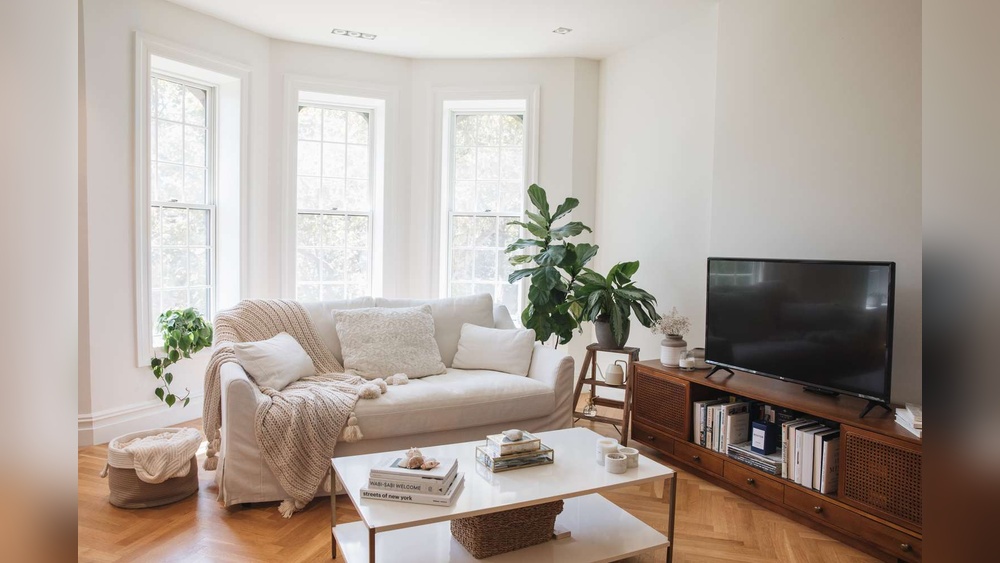
Are you ready to transform your living room into a space that feels both comfortable and stylish? How you set up your furniture can make all the difference—not just in how the room looks, but in how it functions for you and your family.
Whether you want a cozy spot for movie nights, a welcoming area for guests, or a layout that maximizes space, this guide will help you arrange your furniture with ease and confidence. Keep reading to discover simple, practical tips that will make your living room inviting and perfectly balanced for your lifestyle.
Function First
Setting up furniture in your living room starts with focusing on function first. The room must serve its main purpose well. Planning around how you use the space helps create a comfortable and practical layout.
Every piece of furniture should support the activities you do most. This approach makes the room feel natural and easy to use. It also avoids clutter and wasted space.
Identify Primary Use
Decide what the living room is mainly for. Is it for watching TV, reading, or socializing? Knowing this helps pick the right furniture. For example, a large sofa suits TV watching. A few chairs work better for talking with guests. Choose pieces that fit your main activity well.
Plan For Activities
Think about all the tasks you do in the living room. Include daily habits like relaxing, playing games, or working on a laptop. Arrange furniture to make these easy. Leave space for moving around freely. Make sure seating faces focal points like the TV or fireplace. Add side tables near chairs for drinks or books. This keeps the room functional and inviting.
Room Layouts
Choosing the right room layout shapes your living room’s comfort and style. Thoughtful furniture placement creates a welcoming space for relaxing and socializing. A clear layout guides movement and highlights key pieces.
Different layouts suit different room sizes and lifestyles. Understanding common layout styles helps you arrange furniture that fits your needs and space.
Traditional Arrangements
Traditional layouts place furniture facing each other or a focal point. Sofas and chairs form a conversation area around a fireplace or TV. This setup encourages interaction and balance.
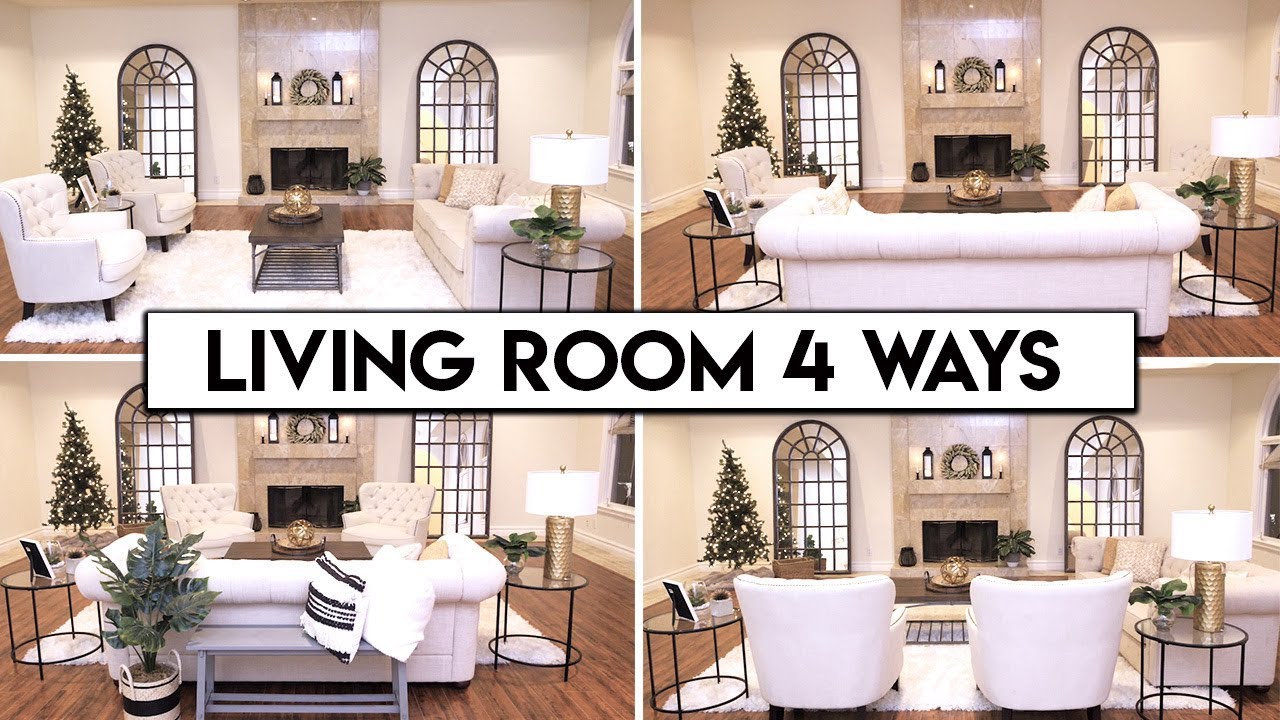
Arrange the sofa along the longest wall. Position chairs opposite or adjacent to create a cozy circle. Use a coffee table in the center for convenience.
Open Plan Solutions
Open plan living rooms combine multiple functions in one space. Furniture defines areas without walls. Choose low or backless pieces to keep sightlines clear.
Arrange seating to separate the living area from dining or kitchen zones. Rugs help mark distinct spaces. Keep pathways wide for easy flow.
Zoning With Furniture
Use furniture to create zones in larger or open rooms. A sofa can divide the living space from a workspace or play area. Shelves or cabinets act as room dividers.
Place seating groups near windows or focal points. Use different styles or colors to separate zones visually. This method maximizes function while maintaining style.
Balance And Scale
Balance and scale are key to arranging furniture well in your living room. They help the space feel comfortable and inviting. Proper balance avoids a crowded or empty look. Scale ensures furniture fits the room size and each piece fits well with others.
Good balance and scale make moving around easier. They create a natural flow and improve the room’s overall look. Use simple rules to achieve this harmony.
Two-thirds Rule For Sofa Placement
The two-thirds rule suggests placing the sofa to cover about two-thirds of the wall length. This rule helps the sofa feel well-sized and not too small or large for the space.
It creates a strong focal point and leaves room for other pieces. The remaining one-third of the wall can hold smaller furniture or decorations. This balance makes the room look planned and neat.
Balancing Large And Small Pieces
Large furniture should pair with smaller items to balance the room’s visual weight. For example, a big sofa can be balanced with two smaller chairs or a few accent tables.
This mix prevents the room from feeling heavy on one side. Spread out the pieces so no corner feels empty or overcrowded. Balanced furniture encourages better conversation and use of space.
Matching Coffee Table Size
The coffee table should be about two-thirds the length of the sofa. This size complements the sofa and fits the seating area without crowding.
A table that is too big can block movement. A table that is too small looks lost. The right size helps keep the space functional and attractive.

Credit: stylebyemilyhenderson.com
Flow And Movement
Flow and movement in your living room create a welcoming and comfortable space. Proper furniture arrangement helps people move easily without feeling cramped. It guides guests naturally through the room. A good flow avoids awkward stops and tight spots. This section covers how to set up furniture for smooth movement.
Clear Walkways
Keep paths wide enough for easy walking. Leave at least 2 to 3 feet of space between furniture pieces. Avoid blocking doors and windows with bulky items. Clear walkways make the room feel open and inviting. They reduce the risk of bumping into furniture.
Avoiding Clutter
Remove unnecessary items from the living room floor. Limit the number of small tables and chairs. Too many pieces can block movement and create a crowded look. Choose furniture with built-in storage to keep clutter out of sight. A tidy room improves flow and feels more spacious.
Natural Traffic Paths
Arrange furniture to follow the natural way people walk through the room. Place sofas and chairs to frame these paths, not block them. Use rugs and lighting to highlight these routes. This setup helps guests move easily from one area to another. It also creates zones for sitting, chatting, and relaxing.
Mixing Styles And Textures
Mixing styles and textures breathes life into your living room. It creates a space that feels unique and inviting. Combining various elements adds depth and personality. The key is to balance different patterns, eras, colors, and materials. This approach avoids a flat or boring look. Instead, it builds a warm, layered environment where every piece tells a story.
Incorporate Multiple Patterns
Use at least three different patterns for visual interest. Combine stripes, florals, or geometric shapes. Keep a common color running through all patterns. This unifies the look and avoids chaos. Mix large and small scale patterns for balance. For example, pair a large floral rug with small striped pillows. Patterns add energy and draw attention to key areas.
Blend Different Design Eras
Mix furniture from various design periods to add character. Pair a mid-century modern sofa with a vintage coffee table. Combine classic chairs with contemporary lighting. This contrast creates a fresh, timeless vibe. Avoid matching everything perfectly. Let each piece show its own story. Blending eras makes your living room feel curated and personal.
Use Varied Colors And Textures
Choose at least five colors or textures to enrich the space. Combine soft fabrics like velvet with rough materials like wood. Mix shiny metals with matte finishes for contrast. Use warm and cool tones to balance the mood. Textures invite touch and create comfort. Color variety keeps the room lively and welcoming. This mix creates a dynamic and cozy atmosphere.
Credit: www.youtube.com
Measuring And Planning
Measuring and planning are the first steps to setting up furniture in your living room. Without proper measurements, you risk buying pieces that do not fit or look out of place. Careful planning ensures your space feels balanced and comfortable. It helps avoid clutter and makes your living room inviting.
Measure Space Accurately
Use a tape measure to get exact room dimensions. Measure the length and width of the living room. Note doorways, windows, and heating vents that affect furniture placement. Mark these measurements on paper or use a digital tool. Accurate measurements prevent buying oversized or undersized furniture.
Check Furniture Dimensions
Write down the size of each furniture piece you want to add. Include height, width, and depth. Compare these with your room measurements. This step helps you see if the furniture will fit comfortably. Also, check the space needed for movement around the furniture. Avoid tight spaces that block walking paths.
Consider Scale And Proportion
Choose furniture that matches your room size. Large rooms can hold bigger sofas and chairs. Small rooms need compact pieces to avoid crowding. Use the two-thirds rule: a sofa should be about two-thirds the length of the wall it sits against. Balance large items with smaller ones like side tables or accent chairs. Proper scale creates a pleasing and functional layout.
Accessory Placement
Accessory placement shapes the room’s personality. It adds style and warmth to the living space. Thoughtful arrangement of accessories brings harmony and balance. Small details like artwork, rugs, and lighting make a big impact.
Proper placement enhances comfort and visual flow. Each accessory needs a purposeful spot. Size, color, and function guide the choices. Let’s explore key tips for accessory placement in your living room.
Artwork Sizing And Positioning
Choose artwork that fits the wall space well. Use the two-thirds rule to select the right size. Artwork should be about two-thirds the width of the sofa or wall. Hang it at eye level for easy viewing.
Center the art above furniture for balance. Keep the bottom edge 6 to 12 inches above the furniture top. Avoid placing art too high or too low. Group smaller pieces in clusters to create visual interest.
Layering Rugs And Curtains
Layer rugs for texture and warmth. Place a larger rug under the main furniture. Add a smaller rug on top to highlight an area.
Choose curtains that frame windows without overwhelming them. Use light fabrics for a soft look. Ensure curtains touch the floor for elegance. Match rug and curtain colors with the room palette for harmony.
Strategic Lighting Choices
Mix different light sources for a cozy atmosphere. Use table lamps, floor lamps, and overhead lights together. Position lamps near seating for reading comfort. Choose warm light bulbs to create a welcoming glow.
Highlight artwork or plants with spotlights. Dimmer switches allow you to adjust light levels. Good lighting enhances the room’s mood and functionality.
:strip_icc()/living-room-large-area-rug-bcf9729c-14f549116b444f129b52258baf998392.jpg)
Credit: www.bhg.com
Comfort And Practicality
Creating a living room that feels both comfortable and practical is key. This space must invite relaxation and serve everyday needs well. Thoughtful furniture setup can achieve this balance.
Comfort encourages people to stay longer and enjoy the space. Practicality ensures the room works smoothly for daily activities. Both aspects are essential for a well-designed living room.
Seating Comfort Tips
Choose sofas and chairs with good support and soft cushions. Seat depth should suit all users to avoid discomfort. Add throw pillows for extra coziness and style. Arrange seating to allow easy conversation and clear sightlines. Avoid overcrowding to keep the space inviting and breathable.
Functional Storage Solutions
Select furniture with built-in storage like ottomans or coffee tables. Use shelves and cabinets to keep clutter out of sight. Store items used daily within easy reach. Keep decorative storage boxes for small objects. This keeps the living room tidy and usable.
Durable Materials
Pick materials that withstand wear and tear, such as leather or tightly woven fabrics. Choose stain-resistant options if you have children or pets. Solid wood or metal frames add strength and longevity. Durable materials reduce maintenance and replacement costs. This choice supports both comfort and practicality over time.
Frequently Asked Questions
What Is The 2 3 Rule For Sofas?
The 2-3 rule for sofas suggests a sofa should be about two-thirds the length of the wall for visual balance. Balance the remaining third with smaller furniture or decor. This creates a harmonious, well-proportioned living space that feels intentional and uncluttered.
What Is The 3 4 5 Rule In Interior Design?
The 3-4-5 rule in interior design advises using at least three patterns, four styles, and five colors or textures. This creates a balanced, layered, and visually appealing space. It encourages mixing elements to add depth, variety, and personal style without clutter.
What Are The Four Rules In Furniture Arrangement?
The four rules of furniture arrangement are: define the room’s function, create balanced groupings, ensure clear traffic flow, and maintain proper scale and proportion.
Is There An App That Helps You Rearrange Furniture?
Yes, apps like Roomstyler and Planner 5D help you rearrange furniture easily using 3D room layouts.
Conclusion
Setting up living room furniture takes planning and balance. Focus on the room’s purpose first. Arrange pieces to allow easy movement and natural flow. Use the two-thirds rule for sofa and coffee table size. Mix patterns, colors, and styles to add interest.
Measure your space before buying new furniture. Keep the layout comfortable and inviting for all. Small changes can make a big difference. Enjoy creating a space that feels just right for you.
