Have you ever left your outdoor furniture out during winter and wondered if the snow is slowly ruining it? You’re not alone.
Snow can be beautiful to look at, but it can cause real damage to your patio chairs, tables, and cushions. If you want to protect your investment and keep your outdoor space looking great year after year, understanding how snow affects your furniture is key.
Keep reading to discover what snow does to different materials and simple steps you can take to prevent costly damage. Your outdoor furniture deserves care, and you’re about to learn exactly how to give it just that.
Impact Of Snow On Furniture Materials
Snow can affect outdoor furniture in many ways. Different materials react differently to cold and moisture. Understanding these effects helps protect your furniture better. Some materials are more vulnerable than others. Knowing the risks helps you plan maintenance and storage.
Effects On Wood
Wood absorbs moisture from snow and ice. This causes swelling and warping. Over time, wood can crack or rot. Snow also removes protective finishes. Untreated wood suffers the most damage. Regular sealing helps keep wood safe.
Effects On Metal
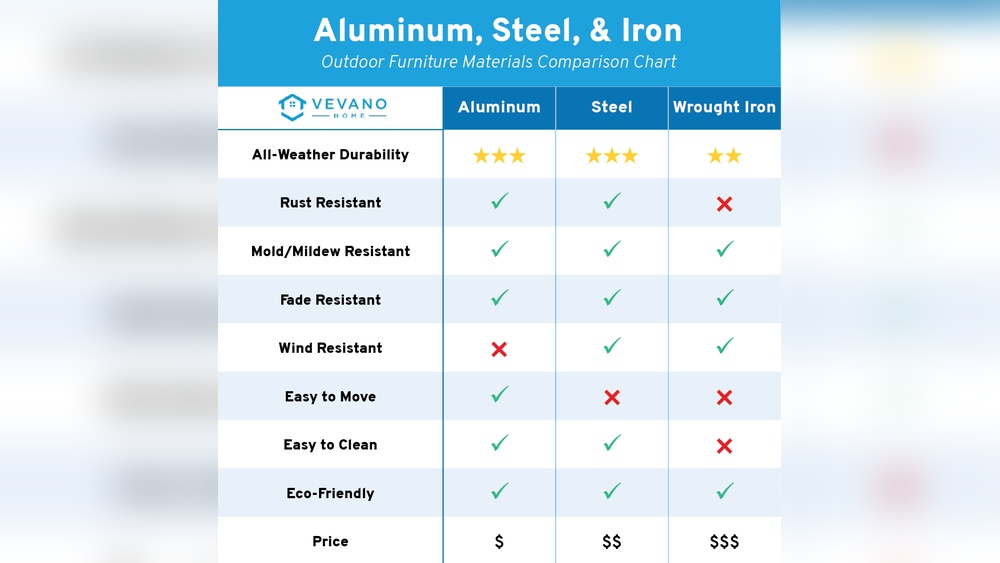
Metal furniture faces rust and corrosion. Snow and moisture speed up this process. Iron and steel are most at risk. Aluminum resists rust better but can still corrode. Paint or coating slows down damage.
Effects On Fabric And Cushions
Snow soaks fabric and cushions quickly. Wet cushions take long to dry. This leads to mold and mildew growth. Fabrics may fade or weaken over time. Using waterproof covers protects these materials well.
Effects On Plastic And Resin
Plastic and resin handle snow better than wood or metal. Cold temperatures can make plastic brittle. Cracks may appear after freezing and thawing cycles. Resin may fade under UV light but resists moisture well.
Common Damage Signs From Snow Exposure
Snow can harm outdoor furniture in many ways. It affects different materials like wood, metal, and fabric. Knowing common damage signs helps you protect your furniture better. Watch for these issues after snowy weather.
Warping And Cracking
Wood furniture often warps and cracks from snow exposure. Water from melting snow seeps inside the wood. When it freezes again, the wood expands and contracts. This cycle causes the wood to bend and split. Warped surfaces look uneven and cracked pieces may break off.
Rust And Corrosion
Metal furniture faces rust and corrosion problems. Snow melts and creates moisture that stays on metal parts. This moisture reacts with air and metal, forming rust. Rust weakens the metal and makes it rough. Corroded furniture loses strength and can break easily.
Mold And Mildew Growth
Snow creates damp conditions ideal for mold and mildew. These fungi grow on cushions, fabrics, and wooden parts. Mold appears as black or green spots. Mildew looks powdery or fuzzy. Both cause bad odors and can damage material fibers.
Fading And Discoloration
Snow reflects sunlight, which can fade colors on furniture. Fabric and painted surfaces lose their brightness. Prolonged snow exposure causes dull and patchy colors. Faded furniture looks old and less attractive.
Preventive Measures For Outdoor Furniture
Snow can damage outdoor furniture if left unprotected. Taking steps to protect your furniture helps keep it safe and looking good. Simple actions can prevent cracking, fading, and rusting.
Preventive care saves money and extends the life of your furniture. Learn how to choose the right materials and protect them properly.
Choosing Weather-resistant Materials
Select materials designed to handle cold and moisture. Teak, aluminum, and synthetic wicker resist snow well. Avoid untreated wood or metal that rusts easily. Weather-resistant furniture stands up better to winter conditions.
Using Protective Covers
Use covers made from waterproof, breathable fabric. Covers shield furniture from snow and ice buildup. Make sure covers fit tightly to block moisture. Remove covers occasionally to prevent mold growth underneath.
Applying Sealants And Treatments
Apply sealants to wood and metal surfaces. Sealants create a barrier against water and snow damage. Use oil or varnish on wooden furniture yearly. For metal, apply rust-resistant paint or spray.
Proper Storage Solutions
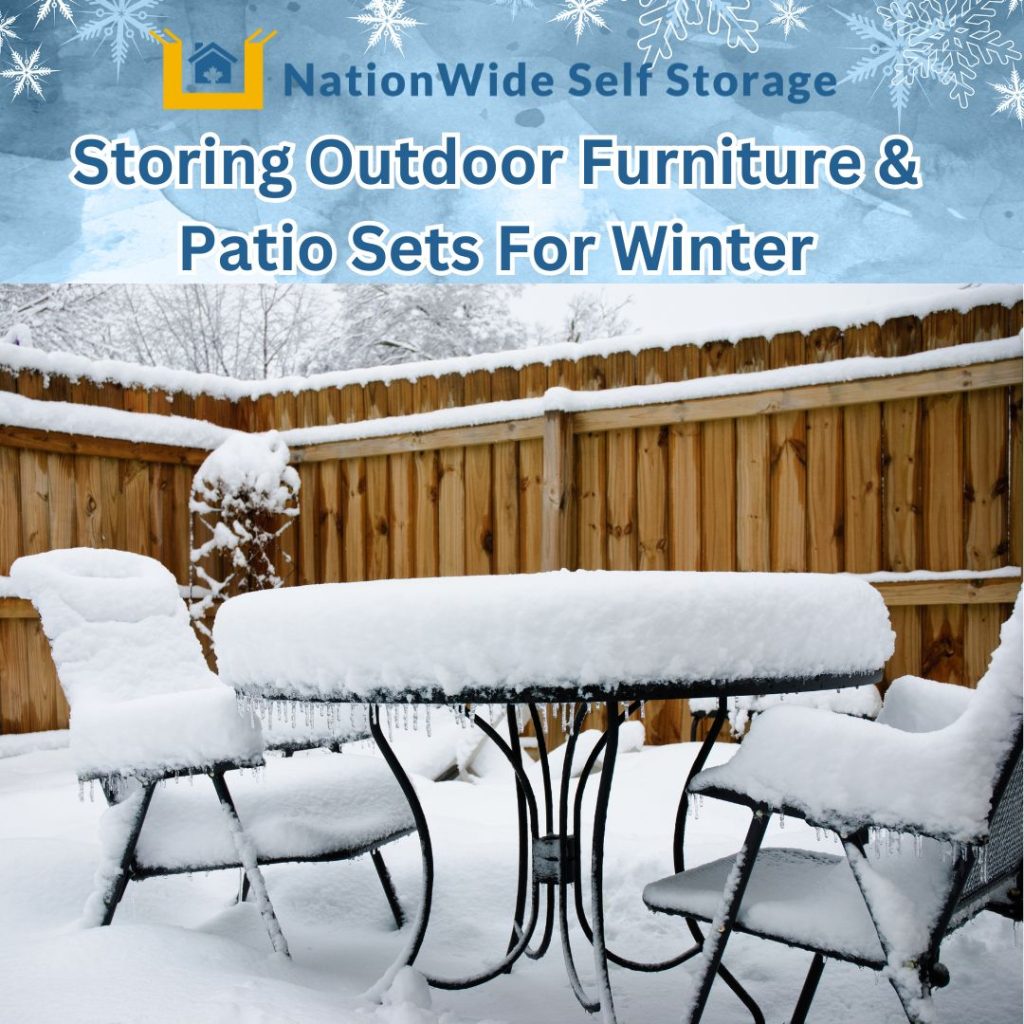
Store furniture indoors during heavy snow seasons. A garage or shed works best. If indoor storage is not possible, place furniture on pallets to avoid ground moisture. Storing furniture properly reduces wear and tear from snow.
Credit: www.nationwideselfstorage.ca
Maintenance Tips During Winter
Winter can be tough on outdoor furniture. Snow and cold weather may cause damage over time. Proper care helps your furniture last longer and look better.
Simple steps during winter protect your outdoor pieces. Regular checks and cleaning prevent serious problems. Follow easy maintenance tips to keep furniture in good shape.
Regular Cleaning Techniques
Remove dirt and debris often. Use a soft brush or cloth to clean surfaces. Mild soap and water work well for most materials. Avoid harsh chemicals that can damage finishes. Dry furniture completely to stop moisture buildup.
Snow Removal Methods
Clear snow gently from furniture. Use a soft broom or brush to avoid scratches. Do not use sharp tools or heavy force. Remove snow soon after it falls. Prevents moisture damage and extra weight stress.
Checking For Damage Periodically
Inspect furniture for cracks, rust, or loose parts. Look under cushions and joints carefully. Fix small issues before they grow bigger. Tighten screws and bolts as needed. Early repairs save money and effort later.
Best Practices For Furniture Placement
Proper placement of outdoor furniture helps protect it from snow damage. Thoughtful positioning reduces wear and tear. It extends the life of your furniture. Follow these best practices to keep your outdoor pieces safe and durable during winter.
Optimal Location Choices
Choose spots that avoid direct snow exposure. Place furniture near walls or fences for some shield. Areas with natural windbreaks reduce snow buildup. Avoid low spots where water collects and freezes. Look for sunny areas that help dry snow faster.
Using Shelters And Awnings
Shelters protect furniture from heavy snow and ice. Install awnings or canopies above seating areas. These cover outdoor pieces and block falling snow. Portable tents can also provide temporary protection. Make sure shelters are sturdy and well-secured.
Elevating Furniture Off The Ground
Raise furniture using blocks or stands. This stops legs from sitting in wet snow. Elevation improves air circulation around the pieces. It prevents moisture damage and rust on metal parts. Keep furniture dry to preserve its finish and structure.

Credit: stonedesignbysantos.com

Credit: www.enjoyzibra.com
Frequently Asked Questions
Does Snow Damage All Types Of Outdoor Furniture?
Snow can damage some outdoor furniture, especially wood and metal. Moisture causes wood to warp and metal to rust. Plastic and synthetic materials resist snow better but can still crack in freezing temperatures. Proper care helps protect all types.
How Can I Protect Outdoor Furniture From Snow?
Cover furniture with waterproof covers or store it indoors. Apply sealants or weatherproof coatings to wood and metal. Remove snow promptly to prevent moisture buildup. Regular maintenance extends furniture life during snowy months.
Is It Necessary To Store Outdoor Furniture During Winter?
Storing furniture indoors is best to prevent snow damage. If storage isn’t possible, use high-quality covers and elevate items off the ground. This reduces moisture exposure and freezing damage, ensuring furniture lasts longer.
Can Snow Cause Mold On Outdoor Furniture?
Yes, snow melting creates moisture that promotes mold growth. Mold thrives on damp wood and fabric surfaces. Regular cleaning and drying after snow exposure prevent mold buildup and keep furniture safe.
Conclusion
Snow can damage outdoor furniture if left unprotected. Covering or storing items helps keep them safe. Materials like metal, wood, and plastic react differently to cold and moisture. Regular care extends furniture life and saves money. Small steps prevent big problems later.
Remember to check your furniture after winter ends. Simple actions make a big difference. Protect your outdoor space and enjoy it longer.