Looking to transform your living room into a space that feels inviting, balanced, and perfectly suited to your lifestyle? How you arrange your living room furniture can make all the difference.
Whether you want to create a cozy spot for family gatherings or a stylish area to entertain guests, the right furniture layout sets the tone. But where do you start? You might have a sofa, chairs, tables, and rugs, but simply placing them randomly won’t bring harmony or flow to your room.
You’ll discover simple, practical tips to arrange your living room furniture in a way that maximizes comfort, enhances movement, and highlights your room’s best features. Keep reading, and you’ll learn how to make your living room truly work for you.
Set The Room’s Purpose
Setting the room’s purpose is the first step in arranging living room furniture. This decision guides every other choice, from the furniture style to its placement. Knowing what you want to do in the room helps create a space that feels natural and useful.
The living room can serve many roles: a place to relax, entertain guests, watch TV, or even work. Clarifying its main function ensures the furniture supports those activities. This focus helps avoid clutter and improves the room’s flow.
Identify The Main Activity
Decide what you will do most in the living room. Is it for watching TV, reading, or socializing? Each activity needs different furniture layouts. For example, a TV area needs seating facing the screen. A social space requires chairs arranged for easy conversation.
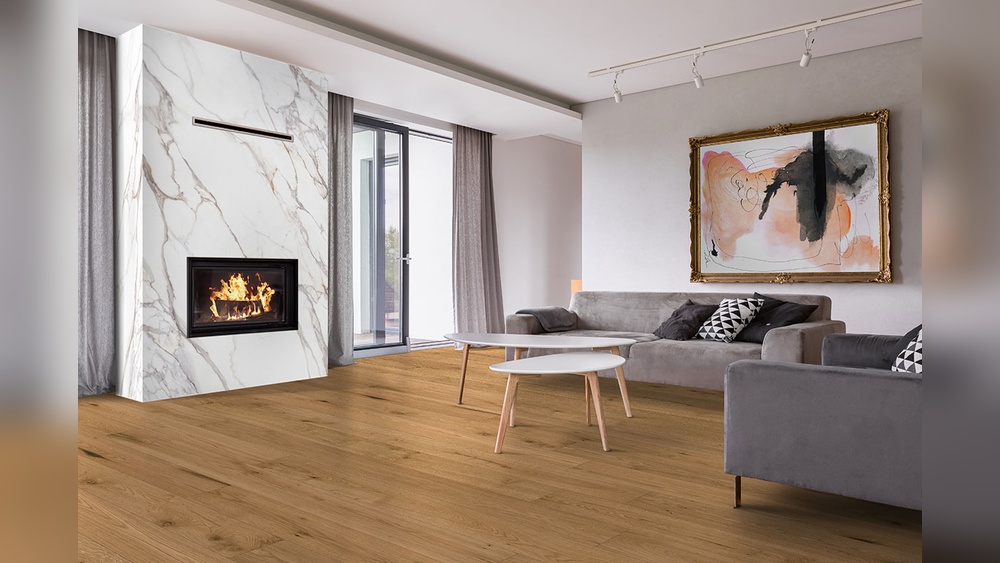
A focal point draws attention and organizes the room. It can be a fireplace, a large window, or a TV. Arrange furniture around this feature to create balance. The focal point helps guests feel comfortable and focused.
Consider Traffic Flow
Plan paths for easy movement through the room. Avoid placing furniture where it blocks walkways. Keep space between pieces for smooth walking. Good traffic flow makes the room feel open and welcoming.
Match Furniture To Purpose
Select furniture that fits the room’s use. A cozy sofa works well for relaxation. A set of chairs suits a conversation area. Include storage if you need to keep items handy. Right furniture supports your room’s main function perfectly.
Choose A Focal Point
Choosing a focal point is the first step in arranging your living room furniture. It gives your space a clear center that draws attention and organizes the layout. A focal point can be a fireplace, a large window, or a piece of artwork. This helps create balance and makes the room feel welcoming.
Once you pick a focal point, arrange furniture to highlight it. The main seating, like sofas or chairs, should face or surround this spot. This setup encourages conversation and makes the space functional for gatherings or relaxing.
Identify Your Room’s Natural Focal Point
Look for features already in your room that stand out. It could be a fireplace, a big window with a view, or a built-in shelf. These elements naturally pull the eye and work well as anchors for your furniture.
Create A Focal Point With Furniture
If your room lacks a natural focal point, create one. Use a large piece of furniture like a sofa or an entertainment center. Position it so it becomes the main focus of the room.
Use Accessories To Enhance The Focal Point
Add rugs, lamps, or artwork near the focal area. These items guide attention and make the space feel complete. Keep accessories simple to avoid cluttering the focal point.
Arrange Seating To Face The Focal Point
Place sofas and chairs so they face the focal point directly or at an angle. This setup encourages social interaction and comfort. Avoid blocking the view of the focal point with large furniture.
Popular Layout Options
Choosing the right furniture layout changes the whole living room feel. Popular layout options create comfort and style. They help use space well and invite easy movement. Each layout suits different room shapes and needs. Explore these common arrangements to find what fits best.
Centered Seating
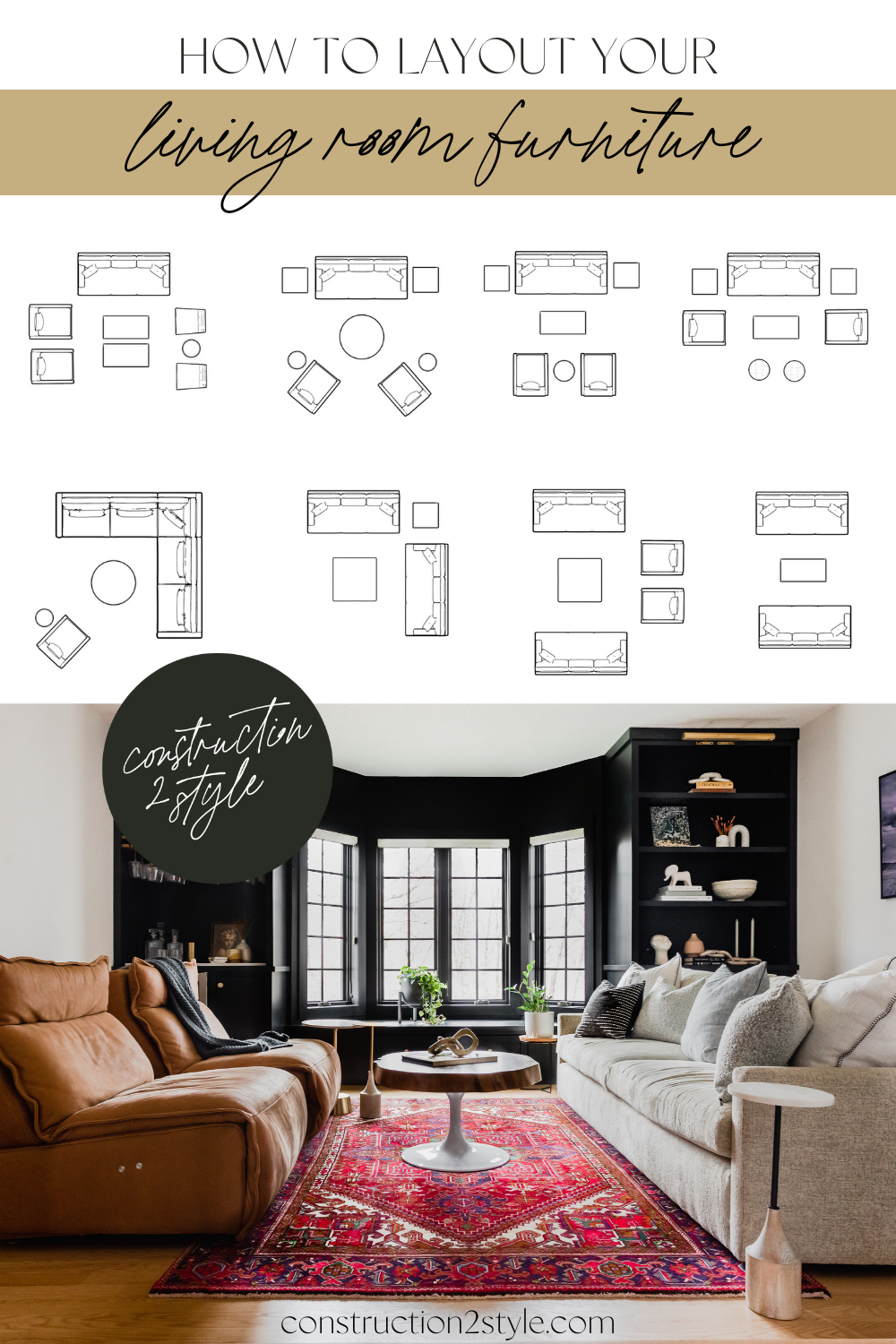
Centered seating places the sofa and chairs around a central point. Usually, this point is a coffee table or rug. This layout promotes conversation and connection. It works well in square or large rooms. Arrange furniture so all faces the center. This setup feels balanced and inviting.
L-shaped Arrangement
The L-shaped arrangement uses a sofa and a chair or sectional in an “L” form. This design fits corners and defines seating areas. It creates a cozy spot for watching TV or chatting. This layout opens space for walking and other furniture. It suits both small and big rooms well.
Floating Furniture
Floating furniture means placing pieces away from walls. This creates an open, airy feel in the room. It works best in large living rooms. Use rugs to anchor the furniture group. This setup allows easy traffic flow around the space. It also highlights each furniture piece.
Symmetrical Layout
Symmetrical layout balances furniture evenly on both sides of a focal point. This could be a fireplace, window, or TV. Use matching sofas, chairs, or lamps to create harmony. This style feels formal and well-organized. It suits traditional and classic living rooms.
Corner Fireplace Setup
Placing furniture around a corner fireplace makes a warm gathering spot. Arrange sofas and chairs facing the fireplace. Add a coffee table or ottoman in the center. This layout highlights the fireplace as the room’s heart. It works well in rooms with angled walls or small spaces.
Maintain Traffic Flow
Maintaining traffic flow in your living room is essential. It ensures easy movement and prevents clutter. Good flow makes the space feel open and inviting. It helps everyone move without bumping into furniture or each other.
Plan pathways that connect doorways and seating areas clearly. Leave enough space between furniture pieces to walk comfortably. Avoid blocking windows or entry points with large items. A well-arranged room welcomes guests and feels relaxing.
Leave Clear Walkways
Create paths at least 2 to 3 feet wide. This width allows people to walk without squeezing. Avoid placing furniture too close to doors or hallways. Keep areas near entrances free from obstacles for smooth entry and exit.
Position Furniture Strategically
Arrange sofas and chairs to face each other or the room’s focal point. Do not block natural walking routes with bulky furniture. Use smaller pieces to fill awkward corners. This helps maintain open space in the center.
Use Rugs To Define Spaces
Rugs can guide traffic flow by marking seating zones. Choose rugs large enough to fit under key furniture. This anchors the space and directs movement around the room. Avoid small rugs that can cause tripping hazards.
Keep High-traffic Areas Free
Place tables and ottomans away from main walkways. Avoid cluttering these zones with decorations or extra chairs. This keeps the room easy to navigate. It also reduces accidents and discomfort during busy times.
Apply The Two-thirds Rule
The two-thirds rule helps create balance in your living room. It means one item should be about two-thirds the size of another. This ratio feels natural and pleasing to the eye. It works for furniture, rugs, tables, and wall art.
Use this rule to arrange your living room furniture for better flow and harmony. It keeps the space from feeling too crowded or too empty. Let’s explore how to apply this rule in key areas.
Sofa To Rug Proportion
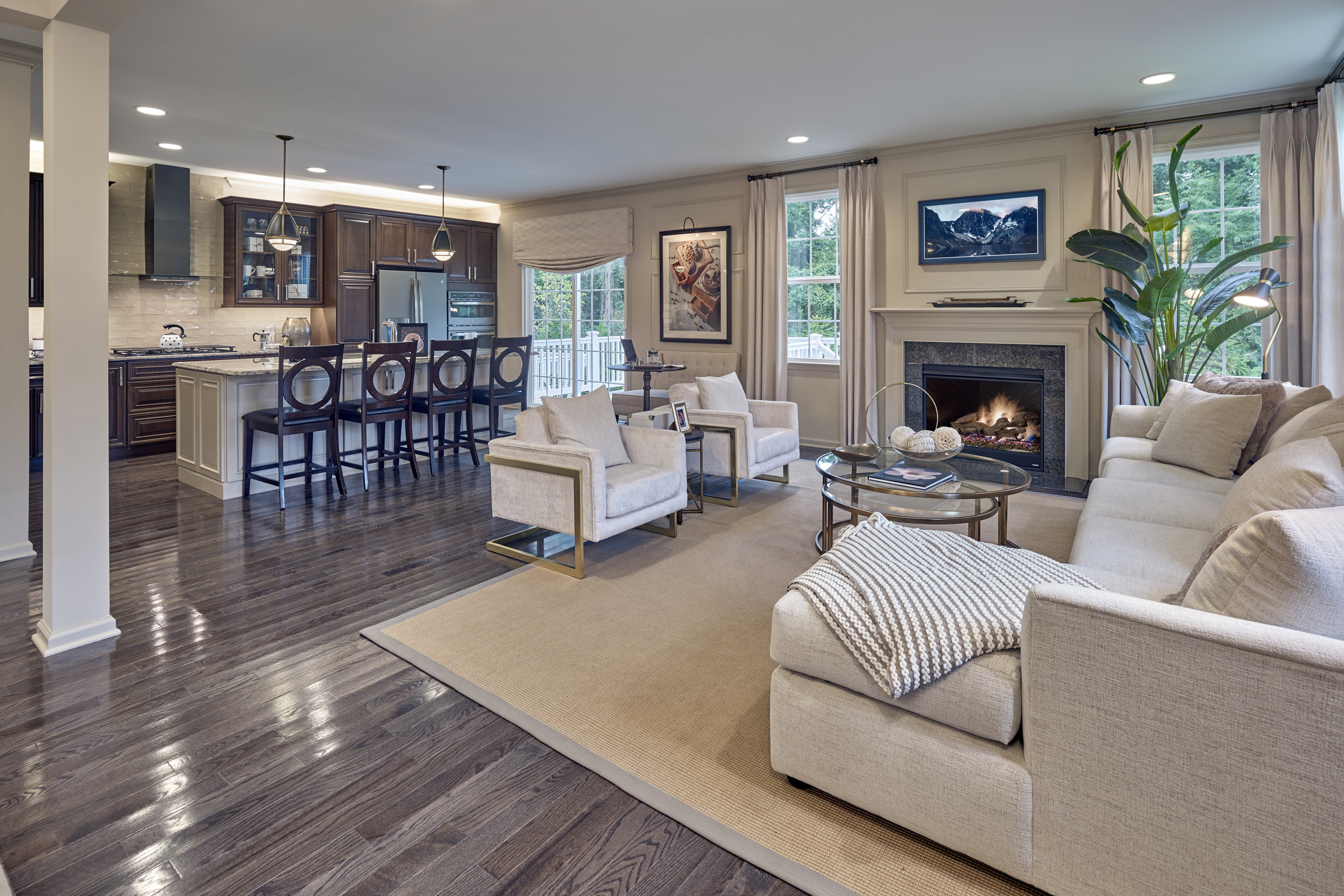
Place the sofa on the rug so the rug extends about two-thirds the sofa’s length. This leaves one-third of the sofa off the rug. It helps ground the sofa without overwhelming the floor. The rug should be large enough to fit under the sofa legs and nearby chairs. This creates a cozy, connected seating area.
Coffee Table Size
Choose a coffee table about two-thirds the length of your sofa. A smaller table looks lost. A larger table feels bulky. The two-thirds size keeps the table in scale with the sofa. It allows enough space to walk around. It also makes reaching the table easy from the sofa and chairs.
Wall Art Placement
For wall art above a console or sofa, pick pieces about two-thirds the width of the furniture below. This balance ties the wall and furniture together visually. In a gallery wall, the art should fill about two-thirds of the wall space between the main focal point and the opposite wall. This avoids empty gaps and crowded walls.
Credit: www.juddbuilders.com
Balance Patterns And Styles
Balancing patterns and styles in your living room creates a space that feels inviting and harmonious. Combining different elements can bring personality and depth without overwhelming the room. Thoughtful choices keep the space stylish yet comfortable.
Mixing Patterns
Mix patterns by pairing large prints with smaller ones. For example, a bold floral sofa works well with subtle striped pillows. Keep colors consistent to tie the patterns together. Avoid using too many different prints in one area. This helps maintain balance and avoids visual clutter.
Blending Design Eras
Blend old and new furniture to add character. A modern coffee table looks great next to a vintage armchair. Mixing eras shows creativity and adds interest. Use similar colors or materials to link the pieces. This keeps the room feeling unified and fresh.
Layering Colors And Textures
Layer colors by choosing a base tone and adding shades around it. Soft textures like plush rugs and velvet cushions add warmth. Rough textures, such as woven baskets or wooden furniture, bring contrast. Combining smooth and rough textures makes the room inviting. Stick to a simple color palette for harmony.
Use Rugs To Define Areas
Rugs play an important role in arranging living room furniture. They help define different areas in an open space. A well-chosen rug can bring warmth and style while creating clear zones for seating or activity.
Using rugs to define areas makes a room feel organized. Rugs separate spaces without walls or barriers. This method works well in open-plan living rooms or large rooms with multiple functions.
Choose The Right Size Rug
Select a rug that fits the furniture grouping. The rug should be large enough for at least the front legs of sofas and chairs to rest on it. This creates a unified look and anchors the seating area.
Match Rug Shape To Furniture Layout
Pick a rug shape that complements your furniture arrangement. Rectangular rugs suit traditional sofa sets. Round rugs work well under circular tables or in cozy corners. The shape guides the eye and enhances flow.
Use Rugs To Separate Zones
Place rugs to mark different activity zones. For example, use one rug for the seating area and another for a reading nook or play space. This visually divides the room without cluttering it.
Consider Color And Pattern
Choose rug colors and patterns that blend with your decor. Neutral tones create calm areas, while bold patterns add energy. Balance bright rugs with simple furniture for harmony.
Consider Tv And Media Placement
Consider TV and media placement early when arranging living room furniture. The TV often becomes the room’s focal point. Its location affects seating positions and traffic flow. Proper placement ensures comfort and easy viewing for everyone.
Think about where natural light enters the room. Avoid placing the TV opposite bright windows. Glare on the screen can cause eye strain and reduce picture quality. Position the TV so the light does not reflect directly on it.
Choose The Right Wall For Your Tv
Select a wall that allows enough space for the TV and media equipment. Avoid walls with doors or heavy foot traffic. A solid wall without windows works best to reduce glare and distractions. Make sure the TV height is comfortable for eye level when seated.
Arrange Seating For Clear Viewing
Place sofas and chairs facing the TV directly. Arrange seats in a semi-circle or straight line. Keep the viewing distance between 6 to 10 feet for most TVs. Avoid placing seats too far or too close to the screen. This setup creates a cozy viewing area for everyone.
Allow Space For Media Devices
Reserve space for media players, consoles, and speakers near the TV. Use a media console or shelves to keep devices organized. Keep cords hidden or neatly bundled to avoid clutter. This keeps the area tidy and safe, especially in homes with children.
Avoid Common Layout Mistakes
Avoiding common layout mistakes can make your living room more comfortable and inviting. Poor furniture arrangement can block pathways, waste space, or make the room feel crowded. Simple changes can improve flow and balance without major effort.
Focus on creating clear paths for walking. Crowded furniture or placing pieces too close to doors disrupts movement. Leave enough space to walk freely without bumping into tables or chairs.
Don’t Push All Furniture Against Walls
Placing every piece against the wall can make the room feel empty and less cozy. Pull furniture slightly away from walls to create a better conversation area. This arrangement encourages social interaction and adds depth to the space.
Balance Size And Scale Of Furniture
Using furniture that is too big or too small can throw off the room’s balance. Choose pieces that fit the size of the room. A large sofa in a small room feels cramped. Small furniture in a big room looks lost and awkward.
Avoid Blocking Natural Light
Blocking windows with tall or bulky furniture reduces natural light. This makes the room feel darker and smaller. Arrange furniture so light flows freely. Bright rooms feel larger and more welcoming.
Don’t Ignore The Room’s Focal Point
Every living room has a natural focal point, such as a fireplace or TV. Arrange furniture to highlight this feature. Avoid placing pieces with their backs to the focal point. This helps create a comfortable and balanced space.
:strip_icc()/neutral-living-room-white-fireplace-594af4cd-dfb9df1c2680468ab84c14d87b0b9eb9.jpg)
Credit: www.bhg.com
Measure Before You Buy
Measuring your living room before buying furniture saves time and money. It helps avoid purchasing items that do not fit or look right. Taking accurate measurements ensures a comfortable and stylish space.
Start by measuring the length and width of your living room. Note the size of doors, windows, and any built-in features. This information guides your furniture choices and placement.
Measure Your Room Dimensions
Use a tape measure to find the exact length and width of your living room. Write down these numbers. Include any nooks or irregular spaces to avoid surprises later.
Note Doorways And Windows
Measure the height and width of all doors and windows. This helps check if furniture can fit through and won’t block natural light or walkways.
Consider Traffic Flow
Plan space for walking paths around furniture. Leave at least 2 to 3 feet of clear space to move freely. This keeps your room functional and open.
Check Furniture Size Before Buying
Compare your room measurements to the dimensions of furniture you like. Use painter’s tape on the floor to mark the size and shape. This visual helps decide if pieces fit well.
Account For Additional Items
Remember to measure space for lamps, side tables, and rugs. These items add comfort and style but need room too. Planning their size prevents clutter.
Credit: construction2style.com
Frequently Asked Questions
How Do I Layout My Living Room Furniture?
Start by choosing a focal point like a fireplace or TV. Arrange seating to encourage conversation. Avoid pushing furniture against walls. Ensure clear traffic flow and use rugs to define areas. Balance furniture size and placement for harmony and style.
What Is The 2 3 Rule For Living Rooms?
The 2/3 rule for living rooms means one item should be about two-thirds the size of another for balance. For example, a sofa should cover two-thirds of the rug, or a coffee table should be two-thirds the sofa’s length. This creates harmony and good flow.
What Is The 3 4 5 Rule In Interior Design?
The 3-4-5 rule in interior design ensures balanced proportions by dividing spaces or elements into ratios of 3, 4, and 5. This creates visually pleasing layouts and harmonious furniture arrangements. It helps achieve better flow, scale, and aesthetic appeal in rooms.
What Is The Biggest Mistake In Placement Of Furniture?
The biggest mistake in furniture placement is overcrowding, which blocks traffic flow and creates a cramped, uncomfortable space.
Conclusion
Arranging living room furniture takes simple steps and thoughtful planning. Start by choosing a clear focal point, like a fireplace or TV. Keep walkways open to allow easy movement. Balance your furniture sizes for a cozy, inviting space. Use rugs and tables that match the sofa’s size.
Remember, comfort and function matter most. With these tips, your living room will feel warm and well-organized. Small changes can make a big difference in how the room feels. Enjoy creating a space that suits your style and needs.