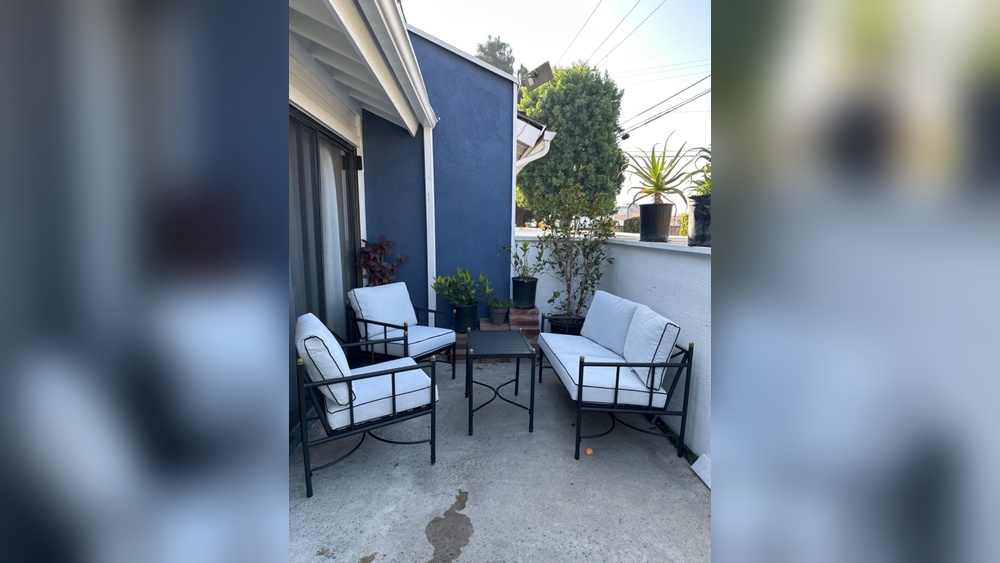
Are you tired of finding paw prints and fur all over your outdoor furniture? You love spending time outside, but your dog seems to have other plans.
Keeping your furniture clean and damage-free can feel like an uphill battle. What if there was a simple way to protect your favorite seating spots without upsetting your furry friend? You’ll discover easy and effective tips to keep your dog off your outdoor furniture—so you can enjoy your space in peace.
Keep reading to find out how!
Common Reasons Dogs Target Outdoor Furniture
Dogs often show interest in outdoor furniture for several reasons. Understanding why your dog targets these spots helps manage their behavior better. This section explains the most common causes behind this habit.
Seeking Comfort And Rest
Outdoor furniture offers a soft, cozy place for dogs. Many dogs look for a warm, cushioned spot to relax. Furniture cushions feel like a bed, better than hard ground. This comfort attracts dogs to jump on chairs or sofas. They want a quiet place to lie down and rest.
Marking Territory
Dogs mark places to show ownership. Outdoor furniture often becomes a target for this behavior. They use scent glands to leave their mark. Marking helps dogs feel safe and confident. It explains why some dogs scratch or sniff furniture before sitting.
Curiosity And Playfulness
Dogs are naturally curious and playful creatures. Outdoor furniture is an interesting new object to explore. They may jump on it to investigate smells or textures. Puppies especially use furniture as a fun play area. This behavior is part of their natural learning and fun.

Credit: www.amazon.com
Physical Barriers To Protect Furniture
Keeping a dog off outdoor furniture can protect your investment and keep your space clean. Physical barriers offer a clear, direct way to stop dogs from jumping on chairs or sofas. These barriers work by blocking access or making furniture less inviting. They help create a clear boundary between pets and your belongings.
Using Covers And Slipcovers
Covers and slipcovers shield your furniture from dirt and scratches. Choose durable, water-resistant fabrics for easy cleaning. Covers can also make furniture less comfortable for dogs to rest on. They are simple to put on and take off. This method saves your furniture without needing to train your dog constantly.
Installing Fencing Or Gates
Fencing or gates block your dog from reaching the furniture area. Use small fences or portable gates around patios or decks. This option keeps dogs safely contained in a separate space. Gates are easy to open and close for people but stop dogs effectively. It creates a physical line your dog cannot cross.
Utilizing Pet Pens
Pet pens provide a confined area for your dog outdoors. They keep dogs away from furniture while giving them space to play. Pens come in various sizes and materials, like metal or plastic. Use a pen near your outdoor seating to protect your furniture. Pens help control your dog’s movement without stress.
Training Techniques To Keep Dogs Off Furniture
Training your dog to stay off outdoor furniture takes patience and the right techniques. Teaching clear boundaries helps your dog understand where they are allowed to go. Consistent training strengthens good habits and reduces unwanted behavior. Using positive methods makes learning easy and enjoyable for your dog.
Positive Reinforcement Methods
Reward your dog when they stay off the furniture. Use treats, praise, or petting as rewards. This encourages them to repeat the good behavior. Avoid punishment, which can confuse or scare your dog. Positive reinforcement builds trust and helps your dog learn faster.
Command Training And Consistency
Choose a clear command like “off” or “down.” Say the command firmly and calmly. When your dog obeys, give a reward immediately. Repeat the command every time your dog tries to jump on furniture. Consistency in training creates strong habits over time.
Redirecting Behavior
Give your dog an alternative place to rest, like a bed or mat. Guide your dog to the spot when they approach the furniture. Praise them for using their own space. Redirecting helps your dog learn where they should go. It prevents frustration and keeps your furniture safe.
:strip_icc()/102812832_preview-504579f9b28c439095af42c467344a68.jpg)
Credit: www.bhg.com
Deterrents And Repellents
Keeping a dog off outdoor furniture can be a challenge. Dogs often enjoy lounging on soft cushions or chewing on wood. Using deterrents and repellents helps protect your furniture without harming your pet. These methods teach dogs to avoid certain areas and keep your outdoor space neat.
Natural Repellents Safe For Dogs
Natural repellents are gentle and safe for dogs. Citrus scents like lemon or orange peel can keep dogs away. Dogs dislike the smell of vinegar too. Spraying diluted vinegar or placing citrus peels on furniture works well. These options do not hurt pets and are eco-friendly. They need to be reapplied often, especially after rain.
Commercial Sprays And Devices
Commercial sprays offer stronger protection against dogs on furniture. Many sprays use bitter flavors or unpleasant smells. These stop dogs from chewing or sitting on treated spots. Ultrasonic devices send sounds dogs dislike but humans can’t hear. These devices activate only when dogs approach. Follow product instructions carefully for best results and safety.
Unpleasant Textures And Surfaces
Dogs avoid certain textures and surfaces on furniture. Cover cushions with plastic mats or aluminum foil. Dogs dislike the feel and sound under their paws. Using rubber carpet runners with the spike side up also works. These surfaces are uncomfortable but cause no harm. Changing textures helps train dogs to stay off outdoor furniture.
Providing Comfortable Alternatives
Keeping your dog off outdoor furniture takes more than just saying no. Dogs love comfort and their own space. Providing cozy alternatives helps guide them gently away from your chairs and sofas. It also keeps your pet happy and relaxed outside.
Outdoor Dog Beds And Mats
Give your dog a special spot with an outdoor bed or mat. Choose materials that resist water and dirt. Place the bed in a quiet corner of your yard. This gives your dog a comfy place to rest. Soft cushions make lying down inviting. A well-placed bed reduces the chance your dog will jump on furniture.
Shaded Resting Spots
Shade is important for dogs in the sun. Create a cool, shady area with a canopy, umbrella, or trees. Dogs avoid hot surfaces and bright sunlight. A shaded spot feels cooler and more relaxing. Your dog will prefer this area over hot chairs. Keep the area clean and dry for extra comfort.
Engaging Toys And Activities
Keeps dogs busy with toys and games outdoors. Chew toys, puzzle feeders, and balls hold their attention. Active dogs are less likely to seek furniture for fun. Rotate toys often to maintain interest. Playing together strengthens your bond and distracts from furniture. A tired dog is a happy dog.
Maintaining Furniture Cleanliness And Scent
Keeping outdoor furniture clean helps stop dogs from making it their spot. Dogs like places that smell like them or have food crumbs. Cleaning removes these smells and makes the furniture less inviting. A fresh, clean smell can keep your dog away and keep furniture looking new.
Regular Cleaning Tips
Brush off dirt and leaves every day. Use a mild soap with water to wash cushions and frames. Let everything dry fully before using it again. Clean spills quickly to avoid stains and smells. Wash fabric covers often to stop odors from building up. Regular cleaning keeps the furniture fresh and less attractive to dogs.
Removing Pet Odors
Use baking soda on cushions to absorb bad smells. Sprinkle it, wait 15 minutes, then vacuum well. White vinegar diluted in water also removes pet odors. Spray lightly and wipe with a clean cloth. Avoid strong cleaners that can irritate your dog’s nose. Clean smells stop dogs from returning to the same spot.
Using Scents To Deter Dogs
Dogs dislike citrus smells like lemon and orange. Place citrus peels near furniture or use citrus sprays. Vinegar and eucalyptus oils also keep dogs away. Use these scents carefully to avoid damage to fabrics. Fresh scents confuse dogs and make furniture less appealing. Natural scents create a barrier without harming your pet.

Credit: drtooth.co.il
Frequently Asked Questions
How Can I Train My Dog To Avoid Outdoor Furniture?
Consistently reward your dog for staying off furniture. Use commands like “off” and redirect to a designated spot. Positive reinforcement helps build good habits and keeps your dog off outdoor furniture.
What Natural Repellents Keep Dogs Off Furniture?
Citrus peels, vinegar spray, and commercial pet repellents deter dogs. These safe options create unpleasant smells dogs avoid, protecting your outdoor furniture effectively without harming your pet.
Are Furniture Covers Effective To Keep Dogs Away?
Yes, covers protect furniture from dirt and scratches. Using waterproof, durable covers makes furniture less appealing and easier to clean, discouraging dogs from jumping or lying on it.
Can Physical Barriers Stop Dogs On Outdoor Furniture?
Placing barriers like pet gates or fencing restricts access. These prevent dogs from reaching furniture, providing a clear boundary and reducing the chance of damage or soiling outdoors.
Conclusion
Keeping your dog off outdoor furniture takes patience and consistency. Use barriers or covers to protect your seats. Offer your dog a comfy spot nearby instead. Reward good behavior with treats and praise often. Stay calm and gentle while training your pet.
Small changes make a big difference over time. Enjoy your outdoor space without worrying about damage. Your dog will learn where it can relax too. Simple steps create a happy space for all.

