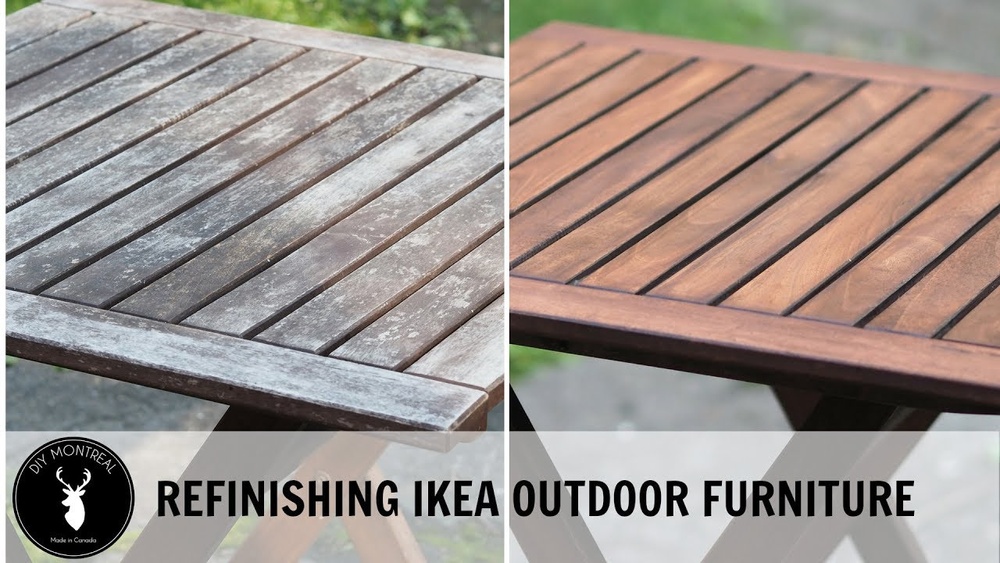
Your wooden outdoor furniture adds charm and comfort to your space. But weather, sun, and everyday use can wear it down quickly.
If you want your furniture to stay strong and beautiful year after year, you need to protect it the right way. You’ll discover simple, effective tips that anyone can follow to keep your wooden pieces looking great and lasting longer.
Keep reading to find out how to make your investment stand the test of time.
Choosing Durable Wood
Choosing the right wood is key for long-lasting outdoor furniture. Wood types vary in strength and resistance to weather. Picking durable wood protects your furniture from damage.
Durable wood withstands rain, sun, and temperature changes. It reduces the need for frequent repairs or replacements. Knowing the difference between hardwood and softwood helps make a smart choice.
Hardwood Vs Softwood
Hardwood comes from trees that lose leaves yearly. Softwood comes from trees with needles and cones. Hardwoods are usually denser and stronger. They resist dents and scratches better.
Softwoods grow faster and cost less. They are lighter but less durable outdoors. Hardwoods last longer in tough weather. Softwoods need more care and protection.
Weather-resistant Species
Some wood types naturally resist water and bugs. Teak, cedar, and redwood are popular choices. These woods have oils or resins that protect them.
They stay strong and look good for years. Pine and fir need treatment to last outside. Choose wood that suits your climate and budget.
Credit: lovegrowswild.com
Cleaning Techniques
Cleaning wooden outdoor furniture keeps it looking fresh and lasting longer. Dirt, dust, and moisture can damage wood over time. Proper cleaning removes these harmful elements. It also helps maintain the wood’s natural beauty and strength. Regular care stops small problems from becoming big repairs.
Regular Dusting And Washing
Dust your wooden furniture often. Use a soft cloth or a brush with soft bristles. This stops dirt from building up on the surface.
Wash the furniture with mild soap and water every few weeks. Use a sponge or cloth to clean gently. Avoid harsh chemicals that can harm the wood. Rinse with clean water and dry with a towel. Do not leave water to sit on the wood. Drying prevents mold and wood swelling.
Removing Stains And Mildew
Stains and mildew can appear on wood if it stays wet or dirty. Use a mixture of water and white vinegar to clean these spots. Apply the solution with a soft brush and scrub gently.
For tough stains, mix baking soda with water to make a paste. Rub the paste on the stain and let it sit for a few minutes. Then wipe it off with a damp cloth.
Always dry the furniture well after cleaning stains or mildew. This keeps the wood healthy and avoids damage.
Applying Protective Finishes
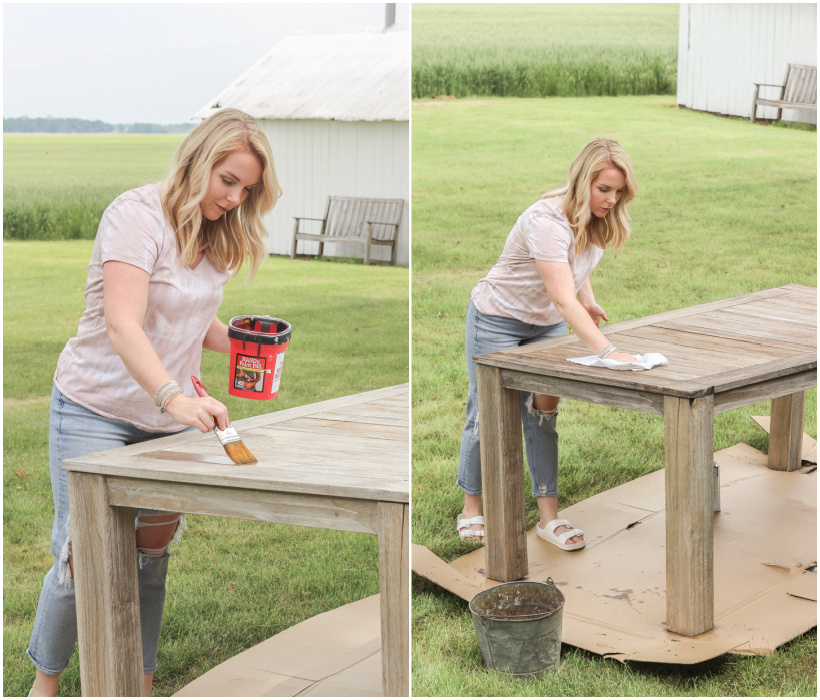
Applying protective finishes is essential for wooden outdoor furniture. It helps keep the wood safe from rain, sun, and dirt. The finish creates a barrier that stops water from soaking in. It also prevents the wood from cracking and fading. Regularly applying a finish keeps the furniture looking fresh and new.
Choosing the right finish depends on the type of wood and how much wear the furniture gets. Some finishes offer a shiny look, while others keep a natural feel. Proper application ensures the wood stays strong and beautiful over time.
Types Of Sealants
Sealants protect wood by blocking moisture and dirt. Common types include varnish, oil, and polyurethane. Varnish is tough and gives a shiny surface. Oil soaks into the wood and highlights its natural color. Polyurethane creates a hard, clear coat that resists scratches. Each sealant has its strengths and fits different needs.
How To Reapply Finish
Check furniture for signs of wear or dullness before reapplying. Clean the surface with mild soap and water. Let it dry completely to avoid trapping moisture. Lightly sand the wood to remove old finish and smooth the surface. Apply the new finish evenly with a brush or cloth. Allow it to dry fully before using the furniture again.

Credit: osmouk.com
Preventing Moisture Damage
Moisture is one of the biggest threats to wooden outdoor furniture. Water can cause wood to swell, crack, or rot over time. Preventing moisture damage helps keep your furniture strong and looking good. Simple steps can protect wood from dampness and rain.
Proper Placement And Drainage
Place furniture where water drains away quickly. Avoid low spots or areas that collect puddles. Use a hard surface like concrete, gravel, or decking. These surfaces help water flow away from the wood. Elevate furniture slightly using small blocks or feet. This stops wood from sitting in water after rain.
Using Covers And Tarps
Use covers or tarps to shield furniture from rain and dew. Choose breathable covers to prevent trapped moisture. Waterproof tarps can protect during heavy storms or winter. Remove covers on sunny days to let furniture dry. Proper cover use prevents mold and decay.
Handling Sun Exposure
Wooden outdoor furniture faces tough challenges from the sun. Constant sun exposure can cause wood to fade, crack, or dry out. Protecting your furniture from sun damage helps keep its beauty and strength. Simple steps can make a big difference.
Shade Solutions
Providing shade is one of the easiest ways to protect wood. Use umbrellas or awnings to block direct sunlight. Place furniture under trees or covered patios. These options reduce the sun’s harsh effects and keep wood cooler. Shade helps prevent fading and drying.
Uv Protection Products
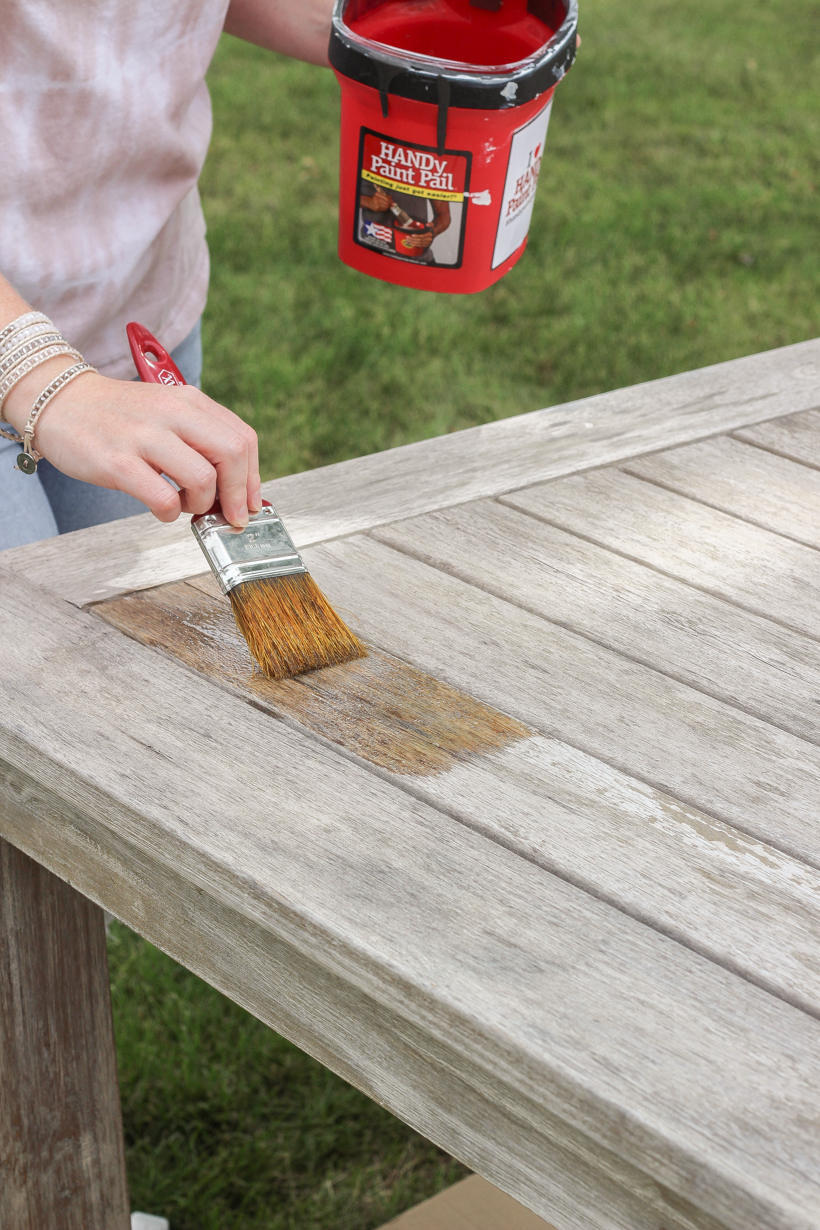
Applying UV protection products shields wood from harmful rays. Look for oils, stains, or sealers with UV blockers. These products form a barrier that slows down sun damage. Reapply them regularly to maintain protection. UV products keep wood looking fresh and strong longer.
Credit: lovegrowswild.com
Winter Storage Tips
Winter brings cold, wet weather that can damage wooden outdoor furniture. Proper storage protects your furniture and helps it last longer. Follow these winter storage tips to keep your wood strong and beautiful.
Preparing Furniture For Cold Months
Start by cleaning your furniture. Remove dirt, leaves, and dust. Use mild soap and water, then let it dry completely. Check for any cracks or loose parts. Tighten screws and fix small damages. Apply a good wood sealant or oil to protect the surface. This prevents moisture from soaking into the wood. Cover the furniture with breathable fabric to keep dust away. Avoid plastic covers that trap moisture and cause mold.
Indoor Vs Outdoor Storage
Indoor storage is the best choice for wooden furniture. A dry, cool place like a garage or shed works well. This stops exposure to harsh weather. If indoor space is limited, use a sturdy outdoor cover. Choose a cover that allows air circulation. Elevate furniture off the ground to avoid water damage. Keep furniture away from snow piles and ice. Proper storage prevents warping, cracking, and fading during winter.
Repairing Scratches And Cracks
Wooden outdoor furniture often shows scratches and cracks from weather and use. Repairing these issues keeps the furniture strong and good-looking. Quick fixes can help stop damage from getting worse. Some scratches and cracks need special care or tools.
Diy Fixes
Small scratches can disappear with a simple touch-up. Use a wood marker or crayon close to your furniture’s color. Rub it gently over the scratch. Wipe off extra color with a soft cloth. For deeper scratches, sand lightly with fine sandpaper before coloring.
Cracks need filling to prevent water damage. Use wood filler or putty that matches the wood tone. Apply it with a putty knife and smooth the surface. Let it dry fully, then sand it smooth. Finish with a coat of outdoor wood sealant or varnish.
When To Call A Professional
Large cracks or deep scratches may weaken furniture. Professionals can check for hidden damage inside the wood. They use special tools and materials to repair safely. This helps the furniture last longer and stay safe to use.
If repairs seem too hard or the damage is big, calling a professional is best. They can restore your furniture’s look and strength properly. Avoid quick fixes on serious problems to prevent bigger costs later.
Frequently Asked Questions
How Often Should I Seal Wooden Outdoor Furniture?
Seal wooden outdoor furniture at least once a year. This protects it from moisture and sun damage. Regular sealing prevents cracking and extends the wood’s lifespan.
What Is The Best Wood Finish For Outdoor Furniture?
Use oil-based finishes like teak oil or spar varnish. These penetrate wood deeply and resist water. They enhance natural beauty while providing strong weather protection.
Can I Leave Wooden Furniture Outside During Winter?
It’s best to cover or store wooden furniture indoors in winter. Exposure to snow and freezing temperatures can cause warping and cracking. Proper protection increases furniture durability.
How Do I Clean Wooden Outdoor Furniture Safely?
Use mild soap, water, and a soft brush to clean. Avoid harsh chemicals that damage wood. Rinse well and dry completely before applying any finish.
Conclusion
Protecting wooden outdoor furniture takes some effort but pays off well. Clean your furniture regularly to keep dirt and mold away. Use sealants or oils to guard wood against rain and sun. Cover or store furniture during harsh weather. These steps help your furniture last longer and look good.
Enjoy your outdoor space with furniture that stays strong and beautiful. Simple care keeps wood safe year after year.