Are you planning to upgrade your bathroom and wondering how deep your vanity cabinet should be? Choosing the right depth is more important than you might think.
It affects not just the look of your space, but also how much storage you actually get and how comfortable your daily routine feels. In this post, you’ll discover the perfect balance between style and function, so your vanity cabinet fits your needs perfectly.
Keep reading to find out exactly what depth works best for you and your bathroom.
Standard Vanity Depths
Understanding the standard depths of vanity cabinets helps in choosing the right size for your bathroom. The depth affects both the look and functionality of the space. It is important to know typical measurements to plan your layout well.
Common Sizes
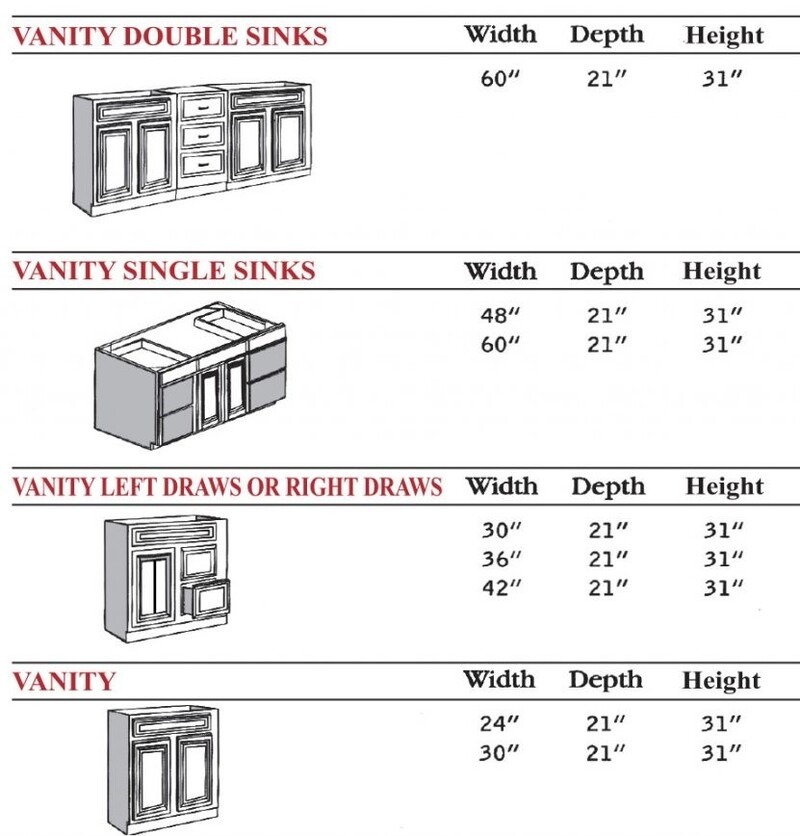
Standard vanity cabinets usually range from 18 to 21 inches deep. The most popular depth is 21 inches. This size offers enough space for sinks and storage without crowding the room. Smaller bathrooms often use 18-inch deep vanities to save space. Larger bathrooms can accommodate deeper units for extra storage.
Variations By Style
Different vanity styles have varying depths. Wall-mounted vanities tend to be shallower, around 16 to 18 inches. This style helps create an open feel in small rooms. Freestanding vanities are often deeper, up to 24 inches. They offer more storage but take up more space. Custom vanities can be made to any depth to fit unique bathroom layouts.
Credit: castacabinetry.com
Factors Influencing Depth
Choosing the right depth for a vanity cabinet depends on several key factors. These factors help balance style, function, and space. Understanding them ensures the vanity fits well and serves your needs.
Bathroom Size
The size of your bathroom plays a big role in deciding cabinet depth. Small bathrooms need shallower vanities to save space. Larger bathrooms can handle deeper cabinets for extra storage. Measure your space carefully before choosing depth.
Sink Type
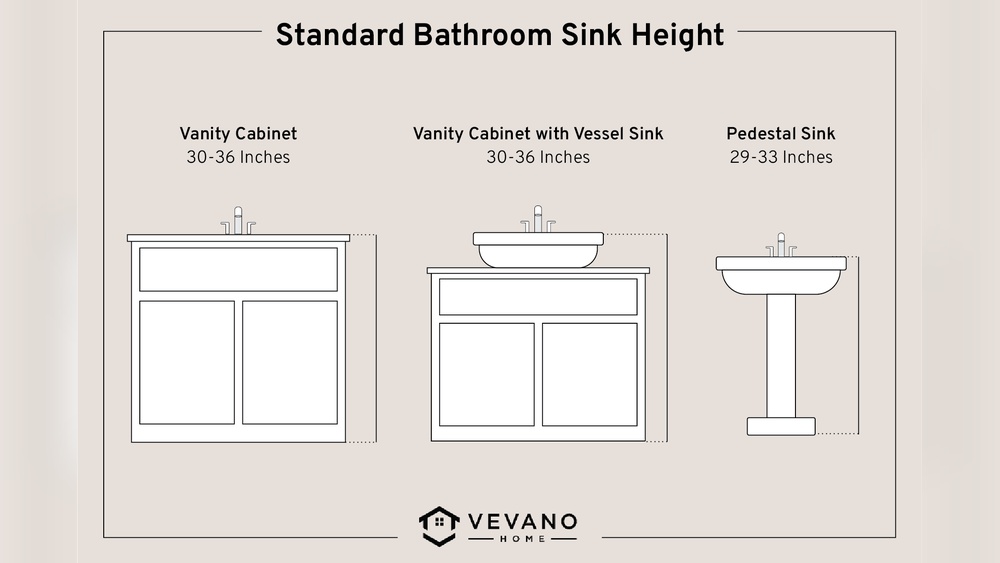
The type of sink affects how deep the vanity should be. Vessel sinks often need less cabinet depth because they sit on top. Undermount sinks require deeper cabinets to fit plumbing and support. Knowing your sink type guides the right depth choice.
Storage Needs
Your storage needs impact the depth of the vanity cabinet. More storage space means a deeper cabinet is better. For simple storage, a shallower cabinet might work well. Think about what you store daily to pick the perfect depth.
Measuring For The Right Fit
Choosing the right depth for your vanity cabinet is important. Measuring carefully ensures the cabinet fits well and works with your bathroom setup. This step avoids problems like tight spaces or plumbing issues. Follow these key points to measure for a perfect fit.
Assessing Space
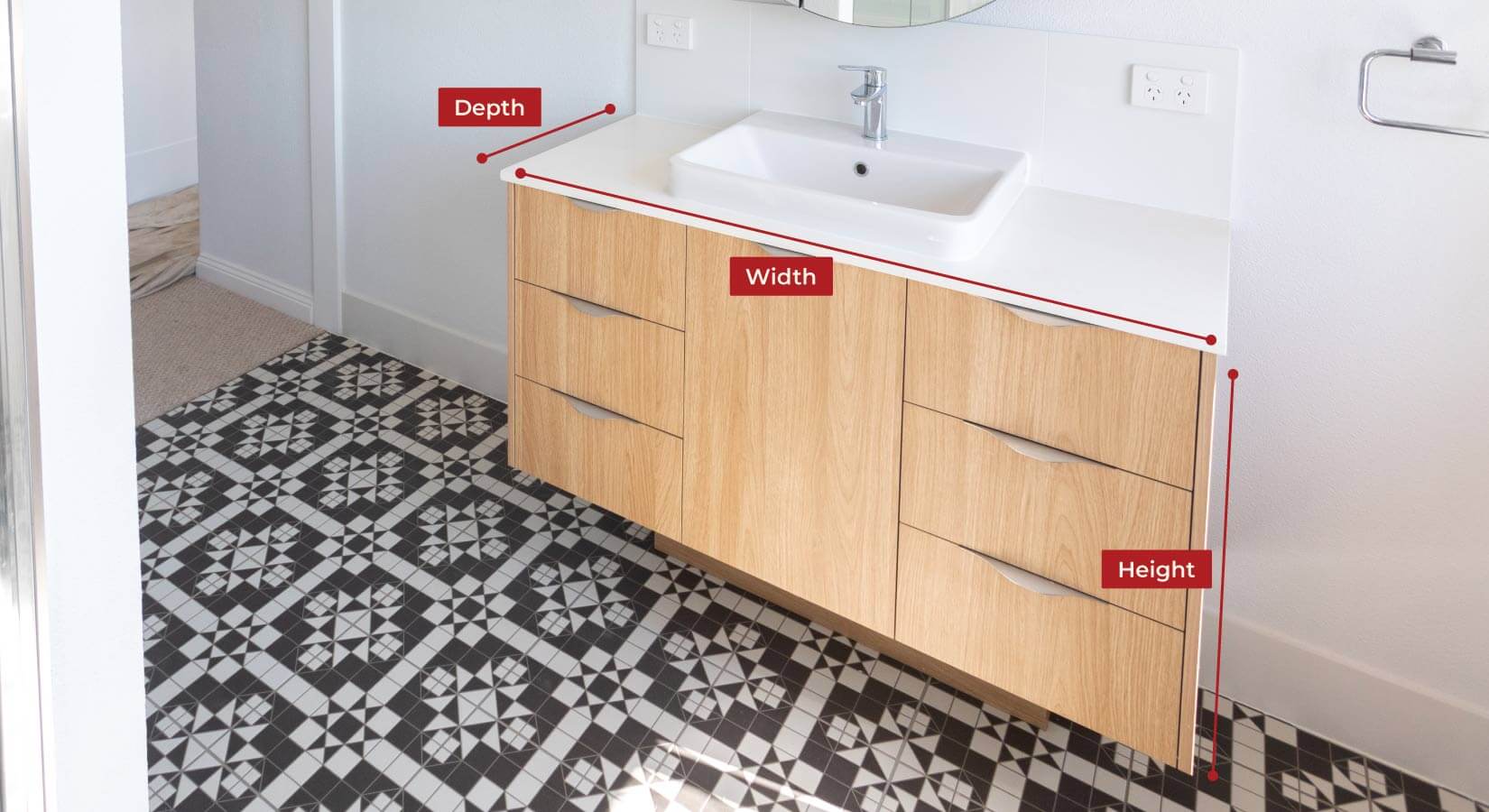
Start by measuring the width and depth of the bathroom area. Check how much space is available between walls or other fixtures. Leave enough room for comfortable movement. Consider the overall layout to avoid crowding the space.
Allowing For Plumbing
Measure the distance from the wall to the plumbing pipes. Plumbing needs space inside the cabinet for easy access. Make sure the cabinet depth does not block pipes or valves. Plan for some extra room to avoid future repairs difficulties.
Considering Countertop Overhang
The countertop usually extends beyond the cabinet edges. Measure the overhang to prevent it from sticking out too far. A proper overhang protects the cabinet and adds style. Keep the overhang size balanced with cabinet depth for a neat look.
Custom Vs. Pre-made Cabinets
Choosing the right depth for a vanity cabinet affects both style and function. Custom and pre-made cabinets offer different options. Understanding these differences helps pick the best fit for your bathroom space.
Benefits Of Custom Depth
Custom cabinets allow precise measurements. They fit perfectly in any bathroom size. This prevents wasted space and awkward gaps. You can choose the depth that suits your needs. More storage or a slim design is possible. Custom depth also matches your bathroom’s style better. It lets you pick materials and finishes freely. This flexibility improves both look and use.
Limitations Of Standard Sizes
Pre-made cabinets come in fixed depths. Usually, they range from 18 to 21 inches. These sizes may not fit all bathrooms well. Small spaces might feel crowded with standard cabinets. Larger bathrooms may lack enough storage. Standard depths limit design options. You cannot change style or materials easily. This makes it harder to personalize your bathroom. Also, standard sizes might not suit all plumbing setups. This can cause installation challenges or extra work.
Impact On Functionality
The depth of a vanity cabinet directly affects how well it works in your bathroom. It shapes comfort, storage, and looks. Choosing the right depth means the cabinet fits your space and needs perfectly.
User Comfort
The depth of the vanity cabinet affects how close you stand to the sink. A cabinet too deep forces you to lean forward. This may cause discomfort during daily tasks. A shallow cabinet keeps you closer and more comfortable. It also prevents bumping into the cabinet edges.
Storage Efficiency
Deeper cabinets offer more storage space inside. You can store larger items like hairdryers or cleaning supplies. Smaller cabinets limit what you can store. However, a very deep cabinet may waste space you don’t use well. The right depth balances enough storage with easy access.
Aesthetic Balance
The cabinet depth influences the bathroom’s look. A deep vanity can make the room feel crowded. A shallow vanity keeps the room open and airy. The depth should match the room size and style. This creates a balanced and pleasant appearance.
Popular Depths By Bathroom Type
Vanity cabinets come in various depths suited for different bathroom types. Choosing the right depth helps save space and keeps your bathroom functional. Each bathroom style needs a specific cabinet size to fit well and look balanced.
Small Bathrooms
Small bathrooms need shallow vanities to save room. A depth of 18 to 21 inches is common here. This size fits tight spaces without feeling crowded. It allows easy movement and keeps the bathroom open.
Master Bathrooms
Master bathrooms can handle deeper cabinets. Depths between 21 and 24 inches work well. This size offers more storage and countertop space. It suits larger bathrooms where space is not limited.
Powder Rooms
Powder rooms often use compact vanities. Depths of 16 to 20 inches fit best. These cabinets keep the room neat and simple. They provide enough space for a sink and some storage without crowding.
Materials And Construction Considerations
Choosing the right materials and construction for a vanity cabinet affects its depth and overall function. The cabinet needs to be strong and fit well in the bathroom space. Different materials offer different benefits and challenges. Understanding these helps you pick the best option for your vanity cabinet depth.
Construction quality also plays a role. A well-built cabinet lasts longer and holds up better under daily use. Let’s explore key points about materials and construction to consider for your vanity cabinet depth.
Durability Factors
Solid wood cabinets are very durable and resist wear well. They handle moisture better than some materials. MDF and particleboard are cheaper but less durable. They can swell or break if exposed to water. Look for cabinets with water-resistant finishes for longer life. Sturdy joints and good craftsmanship improve durability.
Weight And Support
Heavier materials need stronger support. Solid wood is heavier than MDF or plywood. The cabinet frame and wall anchors must hold the weight safely. Thicker cabinets add weight but offer more storage. Balance depth with the strength of your bathroom walls and floor.
Finishes Affecting Depth Perception
Light colors and glossy finishes make cabinets appear less deep. Dark colors and matte finishes make them look larger and heavier. Consider finishes that match your bathroom size. Glossy surfaces reflect light and open up the space visually. Matte surfaces add texture and a solid feel.
Credit: rocksolidvanities.com
Installation Tips For Perfect Fit
Installing a vanity cabinet correctly ensures it fits well and lasts long. Precise steps help avoid common issues like uneven surfaces or plumbing troubles. Follow these tips to make the installation smooth and secure.
Leveling And Securing
Start by checking the floor. Use a level tool to see if it is flat. Adjust the cabinet legs or use shims to fix any tilt. Secure the cabinet to the wall with screws. This stops it from moving or falling. Proper leveling keeps the doors and drawers working well.
Plumbing Adjustments
Measure the space behind the cabinet for pipes. Make sure the plumbing fits without bending or damage. Cut holes in the cabinet if needed for pipes. Use flexible connectors for easier installation. Check for leaks after connecting water lines. Proper plumbing avoids costly repairs later.
Maximizing Space
Choose a cabinet depth that fits your bathroom size. Use organizers or drawers inside for better storage. Keep the area under the sink clear for cleaning. Consider wall-mounted shelves or hooks nearby. This helps keep your bathroom neat and roomy.
Credit: kitchencabinetkings.com
Frequently Asked Questions
What Is The Standard Depth For A Vanity Cabinet?
The standard depth for a vanity cabinet is typically 21 inches. This size balances storage space and bathroom comfort effectively.
How Does Vanity Depth Affect Bathroom Space?
A deeper vanity offers more storage but consumes more floor space. Choosing the right depth ensures your bathroom feels spacious and functional.
Can Vanity Cabinets Be Custom Depth?
Yes, vanity cabinets can be custom-made to any depth. Custom sizes accommodate unique bathroom layouts and personal storage needs.
What Depth Suits Small Bathrooms Best?
For small bathrooms, a vanity depth of 18 to 20 inches is ideal. It maximizes space without overcrowding the room.
Conclusion
Choosing the right depth for your vanity cabinet matters a lot. It affects storage space and bathroom comfort. Too deep can crowd the room; too shallow limits what you store. Measure your space well before deciding. Think about your daily needs and habits.
A balanced depth helps keep your bathroom neat and easy to use. Small changes make a big difference in how your space feels. Take your time and pick a size that fits your lifestyle and room size perfectly.