Is your plastic outdoor furniture looking dull, dirty, or stained? You want your outdoor space to feel fresh and inviting, but cleaning plastic furniture can sometimes feel like a chore.
The good news is, cleaning your plastic outdoor furniture doesn’t have to be hard or time-consuming. With the right tips and simple steps, you can bring back that bright, clean look in no time. Keep reading to discover easy and effective ways to make your furniture shine again—your backyard will thank you!
Gather Cleaning Supplies
Before cleaning plastic outdoor furniture, gather all necessary supplies. This step saves time and makes the process easier. Having the right tools and cleaner helps remove dirt and stains effectively. Prepare everything in one place to avoid interruptions.
Essential Tools
Start with a soft brush or sponge for scrubbing. Use a bucket to mix water and cleaner. Have a hose or spray bottle ready for rinsing. Wear gloves to protect your hands from harsh chemicals. A cloth or towel helps dry the furniture after cleaning.
Choosing The Right Cleaner
Select a cleaner safe for plastic surfaces. Mild dish soap mixed with water works well. Avoid harsh chemicals that can damage the plastic. For tough stains, use a mixture of baking soda and water. Test any cleaner on a small area first to check for damage.
:max_bytes(150000):strip_icc()/how-to-clean-white-plastic-chairs-5224349-hero-54b6cb0c107a47e595623544f15cdca6.JPG)
Credit: www.thespruce.com
Prepare The Furniture
Preparing plastic outdoor furniture is the first step to a thorough clean. Proper preparation makes the cleaning easier and more effective. It helps remove dust, dirt, and other debris that can block cleaning agents. Taking time to prepare ensures a better result and protects the furniture from damage.
Remove Loose Dirt
Start by brushing off loose dirt and leaves. Use a soft brush or a dry cloth. This stops dirt from spreading during cleaning. Pay attention to corners and crevices where dirt hides. Removing loose dirt helps the cleaning solution work better. It also prevents scratching the plastic surface.
Set Up A Cleaning Area
Choose a flat, open space to clean your furniture. Ideally, work outdoors to avoid mess indoors. Lay down old towels or plastic sheets to catch drips. Gather all cleaning supplies nearby for easy access. Clear the area of obstacles to move freely. Setting up a good area saves time and effort.
Basic Cleaning Steps
Cleaning plastic outdoor furniture is simple with a few basic steps. These steps help remove dirt, grime, and stains. Regular cleaning keeps your furniture looking fresh and lasts longer. Follow these easy steps for the best results.
Mix Cleaning Solution
Start by mixing warm water and mild dish soap in a bucket. Use about one tablespoon of soap per gallon of water. Stir gently to create suds. Avoid harsh chemicals that can damage plastic surfaces.
Scrub The Surface
Dip a soft-bristle brush or sponge into the soapy water. Scrub the furniture gently to lift dirt and stains. Focus on areas with visible grime or mold. Take care not to scratch the plastic.
Rinse Thoroughly
Use a garden hose or clean water to rinse off the soap. Make sure all soap residue washes away. Soap left on the surface can attract more dirt. Let the furniture air dry in the sun for best results.
Credit: decoroutdoor.com
Tackling Stubborn Stains
Stubborn stains on plastic outdoor furniture can ruin its look. Dirt, grease, and mildew often stick and resist simple washing. Tackling these stains needs a bit more care and the right tools. Two easy and safe methods use common household items. These methods clean well without harming the plastic surface.
Use Baking Soda Paste
Baking soda is a gentle cleaner that removes tough stains. Mix baking soda with water to make a thick paste. Apply the paste on the stained areas. Let it sit for about 15 minutes to work on the grime.
Use a soft cloth or brush to scrub the paste gently. Rinse the furniture with clean water afterward. Baking soda also helps remove odors, leaving your furniture fresh.
Apply Vinegar Solution
White vinegar is excellent for breaking down stains and mildew. Mix equal parts of white vinegar and water in a spray bottle. Spray the solution directly on the stained spots.
Let it sit for 10 to 15 minutes for the vinegar to act. Wipe the area with a clean cloth or scrub lightly with a brush. Rinse well with water to remove vinegar smell and loosened dirt.
Preventing Mold And Mildew
Mold and mildew can damage plastic outdoor furniture fast. They cause stains, bad smells, and weaken the plastic over time. Preventing these problems keeps your furniture looking fresh and lasting longer. Simple steps stop mold and mildew growth before it starts.
Drying Techniques
Water left on furniture invites mold and mildew. After cleaning or rain, dry the furniture quickly. Use a dry cloth to wipe surfaces. Place furniture in the sun for a few hours. Sunlight kills mold spores and dries moisture. Avoid covering wet furniture with plastic sheets. Trapped moisture under covers helps mold grow.
Protective Coatings
Applying a protective coating stops mold and mildew. Use a spray made for plastic furniture. These coatings create a barrier against moisture. Reapply the coating every few months. Clean the furniture before each application. Protective coatings also help keep furniture color bright. They make future cleaning easier and faster.
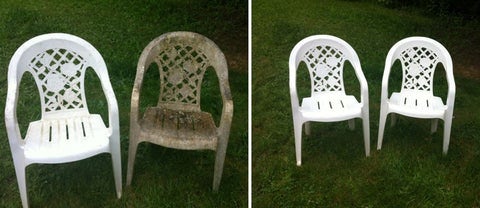
Credit: 30secondscleaners.com
Regular Maintenance Tips
Keeping plastic outdoor furniture clean and in good shape needs regular care. Simple steps can stop dirt buildup and damage. Regular maintenance helps furniture last longer and look fresh all year.
Routine Cleaning Schedule
Clean plastic furniture every two weeks during warm months. Use mild soap and water with a soft cloth or sponge. Rinse well to remove soap and dirt. Dry with a clean towel to avoid water spots. For tough stains, use a mix of water and baking soda. Avoid harsh chemicals that can damage plastic. Regular cleaning stops grime and mold from settling.
Storage Recommendations
Store furniture in a dry, shaded place during winter or bad weather. Cover pieces with breathable covers to block dust and moisture. Avoid plastic covers that trap moisture and cause mold. If storage space is limited, stack chairs and tables carefully to prevent scratches. Proper storage protects furniture from sun damage and rain. This care keeps plastic strong and bright for years.
Frequently Asked Questions
How Often Should I Clean Plastic Outdoor Furniture?
Clean plastic outdoor furniture every 1-2 months. Frequent cleaning prevents dirt buildup and keeps furniture looking fresh. More frequent cleaning is needed in dusty or rainy areas to maintain appearance and longevity.
What Household Items Clean Plastic Outdoor Furniture Best?
Use mild soap, warm water, and a soft cloth. Avoid harsh chemicals that can damage plastic. Baking soda or vinegar can remove stubborn stains safely without harming the furniture.
Can I Use A Pressure Washer On Plastic Furniture?
Yes, use a low-pressure setting to avoid damage. Keep the nozzle at least 12 inches away. Pressure washing effectively removes dirt but too much force can crack or scratch plastic.
How Do I Remove Mold From Plastic Outdoor Furniture?
Mix equal parts water and white vinegar. Apply with a spray bottle and scrub with a soft brush. Rinse thoroughly and dry in the sun to prevent mold return.
Conclusion
Cleaning plastic outdoor furniture is simple and quick with the right steps. Use mild soap and water to remove dirt and stains. A soft brush helps clean hard spots without damage. Rinse well and dry to avoid water marks. Regular cleaning keeps furniture looking fresh and lasts longer.
Enjoy your outdoor space with clean, bright plastic furniture every day. Easy care makes your outdoor time more pleasant and stress-free.


