Moving your toddler from a crib to a bed is a big step—for both of you. You might feel excited but also a little nervous about how to make the switch smooth and safe.
What if your child resists? What if bedtime becomes a struggle? You’re not alone in this. You’ll discover simple, effective tips that make the transition easier and help your toddler feel comfortable and secure. Keep reading to find out how you can turn this change into a positive experience for your whole family.

Credit: busytoddler.com
Signs Your Toddler Is Ready
Knowing when your toddler is ready to move from a crib to a bed helps make the change smooth. Watch for clear signs. These signs show your child is prepared for this new stage. Understanding them can ease worries and create a safe space for your toddler.
Physical Growth Indicators
Your toddler may outgrow the crib by size. Legs or arms might stick out over the crib’s edges. Climbing out of the crib is a strong signal. This can be dangerous and shows they need a bed. Check if your child can climb in and out of a bed safely.
Behavioral Clues
Notice if your toddler talks about a “big kid” bed. They may show interest in sleeping without crib rails. Nighttime restlessness or waking up often can mean discomfort. Your child might try to escape the crib at night. These behaviors suggest readiness for a new sleeping setup.
Safety Considerations
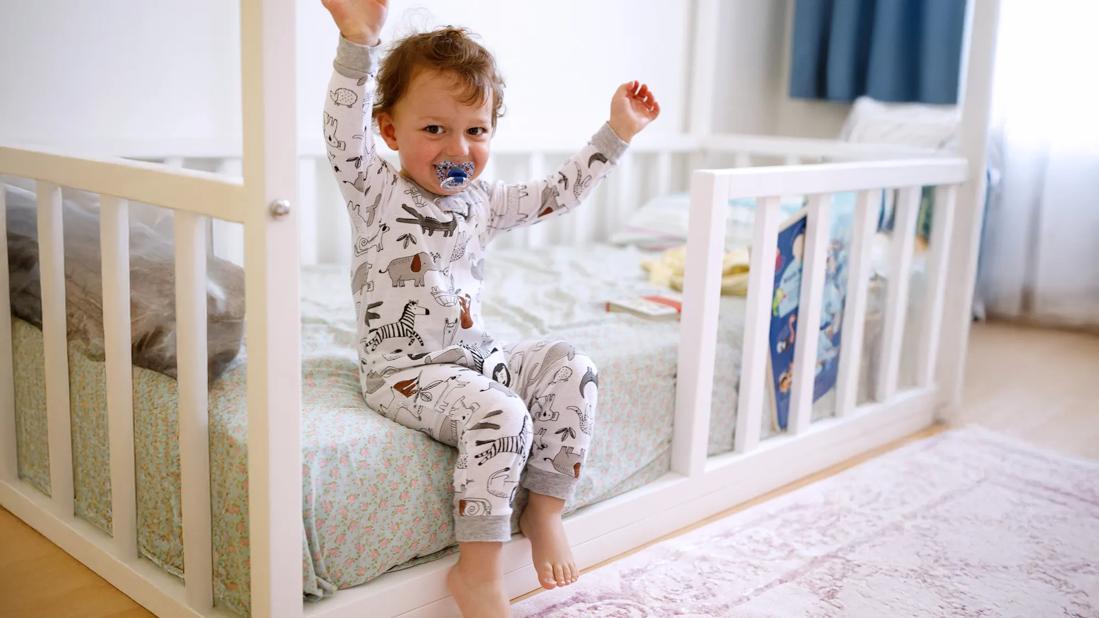
Safety must come first during this transition. Make sure the new bed has guardrails to prevent falls. Remove sharp or dangerous items near the bed. Check the room for hazards your toddler could reach. A safe environment helps your child feel secure in the new bed.
Choosing The Right Bed
Choosing the right bed is a key step in moving your toddler from a crib. The bed should feel safe and comfy for your child. It can help them sleep better and feel secure in their new space. This section covers important points to consider before buying a bed for your toddler.
Toddler Beds Vs. Twin Beds
Toddler beds are smaller and lower to the floor than twin beds. They often have side rails to stop your child from falling out. Twin beds are bigger and last longer as your child grows. Toddlers may find twin beds harder to climb in and out of. Think about how long you want to use the bed. Toddler beds suit younger children just starting out. Twin beds fit older toddlers and can be used for many years.
Safety Features To Look For
Choose a bed with strong guardrails on both sides. The bed should be low to the ground to prevent injuries from falls. Check that the materials are non-toxic and safe for children. Look for sturdy frames that do not wobble or shake. Avoid beds with sharp edges or small parts that can come off. Safety is the top priority to keep your toddler safe all night.
Comfort And Design Tips
Pick a mattress that is firm but soft enough to sleep on well. Choose breathable bedding to keep your toddler cool and cozy. Bright colors or favorite cartoon characters can make the bed inviting. Keep the design simple to match your child’s room style. A comfy and pleasant bed helps your toddler enjoy their new sleeping space.
Preparing The New Bed Area
Preparing the new bed area is an important step in moving your toddler from a crib to a bed. This helps your child feel safe and comfortable in the new space. It also makes the transition smoother and less stressful for both of you. Setting up the bed area carefully can create a positive bedtime routine.
Room Safety Checks
Start by checking the entire room for safety hazards. Remove sharp objects and small toys that can cause choking. Make sure windows have secure locks and cords are out of reach. Use outlet covers on all electrical sockets. Place the bed away from heaters or fans to avoid accidents. Check that the floor is clean and free from tripping hazards.
Creating A Cozy Sleep Space
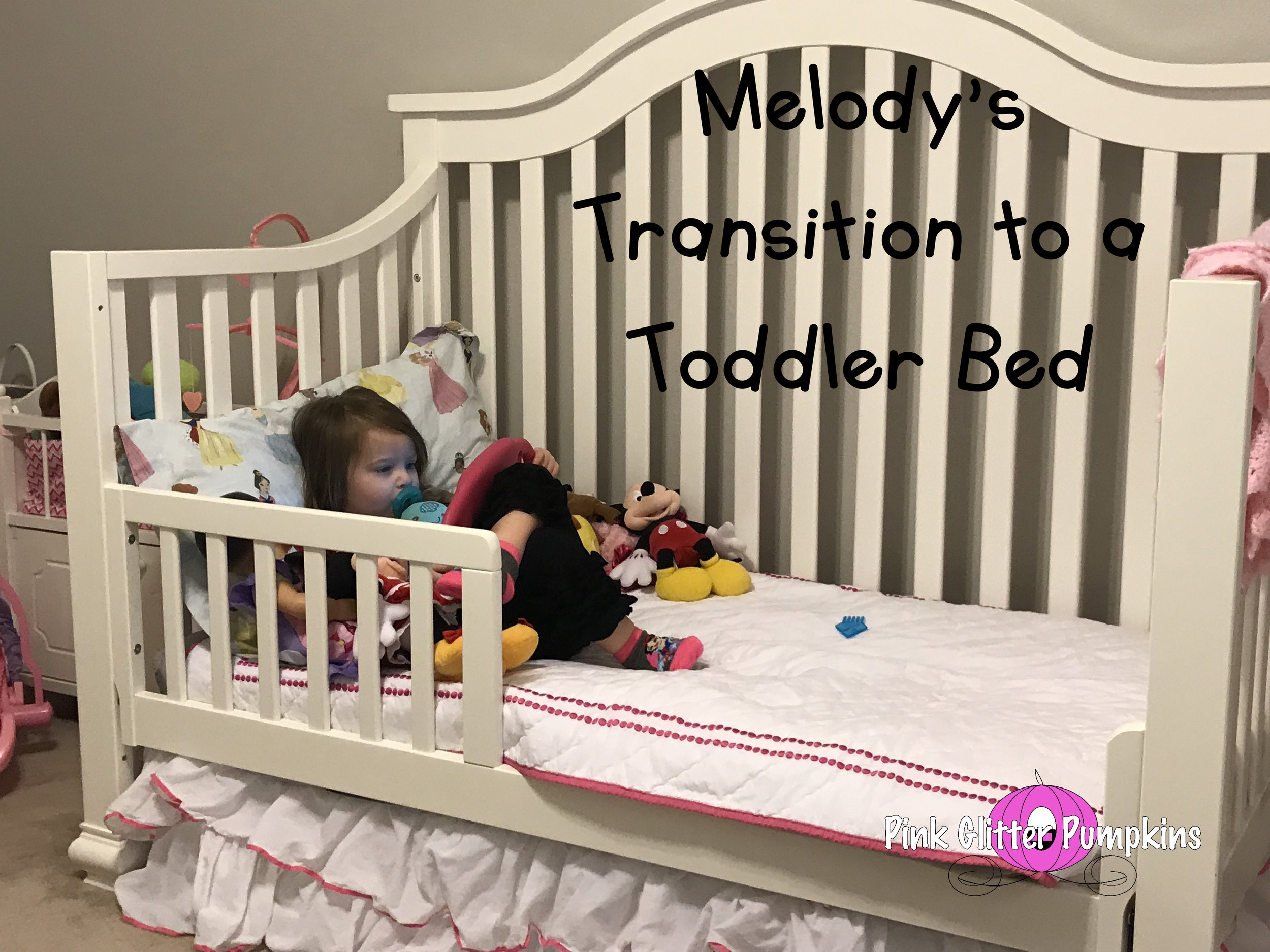
Choose soft bedding and a comfortable mattress for your toddler. Use a favorite blanket or stuffed animal to add comfort. Keep the lighting soft and warm, using a night light if needed. Add simple decorations that your child likes, such as colorful wall decals or a small rug. Keep the area quiet and calm to help your toddler relax.
Involving Your Toddler
Let your toddler help pick out the bedding and decorations. This makes them feel excited about the new bed. Talk about the new sleep space and what to expect. Encourage your child to arrange their toys and books nearby. Involve them in bedtime routines to build a sense of ownership and security.
Credit: www.pinkglitterpumpkins.com
Establishing A Bedtime Routine
Establishing a bedtime routine helps toddlers feel safe and calm. It makes the transition from crib to bed easier. A clear routine signals that sleep time is near. This helps reduce fussiness and resistance at bedtime.
Consistent Sleep Schedule
Set a fixed bedtime and wake-up time every day. Consistency helps toddlers’ bodies know when to sleep. Avoid letting your child stay up late sometimes. A steady schedule supports better sleep habits.
Soothing Activities Before Bed
Choose quiet activities like reading or gentle singing. These calm the mind and body before sleep. Avoid screen time or active play close to bedtime. Keep the environment soft and peaceful to ease the transition.
Using Comfort Objects
Introduce a favorite blanket or stuffed animal at bedtime. Comfort objects give toddlers a sense of security. They help children feel safe in their new bed. Let your child hold or cuddle the object as they fall asleep.
Helping Your Toddler Adjust
Helping your toddler adjust to a new bed can feel challenging. Toddlers need time to feel safe and comfortable in their new sleeping space. Patience and gentle guidance make the process smoother. Each child is different, so try various methods to find what works best.
Gradual Transition Techniques
Start by letting your toddler spend playtime in the new bed. Use naps as practice before moving to full-night sleeps. Keep the crib nearby during early nights. Slowly remove the crib once your child feels safe. This step-by-step method reduces fear and builds confidence.
Positive Reinforcement
Praise your toddler for small successes, like staying in bed all night. Use stickers or a reward chart to motivate good sleep habits. Celebrate progress without pressure. Encouragement helps your child feel proud and eager to keep trying.
Managing Night Wakings
Night wakings are normal during this change. Stay calm and quietly reassure your toddler. Avoid picking them up immediately. Guide them back to bed with gentle words and touch. Consistency in your response helps your toddler learn to self-soothe.
Common Challenges And Solutions
Moving your toddler from a crib to a bed can bring some challenges. Toddlers may feel unsure or scared. They might resist the change or have trouble sleeping. Understanding common issues helps parents find good solutions. This makes the transition smoother for both child and parent.
Fear Of Falling Out
Toddlers often worry about falling from the new bed. This fear can cause them to avoid sleep or get up at night. Use bed rails to keep your child safe. Place soft pillows or mats beside the bed for extra comfort. Reassure your toddler with calm words before sleep. A nightlight can also help reduce fear of the dark.
Resistance To Change
Your toddler may say no to leaving the crib. They feel safe and cozy there. Make the new bed fun with favorite blankets or stuffed toys. Let your child help pick the bedding. Keep a consistent bedtime routine to build comfort. Praise your toddler for sleeping in the bed. Patience and small rewards encourage positive behavior.
Sleep Regression Tips
Transition can cause sleep problems or waking up more. Keep a calm and quiet environment at bedtime. Avoid screen time before sleep. Stick to regular nap times during the day. Comfort your toddler if they wake up, but avoid bringing them back to the crib. Consistency will help them adjust and sleep better over time.
Credit: health.clevelandclinic.org
Frequently Asked Questions
When Is The Best Age To Transition Toddler From Crib To Bed?
Most toddlers transition between 18 months to 3 years old. Watch for signs like climbing out or outgrowing the crib. Choose a time when your child shows readiness and your family schedule is stable.
How To Prepare Toddler For Crib To Bed Transition?
Introduce the new bed gradually. Let your toddler explore and sit on the bed during the day. Maintain a consistent bedtime routine to provide comfort and security.
What Safety Measures Are Needed For Toddler’s New Bed?
Use bed rails to prevent falls. Remove sharp objects and secure furniture nearby. Ensure the room is childproofed to keep your toddler safe during nighttime.
How To Handle Toddler’s Fear Of Sleeping In A Bed?
Offer comfort items like a favorite toy or blanket. Use night lights and stay calm during bedtime. Be patient and consistently reassure your toddler to build confidence.
Conclusion
Transitioning your toddler from crib to bed takes time and patience. Keep routines steady and comforting. Let your child feel safe and secure. Expect some nights to be easier than others. Celebrate small wins and stay calm through setbacks. Your toddler will adjust at their own pace.
Enjoy this new stage of growing up. Remember, consistency helps build good sleep habits. This change can bring more freedom and fun. Stay positive and supportive every step of the way.