Are you wondering how high your bookshelf should be when placed over a dresser? Getting the right height isn’t just about looks—it’s about making your space feel comfortable and functional.
If your shelf is too low, it can feel cramped; too high, and it might be hard to reach or look awkward. You’ll discover the perfect height that balances style and practicality, making your room more inviting and easier to organize.
Keep reading to find out how a simple adjustment can transform your space!

Credit: www.artfullywalls.com
Ideal Height Range
Choosing the right height for a bookshelf over a dresser matters a lot. It affects room balance and daily use. The ideal height range keeps the space functional and stylish. It also ensures safety and comfort.
Understanding standard measurements and other factors helps pick the best height. This guide explains these key points clearly.
Standard Measurements
Most dressers are about 30 to 36 inches tall. Bookshelves above them usually start 12 to 18 inches higher. This gap allows easy access to both dresser and shelf.
Common bookshelf heights range from 48 to 72 inches. This fits well in most rooms. It also keeps the look balanced and neat.
Keeping the shelf top below eye level helps avoid discomfort. It also makes the room feel open and safe.
Factors Influencing Height
Room size affects how tall the bookshelf should be. Smaller rooms need shorter shelves to avoid crowding.
Purpose matters too. If you use the shelf for display, keep it eye-friendly. For storage, higher shelves can work.
User height affects comfort. Taller people may prefer slightly higher shelves. Shorter users need lower shelves for easy reach.
Wall space also limits height. Make sure the shelf fits without blocking windows or vents.
Room And Space Considerations
Choosing the right height for a bookshelf above a dresser depends a lot on the room and space available. The size of the room and how high the ceiling is can change the way the bookshelf looks and feels. Also, the dresser’s style and size play a big role in deciding the bookshelf’s height.
Ceiling Height Impact
High ceilings allow for taller bookshelves. You can place the bookshelf higher without crowding the space. Low ceilings need shorter shelves to avoid a cramped look. Keep some space between the top of the bookshelf and the ceiling. This helps the room feel open and balanced.
Dresser Size And Style
The height of the dresser affects the bookshelf’s position. Tall dressers mean the bookshelf should start higher. Short dressers allow for lower shelves. The style matters too. A modern dresser with clean lines pairs well with simple, straight shelves. A vintage dresser might look better with a bookshelf that has decorative details.
Functionality And Accessibility
Functionality and accessibility are key when placing a bookshelf over a dresser. The shelf should be at a height that makes it easy to use every day. It must allow you to reach items without stretching too much.
At the same time, the height should keep the space safe. It should not cause any risk of objects falling or hitting your head. Balancing ease of use and safety is essential for a good setup.
Ease Of Reach
Place the bookshelf so you can reach it comfortably. Most people find a height between 12 to 18 inches above the dresser works well. This space lets you grab books or items without straining.
If the shelf is too high, you may need a step stool. That can be inconvenient and unsafe. Keep frequently used items on lower shelves. Put less used things on higher shelves.
Safety Concerns
Ensure the bookshelf is securely fastened to the wall or dresser. This prevents it from tipping over or falling. Avoid placing heavy objects on the top shelf to reduce risk.
Check that the shelf does not stick out too far. It could cause bumps or injuries in a small room. Keep a clear space above the dresser to avoid head bumps.
Credit: murphydoor.com
Aesthetic Balance
Aesthetic balance is key when placing a bookshelf over a dresser. It helps the space feel calm and organized. Choosing the right height creates a pleasing look and avoids clutter. A balanced setup makes your room look neat and inviting. Focus on visual proportion and design harmony to achieve this balance.
Visual Proportion
Visual proportion means the size of the bookshelf compared to the dresser. The bookshelf should not be too tall or too short. If the shelf is too high, it can overwhelm the dresser. Too low, and it may look squished or odd. Aim for the bookshelf to be about one-third to one-half the height of the dresser. This ratio keeps the setup balanced and easy on the eyes.
Design Harmony
Design harmony means matching the styles and colors of both pieces. The bookshelf and dresser should look like they belong together. Use similar materials or colors to create a smooth flow. Avoid clashing designs that make the space feel busy. Keeping the lines and shapes consistent adds to the room’s calm feeling. Harmony helps the bookshelf and dresser work as one unit.
Installation Tips
Installing a bookshelf over a dresser needs care and planning. Proper installation keeps the shelf stable and safe. It also makes the space look neat and balanced. Follow these tips to install your bookshelf correctly.
Measuring Techniques
Start by measuring the height of your dresser. Note the total height from floor to top. Decide how much space you want between the dresser and the shelf. Leave enough room for items on the dresser and easy reach of shelf contents. Mark the wall at this height to guide your installation. Double-check all measurements before drilling or mounting.
Mounting Methods
Use strong wall anchors or screws suitable for your wall type. Locate studs behind the wall for the best support. If studs are unavailable, use heavy-duty drywall anchors. Attach mounting brackets securely to the wall. Align the bookshelf with the brackets and fasten it firmly. Check the shelf is level with a spirit level tool. Secure all screws tightly to prevent wobbling or falling.
Common Mistakes To Avoid
Choosing the right height for a bookshelf over a dresser matters more than most think. Many people make simple mistakes that affect both look and safety. Avoiding these errors helps create a balanced and secure space. Here are common mistakes to watch out for.
Too High Or Too Low
Mounting the bookshelf too high makes it hard to reach items. It also looks awkward and unbalanced. Placing it too low can block access to the dresser top. Aim for a height that allows easy reach and maintains good visual flow. Measure carefully before installation.
Ignoring Weight Limits
Every bookshelf has a weight limit. Ignoring this can cause the shelf to sag or fall. Heavy books or decorations add stress to the brackets and wall. Check the weight capacity and distribute items evenly. Secure the shelf properly to support its load safely.
Customizing For Different Needs
Choosing the right height for a bookshelf over a dresser depends on how you plan to use the space. Each room has its own needs and style. Customizing the height helps keep the area safe, useful, and attractive. This section looks at two common spaces: children’s rooms and multi-purpose rooms. It explains how to adjust the shelf height to fit each need perfectly.
Children’s Rooms
In children’s rooms, safety is very important. Shelves should be low enough for kids to reach books and toys easily. This encourages reading and play. Avoid placing shelves too high to prevent accidents. Keep the top shelf at least a few inches above the dresser. This leaves space for lamps or decorations without blocking access.
Use the shelf to store favorite books or small baskets. Organize items so kids can grab what they want quickly. Bright colors and fun designs on the shelf can make the room more inviting. Adjust the height as children grow to keep the shelf useful and safe.
Multi-purpose Spaces
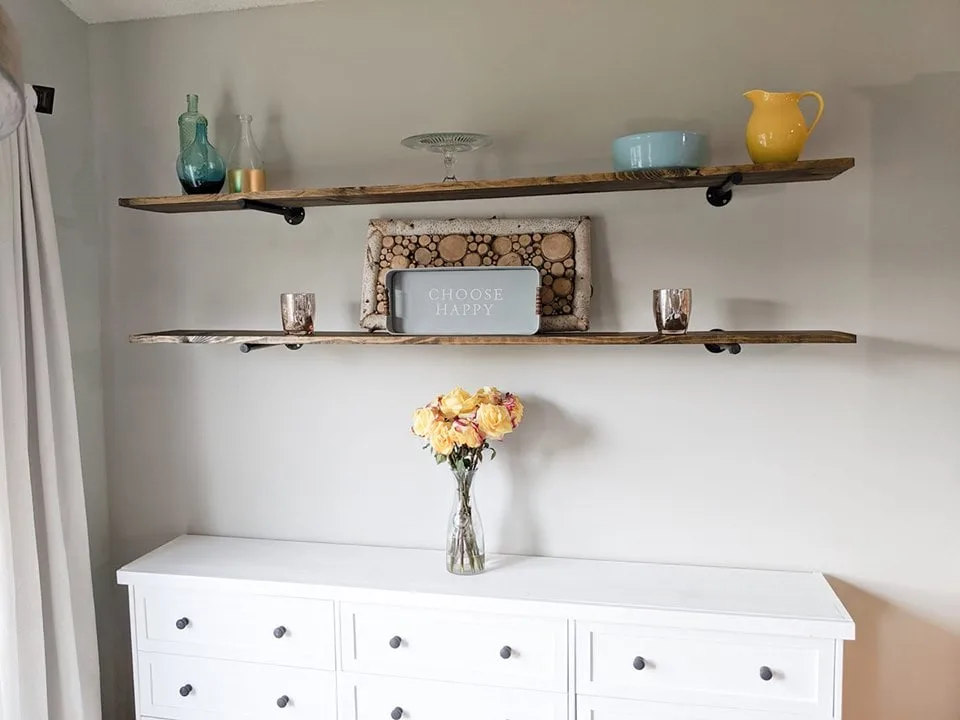
In rooms used for more than one purpose, shelf height must fit all activities. For example, in a guest room that doubles as an office, the shelf should hold work supplies and personal items. Keep the shelf high enough to allow space on the dresser for a laptop or writing materials.
Measure the dresser height and add at least 12 inches for a good gap. This creates enough room to work comfortably. Use adjustable shelves or modular units to change the setup easily. This way, the shelf adapts to different needs without cluttering the space.
Credit: anexerciseinfrugality.com
Frequently Asked Questions
How High Should A Bookshelf Be Above A Dresser?
Ideally, place the bookshelf 12 to 18 inches above the dresser. This spacing ensures easy access and balanced aesthetics. It prevents clutter and allows room for decorative items on the dresser. Adjust based on ceiling height and room size for best results.
What Is The Ideal Bookshelf Height For A Dresser?
The ideal bookshelf height complements the dresser’s height, usually between 5 to 7 feet total from the floor. This height maintains visual harmony and accessibility. Avoid placing shelves too high to keep books and items within reach comfortably.
Can A Bookshelf Be Mounted Directly On A Dresser?
Mounting a bookshelf directly on a dresser is not recommended. It risks stability and makes cleaning difficult. Leaving space between the dresser and bookshelf improves safety and allows space for decorative items. Always secure the bookshelf properly to the wall.
How To Measure Space For Bookshelf Over Dresser?
Measure the dresser height first, then add 12 to 18 inches for bookshelf placement. Consider ceiling height and room layout. Use a tape measure to ensure the shelf fits without overwhelming the space. Proper measurement avoids overcrowding or awkward gaps.
Conclusion
Choosing the right height for a bookshelf over a dresser matters. It keeps the space safe and looks nice. Usually, leaving 12 to 18 inches between them works well. This distance helps you reach items easily and keeps things tidy.
Think about the room size and how you use the dresser. A well-placed shelf adds style without crowding. Small changes make a big difference in comfort and look. Keep it simple, practical, and pleasing to the eye. Your space will feel organized and inviting.