Have you ever wondered just how big a military bunk bed really is? Whether you’re planning to fit one into your home, a cabin, or just curious about its size, knowing the exact dimensions can help you make the right choice.
You might be surprised to learn that these beds are designed with both space and durability in mind. You’ll discover the true size of a military bunk bed and why it’s built that way. Keep reading to find out if a military bunk bed could be the perfect fit for your space and needs.
Military Bunk Bed Dimensions
Military bunk beds are designed for efficiency and durability. They have specific dimensions to fit tight spaces and hold heavy use. Understanding these sizes helps you plan room layouts well. It also ensures comfort and safety for users.
Standard Length And Width
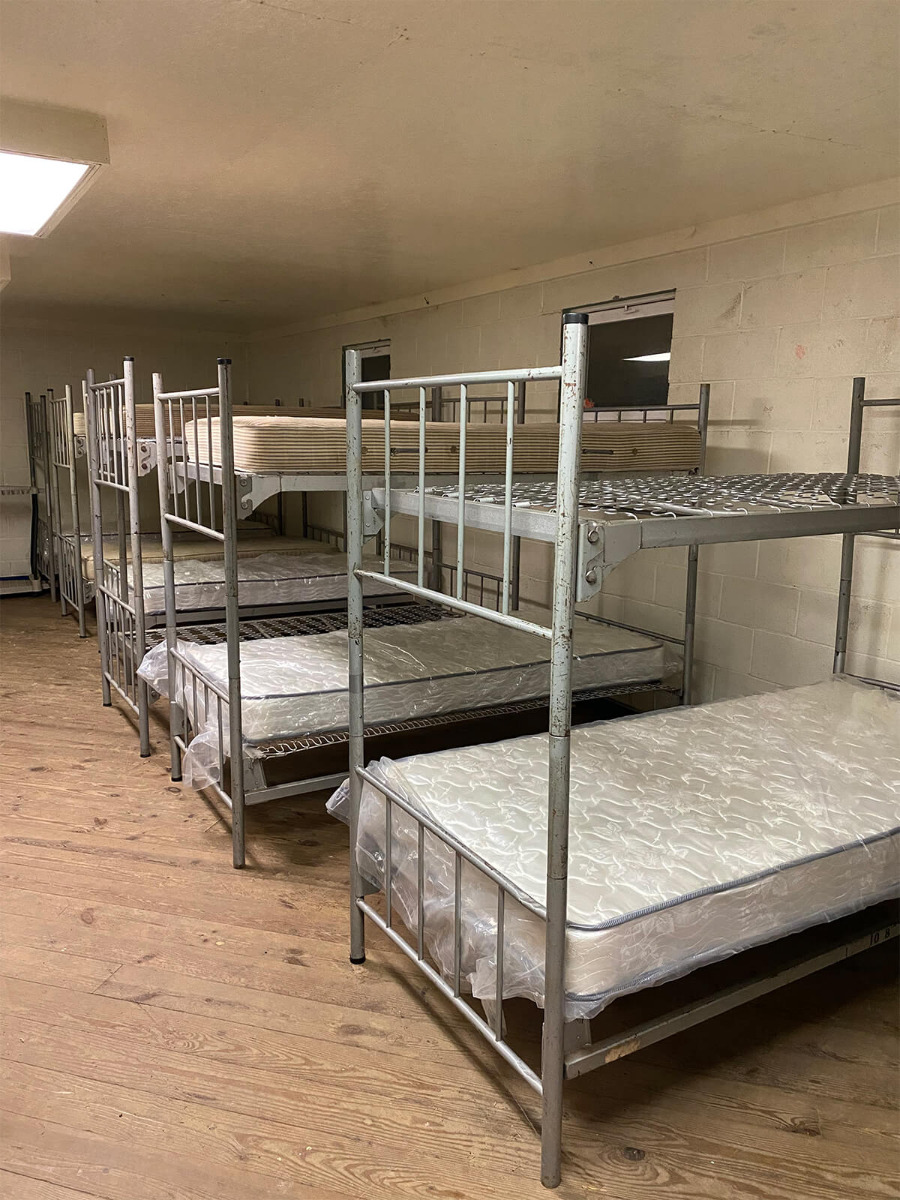
The typical military bunk bed measures about 75 inches long. This length fits most adults comfortably. The width usually runs around 39 inches. This size matches a standard twin mattress. The design keeps the bed compact yet practical.
Height And Clearance Space
Height varies but often reaches 65 to 70 inches tall. This height allows enough room for the top bunk user. Clearance between the top and bottom bunk is about 33 to 36 inches. This space gives enough headroom for sitting up. It also helps with air circulation.
Credit: colemans.com
Comparing Military And Civilian Bunk Beds
Military bunk beds and civilian bunk beds serve the same basic purpose: saving space and providing sleeping areas for multiple people. Their designs reflect the different needs of their users. Military bunk beds focus on durability and compactness. Civilian bunk beds often emphasize comfort and style. Comparing these two types helps understand their unique features.
Size Differences
Military bunk beds usually have smaller dimensions. The standard mattress size is often twin or narrower. This size fits tight spaces in barracks or ships. Civilian bunk beds come in various sizes. Twin, full, and even queen sizes are common. They fit bedrooms with more space. Military beds prioritize efficiency over extra room. Civilian beds focus on comfort and personal space.
Material And Design Variations
Military bunk beds use strong materials like steel or aluminum. They are built to last under tough conditions. The design is simple and functional. No extra decorations or soft edges. Civilian bunk beds use wood, metal, or a mix. Designs range from simple to elaborate. Some include ladders, guardrails, and storage. Comfort and aesthetics matter more in civilian models. Military beds are made to be practical and sturdy.
Factors Influencing Bunk Bed Size
The size of a military bunk bed varies widely. Several factors affect these dimensions. Understanding these helps explain why bunk beds differ across settings.
Military bunk beds are designed for specific needs. These needs shape their height, width, and length. Space-saving and durability also play key roles. These factors ensure the bed fits its intended use perfectly.
Branch-specific Specifications
Each military branch follows its own rules for bunk bed size. The Army, Navy, Air Force, and Marines have different standards. These reflect the unique environments and missions of each branch.
For example, Navy bunk beds may be smaller to fit on ships. Army beds might be larger for comfort in barracks. The size also depends on the typical soldier’s height and gear.
Purpose And Usage
The bunk bed’s purpose affects its size significantly. Beds for temporary use, like in training camps, tend to be compact. Beds in permanent quarters offer more space and comfort.
Storage needs can also change bed size. Some military beds include built-in lockers or shelves. This design saves space and keeps gear organized.
Space Requirements For Military Bunk Beds
Military bunk beds are designed to save space while providing sturdy sleeping arrangements. Understanding their space needs helps plan a functional room. These beds are larger than standard bunk beds to fit military mattresses and equipment. Planning space carefully ensures comfort and safety for users.
Room Layout Considerations
Military bunk beds need a clear area around them for easy use. Leave space on all sides to move freely. The beds are usually about 80 inches long and 42 inches wide. Allow extra room for climbing up and down safely. Position beds away from doors and windows to avoid blockages. Consider the ceiling height as these beds can be tall.
Safety And Accessibility
Safety is key when placing military bunk beds. Ensure ladders or stairs are secure and easy to reach. Keep the area around the bed free from clutter. Install guardrails on the top bunk to prevent falls. Make sure there is enough headroom for the person on top. Check that the bed frame is strong and stable. Good lighting near the bed helps avoid accidents.
Customization And Modifications
Military bunk beds are not one-size-fits-all. They can be changed to fit different needs and spaces. Customizing these beds helps make them more useful and comfortable. These changes keep the strong, simple design but add new features.
Adjustable Features
Many military bunk beds come with parts that adjust. The height of the top bunk can change. This helps fit rooms with low ceilings. Some beds let you change the ladder’s position. This makes getting up easier. The bed frames can fold or separate into two single beds. This adds flexibility for different uses and rooms.
Adding Storage Options
Storage can be added under or around the bunk bed. Drawers fit under the bottom bunk for clothes or gear. Shelves can attach to the sides for books or supplies. Some models include hooks for hanging bags or jackets. These storage options help keep rooms tidy and organized. Using space well is important in small rooms.

Credit: nationalhomestore.com
Choosing The Right Military Bunk Bed
Choosing the right military bunk bed is important for comfort and space use. These beds are strong and compact. Picking one that fits your needs makes a big difference. Think about where the bed will go and how it will be used. This helps find the best fit for any room or situation.
Assessing Space And Needs
Measure the room before selecting a bunk bed. Military bunk beds come in different sizes. Consider how many people will use the bed. Also, think about the height of the ceiling. Leave enough space for easy movement. Choose a bed that fits well but does not crowd the room.
Think about extra features like storage or a ladder. Some beds have built-in drawers or shelves. These save space and keep the room tidy. Decide what features matter most for your space and lifestyle.
Durability And Materials
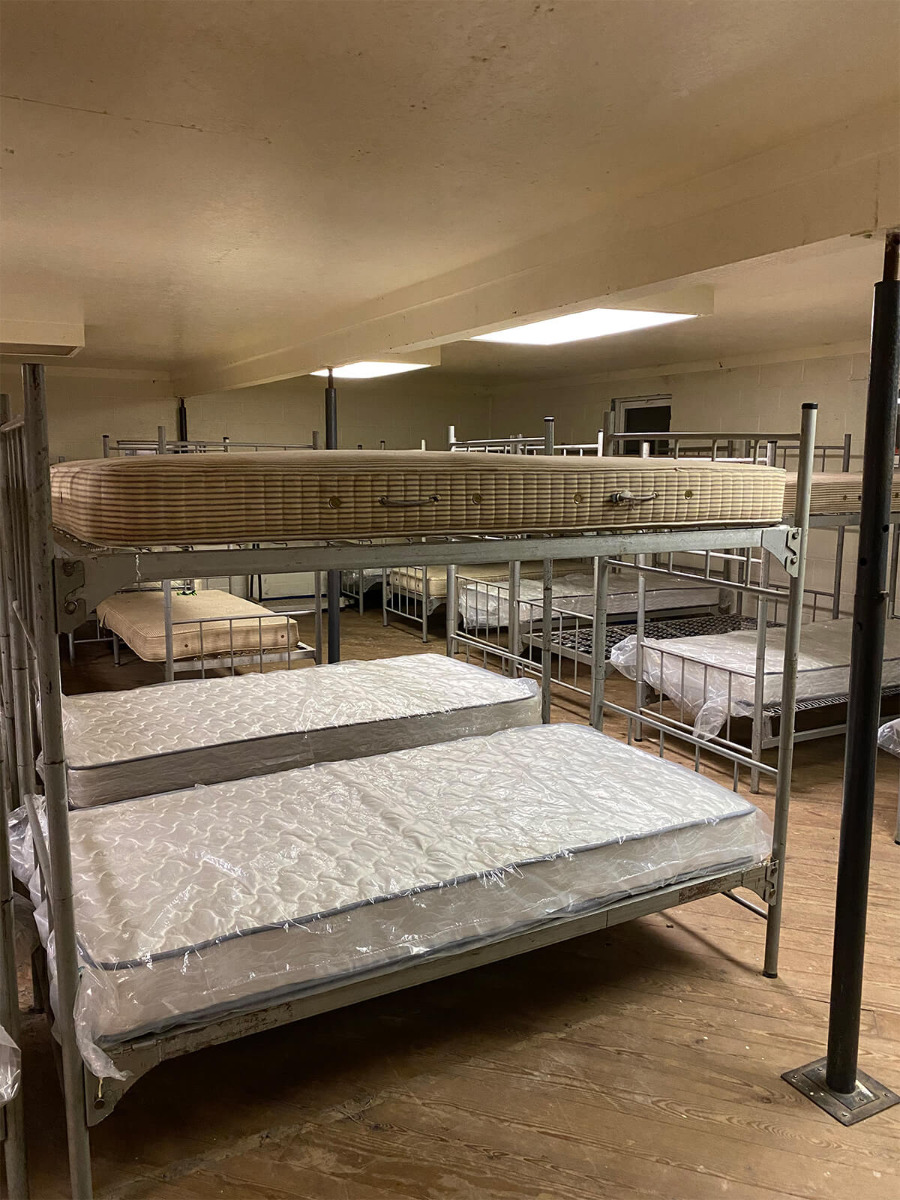
Military bunk beds are made to last. Look for strong materials like metal or hardwood. These materials hold up well under heavy use. Check the quality of welding or joints to ensure safety. The bed should hold weight without wobbling or creaking.
Paint or finish should resist scratches and chips. This keeps the bed looking good for years. A durable bed saves money over time. It means fewer repairs or replacements are needed.
Credit: colemans.com
Frequently Asked Questions
What Are The Standard Dimensions Of A Military Bunk Bed?
Military bunk beds typically measure 80 inches long and 36 inches wide. These dimensions ensure comfort and durability for soldiers. The height between bunks is usually around 33 inches for easy access. This size fits standard military mattresses and maximizes space efficiency.
How Much Weight Can A Military Bunk Bed Support?
Most military bunk beds support between 400 to 800 pounds. They are designed with sturdy steel frames to hold heavy loads. This strength accommodates active service members and their gear safely. Weight capacity varies by manufacturer but always meets military durability standards.
Why Are Military Bunk Beds Different From Regular Bunk Beds?
Military bunk beds prioritize durability, space-saving, and ease of assembly. They use heavy-duty steel and have a simple design for quick setup. Unlike regular bunk beds, they focus on functionality over style. This makes them ideal for harsh environments and frequent use.
Can Military Bunk Beds Fit In Small Living Spaces?
Yes, military bunk beds are designed to maximize space efficiency. Their compact size and stacked design allow easy placement in tight quarters. They help save floor space and provide two sleeping areas in one footprint. This makes them suitable for dorms and small rooms.
Conclusion
Military bunk beds are built to save space and offer durability. They usually measure about 75 inches long and 39 inches wide. These beds fit well in tight places like barracks or dorms. Knowing their size helps when planning room layouts or buying similar beds.
The strong design supports heavy use every day. Choosing the right size bunk bed makes a big difference. It keeps rooms organized and comfortable for soldiers. Now, you have a clear idea of how large a military bunk bed really is.
