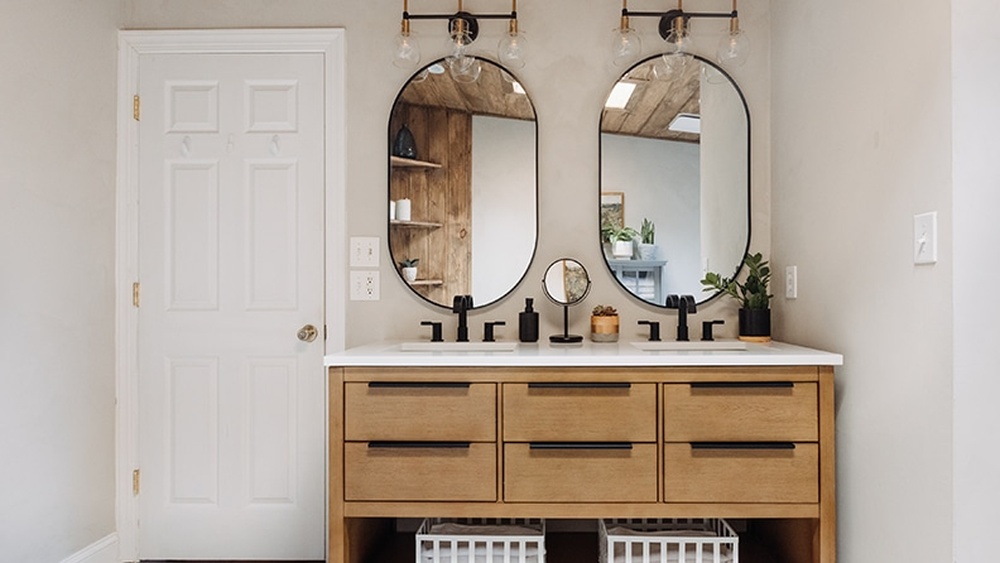
Have you ever wondered what could go wrong if you don’t secure your vanity to the cabinet? It might seem like a small detail, but this step is crucial for your safety and the longevity of your furniture.
Ignoring it could lead to unexpected accidents, costly repairs, and a lot of frustration. You’ll discover exactly why securing your vanity matters and what risks you’re taking by skipping it. Keep reading to protect your home and peace of mind.
Common Vanity Installation Methods
Installing a vanity requires care and proper technique. The way you install it affects its stability and safety. There are two main types of vanities: freestanding and secured. Each type has a different method of installation. Knowing these methods helps avoid damage and accidents later.
Securing the vanity to the cabinet or wall is important. It stops the unit from moving or tipping over. This section explains the common installation methods used by professionals and homeowners.
Freestanding Vs Secured Vanities
Freestanding vanities stand on their own legs or base. They do not attach to the wall or cabinet. This makes them easier to move and replace. But they can shift or tip if bumped.
Secured vanities are fixed firmly to the wall or cabinet frame. They use screws or brackets for strong attachment. This prevents wobbling and adds safety. Secured vanities suit busy bathrooms or homes with children.
Typical Securing Techniques
Common securing methods include screws, brackets, and anchors. Screws go through the vanity into wall studs for strong hold. Brackets add extra support at corners or edges.
Wall anchors help if studs are not in the right place. They keep screws tight in drywall. Professionals often use a combination of these techniques. This ensures the vanity stays firmly in place over time.

Credit: www.colincanhelp.com
Immediate Risks Of Not Securing A Vanity
Not securing a vanity to the cabinet causes several immediate problems. The vanity can shift or move easily. This movement can lead to damage and safety hazards. Understanding these risks helps avoid costly repairs and accidents. The following points explain key dangers.
Instability And Movement
Without proper securing, the vanity does not stay stable. It can wobble or slide with small pushes. This instability makes the vanity unsafe to use daily. Standing or leaning on it may cause it to tip or fall. Loose vanities also create an uncomfortable bathroom experience. Fixing the vanity in place prevents all these issues.
Potential Damage To Plumbing
Vanity movement can harm the plumbing pipes underneath. Pipes may loosen or crack from constant shifting. Water leaks may start and cause water damage. Plumbing repairs can be expensive and time-consuming. Securing the vanity keeps pipes steady and protects plumbing systems.
Long-term Consequences
Failing to secure a vanity to a cabinet causes problems that get worse over time. Small issues turn into bigger damages. These damages cost money to fix and take a lot of time. Understanding these long-term effects helps protect your bathroom fixtures and avoid headaches.
Wear And Tear On Cabinet Structure
A loose vanity moves during daily use. This movement puts stress on the cabinet joints. Over time, the wood or material can crack or split. Hinges and screws may loosen or fall off. The cabinet becomes unstable and unsafe to use. Repairing or replacing the cabinet costs more than securing the vanity in the first place.
Risk Of Water Damage
A vanity not secured to the cabinet allows gaps to form. Water from sinks and splashes seeps into these gaps. Moisture damages the cabinet material, causing swelling and warping. Mold and mildew grow in damp, dark places. This creates health hazards and unpleasant smells. Water damage weakens the cabinet and can ruin the floor underneath. Early securing prevents these costly water problems.
Safety Hazards
Not securing a vanity to the cabinet creates serious safety hazards. The vanity can move or tip over unexpectedly. This can cause accidents and injuries. Understanding the risks helps prevent harm in your home.
Tipping And Injury Risks
A loose vanity can easily tip forward or sideways. This can happen if you lean on it or place heavy items on top. A tipping vanity may fall on feet or hands, causing cuts or bruises. Falling vanities can also damage plumbing and flooring. Securing the vanity keeps it stable and safe.
Child Safety Concerns
Children often climb or pull on vanities. An unsecured vanity can tip over and trap a child underneath. This risk is high in homes with toddlers and young kids. Securing the vanity prevents dangerous accidents and protects your little ones. It helps create a safer bathroom environment for children.
Impact On Home Value And Repairs
Failing to secure a vanity to a cabinet can cause damage that affects your home’s value. Loose or unstable vanities look unprofessional and can scare buyers. Repairing these issues takes time and money. Understanding the impact helps protect your investment.
Reduced Market Appeal
A vanity that wobbles or shows damage lowers your home’s appeal. Buyers notice small problems and may doubt overall maintenance. This can reduce offers or delay sales. A secure vanity shows care and quality in your home.
Costly Fixes And Renovations
Loose vanities can cause water leaks or cabinet damage. These issues lead to costly repairs like replacing cabinets or fixing floors. Ignoring the problem often means bigger expenses later. Securing the vanity prevents these costly repairs and keeps your home safe.
:strip_icc()/7005828_AA_2722_preview-32238b892c2b40c0be4ee99201c4ab72.jpg)
Credit: www.bhg.com
Best Practices To Secure Vanities
Securing a vanity to a cabinet is important for safety and stability. A loose vanity can wobble or tip, causing damage or injury. Properly attaching the vanity keeps it steady during daily use. It also helps protect plumbing and prevents leaks.
Following best practices ensures the vanity stays firmly in place. Using the right tools and materials makes the job easier and safer. Step-by-step instructions help avoid mistakes and save time.
Tools And Materials Needed
- Power drill with drill bits
- Screwdriver (Phillips and flathead)
- Level
- Measuring tape
- Stud finder
- Wood screws (appropriate length)
- Brackets or mounting clips (if required)
- Pencil for marking
- Safety goggles and gloves
Step-by-step Securing Process
- Locate the wall studs using a stud finder.
- Place the vanity in its final position and check level.
- Mark the mounting points on the wall and cabinet.
- Drill pilot holes in the marked spots carefully.
- Attach brackets or mounting clips to the vanity.
- Secure the vanity to the wall studs using screws.
- Double-check the vanity is level and stable.
- Tighten all screws firmly, but avoid overtightening.
- Clean the area and remove any debris.
When To Call A Professional
Securing a vanity to a cabinet is important for safety and stability. Sometimes, the job can be tricky and needs special skills. Knowing when to call a professional can save time and avoid damage. Professionals have the right tools and experience for a secure fit.
Signs You Need Expert Help
Loose vanities that wobble or tilt need expert attention. Gaps between the vanity and cabinet show poor fitting. Visible cracks or damage around the installation point signal problems. If you hear creaking sounds when using the vanity, call a pro. Uneven doors or drawers also suggest the vanity is not secured well.
Choosing The Right Installer
Select installers with good reviews and proven experience. Check if they specialize in bathroom fixtures. Ask about their tools and methods for securing vanities. Confirm they offer a warranty or guarantee on their work. Clear communication and prompt service are signs of a reliable installer.
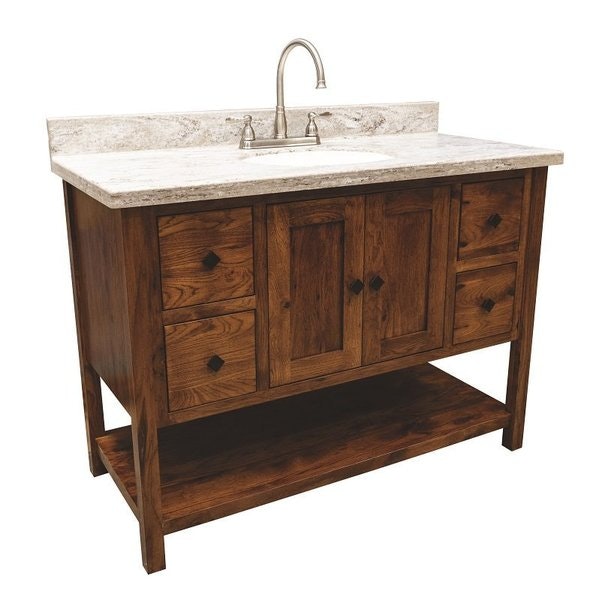
Credit: www.dutchcrafters.com
Frequently Asked Questions
What Happens If Vanity Isn’t Secured To Cabinet?
If a vanity isn’t secured, it can tip or shift easily. This risks damage to plumbing and causes potential injury. Securing ensures stability and extends the vanity’s lifespan.
Why Is Vanity Anchoring Important For Safety?
Anchoring prevents the vanity from tipping during use or accidents. It protects children and pets from injuries. Proper installation ensures a secure and safe bathroom environment.
Can Unsecured Vanities Damage Bathroom Floors?
Yes, unsecured vanities may move and scratch floors over time. This causes costly repairs and damages flooring materials. Securing the vanity prevents unnecessary wear and tear.
How Does Securing A Vanity Affect Plumbing?
A loose vanity can stress plumbing connections, causing leaks or breaks. Securing stabilizes pipes and fittings, reducing maintenance issues. This helps maintain a leak-free bathroom setup.
Conclusion
Failing to secure a vanity to the cabinet can cause serious problems. The vanity might wobble or fall, risking injury and damage. Loose vanities also make cleaning and daily use difficult. Safety and stability matter most in any bathroom setup.
Taking time to secure the vanity properly prevents accidents and extra costs. A small effort now saves trouble later. Keep your bathroom safe, sturdy, and functional by securing your vanity well. Simple steps make a big difference in the long run.