You want the best for your toddler, especially when it comes to sleep. But have you ever wondered how long after eating your little one should go to bed?
Timing can make a big difference in how well your child sleeps and how comfortable they feel. If you’ve noticed bedtime battles or restless nights, the answer might be closer than you think. Keep reading to discover the simple yet powerful tips that can help your toddler drift off peacefully every night.
Your evenings—and their sleep—will thank you.

Credit: www.naturepedic.com
Ideal Eating To Bedtime Gap
Understanding how a toddler’s digestion affects sleep helps create better bedtime routines. Toddlers process food differently than adults. Their small stomachs work quickly but need time to settle before sleep.
Eating too close to bedtime may cause discomfort. This discomfort can make it hard for toddlers to fall asleep or stay asleep. A calm and settled tummy leads to deeper, more restful sleep.
How Digestion Affects Sleep Quality
Digestion slows down during sleep. When food is still heavy in the stomach, toddlers may feel restless. Acid reflux or gas can cause pain and disrupt sleep cycles.
Eating a big meal right before bed can lead to frequent waking. Light snacks, eaten earlier, help avoid these issues. Giving the body time to digest supports better sleep quality.
Signs Of Discomfort To Watch For
Watch for signs your toddler is uncomfortable after eating. Fussiness or crying at night may signal tummy troubles. Frequent coughing or spitting up could mean acid reflux.
Restlessness, tossing, and turning can also show digestion problems. These signs suggest waiting longer after eating before bedtime. Adjust meal timing to help your toddler sleep soundly.
Toddler Digestion And Sleep
Choosing the right foods before bedtime helps toddlers sleep better. The right snacks calm the body and prepare it for rest. Foods with natural sleep aids can make bedtime easier. Avoiding heavy or sugary foods prevents discomfort and restlessness.
Sleep-friendly Snacks
Simple snacks with protein and carbs support sleep. A small bowl of yogurt with banana works well. Whole grain crackers with cheese calm the stomach. Warm milk contains tryptophan, which helps sleep. Apples with peanut butter give lasting energy without spikes.
Foods To Avoid At Night
Stay away from sugary snacks before bedtime. Candy and chocolate can cause energy bursts. Spicy or fried foods may upset digestion. Citrus fruits can trigger heartburn and discomfort. Caffeine, even in small amounts, can disturb sleep.
Best Foods Before Bed
Creating a bedtime routine helps toddlers feel safe and ready for sleep. A steady routine teaches them what to expect each night. This makes falling asleep easier and faster. Planning the time between eating and sleeping is key. It allows the body to digest food without rushing bedtime.
Parents can build a calm and gentle sequence of activities. This helps toddlers relax after mealtime. The right routine supports healthy digestion and better sleep. It also reduces fussiness and bedtime struggles.
Incorporating Mealtime
Schedule dinner at least 30 to 60 minutes before bedtime. This gap lets toddlers digest their food comfortably. Avoid heavy or sugary meals close to bedtime. Choose light and healthy snacks if needed. A consistent mealtime signals the body that bedtime is near. Toddlers learn to expect quiet time after they eat.
Calming Activities Post-eating
After dinner, keep activities calm and gentle. Reading a story or singing soft songs works well. Avoid loud or active play that raises energy levels. A warm bath can soothe and relax muscles. Dim lights in the room help signal sleep time. These steps help toddlers wind down slowly and peacefully.
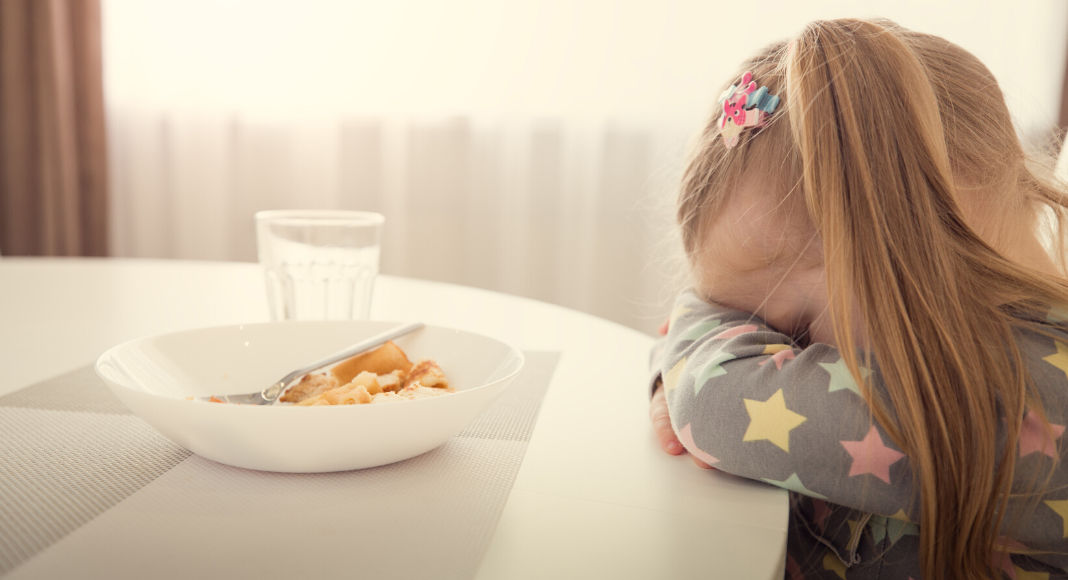
Credit: columbiamom.com
Creating A Bedtime Routine
Helping your toddler move from eating to bedtime can be tricky. Smooth transitions make bedtime easier for both parents and children. Experts share simple tips to create calm evenings. These tips respect your child’s unique needs and daily routine.
Adjusting For Individual Needs
Every toddler is different. Some need more time to digest food before sleeping. Others may feel sleepy right after eating. Watch your child’s behavior to find the best timing. Keep a consistent routine to help your toddler feel secure. Adjust meal and sleep times based on energy levels and mood. Flexibility helps your child relax and settle down faster.
Handling Late Feedings
Sometimes, feeding happens close to bedtime. Choose light, easy-to-digest foods for late meals. Avoid heavy or sugary snacks that can cause discomfort or energy spikes. Offer water instead of juice or milk before bed. Keep the environment calm and quiet to signal sleep time. A gentle routine helps your toddler wind down after eating late.

Credit: www.amazon.com
Frequently Asked Questions
How Long Should Toddlers Wait After Eating To Sleep?
Toddlers should wait about 30 to 60 minutes after eating before bedtime. This helps digestion and reduces discomfort. Waiting prevents issues like acid reflux and promotes better sleep quality for toddlers.
What Foods Affect Toddler Sleep After Eating?
Heavy, sugary, or fatty foods can disrupt toddler sleep. These foods may cause indigestion or energy spikes. Offering light, balanced meals before bed helps toddlers fall asleep easier and stay asleep longer.
Can Toddlers Go To Bed Immediately After Eating?
It’s not ideal for toddlers to sleep right after eating. Immediate sleep can cause digestive problems and discomfort. A short wait allows proper digestion, improving sleep quality and overall health for toddlers.
How Does Eating Timing Impact Toddler Sleep Quality?
Eating too close to bedtime can cause indigestion and restlessness. Proper timing supports better digestion and calmness. This results in longer, more restful sleep, benefiting a toddler’s growth and development.
Conclusion
Waiting about 1 to 2 hours after eating helps toddlers sleep well. This gives their body time to digest food comfortably. Avoid putting toddlers to bed right after meals to prevent discomfort. A calm routine before sleep supports better rest and mood.
Every child is different, so watch your toddler’s needs closely. Good sleep habits today create healthy patterns for tomorrow. Keep mealtime and bedtime consistent for best results. Healthy sleep helps toddlers grow strong and happy. Simple steps make bedtime smoother for both parents and kids.