Are you wondering how long your little one should stay in their toddler bed? It’s a question many parents face as their child grows and changes fast.
You want to make sure your toddler is safe, comfortable, and happy while sleeping. But when is the right time to move on to a bigger bed? Understanding the signs and knowing what to expect can save you stress and keep your child’s bedtime smooth.
Keep reading to discover everything you need to know about how long your toddler can stay in their bed and when it’s time for the next step.
When To Transition
Knowing when to transition your child from a crib to a toddler bed is important. The right time helps your toddler feel safe and comfortable. It also makes the change easier for the whole family. Every child is unique, so watch for clear signs. These signs show your toddler is ready for this new step.
Signs Your Toddler Is Ready
Your toddler may start climbing out of the crib. This is a strong signal to switch to a toddler bed. If your child talks about a big kid bed, it shows interest. Nighttime fears or waking often can mean they need more space. Growing taller and bigger might make the crib feel small. These signs tell you the toddler bed is a good idea.
Age Range Guidelines
Most toddlers move to a toddler bed between 18 months and 3 years. Some children are ready sooner, others later. The key is the child’s behavior and physical growth, not just age. Parents should consider safety and comfort above all. A toddler bed usually fits a child until about 5 years old. Use age as a guide, but watch your toddler closely.

Credit: busytoddler.com
Safety Considerations
Safety is the top priority when choosing a toddler bed. Toddlers are curious and active. Their bed must keep them safe all night. Parents need to consider the bed size, design, and room setup. These factors reduce risks and help toddlers sleep well.
Bed Size And Design
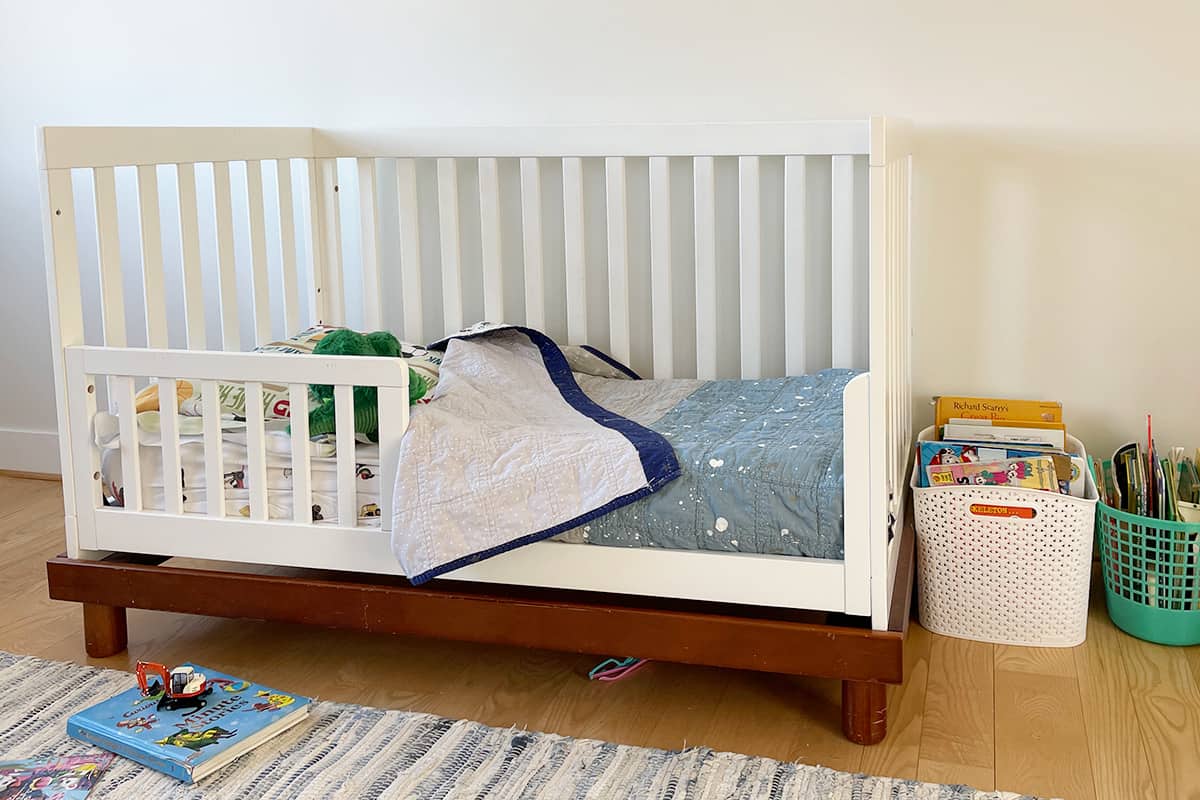
The bed must fit the toddler well. Too big or too small can cause discomfort or danger. Choose a bed with guardrails. Guardrails stop toddlers from rolling out. Rounded edges on the bed protect from bumps. The mattress should be firm and snug. Loose bedding can cause choking or suffocation risks.
Preventing Falls
Falls are a common risk for toddlers. Use bed rails on both sides. Place the bed low to the floor. This reduces injury if a child falls out. Teach toddlers to stay in bed while sleeping. Keep the floor around the bed clear of toys and objects. A soft rug next to the bed cushions any accidental falls.
Room Childproofing Tips
Childproofing the room adds extra safety. Cover electrical outlets with safety plugs. Secure furniture to walls to prevent tipping. Keep cords and blind strings out of reach. Remove small objects that toddlers can choke on. Use night lights to help toddlers see at night. Check the room regularly for new hazards.
Duration In A Toddler Bed
The duration a toddler spends in a toddler bed varies by child. This stage is a transition from a crib to a regular bed. Parents often ask how long this phase should last. Understanding typical timeframes and influencing factors helps in making the right choice.
A toddler bed is designed for safety and comfort. It suits children who have outgrown their crib but are not ready for a big bed. Knowing the usual duration can ease this parenting step.
Typical Timeframes
Most toddlers use a toddler bed from about 18 months to 5 years old. This period depends on the child’s growth and readiness. Some children stay longer in toddler beds for security reasons. Others move on quickly to a bigger bed. On average, two to three years is common.
Factors Influencing Length Of Use
Several factors affect how long a toddler stays in the bed. Child’s size and physical growth play a big role. Safety concerns matter, especially if the child climbs out. Emotional readiness is another key factor. Some toddlers feel safe in their toddler bed longer. Parental preference and available space also influence timing.
Alternatives To Toddler Beds
Choosing the right bed for your toddler is important. Sometimes, a toddler bed may not be the best fit for every child. Parents can consider other options that suit their child’s needs and growth. Alternatives to toddler beds offer flexibility and comfort during this transition phase.
These alternatives help ensure your child sleeps safely and comfortably. They also support healthy sleep habits as your child grows.
Using A Crib Longer
Many cribs can convert into toddler beds. Some cribs allow children to stay longer safely. This option works well for toddlers who feel secure in their crib. It avoids the sudden change to a new bed. Parents can remove the crib rails to create more space. This keeps the familiar sleeping environment while giving toddlers more room to move.
Switching To A Twin Bed
A twin bed is a good choice for older toddlers. It offers more space and lasts many years. Toddlers ready for more independence may enjoy this change. Using safety rails can prevent falls during sleep. A twin bed also grows with the child into their school years. It provides a long-term sleeping solution with comfort and security.
Expert Tips For A Smooth Transition
Moving your toddler to a toddler bed can feel like a big step. It takes patience and care. Experts share tips to help this change go smoothly. These tips make bedtime easier for both parents and toddlers. Follow these simple strategies to create a calm bedtime routine.
Establishing A Sleep Routine
Set a regular bedtime and stick to it. Consistency helps your toddler feel safe. Create calming activities before bed, like reading or soft music. Avoid screens and loud noises at least 30 minutes before sleep. A steady routine signals it’s time to rest.
Involving Your Toddler
Let your toddler help pick their new bed or bedding. This gives them control and excitement about the change. Talk about the new bed positively. Use simple words to explain the new sleeping place. Involvement builds confidence and reduces fear.
Handling Nighttime Challenges
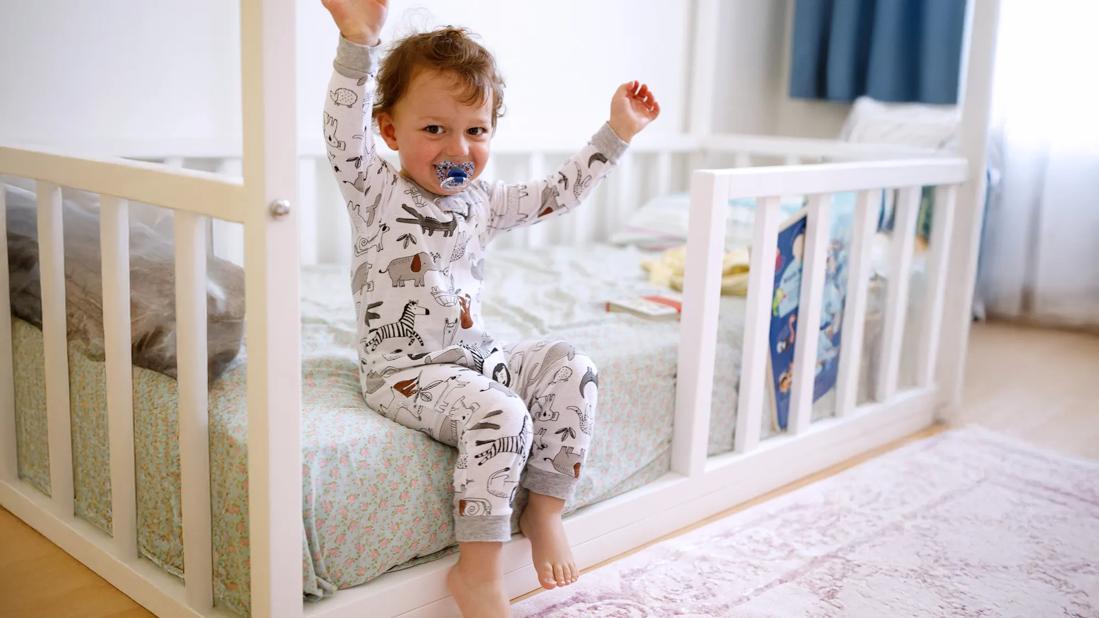
Expect some nights to be tricky. Stay calm and patient. Comfort your toddler with gentle words if they wake up. Avoid turning on bright lights or loud sounds. Guide them back to bed with soft voices. Consistent reassurance helps them feel secure.
Credit: www.yummytoddlerfood.com
Credit: health.clevelandclinic.org
Frequently Asked Questions
How Long Can Toddlers Safely Use A Toddler Bed?
Toddlers typically use toddler beds from ages 18 months to 5 years. Safety depends on the child’s size and behavior. Transition to a regular bed when the child outgrows the toddler bed or climbs out frequently.
When Should Parents Switch From A Crib To Toddler Bed?
Parents usually switch between 18 months and 3 years. Signs include climbing out of the crib or increased mobility. The toddler bed offers more freedom and safety for active toddlers.
What Factors Affect The Duration In A Toddler Bed?
Factors include the child’s size, development, and safety needs. Behavioral issues like climbing out early may shorten use. Comfort and readiness also influence when to move to a bigger bed.
Can A Toddler Bed Be Used Beyond Age 5?
Yes, some toddlers use these beds beyond age 5 if it fits them comfortably. However, most children transition to a twin or full bed by this age for space and comfort.
Conclusion
Toddlers usually stay in toddler beds between ages two and five. Each child grows at their own pace. Watch for signs your toddler needs a bigger bed. Safety and comfort come first. Transition when your child can climb out or feels cramped.
A good bed helps your toddler sleep well. Keep bedtime routines simple and calm. Remember, every child is different. Trust your instincts and enjoy this stage.