Are you wondering how long your baby can safely sleep in a toddler bed? Making the switch from a crib to a toddler bed is a big step for both you and your little one.
But knowing the right time to move on—and how long they should stay in that bed—can feel confusing. You want to keep your child comfortable and safe, while also encouraging good sleep habits. Keep reading to discover clear, simple answers that will help you make the best choice for your family’s needs.
When To Transition To A Toddler Bed
Knowing when to move your baby to a toddler bed is important. This change helps your child feel safe and comfortable. It also supports better sleep habits as they grow.
Timing this transition carefully can make bedtime easier for both of you. Watch your child’s behavior and physical growth for clues. These signs show readiness for a toddler bed.
Signs Your Baby Is Ready
Your baby may try to climb out of the crib. This can be dangerous and is a clear sign. They might also ask to sleep in a “big kid” bed.
Showing interest in the toddler bed or wanting more space to move is common. Your child might start sleeping in different positions. These behaviors suggest it is time to change.
Ideal Age Range
Most children move to a toddler bed between 18 months and 3 years. Some may be ready earlier or later. Each child grows at their own pace.
Consider your child’s height and weight. Make sure the toddler bed fits them well. Safety and comfort are key factors to consider.
Typical Toddler Bed Sleep Duration
Understanding how long a toddler sleeps in their new bed helps parents set good routines. Toddlers need enough sleep to grow and stay healthy. Their sleep patterns change as they grow and move to a toddler bed. Typical sleep duration includes both nighttime sleep and daytime naps. Knowing these helps create a calm bedtime and nap schedule.
Average Nighttime Sleep
Toddlers usually sleep between 10 and 12 hours at night. This range supports their development and mood. Some may sleep a little less or more. A consistent bedtime helps toddlers get enough rest. Nighttime sleep is the longest sleep period for toddlers. Parents often notice better behavior with enough nighttime sleep.
Daytime Naps
Toddlers often take one or two naps during the day. These naps last from 1 to 3 hours total. Naps help toddlers stay alert and happy. As toddlers grow, they may need fewer naps. Some toddlers stop napping around age 3. Quiet time can replace naps if needed for some toddlers.
Factors Affecting Sleep Length
Several factors influence how long a baby sleeps in a toddler bed. Understanding these can help parents create better sleep habits. Sleep length depends on the child’s physical and mental growth, the sleeping space, and daily habits. Each factor plays a key role in ensuring restful nights for toddlers.
Developmental Milestones
As toddlers grow, their sleep needs change. Learning to walk or talk can make them more tired or restless. Some milestones may cause shorter naps or night waking. Growth spurts often increase sleep demands. Parents should watch for these changes and adjust sleep times accordingly.
Sleep Environment
The room where a toddler sleeps impacts their rest. A quiet, dark, and cool room helps promote longer sleep. Too much noise or light can wake the child. Comfortable bedding and a safe bed also matter. A cozy environment encourages peaceful sleep for toddlers.
Routine Consistency
Regular sleep schedules help toddlers know when to rest. A set bedtime and wake time train their bodies to sleep longer. Consistent routines reduce fussiness and night waking. Bedtime stories or calming activities signal that sleep time is near. Predictability in routine supports healthy sleep length.
Safety Tips For Toddler Bed Sleep
Transitioning your baby to a toddler bed is exciting but requires careful attention to safety. Toddlers are curious and active, so creating a safe sleep space is essential. Proper safety measures reduce risks and help your child sleep comfortably.
Bed Rails And Barriers
Installing bed rails or barriers prevents your toddler from falling out. Choose rails that fit the bed securely and are the right height. Check them often to ensure they stay in place. Avoid gaps where your child could get stuck.
Room Childproofing
Childproof the entire room, not just the bed. Cover electrical outlets and remove small objects from the floor. Secure furniture to walls to prevent tipping. Keep cords, blinds, and sharp items out of reach.
Safe Sleep Practices
Use a firm mattress that fits the bed frame well. Dress your toddler in light, comfortable pajamas to avoid overheating. Keep pillows, heavy blankets, and stuffed animals out of the bed. Maintain a cool, quiet, and dark room to encourage better sleep.
Common Sleep Challenges
Moving a baby to a toddler bed brings many changes. Sleep patterns often shift. Parents notice new challenges at night. Understanding these common sleep issues helps ease the transition. It also supports better rest for both child and family.
Night Wakings
Night wakings happen more often in toddler beds. Children feel freer to move or explore. Some wake up and get out of bed. They may feel scared or lonely. Comfort and consistent routines reduce these wake-ups.
Bedtime Resistance
Some toddlers resist going to bed. They want to stay up or play. This behavior can last weeks or months. Clear rules and calm bedtime routines help. Patience and firmness work best here.
Transition Anxiety
Change can cause anxiety in toddlers. They miss the crib’s safety and closeness. Fear of falling or dark rooms may grow. Reassurance and small comforts ease worries. Night lights and favorite toys provide support.

Credit: myfirstnursery.co.uk
Expert Strategies To Improve Sleep
Helping your toddler sleep well in their new bed can be challenging. Experts suggest simple strategies that improve sleep quality and make the transition easier. These methods create a calm and safe environment for your child. Consistency and comfort play key roles in better sleep habits.
Establishing A Sleep Routine
A regular sleep routine helps toddlers feel secure and ready for bed. Set a fixed bedtime and wake-up time every day. Include calming activities like reading or singing before sleep. A predictable routine signals the brain it is time to rest. Avoid screens and active play right before bedtime.
Comfort Objects
Comfort objects give toddlers a sense of safety at night. A favorite blanket or stuffed animal can help ease fear and anxiety. Let your child choose the object to make it special. Keep the item nearby so your toddler can hold it while falling asleep. This small comfort supports longer and more peaceful sleep.
Positive Reinforcement
Praise your toddler for good sleep behavior to encourage it. Use kind words and small rewards for staying in bed all night. Celebrate progress, even if it is just one night. Positive reinforcement builds confidence and motivates your child to keep trying. Avoid punishment for waking up or leaving the bed.
When To Move Beyond The Toddler Bed
Moving beyond the toddler bed is an important step in your child’s growth. It signals new independence and a bigger sleeping space. The change should be smooth and safe for your child. Watch for clear signs that your toddler is ready for a big kid bed.
Signs Your Child Needs A Big Kid Bed
Climbing out of the toddler bed often means it is time to change. Your child may feel cramped or uncomfortable in the small bed. Growing taller or heavier can make the toddler bed less safe. Showing interest in a bigger bed or your own bed can be a sign. Sometimes, your child asks for a new bed. These clues help you decide if the time is right.
Timing The Next Transition
Choose a calm time for the move, avoiding big life changes. Start the transition when your child sleeps well and feels secure. Let your child help pick the new bed for excitement. A familiar blanket or toy can ease the change. Keep a bedtime routine steady to help your child adjust. The shift may take days or weeks to feel normal. Patience helps your child settle in the new bed safely.
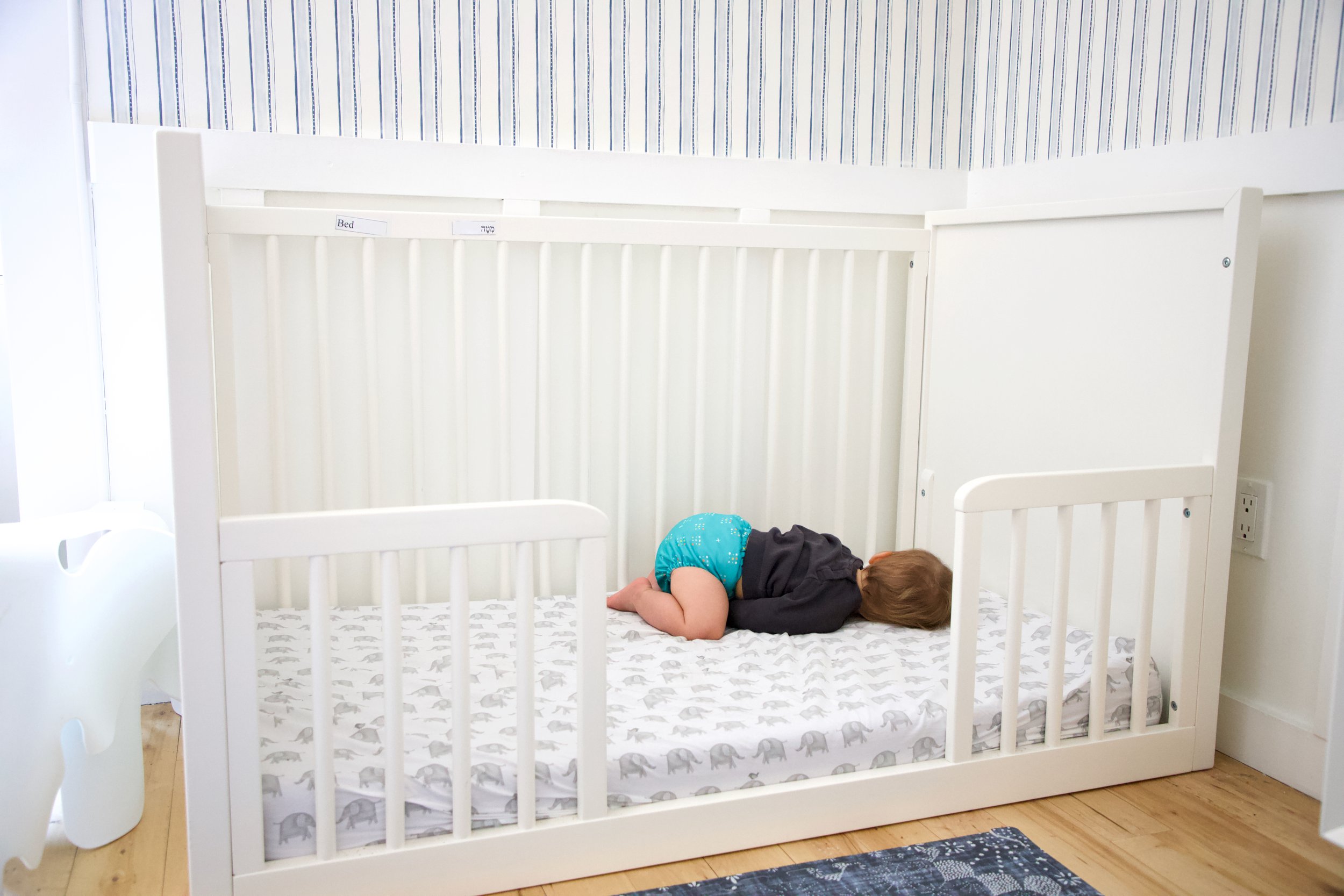
Credit: www.homeandontheway.com

Credit: www.flyawaydesigns.com
Frequently Asked Questions
How Long Do Toddlers Typically Sleep In A Toddler Bed?
Toddlers usually sleep in a toddler bed from ages 18 months to 5 years. Transition depends on the child’s growth and comfort. Some may move earlier to a twin bed, while others stay longer based on safety and personal needs.
When Should I Transition My Baby To A Toddler Bed?
Transition to a toddler bed usually occurs between 18 months and 3 years. Signs include climbing out of the crib or needing more space. Safety and readiness are key factors to consider before moving your child.
Can Toddlers Sleep Safely In Toddler Beds Overnight?
Yes, toddlers can sleep safely in toddler beds overnight if the bed has guardrails. Ensure the mattress fits snugly to prevent gaps. Always choose a bed designed for toddlers to reduce injury risks during sleep.
What Factors Affect How Long Toddlers Use Toddler Beds?
Factors include child’s size, sleep habits, and safety concerns. Comfort and willingness to stay in bed also matter. Parents should monitor growth and behavior to decide the right time to upgrade the bed.
Conclusion
Toddlers can sleep in their beds until they feel ready to move on. Each child grows and changes at their own pace. Safety and comfort matter most for good sleep. Watch your child’s behavior for signs of readiness. Keep the bed area cozy and secure.
Changing sleep arrangements can take time and patience. Trust your instincts and your child’s needs. This helps build healthy sleep habits for years ahead.