Are you wondering how long your little one can safely sleep in a toddler bed? Choosing the right bed for your child isn’t just about comfort—it’s about their safety, growth, and sleep quality.
You want to make sure your toddler has enough room to move, but also that the bed suits their changing needs as they grow. You’ll discover the ideal age range for toddler beds, signs it’s time to switch, and tips to make the transition smooth.
Keep reading to ensure your child sleeps soundly and safely every night.
Credit: health.clevelandclinic.org
When Toddlers Transition To Beds
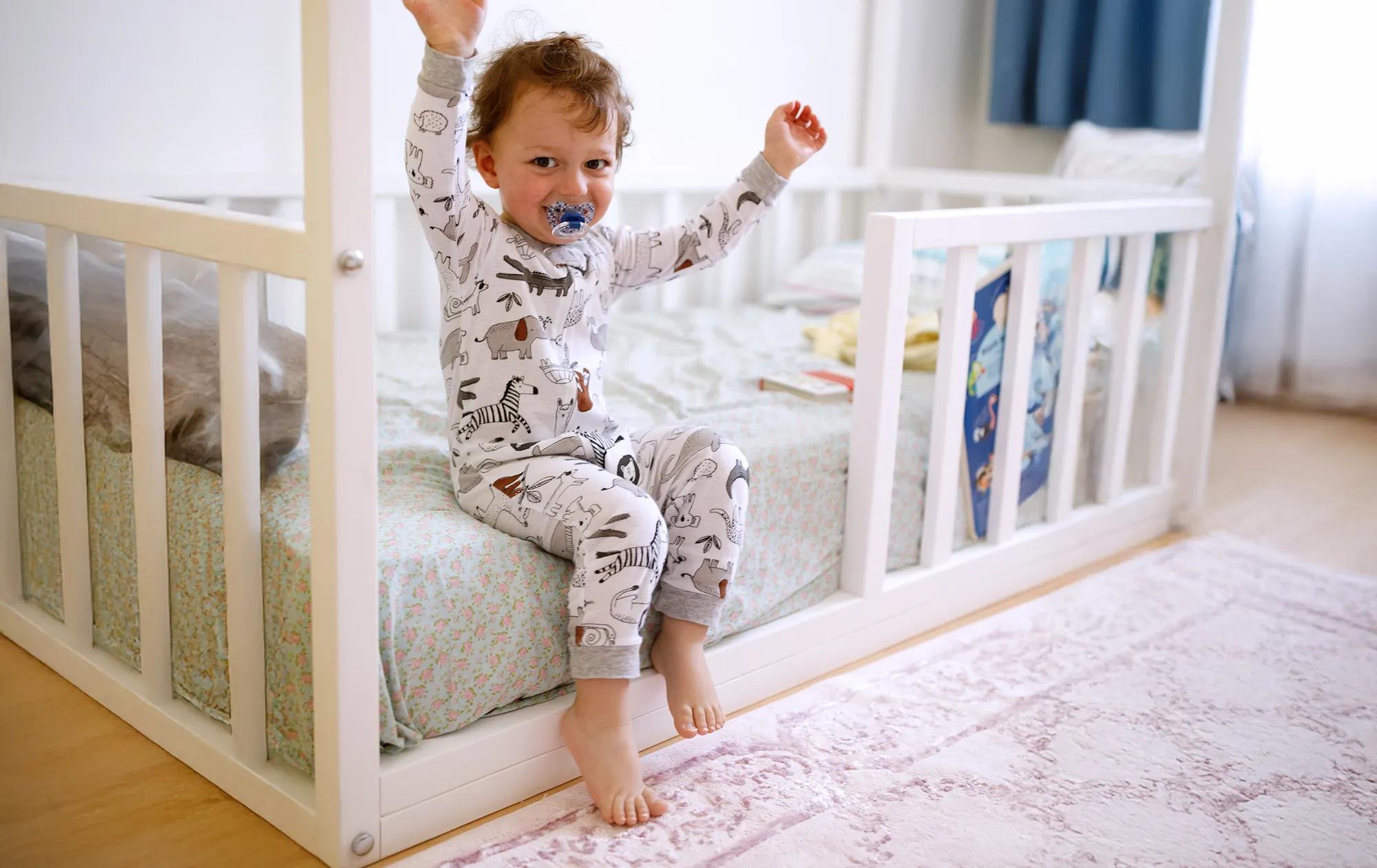
Toddlers grow fast. Their needs change quickly, especially at bedtime. Moving from a crib to a toddler bed is a big step. It marks a new stage in their development and independence. Parents often wonder about the right time for this change. Understanding when toddlers transition to beds helps make the process smooth and safe.
Signs Your Child Is Ready
Some children show clear signs they are ready to leave the crib. Climbing out of the crib is a common signal. It can be dangerous if they keep trying to climb. Showing interest in sleeping in a “big kid” bed also hints readiness. If your toddler asks for a bed like older siblings, watch closely. Staying in a crib might feel cramped or uncomfortable for some toddlers. These signs help parents decide the right time to switch.
Ideal Age Range
Most toddlers move to a bed between 18 months and 3 years. This range fits many children but not all. Some may be ready earlier, others later. Every child grows at their own pace. Safety and comfort should guide the decision more than age alone. Choosing the right moment avoids stress and helps your toddler feel secure.
Credit: www.homeandontheway.com
Average Toddler Bed Sleep Duration
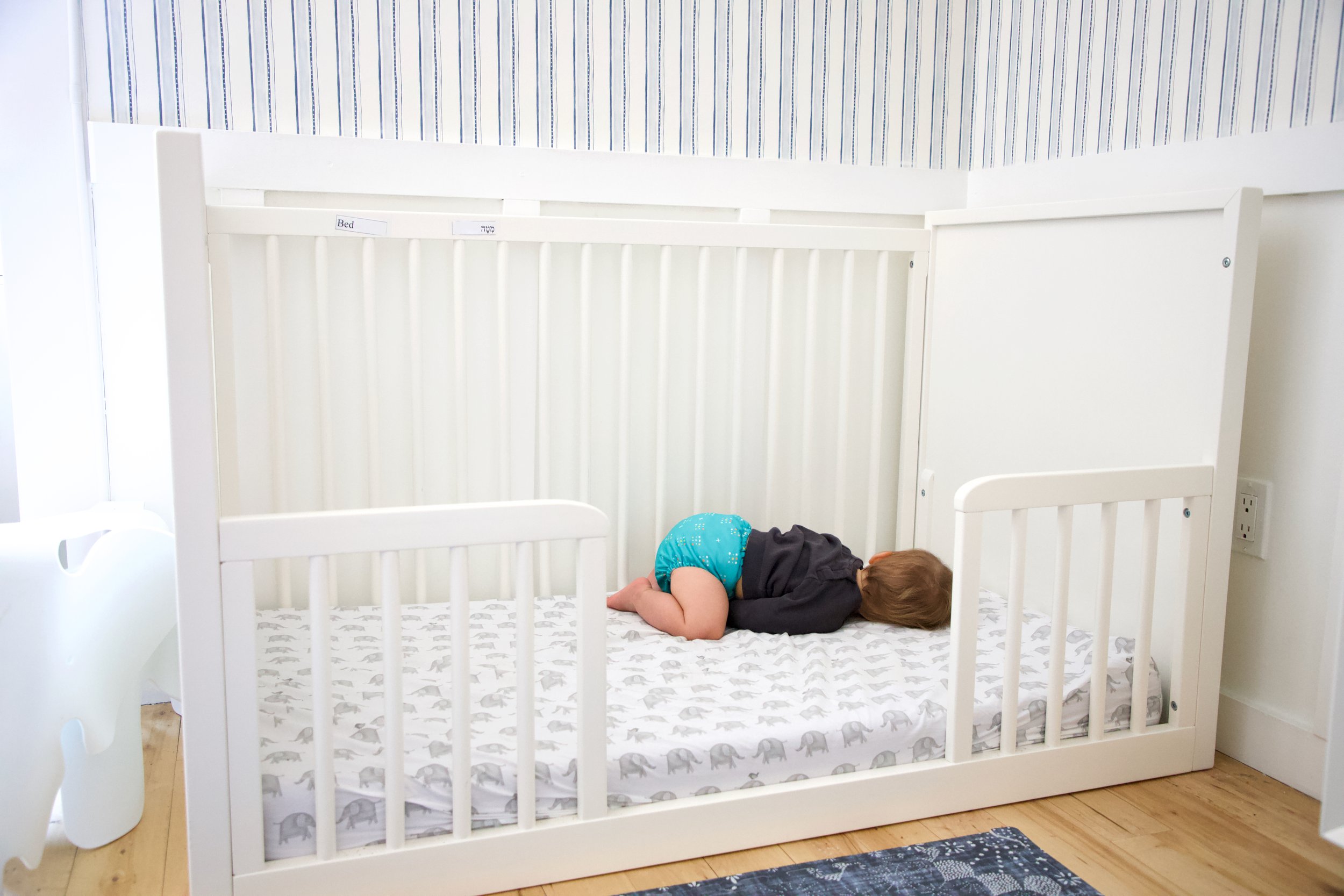
Understanding how long toddlers sleep in their beds helps parents plan better routines. Toddlers usually sleep in toddler beds between ages 1.5 to 5 years. Sleep needs change as they grow. The average sleep duration in toddler beds varies but follows common patterns.
Good sleep supports growth, mood, and learning. Parents should know typical sleep hours and expect some variation. This knowledge helps create a calm sleep environment for toddlers.
Recommended Sleep Hours By Age
Toddlers aged 1 to 2 years need about 11 to 14 hours of sleep daily. This total includes naps and nighttime sleep. Children aged 3 to 5 years usually require 10 to 13 hours of sleep. Most toddlers transition to fewer naps and longer nighttime sleep during this time. Following these sleep guidelines helps toddlers feel rested and happy.
Variations Among Toddlers
Not all toddlers sleep the same amount. Some sleep longer, others need less. Differences can come from health, activity level, or temperament. Some toddlers resist bedtime or wake up during the night. Parents can adjust routines to fit their child’s unique sleep needs. Watching your toddler’s mood and energy helps find the right sleep duration.
Factors Affecting Sleep Length
Several factors affect how long a toddler sleeps in their bed. Understanding these can help improve your child’s sleep quality. Toddlers need a safe and comfortable space to rest well. Their daily habits and the room setup also play big roles.
Bed Comfort And Safety
A comfortable bed helps toddlers fall asleep faster and stay asleep. The mattress should be firm but soft enough to support their body. Pillows and blankets must be safe, avoiding choking hazards. A bed with guardrails prevents falls during sleep. Safety boosts parents’ peace of mind and toddler’s rest.
Sleep Environment
The room should be quiet and dark to encourage sleep. Use blackout curtains to block light. Keep the room cool but not cold. Noise machines or soft music can help mask sudden sounds. A calm environment signals the brain it is time to sleep.
Daily Routine And Habits
Consistent bedtime routines prepare toddlers for sleep. Activities like reading or gentle talking calm their minds. Avoid screen time at least one hour before bed. Set regular sleep and wake times every day. Good habits make sleep length more predictable and restful.
Extending Sleep Time In Toddler Beds
Extending sleep time in toddler beds helps your child rest better and feel happier. Toddlers need enough sleep to grow and learn. A good sleep routine supports their health and mood. Creating calm and consistent bedtime moments encourages longer sleep. Small changes in the bedroom and habits can make a big difference.
Creating A Consistent Bedtime
Set the same bedtime every night. This helps your toddler’s body clock. A regular sleep time makes falling asleep easier. Avoid late nights or big changes on weekends. Stick to a quiet routine before bed. Read a story or sing softly. These actions signal sleep time is near.
Soothing Techniques
Use gentle methods to calm your toddler. Soft music or white noise can help. A favorite stuffed toy or blanket brings comfort. Avoid bright lights or loud sounds before bed. A warm bath relaxes muscles and mind. Keep your voice soft and steady during goodnights.
Limiting Distractions
Remove toys or screens from the bed area. Bright colors and loud items can keep toddlers awake. Make the room dark and cool for better sleep. Close curtains or use blackout shades. Turn off all electronics at least 30 minutes before bed. A quiet room encourages deep, long sleep.
When To Move To A Big Kid Bed
Knowing when to move your child from a toddler bed to a big kid bed is important. It helps keep them safe and comfortable while they sleep. Every child grows at their own pace, so watch for signs that show they may be ready for a bigger bed. Making the switch too early or too late can cause problems. Here are some tips to help you decide the right time to upgrade the bed.
Signs Your Toddler Outgrows The Bed
Your toddler may outgrow their bed when they start climbing out often. If they seem cramped or their feet hang over the edge, it might be time. Watch for restless sleep or discomfort during naps and nights. When your child reaches the bed’s weight or height limit, consider a bigger bed. They may also ask for a “big kid” bed or show interest in sleeping alone. These signs help know when to move on.
Safety Considerations
Safety is key when moving to a big kid bed. The new bed should have guardrails to prevent falls. Place the bed low to the floor to reduce injury risk. Remove sharp or hard objects nearby. Check the mattress fits snugly in the frame to avoid gaps. Make sure the room is childproofed, with no hazards close to the bed. Always supervise your toddler during the first nights in the new bed.
Common Sleep Challenges In Toddler Beds
Toddler beds bring new sleep routines for little ones. Many parents face common challenges during this transition. Understanding these challenges helps create better sleep habits. Toddler beds can cause changes in how kids feel about bedtime and sleep. Recognizing these issues can ease the process and make nights smoother.
Night Wakings
Night wakings often increase after moving to a toddler bed. The freedom to get up can make children feel curious or restless. Toddlers may wander around or come to parents for comfort. This disrupts sleep for both the child and the family. Setting clear boundaries and routines can reduce night wakings over time.
Bedtime Resistance
Many toddlers resist bedtime in their new bed. They may delay sleep by asking for extra stories or toys. This resistance can stem from excitement about the new bed or fear of missing out. Staying calm and consistent with bedtime rules helps toddlers adjust. Firm but gentle guidance makes the process easier.
Fear And Anxiety
Fear and anxiety often appear with the new sleeping space. Toddlers may worry about being alone or the dark. These feelings can cause crying or refusal to sleep. Comfort objects and night lights provide reassurance. Talking softly about fears helps children feel safe and calm.
Tips For A Smooth Bedtime Transition
Moving your toddler to a new bed can be a big change for both of you. A smooth bedtime transition helps your child feel safe and comfortable. This makes falling asleep easier. Try simple steps to make the new bed feel like home. Keep the routine calm and positive. Here are some tips to help your toddler adjust well.
Involving Your Toddler
Let your toddler help choose their new bed or bedding. This gives them a sense of control. Talk about the big-kid bed as something exciting. Make bedtime a shared event, not just a rule. Your child will feel proud and ready to sleep there.
Using Comfort Objects
Comfort objects like a favorite blanket or stuffed toy bring calm. These items remind your child of safety and love. Keep the comfort object near the bed. It helps your toddler feel secure in a new place. This small change can ease bedtime fears.
Positive Reinforcement
Praise your toddler for sleeping in their new bed. Use kind words and smiles to encourage them. Celebrate small wins, like staying in bed all night. Positive reinforcement builds good habits and confidence. It shows your child that sleeping in the new bed is a good thing.
Credit: www.halosleep.com
Frequently Asked Questions
How Long Is A Toddler Bed Typically Used?
A toddler bed is usually used from ages 2 to 5. Children transition when they outgrow their crib but are not ready for a regular bed. Usage duration depends on the child’s size, comfort, and safety needs.
When Should A Child Move From Toddler Bed?
Children should move when they climb out or feel cramped. If a toddler bed becomes unsafe or uncomfortable, it’s time to upgrade. Parents should consider readiness and safety above age alone.
Can Toddlers Sleep Safely In A Toddler Bed?
Yes, toddler beds are designed for safety with low heights and guardrails. They provide a secure sleeping environment tailored to toddlers’ needs. Proper mattress fit and guardrails reduce fall risks effectively.
What Factors Affect Toddler Bed Usage Duration?
Factors include child’s growth, sleeping habits, and safety concerns. Comfort and ability to stay in bed all night are key. Parental judgment and child’s readiness guide the transition timing.
Conclusion
Toddler beds suit children usually between ages two and five. Most kids move to bigger beds when they outgrow the toddler bed size. Watch for signs like climbing out or needing more space to sleep comfortably. Safety and comfort matter most during this transition.
Every child grows at their own pace. Parents should choose the right time based on their child’s needs. This keeps sleep safe and peaceful for toddlers. A smooth change helps kids feel secure and happy. Toddler beds serve well, but only for a limited time.