Are you tired of struggling to find the perfect bedspread that fits your bunk bed just right? A loose or ill-fitting bedspread can make your bunk bed look messy and uncomfortable.
But what if you could easily make your own fitted bedspread that hugs your mattress perfectly? In this guide, you’ll discover simple steps to create a snug, custom bedspread designed specifically for your bunk bed. By the end, you’ll not only save money but also enjoy a neat, cozy look every night.
Ready to transform your bunk bed? Let’s get started!
Materials Needed
Making a fitted bedspread for a bunk bed needs the right materials. Using good materials helps create a strong and neat bedspread. This section lists the key items needed for this sewing project.
Fabric Selection
Choose fabric that is soft and durable. Cotton or cotton blends work well. They are easy to wash and comfortable. Pick a color or pattern that suits the room. Make sure the fabric is wide enough for the bed size.
Measuring Tools
Accurate measurements are very important. Use a measuring tape for length and width. A ruler or yardstick helps with straight lines. Keep a notebook to write down measurements. Double-check all numbers before cutting fabric.
Sewing Supplies
Basic sewing tools are needed. Get sharp fabric scissors for cutting. Use pins or clips to hold fabric pieces together. Choose thread that matches the fabric color. A sewing machine speeds up the process. A needle is necessary for hand stitching small parts.

Credit: stbarthvillarental.com
Measuring The Bed
Measuring the bed is the first step in making a fitted bedspread for a bunk bed. Accurate measurements ensure the bedspread fits snugly and looks neat. Take your time to measure carefully. Use a soft tape measure and note down the numbers clearly. Measure the mattress while it is on the bed frame to get the right size.
Length And Width
Start by measuring the length of the mattress from head to foot. Then measure the width from one side to the other. Write down these two numbers. These measurements will determine the main size of your bedspread. Make sure to measure straight and not at an angle. This keeps your bedspread even and smooth.
Depth And Thickness
Next, measure the depth of the mattress. This is the distance from the top of the mattress to the bottom edge. Also, check the thickness of the mattress if it has extra padding. Add a little extra to these measurements for a better fit. This helps the bedspread wrap around the mattress properly without slipping off.
Cutting The Fabric
Cutting the fabric is a key step in making a bunk bed fitted bedspread. This step sets the foundation for a perfect fit. Precise cutting ensures the bedspread fits snugly around the mattress corners.
Take your time and measure carefully. The right cut prevents waste and keeps the fabric neat. Use good tools and follow simple rules for cutting fabric.
Marking Measurements
Start by measuring the mattress length, width, and depth. Write down the numbers clearly. Add extra fabric for seams and tucks, usually 2 to 3 inches.
Use a ruler or measuring tape for accuracy. Mark the fabric with tailor’s chalk or a fabric pen. Mark all edges before cutting.
Double-check your marks. Mistakes here can cause problems later. Measure twice, mark once.
Cutting Tips
Use sharp fabric scissors for clean edges. Cut slowly along the marked lines. Avoid lifting the fabric too much while cutting.
Keep the fabric flat on a hard surface. This helps keep the cuts straight. Follow the marks exactly to avoid uneven edges.
Cut small pieces at a time if the fabric is large. Store scraps for patching or testing stitches. Clean cuts make sewing easier and the final product better.
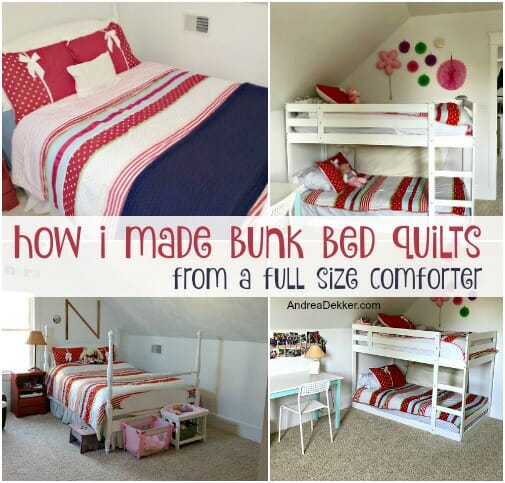
Credit: andreadekker.com
Sewing The Corners
Sewing the corners of a bunk bed fitted bedspread is an important step. It helps the bedspread fit snugly around the mattress. Properly sewn corners prevent the fabric from slipping off during use. This part needs care and attention to detail. The corners create pockets that hold the mattress tightly. Let’s explore how to sew these corners perfectly.
Creating The Pocket
Start by folding the fabric at the corner to form a triangle. Match the edges so they line up evenly. Pin the fabric in place to keep it steady. Sew along the edge of the triangle. This stitch creates a pocket that fits over the mattress corner. Trim the excess fabric to reduce bulk. Turn the bedspread right side out to check the shape. The pocket should look neat and hold its form well.
Stitching Techniques
Use a straight stitch for strong and clean seams. Sew slowly to keep the fabric smooth and flat. Backstitch at the start and end to secure the thread. If the fabric frays, use a zigzag stitch along the edges. This prevents unraveling over time. Press the seams with an iron to make the corners crisp. Good stitching ensures the bedspread lasts long and fits tight.
Adding Elastic Bands
Adding elastic bands to a bunk bed fitted bedspread helps keep it tight and secure. Elastic makes sure the bedspread stays in place. It stops the fabric from slipping off during use. This step is simple but very important for a neat finish.
Choosing the right elastic and attaching it properly will make your bedspread last longer. Let’s explore how to pick and fix elastic bands for the best results.
Choosing Elastic
Select elastic that is strong but flexible. A width of about 1/2 inch works well for bunk bed bedspreads. It should stretch easily but return to its shape. Cotton-covered elastic feels soft and comfortable.
Check the length before buying. It must be long enough to fit around the mattress corners. Avoid very thin elastic as it can break quickly. Thick elastic can be stiff and bulky. Balance strength and comfort for the best choice.
Attaching Elastic
Cut elastic to fit each corner of the bedspread. Sew it into the fabric edges or corners. Use a zigzag stitch for strong, stretchy seams. Make sure the elastic is slightly stretched while sewing.
Start by pinning the elastic in place. Sew slowly and carefully to avoid puckering the fabric. Check the fit by stretching the bedspread over the mattress. Adjust the elastic length if needed for a snug fit.
Secure the ends by backstitching to prevent unraveling. This method keeps your bunk bed fitted bedspread neat and secure.

Credit: scavengerchic.com
Final Touches
After sewing your bunk bed fitted bedspread, the final touches bring the project to life. These small steps ensure a neat finish and a perfect fit. Careful attention now makes your bedspread look clean and professional.
Trimming Excess Fabric
Cut away extra fabric around the edges carefully. Use sharp scissors for clean cuts. Remove only what is needed to avoid making the bedspread too small. This step prevents bunching and keeps the bedspread smooth.
Testing The Fit
Place the bedspread on the bunk bed mattress. Check all corners to see if the fabric fits snugly. Stretch the elastic edges to make sure they hold well. A good fit keeps the bedspread from slipping off during use.
Care And Maintenance
Taking good care of your bunk bed fitted bedspread keeps it fresh and lasting longer. Proper care stops fabric wear and tear. It also keeps colors bright and fabric soft.
Follow simple steps to maintain your bedspread. Clean it correctly and store it well. This helps your bedspread stay neat and inviting every day.
Washing Instructions
Wash your fitted bedspread in cold water to avoid shrinkage. Use a gentle cycle to protect the fabric. Choose mild detergent without bleach. Avoid harsh chemicals that damage fibers.
Do not overload the washing machine. This helps the bedspread clean well and prevents damage. Dry it on low heat or air dry. High heat can shrink or weaken the fabric.
Storage Tips
Store the bedspread in a dry, cool place. Avoid direct sunlight to prevent fading. Fold it neatly to avoid wrinkles and creases. Use a breathable fabric bag for long-term storage.
Keep it away from moisture and pests. Adding a sachet of lavender or cedar keeps pests away. Proper storage keeps your bedspread fresh and ready to use.
Frequently Asked Questions
How Do I Measure A Bunk Bed For A Fitted Bedspread?
Measure the length, width, and mattress thickness. Add extra inches for tucking under the mattress. Accurate measurements ensure a snug and custom fit for your bunk bed fitted bedspread.
What Fabric Is Best For A Bunk Bed Fitted Bedspread?
Choose durable, breathable fabrics like cotton or cotton blends. These materials are comfortable, easy to wash, and maintain well. They also provide a smooth, snug fit on bunk bed mattresses.
Can I Sew A Bunk Bed Fitted Bedspread Myself?
Yes, sewing a bunk bed fitted bedspread is doable with basic sewing skills. Use measurements, fabric, elastic, and a sewing machine. Follow a simple pattern to achieve a professional look.
How Do I Add Elastic To A Bunk Bed Fitted Bedspread?
Sew elastic strips around the edges of the bedspread. Stretch the elastic slightly as you sew to ensure a tight fit. This keeps the bedspread securely in place on the mattress.
Conclusion
Making a bunk bed fitted bedspread is easier than it seems. Use the right measurements for a perfect fit. Choose fabric that feels comfortable and lasts long. Sew carefully to keep edges neat and strong. This project saves money and adds a personal touch.
Your bunk bed will look tidy and inviting every day. Try this simple guide and enjoy your handiwork. Small steps can bring big results in your home. Keep practicing, and your skills will improve quickly.