Are you wondering how long it takes to transition your little one to a toddler bed? You’re not alone.
Moving from a crib to a bigger bed is a big step for both you and your child. It can bring excitement, but also some challenges. Knowing what to expect can make this change smoother and less stressful. You’ll discover how long the transition usually takes and tips to help your toddler feel safe and comfortable every night.
Keep reading to make bedtime easier for your whole family.
Signs Your Child Is Ready
Recognizing when your child is ready to move to a toddler bed helps make the change smooth. Every child grows at their own pace. Watch for clear signs to know the right time. These signs show that your child can handle the new bed and routine.
Physical Milestones
Your child should be able to climb in and out of bed safely. Stronger muscles and better balance help with this. They may start walking steadily and climbing stairs. These skills show readiness for a lower, open bed.
Behavioral Cues
Look for signs of independence, like wanting to choose their own bed. Your child might resist the crib or try to climb out. They may show curiosity about the new bed. These behaviors suggest they are ready for change.
Sleep Patterns
Your child’s sleep may change as they grow. They might start waking up earlier or moving a lot at night. Longer naps or shorter naps can also signal readiness. Changes in sleep can mean they need a bigger bed.
Credit: www.yummytoddlerfood.com
Choosing The Right Bed
Choosing the right toddler bed is an important step in helping your child sleep well. The bed should feel safe and cozy. It should also match your child’s needs and room space. Picking the perfect bed can make the transition easier and smoother. Here are some key points to consider.
Types Of Toddler Beds
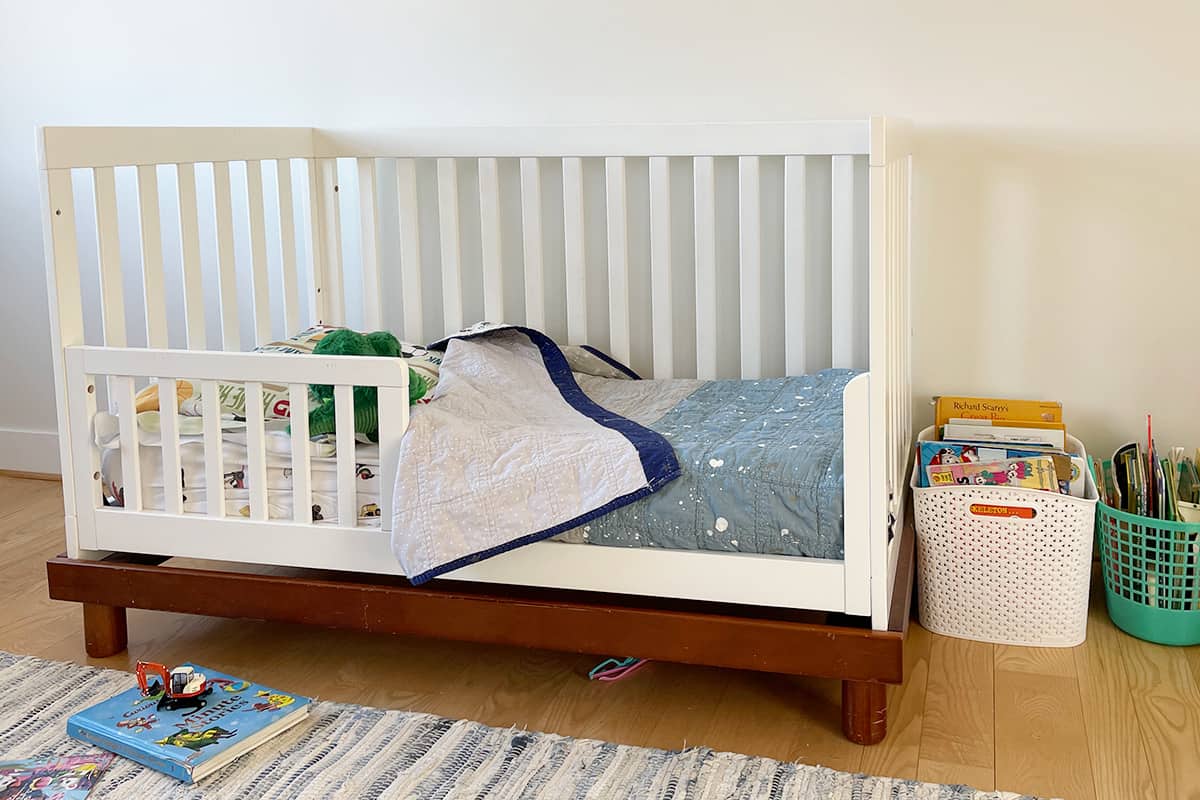
Toddler beds come in many styles. Some look like small versions of regular beds. Others are more playful, shaped like cars or animals. Convertible beds grow with your child, changing from crib to toddler bed. Low-to-the-ground beds help prevent injuries from falls. Pick a style that fits your child’s personality and your home.
Safety Features To Consider
Safety is the top priority in a toddler bed. Look for beds with sturdy frames and no sharp edges. Guardrails are important to stop your child from rolling out. Check that the mattress fits snugly to avoid gaps. Avoid beds with small parts that can come loose. A safe bed gives both you and your child peace of mind.
Comfort And Design
Comfort helps your child rest better. Choose a mattress that is firm but soft enough for good support. Breathable materials help keep your child cool at night. The bed’s design should also make your child excited to sleep. Bright colors and fun themes can make bedtime more inviting. A comfy, attractive bed helps build positive sleep habits.
Preparing The Bedroom
Preparing the bedroom is an important step in moving your child to a toddler bed. The space should feel safe and welcoming. Your child will spend many nights here, so comfort matters. A well-prepared room helps make the transition smooth and less scary.
Creating A Cozy Sleep Space
Choose soft bedding that your child likes. A favorite blanket or stuffed toy can help. Keep the room temperature comfortable, not too hot or cold. Use gentle lighting, like a night light. This makes the room calm and inviting.
Removing Hazards
Check the room for anything sharp or small items on the floor. Move furniture away from the bed to avoid bumps. Cover electrical outlets and secure cords out of reach. Safety is key to prevent accidents at night.
Involving Your Child
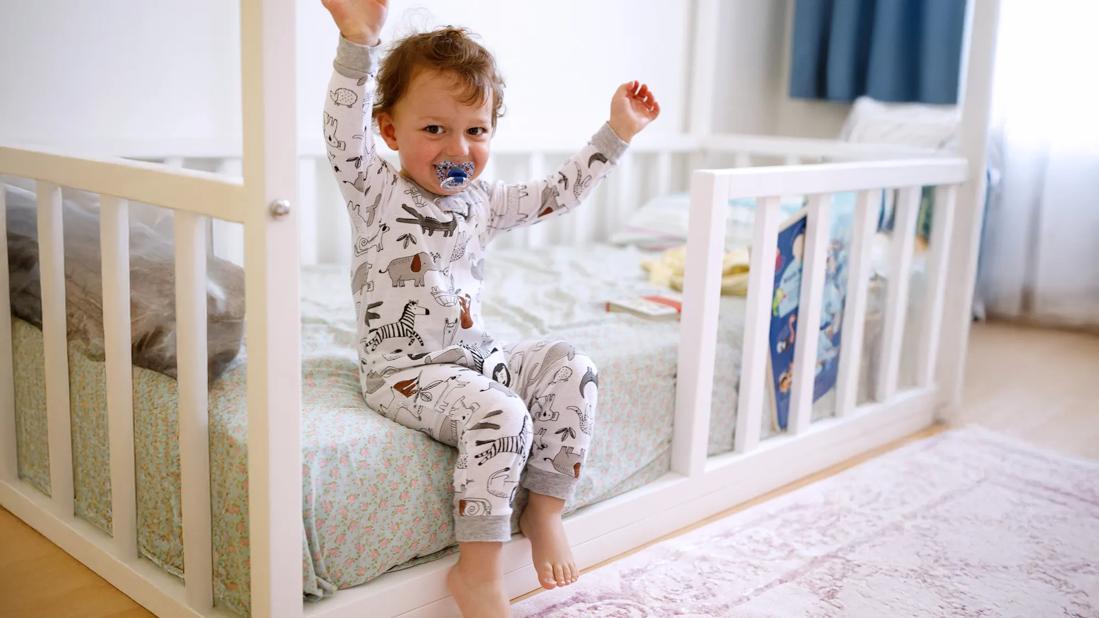
Let your child help pick out sheets or decorations. Talk about the new bed and what to expect. Encourage your child to share feelings about the change. This builds excitement and reduces fear.
Credit: health.clevelandclinic.org
Transition Strategies
Transitioning your child to a toddler bed can feel like a big step. Using the right strategies can make this change easier and faster. These methods help your child feel safe and comfortable in the new bed. Patience and consistency are key during this process.
Gradual Adjustment Methods
Start by letting your child explore the toddler bed during the day. Let them sit or play on it to get used to the new space. Slowly increase the time spent in the bed before sleep. You can also try putting the toddler bed next to the crib first. This helps your child feel less scared at night.
Using Comfort Objects
Comfort objects like a favorite blanket or stuffed animal help children feel secure. Allow your child to bring these items to the new bed. These objects provide a sense of familiarity in a new place. They can reduce anxiety and make bedtime more inviting.
Consistent Bedtime Routines
Keep bedtime routines simple and steady. Follow the same steps every night, such as reading a book or singing a lullaby. A consistent routine signals that it is time to sleep. This helps your child relax and feel ready to rest in their toddler bed.
Common Challenges
Transitioning to a toddler bed can bring some common challenges. Parents often face hurdles that test patience and consistency. Understanding these issues helps in managing them better. The key is to stay calm and supportive during this change.
Nighttime Fears
Toddler beds are low and open, which can feel strange for a child. Darkness may seem scarier without the familiar crib sides. Children might worry about monsters or being alone. These fears can cause crying or refusal to sleep. Comforting your child and using a night light can help.
Bedtime Resistance
Some toddlers resist going to bed in a new bed. They may want to stay up longer or leave the room. This behavior can be a way to test limits. Setting clear bedtime rules is important. Consistency and gentle reminders encourage better habits.
Frequent Waking
Waking up several times at night is common during this transition. The child may feel less secure without crib rails. They might get out of bed and wander around. It is important to guide them back calmly. Creating a cozy and safe sleep space aids better rest.

Credit: www.whattoexpect.com
Expert Tips For Success
Transitioning a child to a toddler bed is a big step for both parents and kids. Success needs careful planning and gentle guidance. Expert tips can help make this process smoother and less stressful. These tips focus on creating a calm, positive, and consistent environment. Here are some ways to help your toddler adjust well.
Patience And Consistency
Patience is key during the transition. Toddlers need time to adjust to new routines and spaces. Keep bedtime routines the same every night. Consistency helps your child feel safe and understand what to expect. Avoid rushing the process. Expect some resistance or setbacks. Stay calm and repeat the routine calmly. Over time, your toddler will learn to love their new bed.
Positive Reinforcement
Use praise to encourage good behavior. Celebrate small wins like staying in bed or falling asleep quickly. Simple rewards like stickers or extra storytime work well. Positive words build your child’s confidence. Avoid punishment for accidents or getting out of bed. Instead, focus on what your toddler does right. This approach makes the transition feel like a fun adventure.
When To Seek Professional Advice
Sometimes challenges last longer than expected. If your toddler cries every night or refuses to sleep, consider talking to a pediatrician. Sleep experts can offer guidance and rule out medical issues. Early advice helps prevent stress for both parents and child. Don’t wait too long if the transition feels too hard. Professionals provide support tailored to your child’s needs.
Frequently Asked Questions
How Long Does The Toddler Bed Transition Usually Take?
The transition to a toddler bed generally takes about one to two weeks. Each child adapts differently, so patience is key. Consistent bedtime routines help ease the change. Avoid rushing and provide comfort to ensure a smooth transition.
When Is The Best Age To Switch To A Toddler Bed?
Most children transition between 18 months to 3 years old. It depends on their size, mobility, and readiness. Signs include climbing out of the crib or showing interest in a bigger bed. Choose the timing that fits your child’s development.
What Are Common Challenges During Toddler Bed Transition?
Common challenges include resistance to change, nighttime waking, and fear of falling. Toddlers may test boundaries and seek parental reassurance. Establishing a calming bedtime routine and safety measures reduces these issues effectively.
How Can I Make Bedtime Safer In A Toddler Bed?
Use bed rails to prevent falls and keep the bed low to the ground. Remove sharp objects and install nightlights for comfort. Ensure the room is childproofed to create a safe sleeping environment.
Conclusion
Transitioning to a toddler bed takes time and patience. Every child adapts at their own pace. Watch for signs that your child is ready. Keep the bedtime routine calm and consistent. Celebrate small successes along the way. Remember, comfort and safety matter most.
This change helps your toddler grow and feel independent. Stay positive and supportive throughout the process. Soon, your child will enjoy their new bed.