Are you wondering how long the average toddler bed is and if it will fit perfectly in your child’s room? Choosing the right bed size is more important than you might think.
It affects your toddler’s comfort, safety, and even how well they sleep. You’ll discover the typical length of toddler beds and get helpful tips to pick the best one for your little one. Keep reading to make sure you get the perfect fit that keeps your child cozy and happy every night.

Credit: www.dimensions.com
Toddler Bed Size Basics
Toddler beds are a key step between cribs and big kid beds. Choosing the right size helps your child sleep comfortably and safely. Knowing the basics of toddler bed sizes makes this easier. It also helps parents pick the best bed that fits their child and room.
Understanding the standard dimensions, possible size variations, and how toddler beds compare to cribs gives a clear picture. This knowledge helps in making a smart choice for your toddler’s sleep space.
Standard Toddler Bed Dimensions
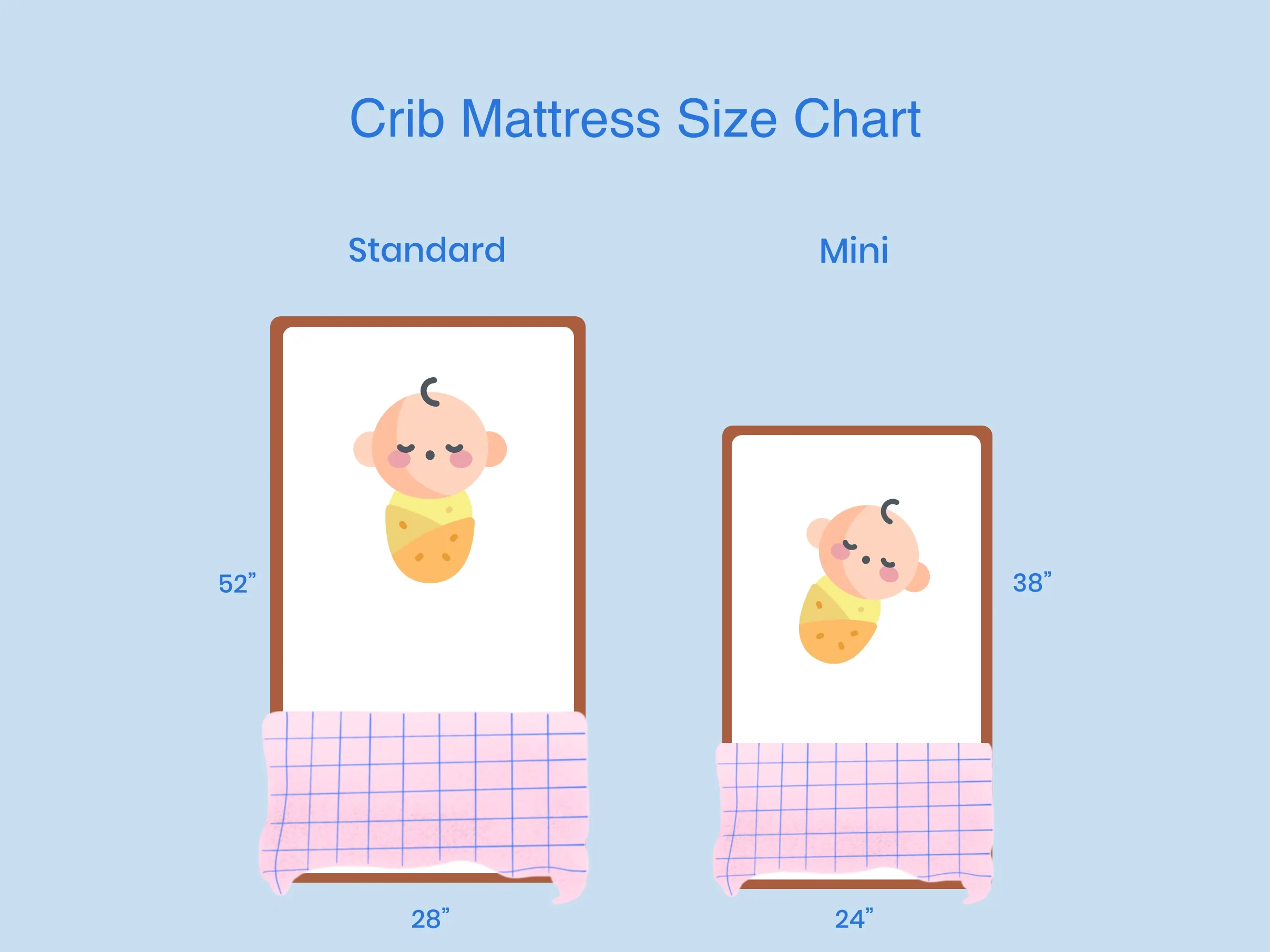
The most common toddler bed size is about 28 inches wide and 52 inches long. This size fits most toddlers aged 18 months to 5 years. It offers enough space for kids to move but keeps them safe from falling out. The mattress is usually thinner than a crib mattress but still supportive.
Variations In Bed Length
Some toddler beds come in longer lengths, around 55 inches or more. These are good for taller toddlers or for use over several years. Shorter beds may also exist but are less common. The bed length depends on brand and design. Parents should measure their child’s height before buying.
Comparing Toddler And Crib Sizes
Cribs are typically 28 inches wide and 52 inches long, similar to toddler beds. This means toddler beds often use the same size mattress as cribs. Transitioning to a toddler bed does not usually require a new mattress. The main difference is the bed frame and safety features like guardrails.
Factors Influencing Bed Size
Choosing the right toddler bed size depends on many factors. These factors help ensure the bed fits the child’s needs and the room space. Understanding these elements makes picking the best bed easier.
Child’s Age And Growth
Children grow fast. Their age affects the bed size they need. Younger toddlers need smaller beds for safety and comfort. Older toddlers may need longer beds to fit their height. Planning for growth avoids buying a new bed too soon.
Room Space Considerations
Room size limits the bed size. Small rooms need compact beds to save space. Larger rooms allow bigger beds and extra furniture. Measure the room before buying. Leave space for walking and play.
Bed Frame Styles And Sizes
Toddler beds come in many styles and sizes. Some frames are low to the ground for easy access. Others include storage or rails for safety. Different designs affect the bed’s overall length and width. Choose a style that fits both child and room.
Choosing The Right Mattress
Choosing the right mattress for a toddler bed is important. The mattress affects comfort and safety for your child. Picking the right size and material helps your toddler sleep well.
Mattress Dimensions For Toddler Beds
Toddler bed mattresses are usually smaller than twin mattresses. Most measure about 28 inches wide and 52 inches long. This size fits standard toddler bed frames. Always check the bed’s measurements before buying a mattress.
A mattress that is too big or small may cause gaps. Gaps can be unsafe and uncomfortable. A mattress that fits well keeps your child safe and cozy.
Material And Thickness Options
Mattress materials include foam, innerspring, and hybrid types. Foam mattresses are soft and light. Innerspring mattresses offer more support and durability. Hybrid mattresses combine foam and springs.
Mattress thickness usually ranges from 3 to 6 inches for toddlers. Thicker mattresses may feel more comfortable but can be harder to fit. Choose a thickness that matches your toddler bed frame and your child’s needs.
Safety Standards To Keep In Mind
Mattresses for toddlers must meet safety standards. Look for certifications like CertiPUR-US or GREENGUARD Gold. These show the mattress is free from harmful chemicals.
Ensure the mattress cover is breathable and hypoallergenic. This helps prevent allergies and overheating. A firm mattress is safer to reduce the risk of suffocation. Avoid overly soft mattresses for toddlers.
Credit: www.icrcevre.com
Transitioning From Crib To Toddler Bed
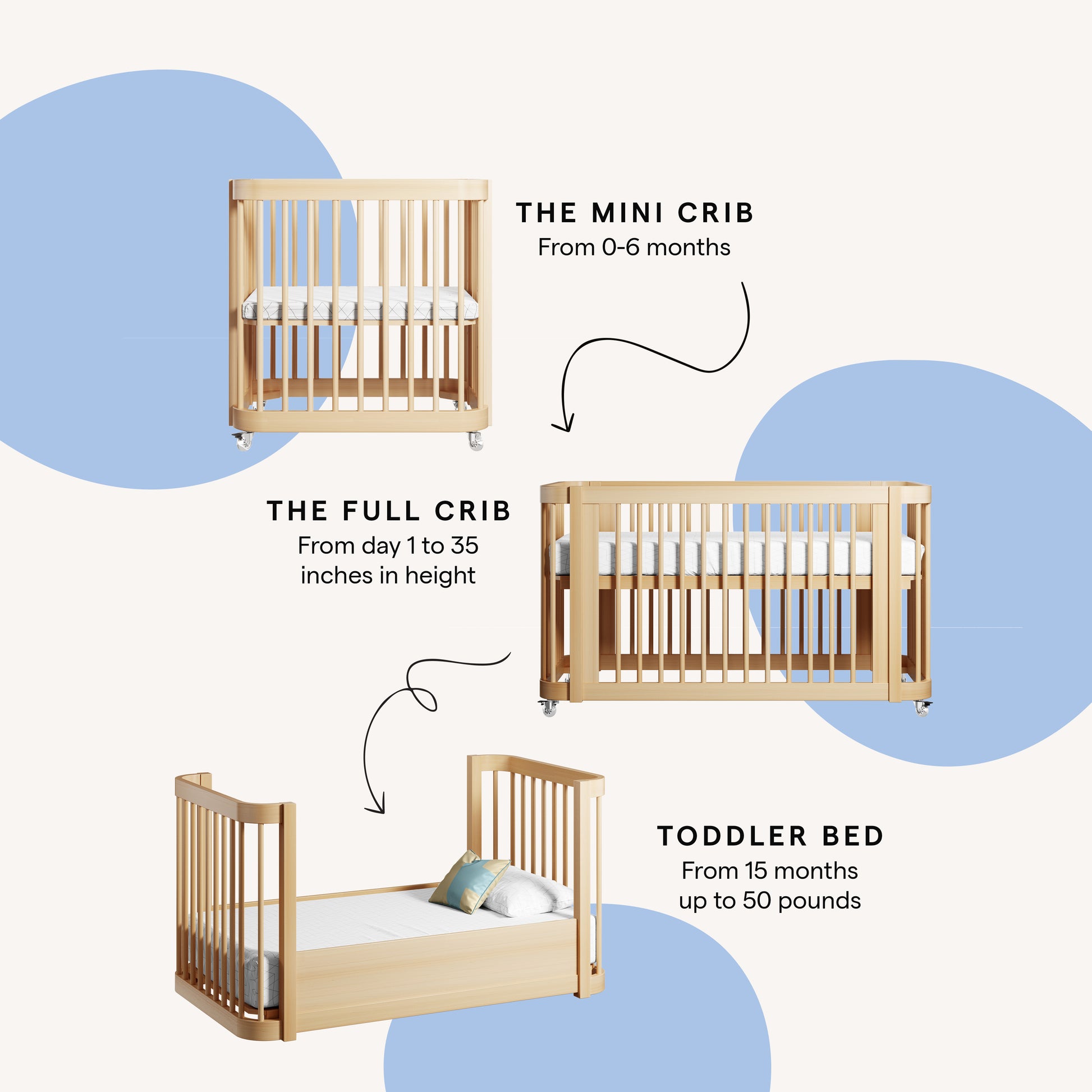
Transitioning from a crib to a toddler bed marks a big step for both parents and children. It signals growing independence and new routines. This change often excites toddlers but can also bring challenges. Understanding the process helps families manage it smoothly.
Signs Your Toddler Is Ready
Your child shows signs of readiness in many ways. Climbing out of the crib is a key signal. Expressing interest in a “big kid” bed matters too. Toddlers who ask to sleep in a different bed usually feel ready. Nighttime fears or restlessness in the crib can also hint at the need for change.
Adjusting To New Bed Size
Toddler beds are larger than cribs but smaller than regular beds. This size gives comfort and safety. The open sides help toddlers feel less trapped. It also allows easier movement during sleep. Children may need time to get used to the extra space. Keeping familiar blankets or toys helps ease this adjustment.
Tips For A Smooth Transition
Start by talking positively about the new bed. Let your toddler help pick bedding or decorate. Keep bedtime routines consistent to create security. Use guardrails to prevent falls and ensure safety. Praise your child for sleeping in the new bed. Patience is key, as some nights can be harder than others.
Popular Toddler Bed Types
Custom and specialty toddler beds offer solutions beyond standard sizes. They fit unique needs and spaces. These beds help toddlers sleep safely and comfortably. Parents can choose from many options to match their child’s size and room layout.
Custom Length Options
Some toddlers grow faster or slower than average. Custom length beds can be made longer or shorter. This option supports your child’s growth and comfort. It also helps avoid buying a new bed too soon. Custom sizes ensure the bed fits your toddler perfectly.
Beds For Small Or Large Spaces
Space is often limited in homes. Specialty toddler beds come in various shapes and sizes. Compact beds fit small bedrooms or play areas. Larger beds offer extra room for comfort and toys. Choosing the right size bed maximizes your room’s space.
Adaptive Beds For Special Needs
Some toddlers need beds with special features. Adaptive beds provide extra support and safety. They can include adjustable heights or side rails. These beds help children with mobility or health challenges. Caregivers find them easier to use and maintain.
Credit: www.icrcevre.com
Custom And Specialty Beds
Measuring your toddler bed space is a key step before buying a bed. It helps ensure the bed fits well in the room. A good fit allows your child to move safely around the bed. It also helps you avoid buying a bed that is too big or too small. Taking accurate measurements saves time and money.
Tools Needed For Accurate Measurement
Start with a tape measure or a measuring stick. A pencil and paper help write down the numbers. A level tool checks if the floor is even. A helper can make measuring easier and faster. Use a flashlight for dark corners if needed.
Tips For Measuring Room And Bed Area
Measure the full length and width of the room first. Note any doors, windows, or heaters that may block space. Mark the spot where the bed will go. Measure the floor area carefully. Leave space for walking around the bed. Measure twice to avoid errors.
Planning For Growth And Comfort
Choose a bed size that fits your child now and in the future. Toddlers grow fast; plan for extra length. Add extra space for blankets and pillows. Leave some room for your child to move freely. Comfort helps your child sleep better and feel safe.
Frequently Asked Questions
How Long Is A Standard Toddler Bed?
A standard toddler bed is usually about 52 inches long. This length accommodates toddlers comfortably transitioning from a crib. It fits most toddler mattresses and provides enough space for growth during early childhood.
When Should I Switch To A Toddler Bed?
Switch to a toddler bed when your child is about 18 months to 3 years old. This change happens when they outgrow the crib or start climbing out. It ensures safety and comfort for better sleep.
Are Toddler Beds Longer Than Cribs?
Toddler beds are slightly shorter than twin beds but similar in length to cribs. Most cribs measure around 52 inches long, matching the toddler bed size. This makes transitioning easier without changing mattress sizes.
What Mattress Size Fits A Toddler Bed?
A toddler bed typically fits a standard crib mattress, usually 28 by 52 inches. This compatibility allows parents to reuse the crib mattress when moving to a toddler bed, saving cost and effort.
Conclusion
Choosing the right toddler bed size helps your child sleep well. Most toddler beds measure about 50 to 55 inches long. This length fits children up to around five years old comfortably. Knowing these numbers makes shopping easier and safer.
Always check the bed size before buying. A good fit supports growth and comfort. Keep your toddler’s needs in mind for better rest. Simple steps lead to happy bedtime routines.