Choosing the right mattress for your bunk bed is more important than you might think. If your mattress is too thick or too thin, it can affect comfort and safety.
You might be wondering, “How many inches should a bunk bed mattress be? ” This question matters because the wrong size can cause headaches for you and your family. You’ll discover the perfect mattress thickness that keeps your bunk bed safe, comfy, and just right.
Keep reading—you’ll find simple tips that make all the difference for a good night’s sleep.
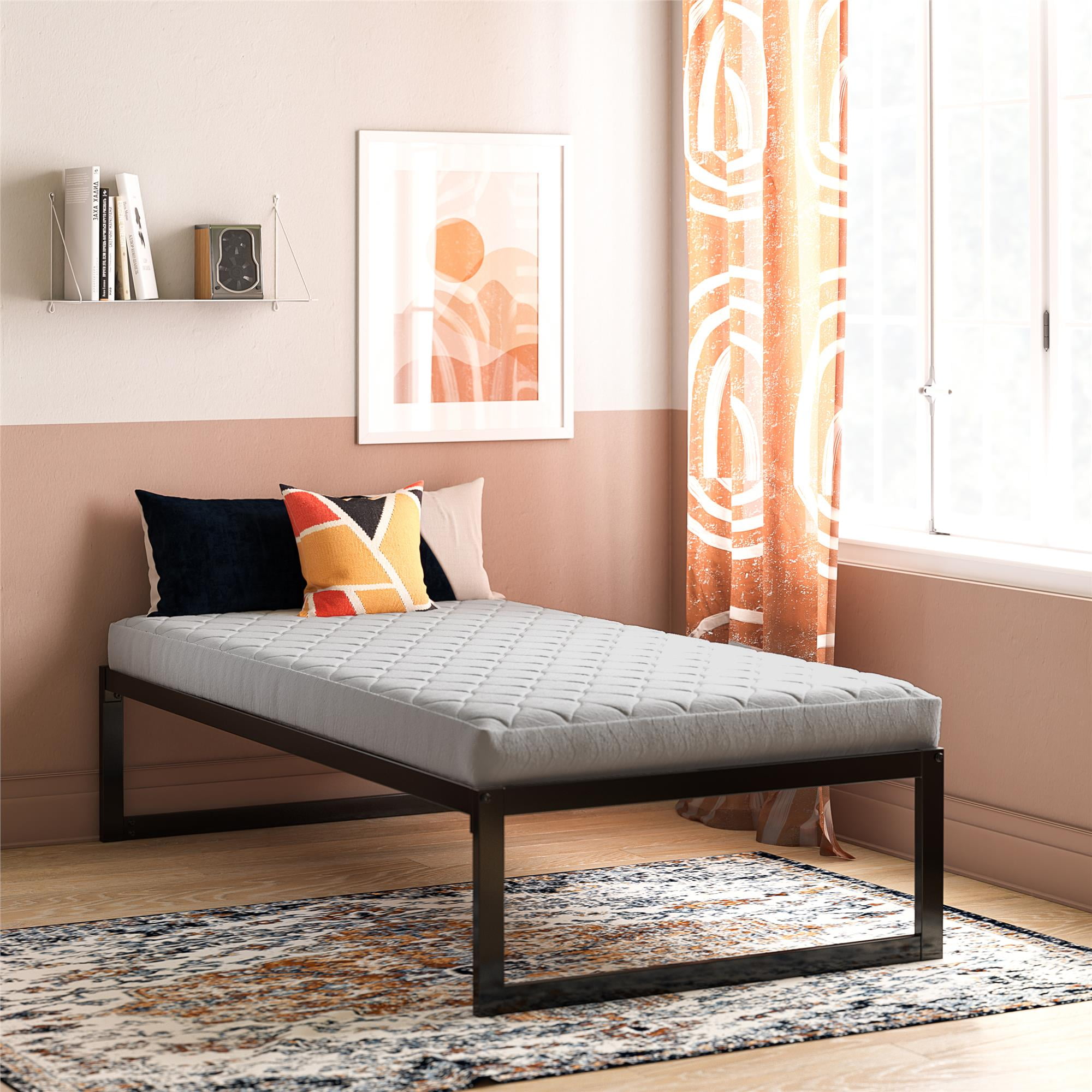
Credit: www.walmart.com
Bunk Bed Mattress Basics
Bunk beds save space and add fun to any room. Choosing the right mattress is key for safety and comfort. The mattress must fit well to avoid accidents. It also needs to be thick enough for a good night’s sleep.
Understanding mattress thickness and size helps pick the best option. This guide breaks down the basics for bunk bed mattresses.
Standard Mattress Thickness
Most bunk bed mattresses range between 6 and 8 inches thick. Thicker mattresses might cause safety issues. Thin mattresses under 6 inches may not provide enough support. The ideal thickness keeps the sleeper safe and comfortable.
Check the bunk bed frame’s height limit before buying a mattress. Safety rails need space above the mattress. A mattress thicker than 8 inches can reduce this space. This rule helps prevent falls during sleep.
Mattress Sizes For Bunk Beds
Bunk beds usually fit twin or twin XL mattresses. Twin size is 39 by 75 inches. Twin XL adds 5 inches in length. These sizes suit most bunk bed frames. Full or larger mattresses rarely fit bunk beds.
Measure the frame before buying a mattress. Even small size differences affect fit and safety. A mattress that fits well stays stable during use.

Credit: www.maxtrixkids.com
Safety Considerations
Safety is the top priority when choosing a bunk bed mattress. The mattress size and height affect how safe the bed is. A mattress that is too thick can increase the risk of falls. The mattress must fit the bed frame properly to keep sleepers safe.
Guardrail Height Requirements
Guardrails protect sleepers from falling off the top bunk. The mattress thickness affects the height of the guardrails. Guardrails must be at least 5 inches above the mattress top. This height keeps sleepers safe during sleep and movement. Too thin a mattress lowers the guardrail height, increasing risk. Too thick a mattress pushes sleepers closer to the guardrail edge.
Preventing Falls And Injuries
Falls from bunk beds cause many injuries each year. A mattress that fits well reduces this risk. Avoid mattresses thicker than 6 to 8 inches on top bunks. This thickness keeps the sleeper low enough to stay inside guardrails. Choose a mattress that matches the bed frame size. Use guardrails on all sides of the top bunk. Teach children to use ladders safely to prevent accidents.
Comfort And Support
Comfort and support are key for a good night’s sleep on a bunk bed. The mattress must provide enough cushioning without being too soft. It should hold the body well to avoid aches. Choosing the right thickness helps balance comfort and safety. The mattress should fit snugly in the bunk bed frame to prevent gaps. Proper support also protects the mattress from sagging over time.
Choosing The Right Firmness
Firmness affects how well the mattress supports the body. A medium-firm mattress works best for most sleepers. It offers enough softness for comfort and enough firmness for support. Soft mattresses may cause poor posture and discomfort. Hard mattresses can feel stiff and cause pressure points. Test different firmness levels before buying to find the best fit.
Material Options And Benefits
Mattress materials impact comfort and durability. Memory foam molds to the body and relieves pressure points. It also reduces motion, which helps if two people share the bunk bed. Innerspring mattresses provide firm support and good airflow. Hybrid mattresses combine foam and springs for balanced comfort. Choose materials that fit your budget and comfort needs.
Age And User Factors
Choosing the right mattress thickness for a bunk bed depends a lot on who will use it. Age and size affect comfort and safety. A mattress that is too thick can raise the sleeper too high. This can cause a risk of falling, especially for children. A thin mattress might not offer enough support for older users.
Mattress Thickness For Kids
For young children, a mattress between 4 and 6 inches thick works well. It fits safely inside the bunk bed frame. This size keeps children low enough to avoid falling out. It also provides enough softness for a good night’s sleep. Thicker mattresses can be unsafe for kids on the top bunk.
Adjusting For Teenagers And Adults
Teenagers and adults need thicker mattresses. A mattress 6 to 8 inches thick offers better support for heavier bodies. This thickness helps avoid back pain and discomfort. It also keeps sleepers safe by not raising the height too much. Choose a mattress that fits well within the bunk frame to prevent accidents.
Room And Bed Frame Compatibility
Choosing the right mattress thickness for a bunk bed depends on the room size and bed frame design. Both factors affect safety and comfort. A mattress too thick or thin can cause problems. It is important to check the bed frame measurements and the space available in the room.
Measuring Your Bunk Bed Frame
Start by measuring the mattress area on the bed frame. Measure the length and width inside the frame. Use a tape measure for accuracy. Write down these numbers. Compare them with mattress sizes available. Also, check the height between the top bunk and the ceiling. This helps to avoid hitting your head.
Space Constraints And Mattress Size
Room size limits mattress thickness choices. A thick mattress on the top bunk may reduce headroom. Thin mattresses can feel uncomfortable. Balance mattress thickness with safe space above. Consider the mattress height recommended by the bed frame maker. Ensure enough space around the bed for easy movement. This keeps the room safe and comfortable.

Credit: www.amazon.com
Top Mattress Thickness Recommendations
Choosing the right mattress thickness for a bunk bed is important. The mattress must fit well to keep safety and comfort. Too thick or too thin can cause problems. Here are the top mattress thickness recommendations to help you pick the best option.
Recommended Inch Range
Most bunk beds work best with mattresses 6 to 8 inches thick. This range keeps the mattress low enough to avoid hitting the top bunk frame. It also offers enough cushioning for a good night’s sleep. Mattresses thinner than 6 inches may not be comfortable. Thicker than 8 inches can be unsafe on upper bunks.
Popular Mattress Brands And Models
Several mattress brands offer models in the ideal bunk bed thickness range. Zinus and Linenspa provide foam mattresses around 6 inches. They balance comfort and support well. Tuft & Needle offers an 8-inch mattress that fits most bunk beds. These brands have good reviews for durability and comfort at this size.
Maintenance And Longevity
Proper care helps your bunk bed mattress last longer and stay comfortable. Regular maintenance keeps the mattress fresh and supportive. It also prevents wear and tear that can make it less safe. Understanding how to care for your mattress will improve its lifespan.
Rotating And Flipping Tips
Rotate your mattress every three months. This spreads out the pressure evenly. Flipping the mattress is good, but check the mattress type first. Some mattresses have only one good side. If yours can be flipped, do it at the same time you rotate. Use a clean cloth or mattress protector to keep it clean during this process.
When To Replace Your Mattress
Replace your mattress if it feels lumpy or saggy. If you wake up with pain or discomfort, it may be time. Also, look for stains or bad smells that do not go away. Mattresses usually last about 7-10 years, but it depends on use and care. A good mattress is important for safe and restful sleep.
Frequently Asked Questions
What Is The Ideal Thickness For A Bunk Bed Mattress?
The ideal bunk bed mattress thickness is between 6 to 8 inches. This ensures safety by preventing falls and fits most bunk bed frames perfectly.
Can A Mattress Thicker Than 8 Inches Be Used On Bunk Beds?
Mattresses thicker than 8 inches are not recommended for bunk beds. They pose safety risks and may not fit properly within guardrails.
Does Mattress Thickness Affect Bunk Bed Safety?
Yes, mattress thickness directly affects bunk bed safety. Thicker mattresses can reduce guardrail effectiveness and increase fall risks, so proper thickness is crucial.
How Does Mattress Thickness Impact Comfort In Bunk Beds?
Mattress thickness impacts comfort by providing adequate support. A 6 to 8-inch mattress balances comfort and safety for children and adults using bunk beds.
Conclusion
Choosing the right bunk bed mattress thickness keeps safety and comfort balanced. A mattress between 6 and 8 inches fits most bunk beds well. Thicker mattresses may cause guardrails to be less effective. Thin mattresses might not provide enough comfort for sleep.
Always check the bed frame’s guidelines before buying. This helps avoid accidents and ensures a good night’s rest. Remember, the right mattress size makes bunk beds both safe and cozy. Simple steps lead to better sleep and peace of mind.

