Have you ever wondered how many syllables the word “bookshelf” has? It might seem like a small detail, but understanding syllables can help you improve your reading, writing, and even your pronunciation.
Whether you’re a student, a teacher, or just curious, knowing the answer can give you a surprising edge. Keep reading to discover the simple breakdown of “bookshelf” and why this little word matters more than you think.
Syllables In Bookshelf
The word “bookshelf” is common in everyday life. It is where we store books. Understanding its syllables helps with clear speech and reading. Breaking down words into syllables makes pronunciation easier. This section explores how many syllables “bookshelf” has.
Breaking Down The Word
The word “bookshelf” has two parts: “book” and “shelf.” Each part is a simple word on its own. “Book” refers to a set of pages. “Shelf” means a flat surface for holding things. Putting them together forms one word.
Counting The Syllables
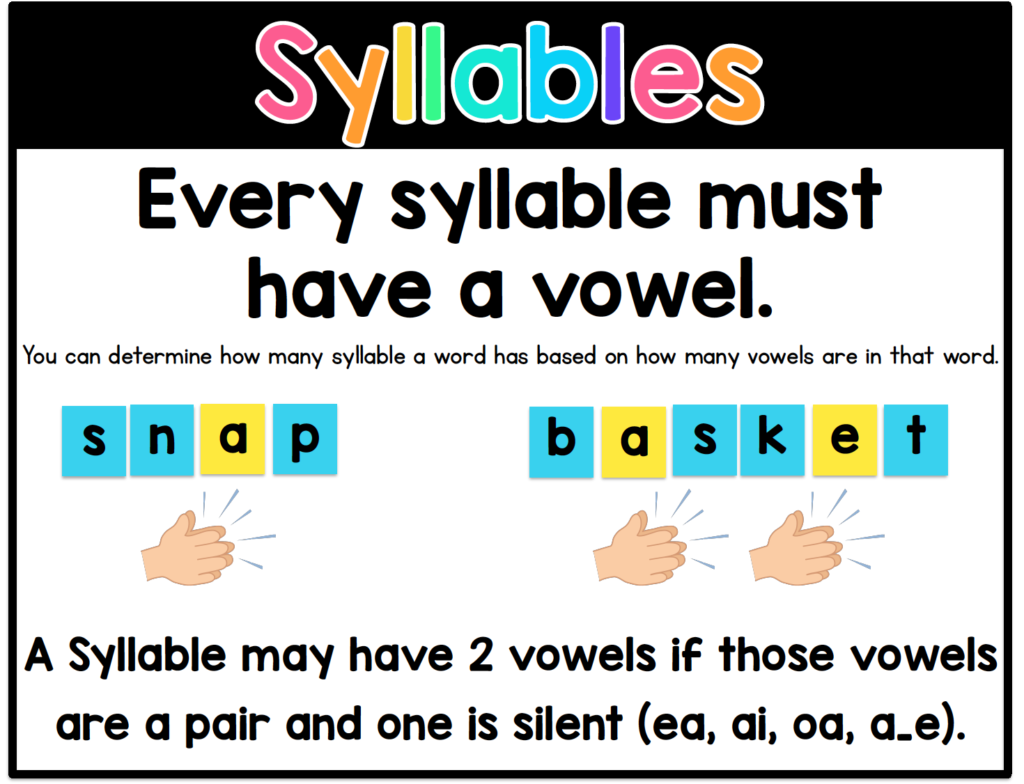
To count syllables, listen to the beats in the word. Say “bookshelf” slowly. You hear two beats: “book” and “shelf.” Each beat is a syllable. So, “bookshelf” has two syllables in total.

Credit: businessinrhyme.com
Common Misconceptions
Many people misunderstand how to count syllables in words like “bookshelf.” These mistakes happen often because syllable counting is not always clear. Knowing the common misconceptions helps you count better and understand words more deeply.
Why Syllable Counting Can Be Tricky
Syllable counting can confuse people. Some words seem to have more syllables than they do. This happens because sounds blend together when spoken fast. For example, “bookshelf” sounds like one word but has two syllables. Breaking words into parts helps, but it takes practice.
Another issue is silent letters. They do not add syllables but may mislead readers. Also, some vowels make soft sounds, making syllables harder to spot. These factors make syllable counting tricky for learners.
Regional Pronunciations Impact
Different accents change syllable counts. People in one region may say “bookshelf” with two syllables. Others might stretch sounds, making it seem like three. This is because vowels and consonants vary by dialect.
Regional pronunciation affects how words break down. It can cause confusion about the correct number of syllables. Understanding this helps readers accept variations in speech and syllable counting.
Tools For Syllable Counting
Knowing how to count syllables helps with reading and writing skills. Tools for syllable counting make this task easier for everyone. They help check words quickly and ensure correct pronunciation. These tools suit students, writers, and language learners alike.
Manual Techniques
Manual syllable counting uses simple methods anyone can try. One common way is to clap your hands for each syllable. Say the word slowly and tap each beat. Another method is to place your hand under your chin. Count how many times your chin drops while saying the word. These techniques need no special tools and work anywhere.
Online Syllable Counters
Online syllable counters provide fast and accurate results. You just type the word or phrase in a box and press enter. The tool shows the number of syllables immediately. Some websites explain how to break words into parts. These counters help save time and reduce mistakes. They are useful for homework and writing projects.
Importance Of Syllable Knowledge
Knowing syllables helps people understand how words sound and fit together. It plays a key role in reading, speaking, and writing. Syllable knowledge makes language clearer and easier to use. It also helps with rhythm and flow in many types of writing.
Understanding syllables improves pronunciation and spelling. It helps learners break down long words into smaller parts. This skill builds confidence in both speaking and reading aloud. Syllables guide how words are divided and stressed.
In Poetry And Writing
Syllables shape the rhythm of poems and stories. Writers count syllables to create a smooth flow. Poems like haikus depend on exact syllable counts. This count controls the pace and mood of the poem. Writers use syllables to make their text sound nice.
In Language Learning
Language learners benefit from knowing syllables. It aids in learning correct pronunciation of new words. Breaking words into syllables makes them easier to remember. Syllable practice helps improve listening and speaking skills. It also supports better spelling and writing in a new language.
Fun Facts About Syllables
Syllables are the building blocks of words. They help us speak clearly and rhythmically. Learning about syllables can be fun and surprising. Many interesting facts exist about how syllables work in language.
Understanding syllables improves reading and pronunciation skills. It also makes language learning easier. Let’s explore some fun facts about syllables that might surprise you.
Unusual Word Syllable Counts
Most words have one to three syllables. Some words can have many more. For example, “antidisestablishmentarianism” has 11 syllables. That’s a lot for one word! Long words often have many syllables because they combine smaller parts.
Short words with many syllables are rare. Words like “area” have three syllables but only four letters. Some words change syllable counts when spoken fast. These changes make language lively and fun to listen to.
Syllable Variations Across Languages
Syllables work differently in each language. In English, a syllable usually has a vowel sound. In Japanese, syllables often have a simple consonant-vowel pattern. This makes Japanese words sound very rhythmic.
Some languages use tones with syllables, like Mandarin Chinese. The tone changes the meaning of the syllable. Other languages, like French, link syllables smoothly together. Knowing these differences helps understand how languages flow.
Credit: leonnicholls.medium.com
Credit: sarahsnippets.com
Frequently Asked Questions
How Many Syllables Does “bookshelf” Have?
“Bookshelf” has two syllables. It is divided as “book-shelf,” making it a simple two-syllable word.
Why Count Syllables In The Word “bookshelf”?
Counting syllables helps in poetry, pronunciation, and language learning. “Bookshelf” with two syllables fits many rhythmic patterns.
Can “bookshelf” Syllables Affect Reading Fluency?
Yes, knowing syllables aids in smoother reading. “Bookshelf” having two syllables helps readers break the word easily.
How To Pronounce The Syllables In “bookshelf”?
Pronounce “book” and “shelf” clearly. Each part forms one syllable, making it easy to say.
Conclusion
The word “bookshelf” has two syllables. Knowing syllable counts helps with reading and writing. It improves pronunciation and rhythm in speech. Counting syllables can also make poetry easier. Simple words like “book” and “shelf” combine clearly. This knowledge supports better language learning.
Keep practicing with common words daily. It builds confidence and language skills. Syllables matter more than many realize. Try breaking words down to sound them out. This small step can make a big difference.