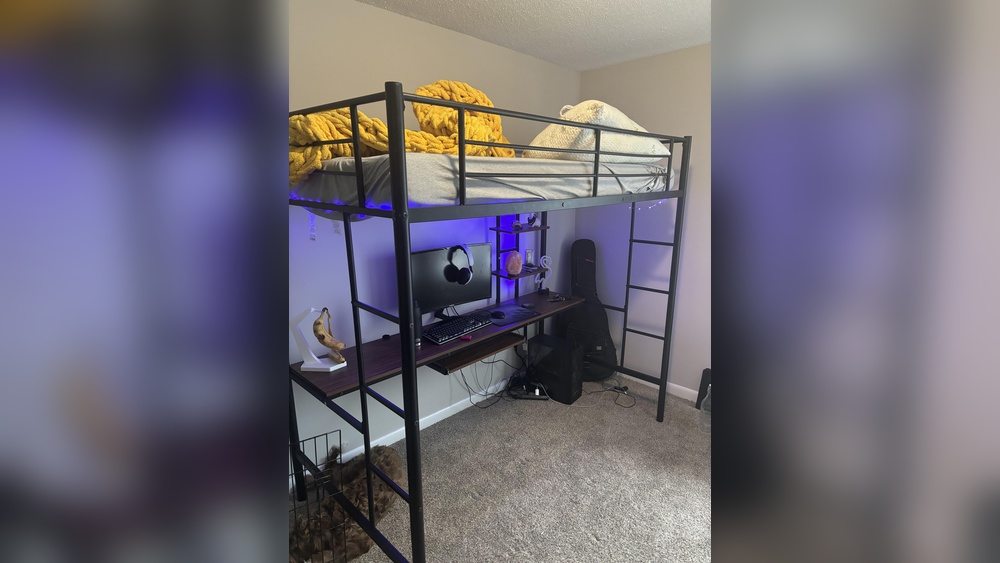
Is your bunk bed shaking every time you move? That constant wobble can be annoying and even unsafe.
You want a sturdy bed where you can sleep soundly or let your kids play without worry. Luckily, you don’t have to live with that annoying shake. You’ll discover simple and effective ways to stop your bunk bed from shaking.
Keep reading, and you’ll learn easy fixes that make your bed rock-solid, so you can enjoy peace of mind and a better night’s sleep.

Credit: diy.stackexchange.com
Identify The Shake Sources
Before fixing a shaky bunk bed, find out what causes the shake. Identifying the sources helps target the problem quickly. This saves time and effort in repairs. Focus on key areas that often loosen or wear out.
Check Loose Bolts And Screws
Loose bolts and screws are common reasons for shaking. Use a wrench or screwdriver to tighten each one. Check every corner and connection point. Even a single loose bolt can cause instability. Tighten them firmly but avoid over-tightening to prevent damage.
Inspect Bed Frame Joints
Bed frame joints hold the structure together. Look closely at these joints for cracks or gaps. Wiggle the frame gently to find weak spots. Wood or metal joints may wear out over time. Reinforce or replace damaged joints to stop the shake.
Assess Mattress Fit
A mattress that does not fit well can cause rocking. Make sure the mattress matches the bed size exactly. A mattress too small or thin leaves space to move. Choose a mattress that fits snugly to reduce movement. This simple step adds stability to the bunk bed.
Credit: www.reddit.com
Tighten And Secure Hardware
Tightening and securing the hardware is a key step to stop a bunk bed from shaking. Loose bolts and screws cause movement and noise. Checking and tightening all fasteners helps keep the bed stable. Small adjustments can make a big difference in safety and comfort.
Start by inspecting every bolt, screw, and nut on the bed frame. Tighten them carefully to reduce any wobble. This process is simple but effective. It also prevents further damage from loose parts rubbing together.
Use Proper Tools For Tightening
Use the correct tools to tighten the hardware. A wrench or screwdriver that fits the bolts and screws works best. Avoid using tools that are too big or too small. They can strip the fasteners or fail to tighten properly. Turn each fastener firmly but do not over-tighten. Over-tightening can damage the wood or metal parts.
Replace Missing Or Damaged Fasteners
Check for any missing or damaged fasteners. Missing screws or bolts cause instability and shaking. Replace them with new ones of the same size and type. Damaged fasteners should also be swapped out to ensure a secure hold. Using good quality hardware improves the bed’s strength and safety. Keep spare fasteners handy for future repairs.
Reinforce Bed Frame
Reinforcing the bed frame is a strong way to stop a bunk bed from shaking. A shaky frame makes the bed unsafe and uncomfortable. Strengthening the frame gives more support and stability. It helps keep the bed steady with less movement.
Add Corner Braces
Corner braces are metal brackets that fit on bed corners. They hold the frame tightly together. Attach them at each corner where the bed posts meet the side rails. Use screws to fix them firmly. This stops the frame from wobbling or twisting. Corner braces are cheap and easy to install. They make the bed frame much stronger.
Install Support Beams
Support beams go under the bed slats. They carry weight evenly across the frame. Place a strong wooden beam or metal bar in the middle of the bed frame. Secure it with screws or brackets to the bed rails. This reduces pressure on the bed slats. It lowers the chance of shaking or bending. Support beams add extra strength and help the bed last longer.
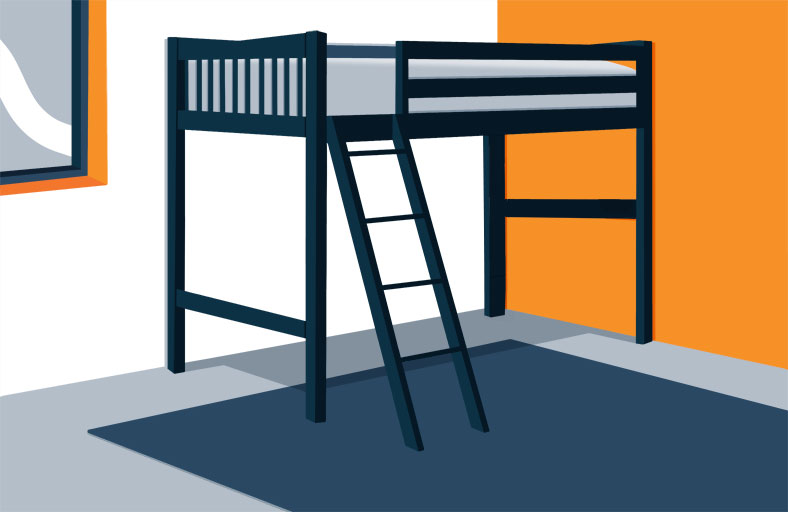
Credit: www.sleepadvisor.org
Stabilize Bed Legs
Stabilizing the legs of a bunk bed is a simple way to stop it from shaking. The legs support the entire structure. If they wobble, the whole bed moves. Fixing this problem makes the bed safer and more comfortable. Small changes can make a big difference in stability.
Use Furniture Grippers Or Pads
Furniture grippers or pads help keep bed legs from slipping. Place them under each leg to add grip. They prevent sliding on smooth floors. These pads also protect floors from scratches. Choose thick, rubbery pads for the best hold. They are easy to install and remove.
Place Bed On Even Surface
An uneven floor causes beds to shake. Check the floor for bumps or slopes. Move the bed to a flat, hard surface. If the floor is uneven, use small shims under legs. Shims fill gaps between the floor and legs. This keeps the bed steady and stops rocking.
Add Padding Between Components
Adding padding between bunk bed parts helps stop shaking. It softens contact points and fills small gaps. This reduces noise and movement. Simple materials work well for this task. Padding creates a tighter fit between components.
Use Rubber Washers Or Felt Pads
Rubber washers fit easily between screws and wood. They stop metal parts from rubbing on each other. Felt pads work well under bed slats or frame joints. These pads cushion the contact points. They prevent loose parts from moving and shaking.
Apply Foam Tape To Contact Points
Foam tape is soft and sticky. Place it on areas where wood or metal meet. It fills gaps and dampens vibrations. Foam tape also protects the bed from scratches. Cut it to size and press firmly into place. It keeps the bunk bed steady and quiet.
Upgrade Mattress And Slats
Upgrading the mattress and slats can greatly reduce bunk bed shaking. A mattress that fits well and sturdy slats provide better support. These upgrades make the bed more stable and safer for use.
Choose A Properly Fitting Mattress
Select a mattress that matches the bunk bed frame size exactly. A mattress too small or too large causes movement and noise. Firm mattresses help keep the bed steady and reduce shaking. Soft mattresses may sag and increase wobbling. Check the mattress thickness to fit the bed rails well. Proper fit prevents gaps that cause the bed to shake.
Replace Or Reinforce Slats
Old or weak slats can make the bunk bed unstable. Replace broken or thin slats with stronger wooden or metal ones. Add extra slats to increase support if the bed has too few. Secure slats tightly to the frame to stop shifting. Reinforcing slats spreads weight evenly and limits bed movement. Strong slats keep the mattress flat and steady for safer sleep.
Regular Maintenance Tips
Keeping your bunk bed steady takes regular care. Small actions can stop shaking and keep the bed safe. Follow simple steps often to keep the bed strong and quiet.
Schedule Periodic Tightening
Loose screws cause most bunk bed shakes. Check bolts and screws every few months. Use a screwdriver or wrench to tighten them well. Do not force screws, just make them snug. Tight parts keep the bed firm and stop noise.
Inspect For Wear And Tear
Look closely at wood and metal parts. Cracks or splits weaken the bed frame. Worn-out screws or bolts need replacement. Check the joints where parts connect. Early fixes stop bigger problems later. Replace damaged parts to keep the bed safe and stable.
Frequently Asked Questions
How Can I Stop My Bunk Bed From Shaking?
Tighten all screws and bolts regularly to reduce movement. Add corner braces or brackets for extra stability. Place rubber pads under the legs to prevent slipping on hard floors.
What Materials Help Stabilize A Shaking Bunk Bed?
Use metal brackets, corner braces, and rubber pads. These materials strengthen joints and reduce friction. They effectively limit shaking and increase safety.
Why Does My Bunk Bed Keep Shaking?
Loose bolts, worn joints, or uneven floors cause shaking. Over time, fasteners can loosen with use. Uneven flooring causes wobbling and instability.
Can Adding A Mattress Pad Reduce Bunk Bed Shaking?
Yes, a mattress pad can absorb movement and reduce noise. It cushions the frame and limits vibrations, making the bed feel more stable.
Conclusion
Stopping a bunk bed from shaking makes it safer and more comfortable. Tighten all screws and bolts regularly. Use extra supports or braces if needed. Place rubber pads under legs to reduce movement. Check the bed frame for any damage.
Small fixes can make a big difference. Enjoy a steady and quiet bunk bed every night. Safety and peace of mind matter most. Keep your bed strong and stable for years. Simple steps help prevent accidents and noise. A solid bunk bed means better sleep for everyone.
