Are you thinking about adding a bunk bed to your home but wondering how much clearance you really need? Getting the right space between the top and bottom bunks isn’t just about comfort—it’s about safety and making sure your kids or guests can move around easily.
Too little space can feel cramped and even dangerous, while too much might waste valuable room. You’ll discover the ideal clearance measurements that keep everyone safe and comfortable. Keep reading to find out exactly what to look for when choosing or setting up your bunk bed.

Credit: www.maxtrixkids.com
Recommended Clearance Heights
Choosing the right clearance height for a bunk bed ensures safety and comfort. Proper space helps avoid bumping heads and allows easy movement. It also helps in making the room feel less cramped. Clearance height depends on the bed type and mattress thickness.
Standard Bunk Bed Clearances
Most standard bunk beds need about 30 to 36 inches of space between the top and bottom bunk. This clearance lets the person on the bottom sit up without hitting their head. It also provides enough room for air circulation and a comfortable sleeping area. Check the bed’s design for exact measurements.
Clearance For Loft Beds
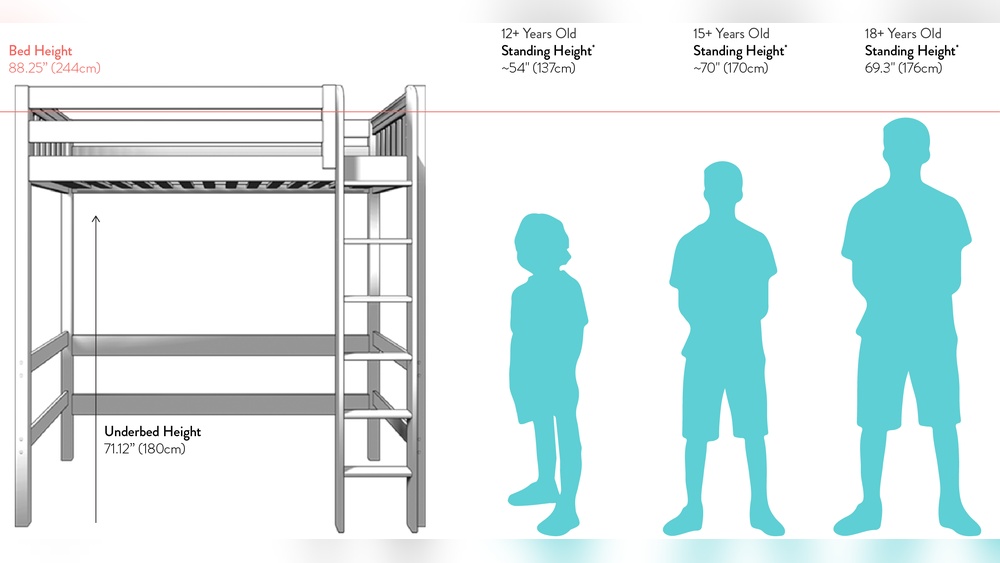
Loft beds usually have more space below because no bottom bunk exists. They need at least 33 to 48 inches of clearance underneath. This space allows for a desk, play area, or storage. Make sure the loft bed height fits your room’s ceiling and the intended use below the bed.
Adjusting For Mattress Thickness
Mattress thickness affects total clearance space. Thicker mattresses reduce the headroom between bunks. Measure your mattress height before finalizing the clearance. Aim for at least 27 inches of free space above the mattress for comfort. Adjust bed height or mattress size if needed to keep enough room.

Credit: casakids.com
Safety Concerns With Clearance
Clearance space in a bunk bed is not just about comfort. It plays a big role in safety. Proper clearance helps prevent accidents and health problems. Understanding these safety concerns can keep your children safe and healthy.
Preventing Head Injuries
Low clearance can cause bumps and bruises. Children can hit their heads while sitting up. Enough space above the mattress reduces this risk. A minimum of 33 inches is often recommended. This space helps children move without hitting the ceiling or the top bunk.
Ensuring Proper Ventilation
Tight spaces limit air flow. Poor ventilation can make the sleeping area hot and stuffy. Good clearance allows air to circulate freely. This keeps the sleeping area fresh and cool. Proper air flow helps children sleep better and prevents breathing problems.
Avoiding Overcrowded Spaces
Too little space makes the room feel cramped. Overcrowded spaces increase the chance of accidents. Children need room to climb safely and get in and out. Proper clearance ensures a safer, less stressful environment. It also makes the bedroom feel more open and comfortable.
Factors Affecting Clearance Needs
Choosing the right clearance for a bunk bed is not just about space. Several factors affect how much space you need between the top and bottom bunks. These factors help ensure comfort and safety for users. Understanding them will help you pick the best bunk bed setup for your room.
Age And Height Of Users
Young children need less clearance than adults. They are smaller and need less headroom. Taller users require more space to sit up safely. Consider who will use the bed most often. This helps decide the right height between bunks.
Room Ceiling Height
The room’s ceiling height limits bunk bed clearance. Low ceilings need lower bunk beds or more space between the top bunk and ceiling. High ceilings allow more flexible bed designs. Always measure your room height before choosing a bunk bed.
Bed Frame Design
Different bed frames need different clearances. Some frames have thicker mattresses or guardrails that reduce space. Loft beds may offer more clearance below. Check the design details before buying. This ensures enough space for comfort and safety.
Tips For Measuring Clearance
Measuring the clearance for a bunk bed is important for safety and comfort. This space allows room for sitting up and moving without hitting the ceiling. Careful measurement helps you avoid problems later.
Use the right tools and think about all parts of the bed. Also, consider your child’s growth over time. These tips will guide you through the process.
Using A Tape Measure Correctly
Choose a tape measure that is long and easy to read. Start measuring from the top of the mattress support or bed frame. Measure straight up to the ceiling or any overhead obstacle. Keep the tape measure tight and straight for accurate results. Write down the measurement so you don’t forget it.
Checking Mattress And Bedding Height
Measure the mattress thickness before placing it on the bunk bed. Add extra height for pillows and blankets. This total height affects the clearance space. Use the mattress and bedding height to adjust your measurements. Ensure enough space remains above for comfort and safety.
Considering Future Growth
Kids grow fast and may need more headroom soon. Add extra clearance to your measurements for this growth. Think about how tall your child might become in a few years. Extra space helps avoid bumping heads or feeling cramped. Planning ahead keeps the bunk bed usable longer.
Additional Safety Features
Safety is very important when using a bunk bed. Besides having enough clearance, extra safety features help prevent accidents. These features protect children and make the bed more secure. Parents should check these details before buying or assembling a bunk bed.
Guardrails And Their Height
Guardrails stop children from falling out of the top bunk. They must be tall enough to hold a child safely during sleep. The guardrails should be at least 5 inches above the mattress. Solid and sturdy guardrails work best. Avoid gaps that are too wide to stop slipping through.
Ladder Placement And Stability
The ladder must be easy to climb and steady. Place it in a spot that does not block room space. The ladder should be fixed firmly to the bed frame. Steps should be wide and non-slip. This reduces the chance of falling while climbing up or down.
Padding And Cushioning Options
Adding padding around the bed edges softens any bumps. Use foam or soft fabric cushions on corners and guardrails. This reduces the risk of injury from accidental hits. A padded floor mat below the ladder adds extra protection. These simple cushions improve overall safety greatly.

Credit: casakids.com
Common Mistakes To Avoid
Understanding the right clearance for a bunk bed is important for safety and comfort. Many people make common mistakes that can cause problems. Avoiding these errors keeps the bunk bed safe and functional. Here are some common mistakes to watch out for.
Ignoring Manufacturer Guidelines
Every bunk bed comes with rules from the maker. These rules tell you the needed clearance space. Ignoring these rules can cause accidents or damage. Follow the instructions to keep the bed safe and strong.
Underestimating Mattress Thickness
People often forget to count mattress thickness when measuring clearance. A thick mattress can reduce space above the lower bunk. This may cause bumps or discomfort. Always add mattress height to your clearance measurement.
Neglecting Regular Safety Checks
Clearance can change over time as mattresses compress or parts shift. Skipping safety checks can miss these changes. Check clearance and bed condition regularly. Fix any problems quickly to avoid injury.
Frequently Asked Questions
How Much Clearance Is Needed Between Bunk Bed And Ceiling?
A minimum of 30 inches clearance is recommended between the top bunk and ceiling. This space ensures safety and comfort when sitting or moving on the bed.
Why Is Clearance Important For Bunk Beds?
Proper clearance prevents head injuries and allows comfortable sitting on the top bunk. It also improves airflow and overall safety.
How To Measure Bunk Bed Clearance Correctly?
Measure from the top mattress surface to the ceiling. Ensure at least 30 inches for comfortable space and safe usage.
Can Low Ceiling Rooms Fit Bunk Beds Safely?
Yes, but ensure at least 30 inches clearance above the top bunk. Consider shorter bunk beds or loft beds for tight spaces.
Conclusion
Choosing the right clearance for a bunk bed keeps everyone safe and comfortable. Enough space helps kids sit up without bumping their heads. It also makes climbing easier and prevents accidents. Aim for at least 30 inches between beds. This space balances comfort and room size well.
Remember, good clearance improves sleep quality and daily use. Measure carefully before buying or building. Safety and comfort matter most in every bedroom.