Are you thinking about building your own bookshelf but wondering how much it will cost? Whether you want a simple shelf for your favorite reads or a custom piece to showcase your collection, knowing the expenses upfront can save you time and stress.
You’ll discover the real costs involved—from materials to tools and even unexpected expenses. By the end, you’ll have a clear picture of what to expect and how to plan your budget wisely. Ready to turn your bookshelf dream into reality without breaking the bank?
Let’s dive in.
Credit: www.reddit.com
Factors Affecting Bookshelf Cost
Building a bookshelf cost depends on several key factors. These factors shape the final price and help you plan your budget better. Understanding these elements can guide you to make smart choices.
Materials And Quality
Material type greatly affects the cost of a bookshelf. Solid wood costs more than particleboard or MDF. Quality also matters. High-grade wood lasts longer but costs more upfront. Cheaper materials may save money but wear out fast.
Size And Dimensions
Larger bookshelves need more materials, increasing the price. Tall or wide shelves require extra wood and hardware. Small shelves cost less but hold fewer items. Always measure your space before deciding size.
Design Complexity
Simple designs are cheaper to build. Complex shelves with curves or special features cost more. Extra shelves, doors, or drawers add to the price. Custom designs need more time and skill, raising labor costs.
Labor And Tools
Hiring a carpenter increases the total cost. Skilled labor charges vary by location and experience. Using professional tools speeds up the work but adds to expenses. DIY projects save labor costs but need your time and tools.
Credit: www.woodshopdiaries.com
Material Costs Breakdown
Building a bookshelf starts with choosing the right materials. Material costs make up a large part of the total price. This section breaks down the main costs involved. Knowing these helps plan your budget better. Understanding each material’s price guides your buying decisions.
Wood Types And Prices
Wood is the most common material for bookshelves. Pine is the cheapest option, costing about $2 to $4 per board foot. Oak is stronger and costs around $6 to $10 per board foot. Maple offers a smooth finish but is pricier, about $7 to $12 per board foot. Cherry wood is elegant but expensive, usually $8 to $15 per board foot. The choice depends on durability and budget.
Alternative Materials
Plywood is a popular alternative to solid wood. It costs between $25 and $50 for a 4×8 sheet. MDF is cheaper, around $20 to $40 per sheet, but less durable. Particleboard is the lowest cost, about $10 to $30 per sheet. These materials work well with a finish or paint. Metal shelves cost more but add a modern look. Plastic is rare but can be affordable and lightweight.
Hardware And Accessories
Hardware includes screws, brackets, and nails. These usually cost $5 to $15 for a basic set. Shelf pins and brackets add support and cost around $1 to $3 each. Wood glue and sandpaper add about $5 to $10. Finishing materials like paint or varnish range from $10 to $30 per can. Good hardware keeps your bookshelf sturdy and safe.
Diy Vs Professional Build
Choosing between building a bookshelf yourself or hiring a professional is an important decision. Both options have benefits and costs. Understanding these differences helps you pick the best choice for your needs.
Cost Comparison
Building a bookshelf yourself usually costs less. You only pay for materials and tools. Professionals charge for labor and skills, making the price higher. A simple DIY bookshelf might cost $50 to $150. A professional build often starts at $300 and can go much higher.
Time Investment
DIY projects take more time, especially for beginners. You need to measure, cut, and assemble carefully. Mistakes can slow you down. Professionals work faster. They have experience and tools to finish quickly. Hiring a pro can save you hours or days.
Skill Requirements
DIY bookshelves need basic woodworking skills. You must know how to use tools safely. Some designs are easy, some are complex. Professionals have the skills to handle all types of builds. They ensure the bookshelf is strong and looks good.
Budgeting Tips For Bookshelf Projects
Building a bookshelf can be affordable with smart budgeting. Careful planning helps keep costs low and results high. Simple steps save money and improve your project. These budgeting tips make your bookshelf build easier and less costly.
Sourcing Affordable Materials
Find materials at local hardware stores or big-box retailers. Look for sales or clearance sections. Buy only what you need to avoid waste. Check online marketplaces for deals on wood and hardware. Compare prices before buying to get the best value.
Simplifying Design
Choose a basic bookshelf design with fewer parts. Avoid complex shapes and unnecessary details. Simple shelves require less wood and fewer fasteners. This reduces both material costs and build time. Focus on strong, straight lines for an easy build.
Using Reclaimed Wood
Reclaimed wood offers a budget-friendly and eco-friendly option. Visit salvage yards or ask friends for leftover wood. Sand and treat reclaimed wood for a fresh look. It adds character and lowers the cost of your bookshelf. Reusing wood keeps materials out of the landfill.
Cost Estimates For Different Bookshelf Styles
Bookshelves come in many styles and sizes. Each style has a different cost. Knowing these costs helps you plan your budget. Here are cost estimates for popular bookshelf styles.
Basic Open Shelves
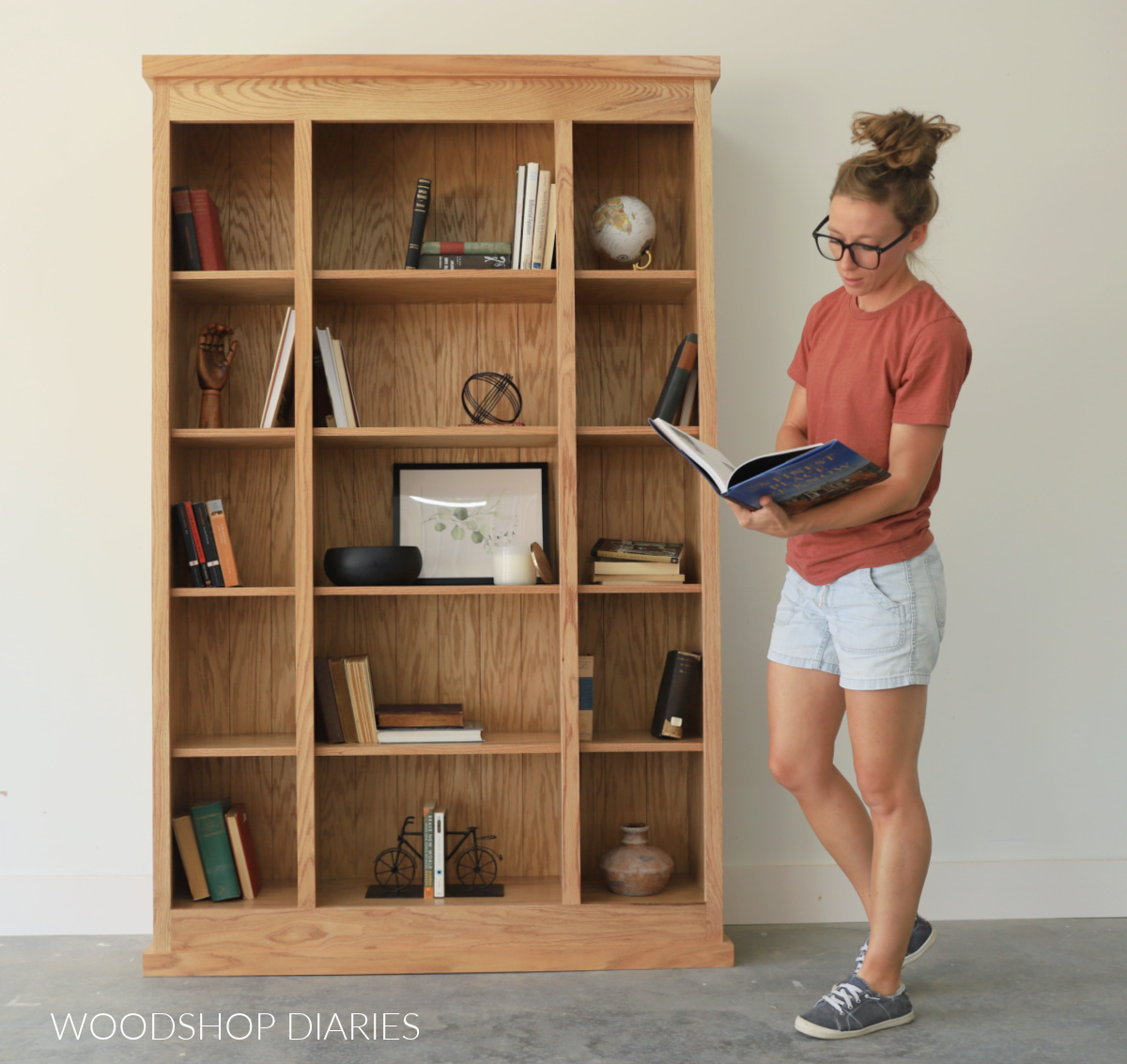
Basic open shelves are the simplest type. They usually have three to five shelves. Materials like pine or MDF keep costs low. Expect to spend between $50 and $150. These shelves are easy to build or buy. They fit well in most rooms.
Built-in Units
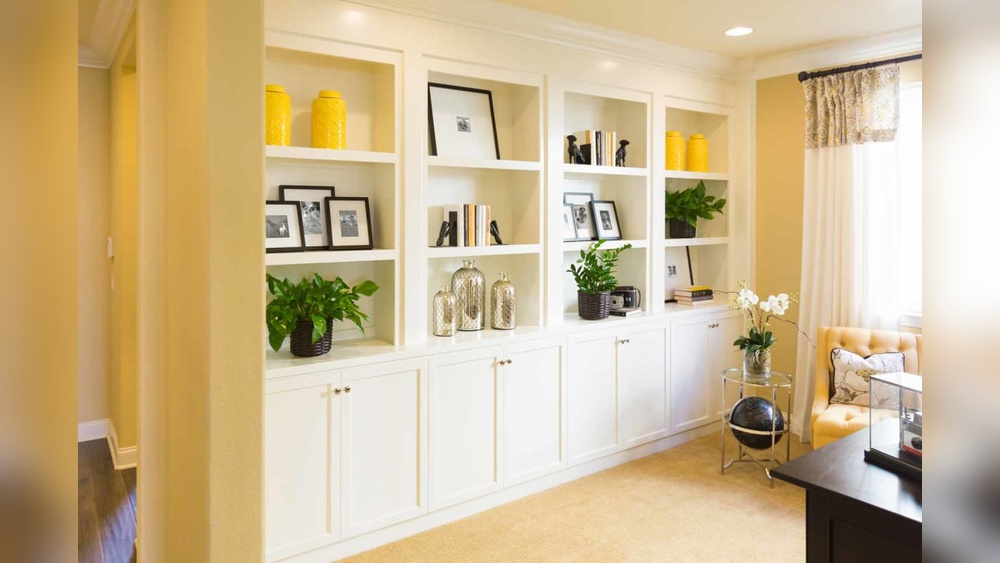
Built-in units are fixed to walls for a seamless look. They use better materials like hardwood or plywood. Costs rise because of labor and design. Prices range from $500 to $2,000 or more. These shelves add value and style to your home.
Custom Designs
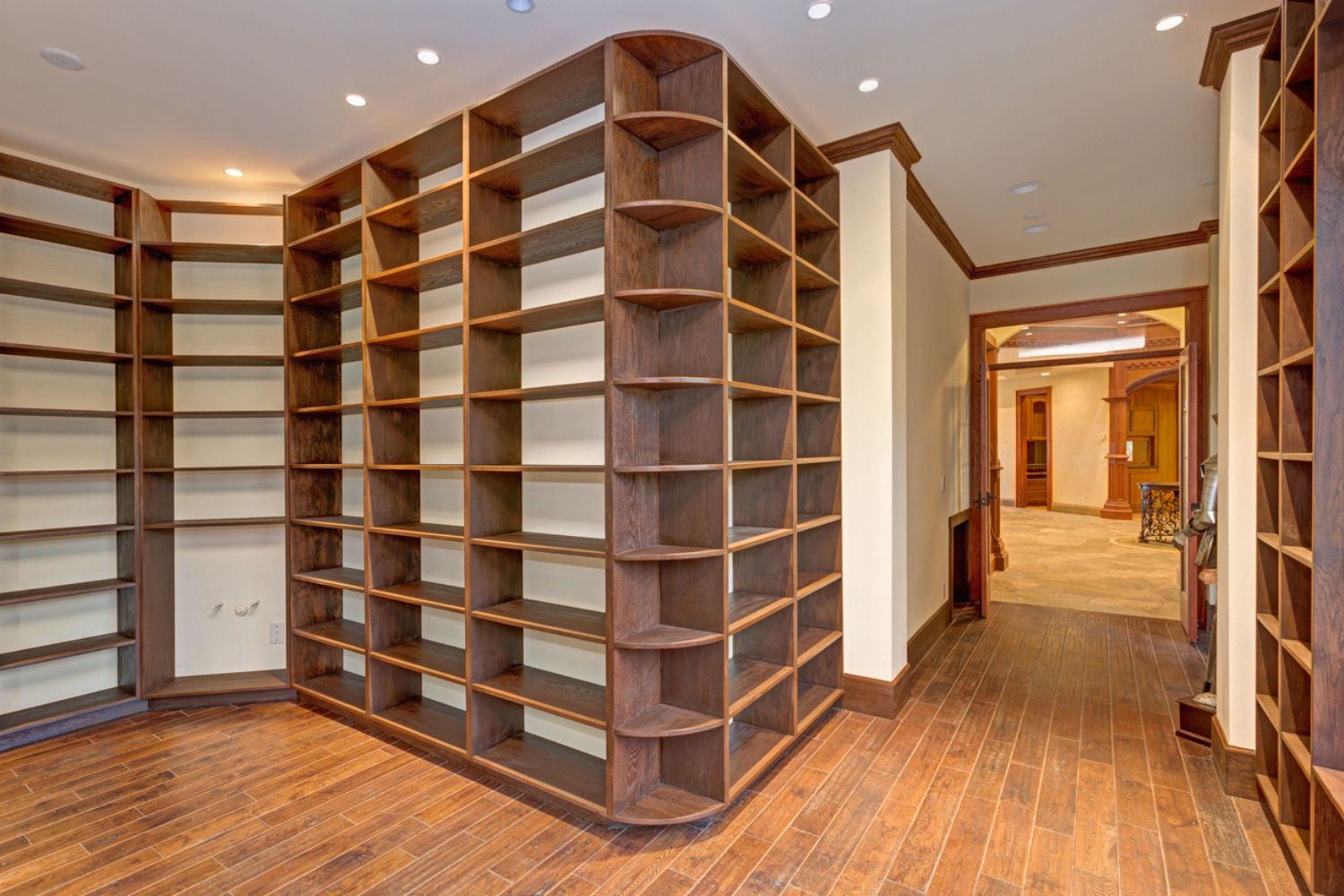
Custom bookshelves are made to your exact needs. You choose materials, size, and style. These shelves can include special features like lighting. Costs vary widely, from $1,000 to over $5,000. Custom designs offer unique looks and quality.
Hidden Costs To Consider
Building a bookshelf involves more than just the cost of wood and screws. Several hidden expenses can raise the total price. These costs often surprise many first-time builders. Understanding these hidden costs helps you plan your budget better. Here are some important hidden costs to consider.
Finishing And Paint
Raw wood looks plain and needs finishing. Finishing protects the wood from damage and wear. Paint, stain, or varnish costs add up quickly. Quality finishes cost more but last longer. Brushes, rollers, and other tools add to expenses. A poorly finished bookshelf may need rework, increasing costs over time.
Delivery And Installation
Large or heavy bookshelves can be hard to move. Delivery charges vary depending on size and distance. Some sellers charge extra for delivery to upper floors. Professional installation ensures the shelf is sturdy and safe. Installation fees can be a significant part of the budget. DIY installation saves money but may take more time.
Maintenance Over Time
Bookshelves need occasional cleaning and upkeep. Dust, scratches, and moisture damage require repairs or refinishing. Small fixes like tightening screws or replacing parts cost money. Wood may warp or crack in certain climates. Proper care extends the life of your bookshelf. Neglecting maintenance leads to higher replacement costs.
Credit: www.bobvila.com
Frequently Asked Questions
How Much Does It Cost To Build A Basic Bookshelf?
Building a basic bookshelf typically costs between $50 and $150. The price depends on wood type, size, and hardware used. Simple designs with pine or plywood are cheaper. Custom or hardwood shelves cost more due to materials and labor.
What Factors Affect Bookshelf Building Costs The Most?
Material choice, size, and design complexity are key cost factors. Hardwood and custom finishes increase expenses. Labor and hardware quality also impact the total price. Budget-friendly projects use standard plywood and minimal hardware.
Can I Save Money Building A Bookshelf Myself?
Yes, DIY bookshelf building saves labor costs and allows material choice control. Using affordable wood and simple designs lowers expenses. However, investing in quality tools and materials ensures durability and a professional look.
How Does Bookshelf Size Influence The Overall Cost?
Larger bookshelves require more wood and hardware, increasing costs. Bigger projects also take longer to build, raising labor expenses if outsourced. Compact shelves are cheaper and quicker to complete, ideal for small spaces.
Conclusion
Building a bookshelf can fit many budgets. Costs depend on materials, size, and design. Simple shelves cost less, while custom ones cost more. Doing it yourself saves money but needs time and tools. Buying ready-made shelves is faster but might cost more.
Plan your project well to avoid surprises. Choose materials that last and look good. Think about how you will use the shelf. This helps you pick the right style and price. Your bookshelf can be both useful and affordable. Take your time and enjoy the process.

