Are you ready to give your bookshelf a fresh new look but unsure how much paint you actually need? Picking the right amount of paint can save you time, money, and frustration.
Whether you’re aiming for a bold splash of color or a subtle touch, knowing the exact quantity will help you plan better and avoid those extra trips to the store. Keep reading, and you’ll discover simple ways to calculate the perfect amount of paint for your bookshelf, so your project goes smoothly from start to finish.
Calculate Paint Quantity
Calculating the right amount of paint for a bookshelf saves time and money. It helps avoid buying too much or too little paint. The process starts with measuring your bookshelf and ends with choosing the right paint type. Each step ensures your project goes smoothly and looks great.
Measure Bookshelf Dimensions
First, measure the height, width, and depth of your bookshelf. Use a tape measure for accuracy. Write down each number. These measurements help find the total surface area to paint. Measure all sides, including shelves and edges.
Assess Surface Area
Multiply the height by the width of each side. Do this for all parts of the bookshelf. Add the numbers together for the total area. Subtract space for any areas not painted, like glass or open backs. This gives a precise surface size to cover with paint.
Account For Paint Type
Different paints cover different amounts of surface area. Check the paint can for coverage details. Usually, one liter covers about 10 square meters. Also consider the number of coats needed. Some paints require two or more layers. Multiply coverage by coats to find total paint needed.
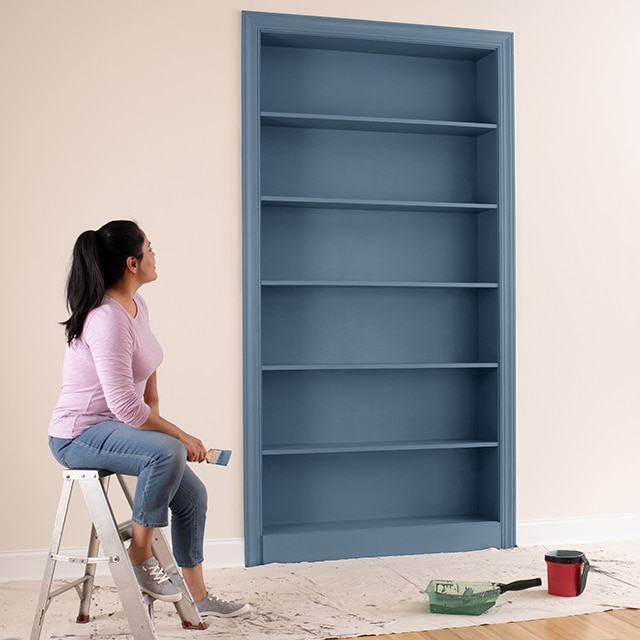
Credit: www.benjaminmoore.com
Choose The Right Paint
Choosing the right paint is key to a great bookshelf makeover. The paint you select affects how your bookshelf looks and lasts. It also changes how much paint you need. Knowing the types of paint and finishes helps you pick the best one.
Types Of Paint For Wood
Latex paint is popular for wood. It dries fast and cleans up with water. Oil-based paint is thicker and lasts longer. It gives a smooth finish but takes more time to dry. Chalk paint creates a matte, vintage look. It needs a sealant for protection. Pick paint based on your desired look and usage.
Finish Options
Paint finish changes the shine level on wood. Matte finish has no shine and hides flaws well. Satin finish adds a soft glow and is easier to clean. Semi-gloss finish is shiny and good for areas that get dirty. Glossy finish is very shiny and tough but shows every mark. Choose finish by how much shine and care you want.
Durability And Maintenance
Durability matters for a bookshelf you use a lot. Oil-based paint holds up well to scratches and stains. Latex paint resists cracking and is easier to maintain. Chalk paint needs sealing to protect it. Consider how often you will clean the bookshelf. Durable paint saves time and keeps the shelf looking good longer.
Prepare The Bookshelf
Preparing your bookshelf properly sets the stage for a smooth paint job. Good preparation helps paint stick better and last longer. It also makes the final look neat and professional.
Follow these steps carefully to get your bookshelf ready for painting.
Clean And Sand Surfaces
Start by cleaning the bookshelf with a damp cloth. Remove dust, dirt, and grease. Dirt can stop paint from sticking well.
Next, sand the surfaces lightly. Use fine-grit sandpaper to smooth rough spots. Sanding helps the paint grip the wood better.
After sanding, wipe the dust off with a clean cloth. The surface must be clean and smooth before painting.
Apply Primer
Primer is a special base coat that helps paint stick. It also prevents stains and wood color from showing through.
Choose a primer suited for wood. Apply it evenly with a brush or roller. Let it dry fully before painting.
Priming saves paint and improves the final color. It makes your bookshelf look fresh and smooth.
Protect Surrounding Areas
Cover floors and nearby furniture with drop cloths or old sheets. Paint can drip or spill easily.
Use painter’s tape to mask edges and areas you don’t want painted. This keeps lines clean and sharp.
Protecting the area saves time on cleaning later. It also keeps your home neat during the project.
Apply Paint Efficiently
Applying paint efficiently on a bookshelf saves time and gives a smooth finish. It helps use the right amount of paint without waste. Proper techniques make the bookshelf look neat and last longer. Follow these tips to paint like a pro.
Use Proper Tools
Choose a good quality brush or roller for painting. Small brushes work well for corners and edges. Use a foam roller for flat surfaces. Keep your tools clean to avoid rough spots. Having the right tools makes painting easier and faster.
Techniques For Even Coating
Start with thin coats of paint. Apply in long, smooth strokes. Avoid pressing too hard on the brush. Paint in one direction to reduce streaks. Check for missed spots and touch up carefully. Multiple thin layers work better than one thick layer.
Drying Times Between Coats
Wait for the paint to dry before the next coat. Follow the paint can instructions for drying times. Usually, 1 to 2 hours is enough. Dry paint prevents smudging and uneven surfaces. Proper drying helps the paint stick well and last longer.
Estimate Paint For Multiple Coats
Painting a bookshelf usually needs more than one coat. Each coat makes the color richer and the finish smoother. Estimating paint for multiple coats helps avoid running out or wasting paint.
Knowing how many coats you need and how much paint each coat uses is important. This keeps your project on track and within budget.
Number Of Coats Needed
Most bookshelves need two coats of paint. Some surfaces or colors may need three coats. A primer coat counts as one coat if you use it. Check the paint label for coverage details. Dark colors often need more coats than light ones.
Adjusting Paint Amount
Multiply the paint needed for one coat by the number of coats. Add 10% extra for touch-ups and mistakes. For example, if one coat needs 1 quart, two coats need about 2.2 quarts. Always round up to avoid running short.
Saving Leftover Paint
Store leftover paint in a sealed container. Keep it in a cool, dry place. Label the container with color and date. Leftover paint is useful for future touch-ups. Proper storage keeps paint fresh for months.
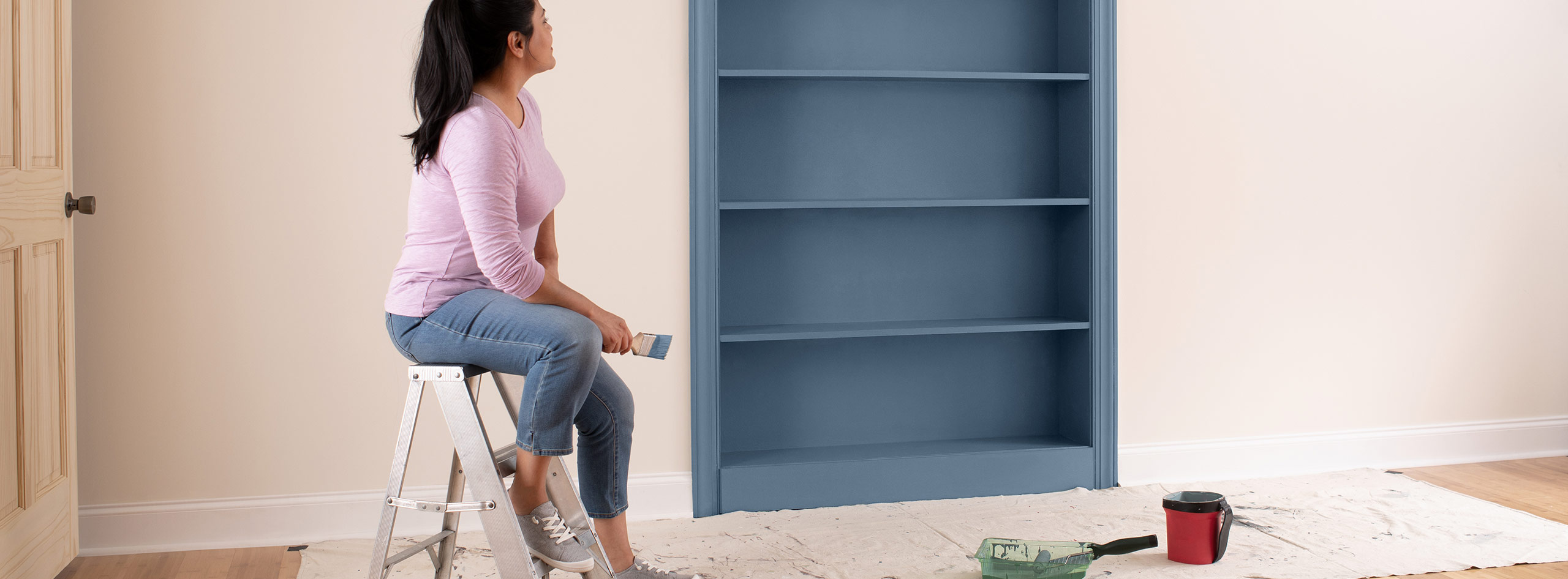
Credit: www.benjaminmoore.com
Common Mistakes To Avoid
Painting a bookshelf seems simple but many make mistakes. These errors can waste paint and time. Avoiding common pitfalls helps you finish faster and with a better look. Here are key mistakes to watch out for.
Overestimating Paint
Buying too much paint can lead to waste. Measure your bookshelf carefully. Check the paint can for coverage details. Usually, one quart covers about 100 square feet. Calculate surface area before buying. Save money and space by buying only what you need.
Skipping Surface Prep
Painting on dirty or rough wood causes poor results. Clean the shelf with a damp cloth. Sand rough spots until smooth. Remove dust before painting. Proper prep helps paint stick better. It also makes the finish look smooth and neat.
Ignoring Drying Times
Rushing to apply another coat can ruin the paint job. Paint needs time to dry fully. Follow the instructions on the paint can. Usually, wait at least two hours between coats. Proper drying prevents peeling and uneven color. Patience improves the final look.

Credit: thediyplaybook.com
Frequently Asked Questions
How Much Paint Do I Need For A Small Bookshelf?
For a small bookshelf, one quart of paint usually covers two coats. This amount is sufficient for surfaces around 50 square feet. Always check the paint can for exact coverage details to avoid running out mid-project.
What Type Of Paint Works Best For Bookshelves?
Acrylic latex paint is ideal for bookshelves. It dries quickly, resists chipping, and provides a smooth finish. Choose a semi-gloss or satin finish for durability and easy cleaning.
How Many Coats Of Paint Should I Apply?
Applying two coats of paint is recommended for even coverage. The first coat seals the surface, and the second enhances color depth and durability. Allow proper drying time between coats.
Should I Prime The Bookshelf Before Painting?
Priming is essential for raw or previously unpainted wood. It ensures better paint adhesion and hides imperfections. Use a quality primer suited for wood surfaces before painting.
Conclusion
Calculating paint for a bookshelf is simple with the right steps. Measure your shelves carefully and note the surface area. Choose the paint type that fits your project needs. Remember to add extra paint for touch-ups. A small can often covers one or two coats well.
Taking time to prepare the surface helps the paint last longer. This way, your bookshelf will look fresh and neat. Painting can be quick and rewarding when planned well. Enjoy your newly painted bookshelf!