Your outdoor wood furniture adds charm and comfort to your space. But have you ever wondered how to keep it looking fresh and protected year-round?
Waxing is a simple step that can make a huge difference. Knowing how often you should wax your outdoor wood furniture can save you from costly repairs and keep your pieces shining beautifully. You’ll discover the right timing and tips to make your furniture last longer and look its best.
Keep reading to unlock the secret to maintaining your wood furniture like a pro.

Credit: www.walmart.com
Benefits Of Waxing Wood Furniture
Waxing outdoor wood furniture offers many benefits. It helps keep the wood strong and good-looking. Wax creates a barrier that protects the wood from damage. Regular waxing also keeps the furniture lasting longer. Small efforts can make a big difference in maintaining your wood pieces.
Protection From Weather
Wax shields wood from rain and sun damage. It stops water from soaking into the wood. This prevents swelling, cracking, and rotting. Wax also blocks harmful UV rays. These rays can cause wood to fade and weaken. With waxing, wood stays safe against harsh weather.
Enhancing Wood Appearance
Waxing brings out the wood’s natural color and shine. It smooths the surface and hides small scratches. The furniture looks fresh and polished after waxing. This makes your outdoor space more inviting. Wax also reduces dust buildup, keeping the wood cleaner.
Extending Furniture Lifespan
Waxing slows down wood wear and tear. It reduces damage from insects and dirt. Regular waxing keeps wood strong and durable. The furniture stays useful and beautiful for many years. This saves money by avoiding early replacements.

Credit: lumbergrand.com
Signs Your Outdoor Wood Needs Waxing
Outdoor wood furniture faces sun, rain, and dirt every day. These elements wear down the wood’s surface. Waxing helps protect and keep wood looking fresh. Knowing the signs that your wood needs waxing helps keep it strong and beautiful. Watch for changes in the wood’s look and feel. These signs tell you it’s time to wax again.
Dull Or Faded Surface
Wood that loses its shine is a clear sign. The color may look washed out or pale. This happens because sun and weather remove natural oils. Wax adds a protective layer to bring back the glow. A dull surface means the wax layer is worn off.
Water Absorption Issues
Water should bead on the wood surface. If water soaks in quickly, wax is missing. Wet wood can swell and weaken over time. Wax keeps water from soaking into the wood. Check for dark spots or damp areas after rain or washing.
Surface Cracks Or Splinters
Small cracks or rough spots show the wood is dry. Sun and wind dry out wood fibers, causing damage. Wax seals the wood and stops cracking. If you see splinters, the wood needs protection soon. Wax helps keep wood smooth and strong.
Factors Influencing Waxing Frequency
Knowing how often to wax outdoor wood furniture depends on several factors. Waxing protects wood from weather and wear. The right frequency keeps furniture looking fresh and extends its life. Different conditions affect how fast wax wears off. Understanding these helps set a good waxing schedule.
Type Of Wood
Some woods absorb wax better than others. Hardwoods like teak and mahogany resist moisture well. They need less frequent waxing, about twice a year. Softwoods like pine soak up wax quickly. They may need waxing every three to four months. The wood’s natural oils also affect waxing needs.
Local Climate Conditions
Hot, dry climates can dry out wood fast. This causes wax to crack and fade sooner. Waxing every three months works best here. Wet and humid areas cause mold and mildew. Wax protects against moisture but wears off faster. Waxing every two to three months helps maintain protection.
Furniture Usage And Exposure
Furniture used daily needs more care. Constant touching wears down wax quickly. Exposure to sun or rain also affects waxing. Covered furniture stays protected longer and needs less waxing. Move furniture indoors or under cover to reduce waxing frequency.
Recommended Waxing Schedule
Outdoor wood furniture should be waxed every 3 to 6 months. This keeps the wood protected from weather damage. Regular waxing helps maintain its look and durability.
Waxing outdoor wood furniture keeps it looking fresh and protects it from damage. The right schedule depends on many factors, including weather and how often you use the furniture. Sticking to a regular waxing routine helps wood stay smooth and resists cracking or fading. Follow these simple tips to find the best waxing schedule for your outdoor pieces.
Seasonal Waxing Tips
Wax your furniture at the start of each season. Spring is ideal to prepare wood for sun and rain. In fall, waxing adds a layer of protection before winter. Winter waxing suits mild climates where furniture stays outside. Summer waxing is useful in hot, dry areas to prevent drying and cracking.
Frequency For Different Climates
In wet or humid climates, wax furniture every 2 to 3 months. This prevents water damage and mold. Dry, sunny climates need waxing every 3 to 4 months. The sun can dry out the wood quickly. Mild climates may only need waxing twice a year. Adjust based on how your furniture looks and feels.
Adjusting Schedule Based On Wear
Check your furniture regularly for signs of wear. Faded or rough spots mean it needs waxing sooner. Heavy use calls for more frequent waxing. If furniture is covered or stored indoors, wax less often. Always clean the surface before waxing to get the best results.
Choosing The Right Wax For Outdoor Wood
Choosing the right wax for outdoor wood furniture helps protect it from weather damage. It also keeps the wood looking fresh and beautiful for longer. Different waxes offer different benefits. Knowing what to pick makes waxing easier and more effective.
Natural Vs Synthetic Waxes
Natural waxes come from plants and animals. Beeswax is a popular choice. It feels smooth and adds a warm shine. Natural waxes are safe and eco-friendly. They soak into the wood well but may need more frequent reapplication.
Synthetic waxes are made in labs. They often last longer and resist water better. These waxes create a stronger protective layer on the wood. Some synthetic options can look shiny or plastic-like. Choose based on how much protection and shine you want.
Wax Ingredients To Consider
Check the ingredients for water repellents like carnauba or paraffin. These help keep rain and moisture out. Oils such as linseed or tung oil nourish the wood and prevent cracking. Avoid waxes with harsh chemicals. They can damage wood or harm the environment.
Application Ease And Durability
Some waxes spread easily with a cloth or brush. Others are thicker and need more effort. Easy-to-apply waxes save time and frustration. Durable waxes last through sun, rain, and wind. Choose waxes that protect well and are simple to use. This keeps your furniture cared for without much hassle.
Step-by-step Waxing Process
Waxing outdoor wood furniture keeps it safe and looking fresh. The process is simple and protects wood from weather damage. Follow these steps to wax your furniture properly and extend its life.
Preparing The Furniture
Start by cleaning the wood surface well. Remove dust, dirt, and old wax with a soft brush or cloth. Use mild soap and water for sticky spots. Let the furniture dry completely before waxing. Sand rough areas gently with fine sandpaper. This helps the wax stick better.
Applying The Wax
Choose a wax made for outdoor wood. Use a soft cloth or a brush to apply a thin, even layer. Work in small sections to cover all surfaces. Apply the wax in the direction of the wood grain. Avoid thick layers; thin coats dry faster and last longer.
Buffing And Finishing
Wait 10 to 15 minutes for the wax to set. Use a clean, dry cloth to buff the surface in circular motions. Buff until the wood shines and feels smooth. This step seals the wax and adds a protective layer. Repeat waxing yearly or after heavy use for best results.
Common Mistakes To Avoid
Waxing outdoor wood furniture helps protect it and keeps it looking nice. Many people make mistakes that reduce the benefits of waxing. Avoiding these common errors will save time and money. It also keeps your furniture in better shape for longer.
Over-waxing
Applying wax too often can cause buildup on the wood surface. This buildup traps dirt and makes furniture look dull. Wax layers become sticky and attract bugs. Waxing twice a year is usually enough for outdoor furniture.
Ignoring Surface Preparation
Not cleaning or sanding the wood before waxing causes poor results. Dirt and old wax stop new wax from sticking well. Always clean the furniture with soap and water. Let it dry, then lightly sand the surface before applying wax.
Using The Wrong Wax Type
Choosing wax not made for outdoor wood can harm the furniture. Some waxes do not protect against water or sunlight. Use wax designed specifically for outdoor wood furniture. This type lasts longer and keeps the wood safe.
Alternative Wood Protection Methods
Wooden outdoor furniture needs protection from sun, rain, and dirt. Waxing is one method, but other options exist. These alternatives can help keep wood safe and looking good for years. Each method works differently and suits different needs. Let’s explore some common ways to protect outdoor wood furniture without waxing.
Oils And Sealants
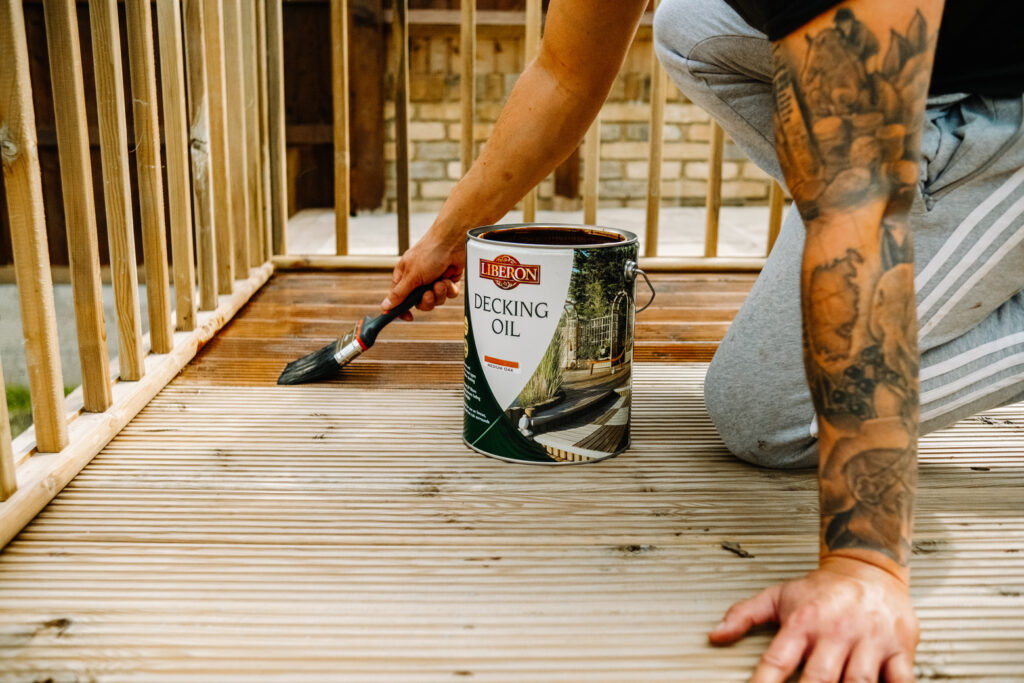
Oils soak into wood and bring out its natural color. They protect wood from moisture and drying out. Popular oils include teak oil, linseed oil, and tung oil. Sealants form a thin layer on wood surface. They block water and prevent stains. Some sealants are clear, keeping wood’s look natural. Oils and sealants need regular reapplication to stay effective.
Paints And Varnishes
Paint covers wood with a solid, colorful layer. It protects against sun damage and water. Paint hides wood grain but adds style. Varnishes are clear coatings that protect and shine. They make wood surface smooth and water-resistant. Varnishes keep the wood look natural but need touch-ups. Paint and varnish last longer than oils but may crack over time.
Comparing Pros And Cons
Oils and sealants keep wood natural and fresh. They need frequent care and can wear fast outdoors. Paints and varnishes protect longer and cover flaws. They need less frequent care but hide wood grain. Oils soak in, while paints and varnishes sit on top. Choose based on how often you want to maintain furniture. Both methods protect wood but fit different styles and needs.
Credit: www.wood-finishes-direct.com
Frequently Asked Questions
How Often Should I Wax Outdoor Wood Furniture?
Wax outdoor wood furniture every 3 to 6 months. This frequency protects wood from moisture and sun damage. Regular waxing keeps furniture looking fresh and extends its lifespan.
Does Waxing Improve Outdoor Wood Furniture Durability?
Yes, waxing adds a protective layer against weather elements. It prevents cracking, fading, and water damage. Waxing helps maintain the wood’s natural beauty and strength over time.
Can I Wax Outdoor Wood Furniture In Winter?
It’s best to wax outdoor wood furniture during mild weather. Cold temperatures can affect wax adhesion and drying. Waxing in spring or fall ensures better protection and results.
What Type Of Wax Is Best For Outdoor Wood Furniture?
Use a high-quality paste wax designed for outdoor wood. Look for natural ingredients and water repellency. Proper wax enhances protection while maintaining the wood’s natural finish.
Conclusion
Waxing outdoor wood furniture keeps it looking fresh and protected. Aim to wax your pieces every three to six months. This helps guard against sun, rain, and dirt damage. Regular care extends the wood’s life and beauty. Don’t wait for wear or fading to start waxing.
A little effort now saves big repairs later. Keep your furniture shining and strong with simple, steady care.