Mildew stains on your outdoor furniture can be frustrating and ugly. You want your patio or garden to look inviting, but those stubborn spots keep ruining the view.
What if you could erase those stains quickly and easily, without damaging your furniture? You’ll discover simple, effective ways to get mildew out and restore your outdoor space to its best. Keep reading, and you’ll be ready to enjoy your furniture again—clean, fresh, and mildew-free.
:strip_icc()/Clean-Outdoor-Furniture-34bc286d99604bce93f968cc0e060c68.jpg)
Credit: www.bhg.com
Identify Mildew On Outdoor Furniture
Knowing how to identify mildew on outdoor furniture helps keep it clean and safe. Mildew grows in damp, shaded areas and can damage furniture over time. Recognizing mildew early allows for quick removal before stains set in.
Mildew looks different on various materials. Spotting it depends on understanding its common signs and the types of furniture it affects most. This knowledge aids in proper cleaning and care.
Common Signs Of Mildew
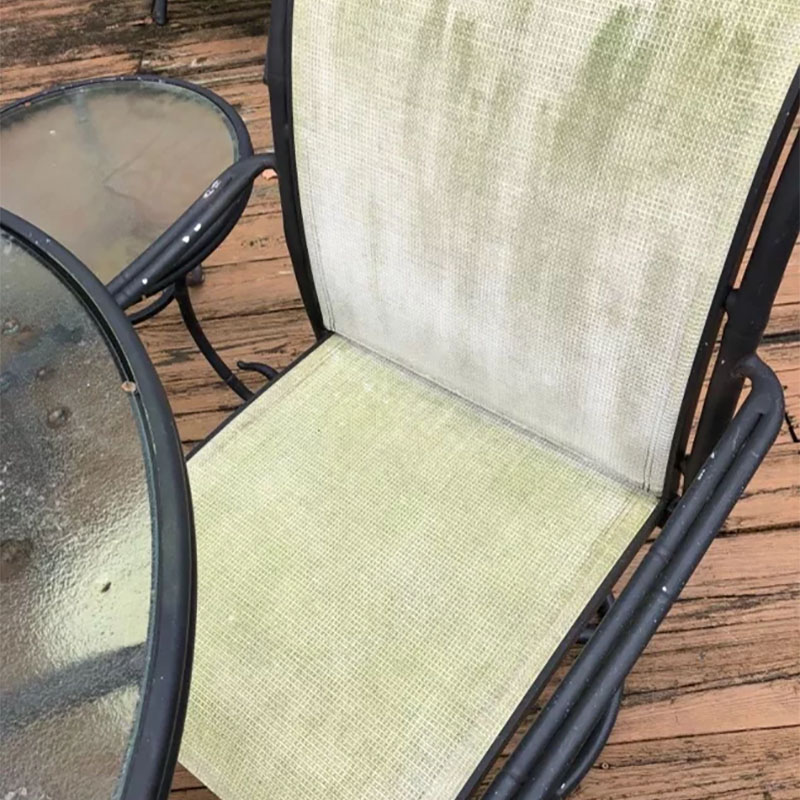
Mildew often appears as small, fuzzy spots. These spots are usually white, gray, or green. The texture feels powdery or slimy to touch. Mildew also has a musty, earthy smell. Stains may spread quickly if ignored.
Materials Prone To Mildew
Fabric cushions and canvas covers are common targets for mildew. Wood furniture, especially if untreated, can develop mildew stains. Plastic and resin pieces can also show mildew in shaded, moist spots. Metal furniture rarely gets mildew but may have mold in crevices.
Credit: www.nationaloutdoorfurniture.com
Prepare Furniture For Cleaning
Preparing your outdoor furniture for cleaning is a crucial first step. It helps remove dirt and loose debris. This step also protects your furniture during the cleaning process. Proper preparation ensures better results when removing mildew stains.
Gathering Cleaning Supplies
Collect all necessary cleaning supplies before starting. You will need a soft brush or cloth, mild detergent, and water. Include white vinegar or baking soda for tough mildew stains. Have a spray bottle and bucket ready as well. A garden hose or access to water will help rinse the furniture. Organizing supplies saves time and effort.
Safety Precautions
Wear gloves to protect your hands from cleaning agents. Use a mask if you are sensitive to strong smells or dust. Work in a well-ventilated area to avoid breathing fumes. Keep children and pets away from the cleaning zone. Test cleaning solutions on a small area first. This prevents damage to the furniture’s surface.
Natural Cleaning Methods
Natural cleaning methods offer safe, effective ways to remove mildew stains from outdoor furniture. These options use common household ingredients. They work well without harsh chemicals. Perfect for those who prefer eco-friendly solutions. Easy to prepare and use, they save money too.
Using Vinegar Solutions
White vinegar is a powerful natural cleaner. It kills mildew and removes stains quickly. Mix equal parts of white vinegar and water in a spray bottle. Spray the solution on the mildew spots. Let it sit for 15 to 20 minutes. Then, scrub gently with a soft brush or cloth. Rinse with clean water and dry the furniture. Repeat if needed for stubborn stains.
Baking Soda Paste Techniques
Baking soda is another natural option to fight mildew. Make a thick paste by mixing baking soda and water. Apply the paste directly to the stained areas. Allow it to sit for 10 to 15 minutes. Use a soft brush to scrub the paste into the fabric or surface. Rinse thoroughly with water and wipe dry. This method deodorizes and cleans without damaging furniture.
Commercial Cleaners For Mildew
Commercial cleaners for mildew offer a fast solution for outdoor furniture stains. These products contain special ingredients that kill mildew and remove tough stains. They save time and effort compared to homemade remedies. Using the right cleaner keeps your furniture looking fresh and clean.
Choosing The Right Product
Pick a cleaner made for outdoor use. Check the label for mildew removal. Some products work better on certain materials like wood or plastic. Avoid harsh chemicals that can damage your furniture. Look for biodegradable options to protect the environment. Always read the instructions before buying.
Application Tips
Test the cleaner on a small hidden spot first. Use gloves to protect your skin. Spray or apply the product evenly on the stained area. Let it sit for the time suggested on the label. Scrub gently with a soft brush or cloth. Rinse well with water to remove all residue. Repeat if necessary for stubborn stains.
Cleaning Different Furniture Materials
Outdoor furniture comes in many materials. Each type needs a special cleaning method to remove mildew stains safely. Using the wrong cleaner can damage your furniture. Follow these simple tips for wooden, metal, plastic, and fabric pieces.
Wooden Furniture Care
Wood needs gentle cleaning to avoid damage. Mix mild soap with warm water. Use a soft brush or cloth to scrub the stained areas. Rinse with clean water and dry quickly. Avoid soaking wood, as moisture can cause warping. For tough mildew, use a vinegar solution. Test on a small spot first. Apply a wood sealant after cleaning to protect surfaces.
Metal Furniture Solutions
Metal furniture is sturdy but can rust if wet too long. Use a mix of baking soda and water to make a paste. Apply the paste to mildew spots with a soft brush. Let it sit for 15 minutes, then rinse well. Dry the metal immediately. Check for rust and treat with a rust remover if needed. Paint or seal metal to prevent future mildew growth.
Plastic And Resin Furniture Tips
Plastic and resin are easy to clean and resist water damage. Use a solution of soap and water to scrub mildew stains. A soft brush or sponge works best. For stubborn stains, add a small amount of bleach to the mixture. Rinse thoroughly to remove all soap and bleach. Let furniture dry in the sun to kill remaining spores. Avoid abrasive cleaners that may scratch surfaces.
Fabric And Cushion Treatment
Outdoor cushions and fabric can trap mildew inside. Remove covers if possible and wash them separately. Use a mixture of mild soap and water or a fabric cleaner. Scrub gently with a soft brush. Rinse well and dry completely in sunlight. For cushions that cannot be removed, spray a mildew remover and wipe carefully. Store cushions in a dry place to prevent mildew return.
Preventing Future Mildew Growth
Stopping mildew before it starts is the best way to keep outdoor furniture clean. Mildew loves damp and dark places. Keeping furniture dry and clean helps a lot. Here are easy steps to prevent mildew growth on your outdoor furniture.
Proper Furniture Storage
Store furniture in a dry, well-ventilated area. Avoid damp basements or closed garages. Use shelves to keep items off the floor. This stops moisture from collecting underneath. Proper storage reduces mildew chances.
Regular Maintenance Routines
Clean furniture regularly with mild soap and water. Rinse well and let it dry completely. Remove dirt and debris often. Check for early signs of mildew. Early cleaning stops mildew from spreading.
Using Protective Covers
Cover furniture with breathable covers when not in use. Avoid plastic covers that trap moisture. Choose covers that let air pass through. Covers protect from rain and dirt. Use covers to keep furniture dry and clean.
Troubleshooting Stubborn Mildew Stains
Stubborn mildew stains on outdoor furniture can be hard to remove. These stains often hide deep inside the material. Simple cleaning might not be enough. Special care and stronger methods are needed to bring back your furniture’s clean look. This section covers ways to tackle tough mildew stains effectively.
Deep Cleaning Techniques
Start by mixing warm water with a mild detergent. Use a soft brush to scrub the stained areas gently. For tougher stains, add white vinegar or baking soda. Let the solution sit for 10 to 15 minutes. Rinse the furniture well with clean water. Repeat the process if the stain remains. Avoid harsh chemicals that can damage the furniture’s surface. Dry the furniture completely under the sun to prevent mildew growth.
When To Seek Professional Help
Persistent mildew stains might need expert care. Professionals have tools and cleaners that reach deep stains. They can protect your furniture while cleaning thoroughly. If stains do not fade after deep cleaning, call a specialist. Also, seek help if your furniture is delicate or expensive. This ensures the best results without damage. Professional cleaning can extend the life of your outdoor furniture.

Credit: www.reddit.com
Frequently Asked Questions
How Do I Remove Mildew Stains From Outdoor Furniture?
Use a mixture of water and white vinegar or mild detergent. Scrub gently with a soft brush. Rinse thoroughly and dry in sunlight to prevent mildew regrowth.
Can Bleach Safely Clean Mildew On Outdoor Furniture?
Yes, dilute bleach with water (1:10 ratio). Apply carefully, scrub lightly, rinse well, and dry. Avoid using bleach on delicate fabrics to prevent damage.
What Natural Remedies Remove Mildew Stains Effectively?
White vinegar and baking soda are effective natural cleaners. Apply vinegar, let sit 10 minutes, scrub with baking soda paste, rinse, and dry. These are safe and eco-friendly options.
How Often Should Outdoor Furniture Be Cleaned To Prevent Mildew?
Clean your furniture every 1-2 months during humid seasons. Regular cleaning prevents mildew buildup and extends furniture lifespan. Always dry completely after cleaning.
Conclusion
Cleaning mildew from outdoor furniture is easier than you think. Use gentle cleaners and scrub carefully. Dry the furniture well to stop mildew from coming back. Regular cleaning keeps your furniture looking fresh and new. Protect your outdoor space with simple steps.
Enjoy your clean, mildew-free furniture all season long.

