Are you wondering when the right time is to move your toddler from a crib to a bed? You’re not alone.
This change can feel overwhelming, and you want to make sure your little one is ready and safe. Choosing the perfect moment can help your child sleep better and keep your home calm at night. You’ll discover clear signs to watch for and expert tips to make the transition smooth for both you and your toddler.
Keep reading to find out exactly how old your child should be before making this important switch.
Signs Your Toddler Is Ready
Recognizing the right time to move your toddler from a crib to a bed is important. Every child grows at their own pace. Watching for clear signs helps make the switch smooth and safe. These signs show your toddler’s readiness physically, in their sleep, and their interest in a new bed.
Physical Development Clues
Your toddler may be ready if they can climb out of the crib. Climbing shows strength and coordination. It also means the crib no longer keeps them safe. Toddlers who walk steadily and can get in and out of bed alone are ready. These skills help them handle a big kid bed safely.
Sleep Patterns And Behavior
Notice how your toddler sleeps. If they wake often or feel cramped in the crib, change might help. Some toddlers resist naps or bedtime in a crib. Others wake and want to play or explore. A big bed can give more comfort and freedom to sleep well.
Interest In A Big Kid Bed
Does your toddler talk about or show curiosity in a new bed? They might want the “big kid” feeling. Sometimes they want to sleep with siblings or parents and show they want their own space. This interest often means they are ready for the change. It makes the transition easier and exciting.

Credit: www.babysleepsite.com
Choosing The Right Bed
Choosing the right bed for your toddler is important for their safety and comfort. The right bed helps your child sleep well and feel secure. It also makes the transition from crib to bed easier. Consider the size, safety, and comfort before buying a bed. These factors help you find the best fit for your toddler’s needs.
Toddler Beds Vs. Twin Beds
Toddler beds are smaller and lower to the ground. They fit toddler mattresses, which are the same size as crib mattresses. Twin beds are bigger and can last longer as your child grows. Toddler beds often have side rails to prevent falls. Twin beds need rails added separately for safety. Choose a toddler bed for a smooth change from crib to bed. Pick a twin bed if you want a longer-lasting option.
Safety Features To Look For
Safety is key when picking a toddler bed. Look for beds with guardrails on all sides. Check that the bed frame is sturdy and has no sharp edges. The mattress should fit the bed frame tightly to avoid gaps. Avoid beds with small parts that can come loose. Also, pick beds made from non-toxic materials. These features keep your toddler safe during sleep and play.
Comfort And Bedding Options
Comfort helps your toddler sleep better. Choose a mattress that is firm but soft enough for rest. Use breathable sheets to keep your child cool and dry. Avoid heavy blankets that can cause overheating. Add a favorite pillow or stuffed toy for comfort. Wash bedding often to keep it clean and fresh. Comfortable bedding creates a cozy sleep space for your toddler.
Timing The Transition
Timing the transition from a crib to a toddler bed is important for your child’s comfort and safety. Choosing the right moment helps your toddler feel secure and makes the change smoother. Knowing when to switch can reduce stress for both you and your child.
Ideal Age Range
Most toddlers move to a bed between 18 months and 3 years old. This range fits many children’s growth and development stages. Watch for signs like climbing out of the crib or showing interest in a big bed. These signs often mean your toddler is ready.
Avoiding Major Life Changes
Try not to change your toddler’s bed during big family events. Moving homes, starting daycare, or a new sibling can cause stress. Adding a bed change at these times can confuse your child. Wait until things are calm at home before making the switch.
Seasonal Considerations
Some seasons are better for switching beds than others. Warmer months may feel safer for toddlers who like to explore at night. Cold or rainy seasons can make changes harder. Choose a season that allows more outdoor play and easier bedtime routines.
Preparing Your Toddler
Preparing your toddler for the move to a bed is an important step. It helps your child feel safe and ready for change. This time can be exciting but also a bit scary for your little one. Taking simple steps makes the process smooth and positive. Start early to give your toddler time to adjust.
Creating a calm and happy environment supports your child’s confidence. Patience is key. Each child reacts differently, so stay flexible and loving. Your support makes a big difference in this new adventure.
Involving Your Child In The Process
Let your toddler help choose the new bed or bedding. This makes them feel special and included. Talk about the bed and what it means. Show excitement about the big kid bed. This helps build positive feelings and reduces fear.
Give your child small tasks related to the bed. For example, picking out pillows or arranging stuffed animals. This involvement makes the transition fun and personal. Your child will feel proud and ready to sleep in the new space.
Establishing A New Bedtime Routine
Create a calm and consistent bedtime routine. Use simple steps like brushing teeth, reading a story, and cuddling. A routine helps your toddler know what to expect. It signals that bedtime is near and safe.
Keep the routine quiet and soothing. Avoid loud or exciting activities before bed. This helps your child relax and fall asleep more easily. Stick to the routine every night to build a strong habit.
Using Positive Reinforcement
Praise your toddler for trying the new bed. Use kind words and smiles. Small rewards like stickers or extra storytime encourage good behavior. This shows your child that you notice and appreciate their effort.
Avoid punishment or negative words about bedtimes. Focus on what your child does well. Positive reinforcement creates a happy and trusting bedtime experience. Your child will feel proud and want to keep trying.
Handling Challenges
Moving a toddler from a crib to a bed can bring new challenges. Parents must be ready to handle these changes calmly. Understanding common issues helps make the transition smoother. Each child reacts differently to this big step.
Below are key ways to handle typical problems during this time. This advice supports both toddlers and parents.
Dealing With Nighttime Fears
Toddlers often feel scared in a new bed. Darkness and strange sounds may cause worry. Comfort your child with a night light. Soft toys can give a sense of security. Speak gently and reassure them before sleep. Avoid scary stories or shows before bedtime. Consistent bedtime routines help reduce fear over time.
Managing Bedtime Resistance
Some toddlers resist going to bed in a new place. They may want to stay up or leave the room. Set clear rules about bedtime and stick to them. Use calm but firm tones when guiding your child. Offer small rewards for staying in bed. Patience is key. Gradually, your toddler will accept the new routine.
Ensuring Safety And Preventing Falls
Safety is crucial when toddlers start using a bed. Use bed rails to stop your child from rolling out. Place soft rugs or mats near the bed. Remove any sharp or hard objects from the room. Check that the bed is low to the ground. Teach your child not to jump on the bed. These steps reduce injury risks and ease parental worry.

Credit: www.childrenscolorado.org
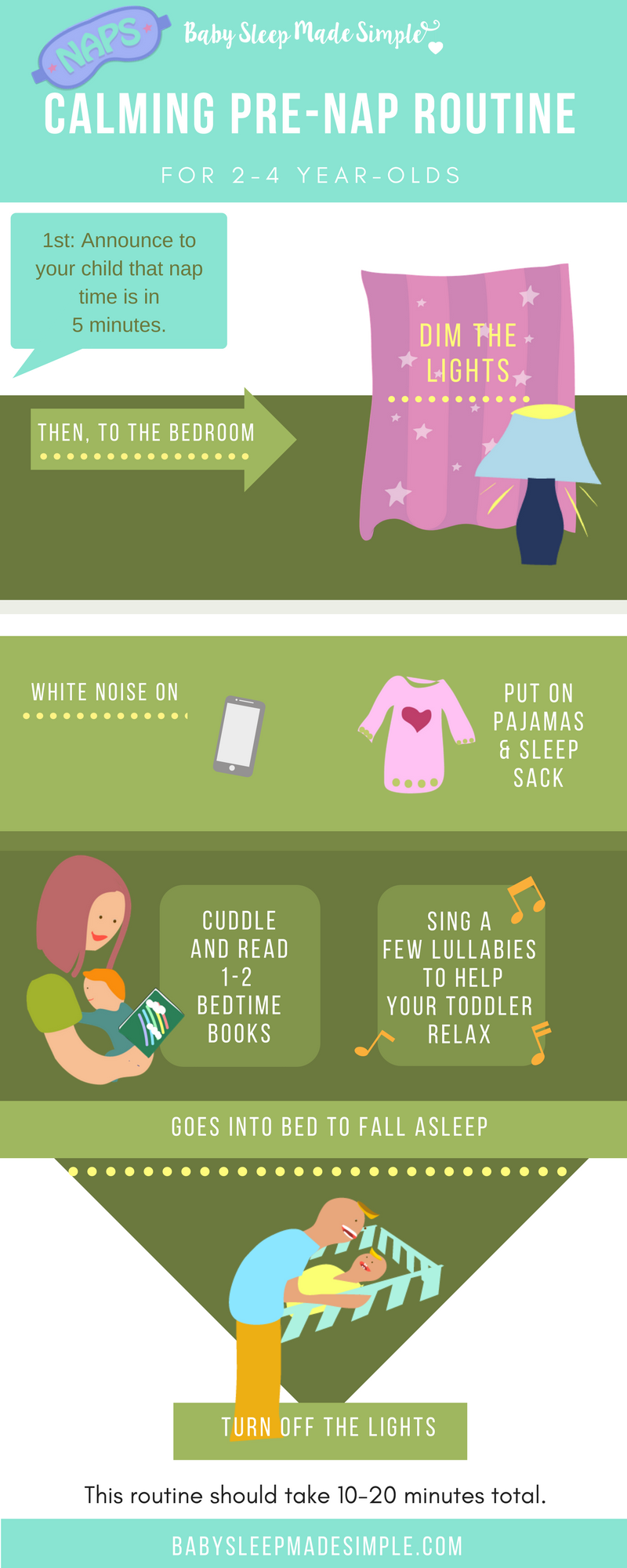
Credit: www.babysleepmadesimple.com
Frequently Asked Questions
When Is The Right Age To Switch Toddler To Bed?
Most toddlers transition to a bed between 18 months and 3 years old. This depends on their size, mobility, and readiness. Watch for signs like climbing out of the crib or showing interest in a bed. Safety and comfort are key factors in timing the switch.
How To Know If Toddler Is Ready For A Bed?
Look for signs like climbing out of the crib, asking for a bed, or showing independence. Also, ensure they can follow simple instructions and sleep through the night. Readiness varies by child, so observe behavior and safety needs before making the change.
What Type Of Bed Is Best For Toddlers?
A toddler bed with safety rails is ideal, offering a lower height and guardrails. It reduces fall risks and eases the transition from crib. Convertible cribs that turn into toddler beds are popular and practical options for comfort and safety.
How To Make Toddler Bed Transition Smooth?
Create a bedtime routine, involve your toddler in choosing bedding, and keep the sleeping environment familiar. Gradually introduce the bed and offer praise and comfort. Consistency and patience help toddlers feel secure and adapt easily to the new sleeping arrangement.
Conclusion
Choosing the right time to move your toddler to a bed matters a lot. Every child grows at their own pace. Watch for signs of readiness, not just age. Safety comes first—make the bed area secure and cozy. Talk with your child about the change to ease fears.
Patience helps both you and your toddler adjust well. This step supports their independence and better sleep habits. Trust your instincts and your child’s needs above all. The right move can make bedtime a happier time.