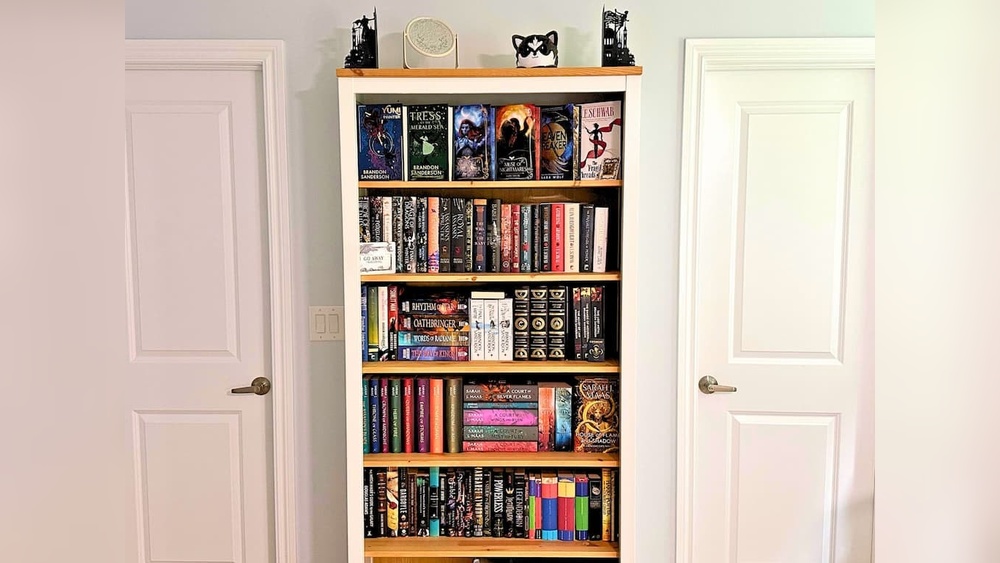
Are you staring at your cluttered bookshelf, wondering how to make sense of the chaos? Organising your books isn’t just about neatness—it can transform how you find and enjoy your favorite reads.
Imagine reaching for any book in seconds, with everything perfectly in place. You’ll discover simple, smart ways to arrange your books that fit your style and needs. Ready to turn your messy shelf into a tidy, inspiring space? Let’s dive in and make your bookshelf work for you.
Choosing A Style
Choosing a style for your bookshelf sets the tone for your room. It shows your personality and makes your space inviting. The style you pick can make finding books easier and make your shelf a focal point.
Minimalist Arrangements
Minimalist arrangements focus on simplicity and order. Keep only a few books on each shelf. Leave some empty space to avoid clutter. Arrange books by size or author for a neat look. This style makes your bookshelf calm and clear.
Eclectic Mixes
Eclectic mixes combine different styles and items. Mix books of different sizes and colors. Add small decorations like plants or photo frames. This style feels lively and personal. It shows creativity and makes your shelf unique.
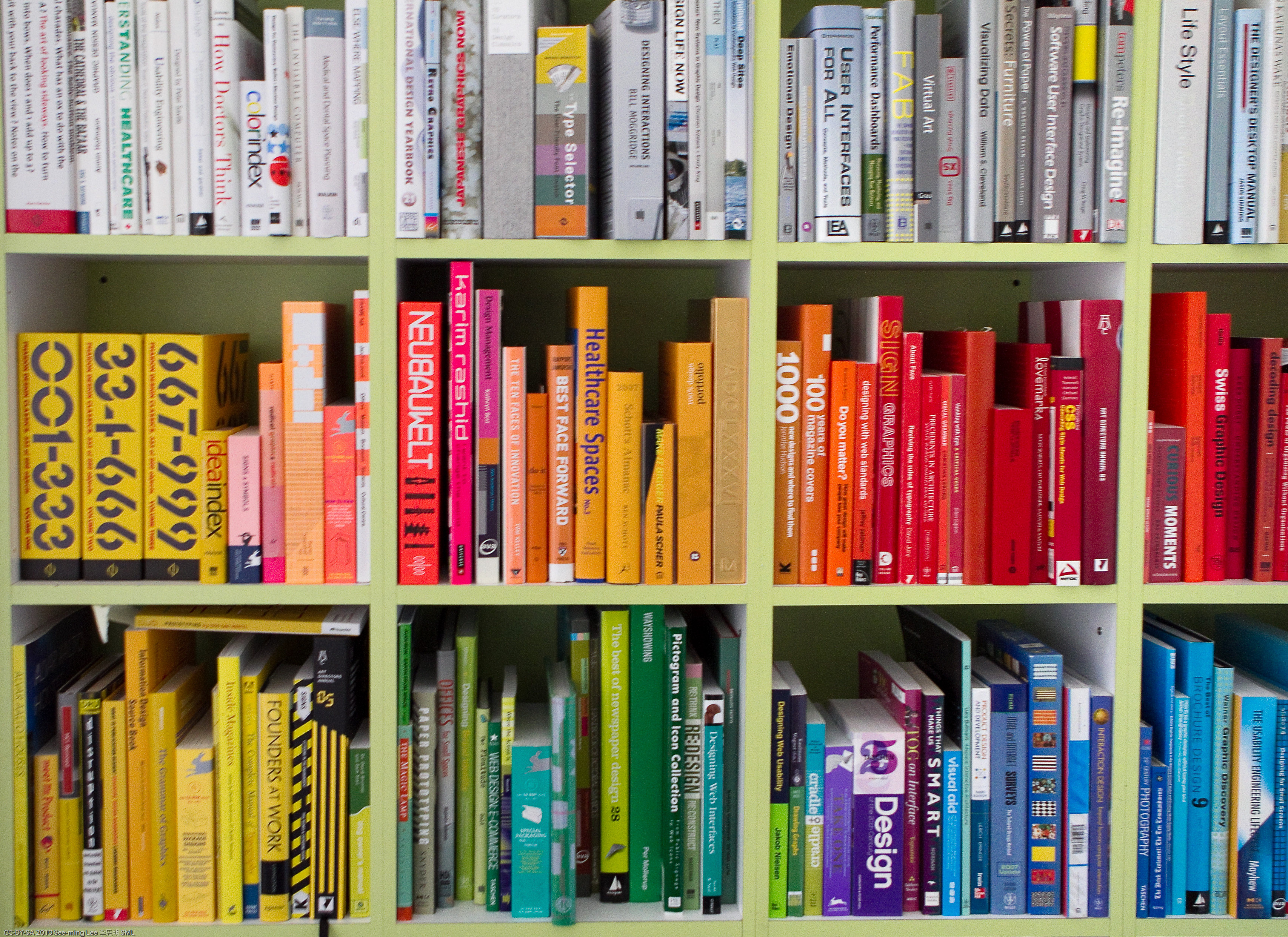
Color-coded Shelves
Color-coded shelves organize books by their cover colors. Group all red books together, then blue, green, and so on. This creates a bright, rainbow effect. It is easy to find books if you remember their cover color. This style looks fun and artistic.
Credit: www.publicradiotulsa.org
Sorting Techniques
Sorting your bookshelf can make your space look neat and help find books fast. Different ways to sort books fit different needs and styles. Choose a method that suits your reading habits and room design.
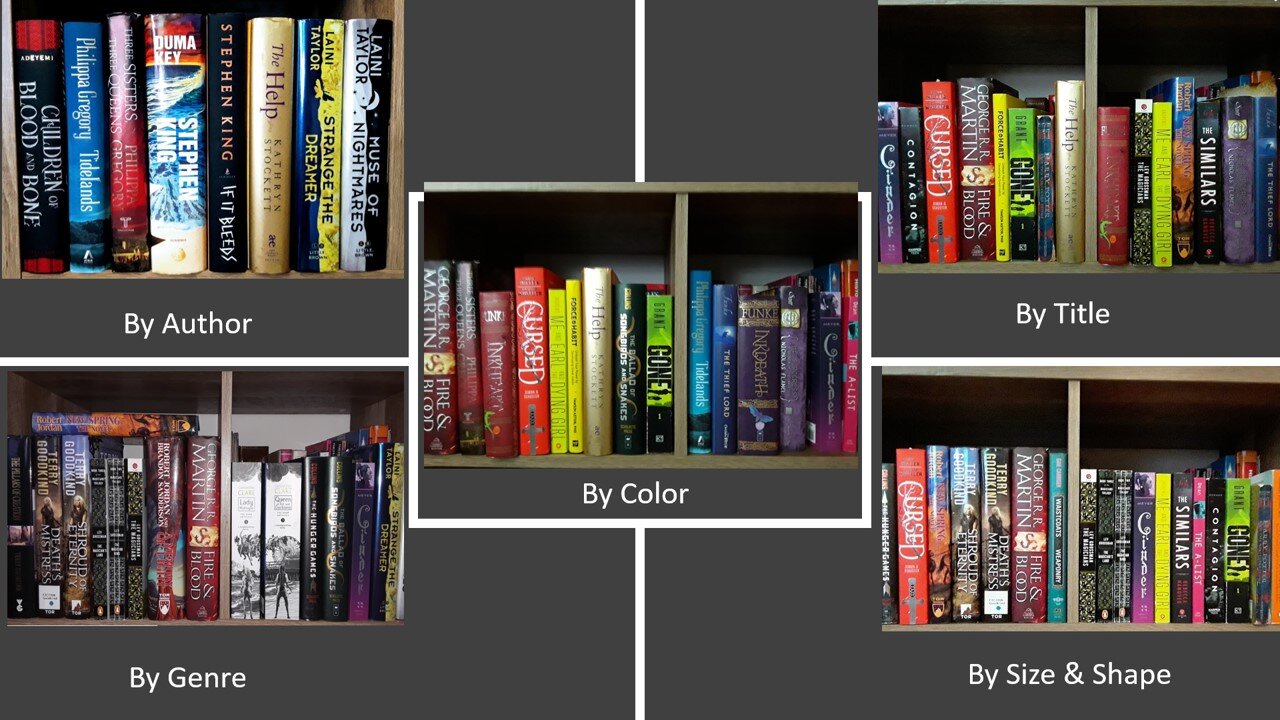
By Genre Or Subject
Grouping books by genre or subject keeps similar topics together. Fiction, history, science, and art each get their own space. This method helps find a book when you want a specific type. It also shows off your favorite interests clearly.
Alphabetical Order
Sorting books alphabetically by author or title is simple and logical. It makes finding a particular book quick and easy. This way works well if you have many books or like order. It creates a clean and classic look on your shelf.
By Size And Height
Arranging books by size or height creates a balanced and tidy shelf. Place tall books together and short ones in another spot. This method adds visual appeal and makes shelves look organized. It also helps use space efficiently without clutter.
Maximizing Space
Maximizing space on your bookshelf helps keep your room tidy and your books easy to find. It allows you to fit more books without clutter. With smart arrangement, every inch of your shelf can be useful.
Vertical Stacking
Stacking books vertically saves horizontal space. Place books standing up, side by side. This method fits many books on one shelf.
Stack smaller books on top of larger ones. It creates a neat, stable pile. Vertical stacking also makes book titles easy to read.
Using Bookends
Bookends keep books upright and organized. They prevent books from falling over. Use heavy or decorative bookends for support.
Bookends also fill empty gaps on shelves. This stops books from sliding and wasting space. Choose bookends that match your room style.
Incorporating Decorative Items
Mix books with small decorations to use space well. Items like plants or photo frames add charm. They break the monotony of rows of books.
Decorative items help fill gaps on shelves. This avoids wasted space and adds personality. Keep decorations small to avoid crowding books.
Credit: www.krisreviews.com
Maintenance Tips
Keeping your bookshelf neat needs regular care. This helps books last longer and look good. Simple steps keep your collection safe and tidy.
Regular Dusting
Dust settles quickly on shelves and books. Use a soft cloth or feather duster. Clean shelves and book edges often. This stops dust from damaging pages.
Rearranging Seasonally
Change your book order every few months. This lets you check for damage and clean well. It also keeps your shelf fresh and interesting. Rotate books to avoid sun damage on one side.
Handling Rare Books
Rare books need extra care and gentle touch. Always wash your hands before touching. Keep them away from direct sunlight and moisture. Store rare books upright with support to avoid bending.
Creative Additions
Bookshelves are more than just storage for books. They can be a place to express creativity and personality. Adding creative touches makes your bookshelf lively and inviting. Small changes can turn a plain shelf into a unique display.
Lighting Ideas
Soft lighting highlights your books and decorations. String lights add a warm, cozy glow. LED strip lights fit under each shelf for a modern look. Small spotlights focus on special books or objects. Good lighting makes your shelf stand out day and night.
Plants And Greenery
Green plants bring life to your bookshelf. Small potted plants fit perfectly between books. Succulents need little care and add color. Hanging plants can drape over the edges for a natural touch. Plants improve air quality and add freshness to your space.
Artwork And Photos
Personal photos make your shelf feel special. Frame pictures of family, friends, or favorite places. Small paintings or prints add color and style. Lean artwork against the back wall for a relaxed look. Artwork creates a story and connects your shelf to your life.

Credit: www.neathousesweethome.com
Frequently Asked Questions
How Can I Categorize Books Effectively On My Bookshelf?
Categorize books by genre, author, or theme to improve organization. Use labels or color codes for quick identification. This method helps you find books easily and keeps your shelf visually appealing.
What Is The Best Way To Arrange Books By Size?
Arrange books from tallest to shortest or vice versa. This creates a neat, balanced look and maximizes shelf space. Mixing sizes randomly can cause clutter and make the shelf look messy.
Should I Organize Books Alphabetically Or By Genre?
Choose alphabetically for easy searching by author or title. Organize by genre if you prefer grouping similar topics together. Both methods enhance accessibility and depend on your reading habits.
How Often Should I Reorganize My Bookshelf?
Reorganize every 3 to 6 months to maintain order. This prevents clutter and allows you to update with new books. Regular tidying keeps your collection fresh and accessible.
Conclusion
Organising your bookshelf makes finding books quick and easy. You can sort by size, color, or topic. A neat shelf looks good and feels calm. Try different ways until you find what suits you best. Keep only books you love or use often.
Regularly tidy up to avoid clutter. A well-arranged bookshelf invites reading and learning every day. Your space, your style—make it simple and enjoyable.