How should living room furniture be arranged to make your space both inviting and functional? Whether you’re hosting friends, relaxing after a long day, or just enjoying quiet moments, the way you place your furniture can change everything.
You want a setup that feels balanced, encourages easy movement, and highlights your room’s best features. But where do you start? You’ll discover simple yet powerful tips to arrange your living room furniture like a pro—without stress or guesswork. Keep reading to transform your space into a comfortable, stylish haven that suits your lifestyle perfectly.
Choose A Focal Point
Choosing a focal point is key in arranging living room furniture. It sets the tone and guides how you place your seating and tables. A clear focal point helps create a cozy and inviting space. This spot draws attention and organizes the room naturally. You can select a fireplace, TV, artwork, or a window as your main feature. Each option offers a unique way to arrange your furniture around it.
Fireplace And Tv Options
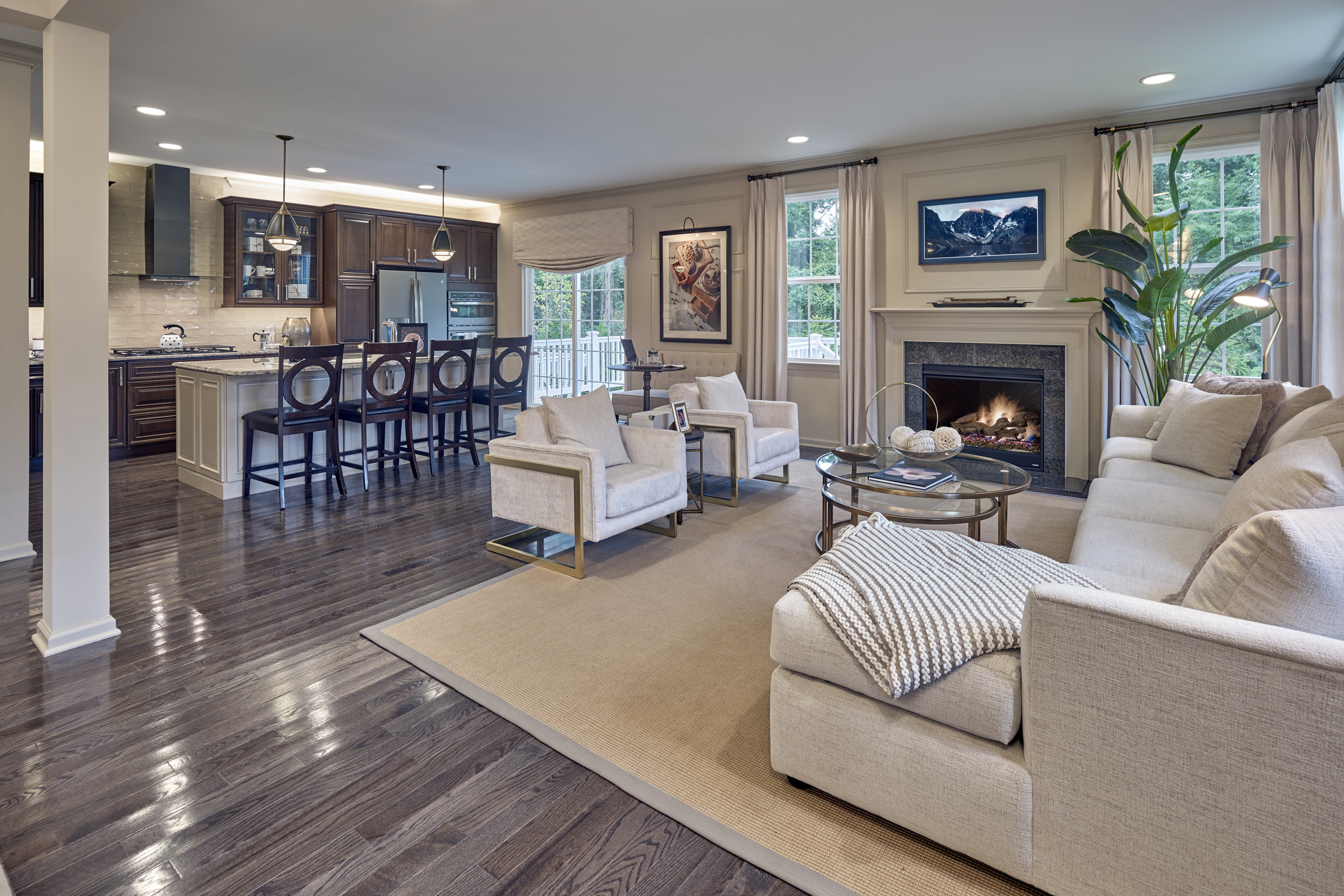
The fireplace is a classic focal point. Arrange sofas and chairs facing it to create warmth and comfort. Place side tables nearby for drinks or books. If the room has a TV, decide if it will share the focal point with the fireplace or stand alone. Mount the TV above the fireplace for a combined focus or put it on a media console opposite the seating. Keep viewing angles comfortable by angling furniture toward the screen.
Artwork And Windows
Large artwork can serve as a strong focal point. Position the main seating to face or slightly angle toward the art. Use lighting to highlight the piece, enhancing the room’s style. Windows also act as natural focal points. Arrange furniture to enjoy the view or natural light. Avoid blocking windows with bulky furniture. Instead, use low-profile pieces to keep the space open and bright.
:strip_icc()/living-room-large-area-rug-bcf9729c-14f549116b444f129b52258baf998392.jpg)
Credit: www.bhg.com
Plan The Layout
Planning the layout of your living room furniture sets the stage for comfort and style. A well-thought-out layout improves flow and makes the space inviting. Start by understanding the room’s size and shape. Think about how you want to use the space. Arrange furniture to suit your lifestyle and needs. Keep pathways clear for easy movement. Balance furniture pieces to create harmony. This step helps avoid clutter and awkward gaps.
Popular Furniture Arrangements
Choose from common furniture layouts that fit many living rooms. The classic arrangement places the sofa facing a focal point like a fireplace or TV. Another popular setup is the L-shape, which uses a sectional or a sofa with a loveseat. This creates a cozy corner for relaxing. The U-shape arrangement works well for larger rooms. It encourages group conversations by placing seating on three sides. Pick a style that matches your room size and purpose.
Conversation Zones
Create small areas where people can talk comfortably. Group chairs and sofas close enough to hear each other without raising voices. Position seats around a coffee table or ottoman. This setup encourages interaction and warmth. Use rugs to define these zones clearly. Conversation zones make your living room more social and welcoming.
Avoid Pushing Furniture Against Walls
Keep furniture a few inches away from walls. This creates a sense of space and flow. It also allows better air circulation. Floating furniture feels more inviting and natural. Arrange pieces to form cozy clusters rather than lining the room. This technique improves the room’s balance and makes it look stylish.
Balance And Symmetry
Balance and symmetry play a key role in arranging living room furniture. They create a calm, inviting space that feels orderly and pleasing. A well-balanced room helps each piece of furniture look like it belongs there. Symmetry offers a sense of stability by matching items on either side of a focal point. This approach often feels more formal and traditional.
Understanding how to use balance and symmetry can make your living room feel comfortable and stylish. You do not need to place every piece perfectly alike. Instead, find harmony between shapes, sizes, and colors to guide the eye smoothly around the room.
Achieving Visual Harmony
Visual harmony means all furniture fits together nicely. Start by choosing a focal point, such as a fireplace or TV. Arrange larger pieces like sofas and chairs around it. Use rugs and coffee tables to tie the space together.
Keep sizes and shapes in proportion. For example, a sofa should be about two-thirds the length of the wall. A coffee table should be roughly two-thirds the length of the sofa. This ratio creates a natural flow and balance.
Repeat colors and materials on both sides of the room. This repetition brings a feeling of unity. Avoid overcrowding one side, which can make the room feel off-balance.
Using Asymmetry Creatively
Symmetry does not mean everything must be the same. Asymmetry can add interest while keeping balance. Place a large chair on one side and a pair of smaller chairs on the other. This creates visual weight without strict matching.
Use accessories like lamps, plants, or pillows to balance differences in size or shape. These small touches help maintain harmony and keep the room lively.
Arrange furniture so open space flows naturally. This keeps the room feeling airy and comfortable, not cramped or stiff.
Consider Traffic Flow
Arranging living room furniture requires careful thought about how people move through the space. Consider traffic flow to keep the room functional and comfortable. Good traffic flow means no one has to squeeze or step over furniture to get around. It helps create a natural path that guides movement easily.
Planning the layout with traffic flow in mind makes your living room feel open and welcoming. It also prevents accidents and keeps the space organized. Let’s explore key ways to ensure smooth traffic flow in your living room furniture arrangement.
Clear Walkways
Keep walkways free of obstacles to allow easy movement. Leave at least 30 to 36 inches of space for walking paths. Avoid placing furniture too close to doorways or high-traffic areas. Clear walkways prevent crowding and make the room feel larger. Arrange seating so people can pass behind or beside chairs without trouble.
Open Plan Spaces
Open plan living rooms need thoughtful furniture arrangement to guide traffic naturally. Use rugs or furniture groupings to define areas without blocking paths. Keep large pieces away from main walkways. Position sofas and chairs to create flow between zones like the dining area and kitchen. This balance allows free movement while keeping the space cozy.
Apply The Two-thirds Rule
The two-thirds rule helps create balance in living room furniture arrangement. This simple guideline means one item or space should be about two-thirds the size of another. It keeps the room from feeling crowded or empty. Applying this rule makes your living area look natural and inviting.
Sofa To Rug Proportion
The rug should cover about two-thirds of the sofa length. This means the rug extends beyond the sofa but not too far. It anchors the sofa and ties the seating area together. A rug that is too small looks lost, and a too-large rug can overwhelm the space.
Coffee Table To Sofa Size
Your coffee table should be roughly two-thirds the length of your sofa. This size balance keeps the table useful but not overpowering. It allows easy reach from the sofa without crowding the floor space. A proportional coffee table adds harmony to the living room layout.
Art And Wall Decor Placement
Wall art above furniture should be about two-thirds the width of the piece below it. This creates a balanced and pleasing look on the wall. For gallery walls, fill about two-thirds of the available wall space. Proper art size keeps the walls from feeling empty or cluttered.
Measure Before Buying
Measuring your living room before buying furniture saves time and money. It ensures your pieces fit perfectly and your space feels balanced. Avoid clutter and tight spots by planning with exact measurements.
Room Dimensions
Start by measuring the length and width of your living room. Note any doors, windows, or built-in features. Mark these on your plan to avoid blocking them. Knowing your room size helps choose furniture that fits well.
Measure the ceiling height too. It affects furniture style and size. Tall ceilings suit larger pieces, while low ceilings need smaller, lighter furniture.
Furniture Scale And Clearance
Choose furniture that matches your room scale. Large furniture can overwhelm small rooms. Small pieces may look lost in large spaces.
Leave clearance space around furniture. Allow 18-24 inches for walking paths. This keeps movement easy and safe. Check space between sofas, chairs, and tables. Proper clearance improves comfort and flow.
Incorporate Rugs And Accessories
Incorporating rugs and accessories in your living room furniture arrangement creates warmth and style. Rugs anchor the space and define seating areas. Accessories add color, texture, and personality. Together, they make your room inviting and complete.
Choosing The Right Rug Size
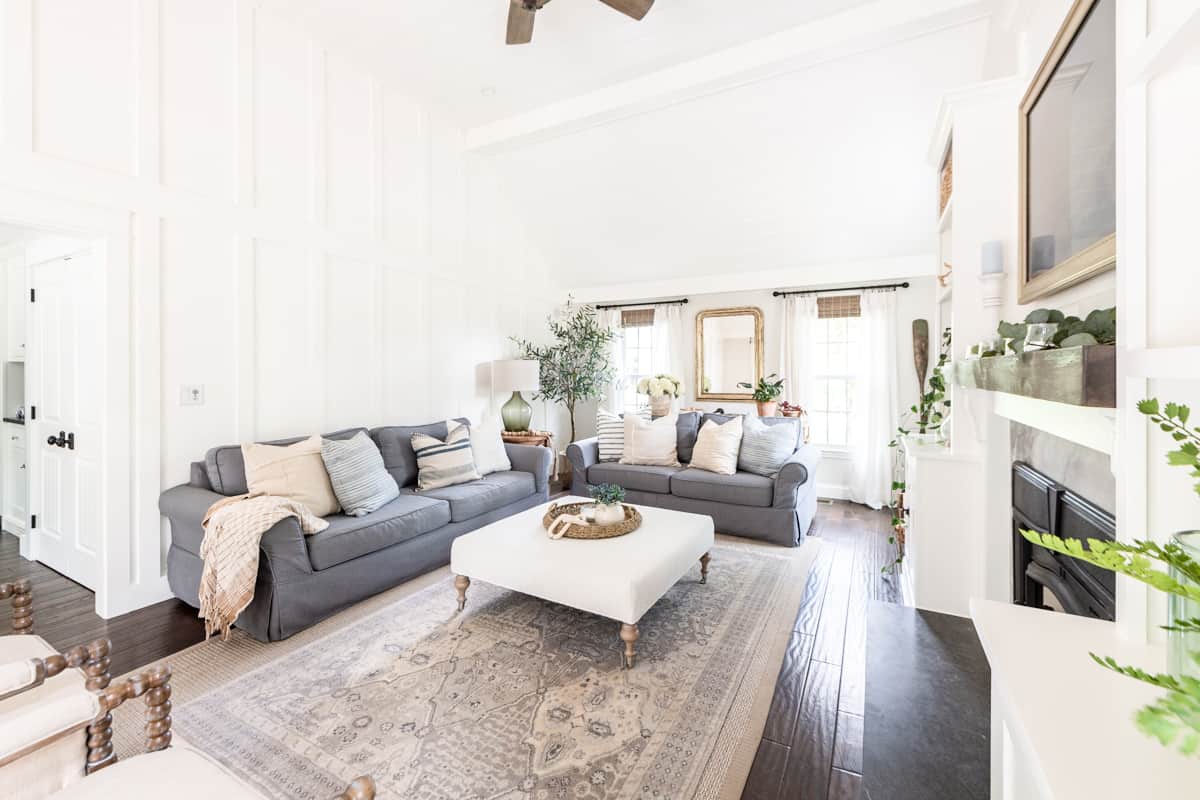
Select a rug that fits your seating area well. The rug should be large enough to hold the front legs of your sofa and chairs. This creates a unified look and keeps furniture from feeling disconnected. Avoid rugs that are too small, as they can make the space look cluttered. A good rule is for the rug to cover about two-thirds of the seating area.
Adding Pillows And Throws
Pillows and throws add comfort and style to your living room. Use pillows in different sizes and colors to create visual interest. Throws provide warmth and a cozy feel. Choose fabrics that match your room’s theme. Change these accessories seasonally for a fresh look without much effort. They are easy ways to refresh your space.
Credit: www.ninahendrick.com
Use Color And Texture
Using color and texture in your living room furniture arrangement adds depth and warmth. These elements help to set the mood and define different areas. They can also highlight key pieces and unify the space.
Colors influence how spacious or cozy a room feels. Textures provide a tactile experience and contrast that keeps things interesting. Together, they guide the eye and create harmony.
Complementing Furniture
Choose colors that work well together for a balanced look. Soft neutrals with bold accents can create calm with energy. Matching textures, like smooth leather and soft wool, enhance comfort.
Mixing similar shades avoids clashing and keeps the space inviting. Use color to link pieces, such as cushions and rugs. This connection makes the room feel planned and welcoming.
Creating Visual Interest
Vary textures to break the monotony and add layers. Combine rough, smooth, shiny, and matte surfaces for excitement. This variety makes the room feel alive and dynamic.
Accent walls or colorful furniture pieces draw attention naturally. Texture-rich fabrics like velvet or linen add softness and style. These elements keep your living room from feeling flat or boring.
Credit: www.juddbuilders.com
Frequently Asked Questions
How To Layout Furniture In A Living Room?
Start by choosing a focal point like a fireplace or TV. Arrange seating to face it, creating conversation zones. Leave space for easy traffic flow. Use rugs and tables to anchor furniture, ensuring balance and proportion. Avoid pushing pieces against walls for a cozy, inviting layout.
What Are The Four Rules In Furniture Arrangement?
The four rules in furniture arrangement are: prioritize functionality and traffic flow, create a focal point, maintain balance and symmetry, and ensure proper proportion and scale.
What Is The 2 3 Rule For Living Rooms?
The 2/3 rule in living rooms means key furniture or decor should occupy about two-thirds of the space or size of another element. For example, a coffee table should be two-thirds the length of the sofa. This creates balance, flow, and a pleasing visual proportion.
What Is The 3-5-7 Rule In Decorating?
The 3-5-7 rule in decorating suggests grouping items in odd numbers—three, five, or seven—for balanced, visually appealing arrangements. This technique creates harmony and interest by avoiding symmetry and clutter. It works well for accessories, artwork, and furniture placement.
Conclusion
Arranging living room furniture well makes your space feel inviting. Focus on balance, flow, and function to enhance comfort. Keep pieces proportional and avoid crowding the room. Position furniture to encourage conversation and easy movement. Use rugs and art to tie the layout together.
Measure your space before buying new items. With thoughtful planning, your living room becomes both stylish and practical. Simple steps lead to a room everyone enjoys spending time in.