Have you ever wondered how tall a bunk bed in a prison really is? It’s a question that might surprise you, but the answer reveals a lot about prison life and space management.
Understanding the height of these beds can give you a glimpse into the daily experience of inmates and the challenges faced inside. Keep reading, and you’ll discover details that might change the way you think about prison living conditions—and why every inch of space matters in these confined places.

Credit: max-secure.com
Bunk Beds In Prisons
Bunk beds in prisons serve a practical role in housing many inmates in a limited space. These beds are built to be strong, safe, and space-saving. Their height and design follow strict rules to meet safety and security needs.
Understanding the purpose and materials of these bunk beds helps explain why they look and measure the way they do.
Purpose And Design
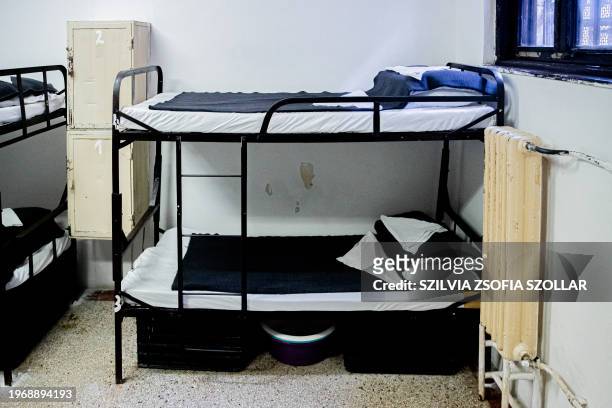
Prison bunk beds maximize space in crowded cells. They stack one bed over another to fit two people in a small area. The design prevents climbing or hiding in unsafe ways. Beds have fixed heights to avoid injury or escape attempts. Safety rails and secure frames keep inmates safe while they sleep. The height usually allows enough headroom for sitting up comfortably.
Materials Used
Prison bunk beds use tough, durable materials. Steel is common because it is strong and hard to break. The metal frames resist damage and do not catch fire easily. Sometimes, beds have welded parts to stop removal or tampering. The mattress is often thin and fire-resistant for safety. These materials ensure the bed lasts long under heavy use.
Standard Bunk Bed Heights
Bunk beds in prisons have standard heights that fit tight spaces. They need to be sturdy and safe. The height affects comfort and how many beds fit in a cell.
Prisons use specific bunk bed sizes to keep order. This section explains common bunk bed heights and how they change by facility.
Typical Dimensions
Most prison bunk beds stand about 5 to 6 feet tall. The lower bunk is usually about 18 inches off the floor. The top bunk sits around 4 to 5 feet high. This gives enough space for a person to sit up safely on the top bunk.
The beds are narrow, often 30 inches wide. The length is around 75 inches, enough for most adults. Metal frames are common for strength and durability.
Variations By Facility
Bunk bed heights can change depending on the prison’s design. Older prisons may have taller or shorter beds. Newer facilities often use standardized sizes for safety.
Some prisons use triple or quadruple bunk beds, increasing height. Maximum height can reach up to 7 feet in these cases. Space and security rules guide these choices.
Different countries and states have their own regulations. These rules affect bunk bed height and design. Each facility adapts to its needs and rules.
Exact Height Of Prison Bunk Beds
Prison bunk beds have a specific height designed for safety and space. Knowing their exact height helps understand how prisons manage limited room. Each bunk bed’s height fits strict rules to keep inmates safe. The height also allows officers to move around easily.
Average Measurements
Most prison bunk beds stand about 5 to 6 feet tall. The lower bunk usually sits 18 to 24 inches off the floor. The top bunk is around 48 to 60 inches high from the floor. Space between the two bunks is often 30 to 36 inches. This space lets inmates sit up without hitting their heads.
Factors Influencing Height
Prison bunk bed height varies based on cell size and design. Smaller cells need shorter beds to save room. Safety rules limit the bunk height to prevent falls. Beds must fit standard mattresses, affecting their size. Some prisons use metal frames, which add to the height. The need for cleaning and maintenance also shapes the design. Each prison follows guidelines to balance comfort and security.
Safety And Space Considerations
Safety and space are key factors in prison bunk bed design. These beds must fit limited rooms while keeping inmates safe. Proper spacing helps prevent injuries and allows easy movement. Designing bunk beds with the right height and clearance matters a lot.
Clearance Between Bunks
Clearance means the space between the top and bottom bunk. This space should be enough to avoid head bumps. Too little clearance causes discomfort and risks injury. Prisons often set a minimum clearance of about 30 inches. This allows inmates to sit on the bottom bunk safely.
Headroom And Accessibility
Headroom is the total height inside the cell above the bunk bed. It must allow inmates to stand or move easily. Low headroom can make the cell feel cramped and unsafe. Accessibility also includes ladders or steps to reach the top bunk. These must be sturdy and easy to use. Clear space around the beds helps guards and inmates move freely.
Comparing Prison Bunk Beds To Civilian Models
Prison bunk beds and civilian bunk beds serve the same basic purpose: saving space by stacking beds vertically. Yet, their designs reflect very different needs and environments. Prison beds focus on security and durability, while civilian models prioritize comfort and style. Understanding these differences helps explain why prison bunk beds stand taller and feel tougher.
Design Differences
Prison bunk beds have simple, sturdy frames. They use metal with few parts to reduce hiding places. Civilian bunk beds often use wood or lighter metal. They include ladders, guardrails, and sometimes storage. Prison beds lack these extras to prevent misuse or damage. The height of prison bunk beds usually exceeds civilian ones, allowing more space in small cells. Civilian beds vary in height depending on design and purpose.
Durability And Functionality
Prison bunk beds must withstand heavy use and rough conditions. They have welded joints and thick metal to resist bending or breaking. Civilian beds focus on comfort, often sacrificing some strength for style. Prison beds also have fixed mattresses that resist removal. Civilian mattresses are softer and removable. Functionality in prisons means safety, security, and long life. In homes, comfort and flexibility take priority.

Credit: www.kryptomax.com
Impact On Inmate Comfort
The height of bunk beds in prisons affects inmate comfort a lot. Space is limited in cells, so bunk beds must fit tight areas. This impacts how inmates rest and move. Comfort is not just about sleep but also about feeling safe and less cramped.
Space Constraints
Prison cells have very little space. Bunk beds are tall to save floor room. This means the top bunk is close to the ceiling. Inmates on the top bunk must sit carefully to avoid hitting their heads. Moving around the bed can be hard. Limited space can make inmates feel trapped and uneasy.
Sleep Quality
Comfort affects how well inmates sleep. Tall bunk beds can cause discomfort due to low headroom. Noise and movement from the top bunk can disturb the one below. Poor sleep harms mental and physical health. A cramped bed space makes it harder to relax and rest well.
Modifications And Customizations
Prison bunk beds often differ from regular ones in design and height. Modifications and customizations play a big role in making these beds safe and functional. Each adjustment serves a clear purpose, focusing on the unique needs of a prison environment.
Adjustments For Safety
Bunk beds in prisons have strong safety features. Rails are added to prevent falls during sleep. The height is kept moderate to avoid serious injuries. Rounded edges replace sharp corners to reduce harm. Materials used are sturdy and hard to break. These changes help protect inmates and staff.
Enhanced Features
Some prison bunk beds include extra features for convenience. Built-in storage spaces help save room. Beds may fold or stack to clear space when unused. Ventilation holes allow better airflow around the bed. These enhancements improve comfort and efficiency in small cells.
Credit: www.gettyimages.com
Frequently Asked Questions
How Tall Is A Standard Bunk Bed In Prison?
A standard prison bunk bed is typically around 5 to 6 feet tall. This height allows for two stacked beds while maximizing limited cell space efficiently.
Why Are Prison Bunk Beds Designed To Be Compact?
Prison bunk beds are compact to save space in small cells. Efficient design helps accommodate more inmates safely and comfortably.
What Materials Are Used For Prison Bunk Beds?
Prison bunk beds are usually made from heavy-duty metal. This ensures durability, security, and ease of maintenance within correctional facilities.
Are Prison Bunk Beds Adjustable In Height?
No, prison bunk beds generally are not adjustable. Fixed height maintains stability and prevents safety hazards in the prison environment.
Conclusion
Prison bunk beds usually stand about six feet tall. This height fits the small space inside cells well. It also allows two people to sleep comfortably. The design is simple and strong for safety reasons. Knowing this helps understand prison living conditions better.
Bunk beds in prisons show how space is used smartly. Small details like bed height affect daily life a lot. This shows how prison design meets practical needs.