Choosing what your toddler should wear to bed might seem simple, but it can actually make a big difference in how well your little one sleeps—and how comfortable they feel all night long. You want to keep your child cozy, safe, and happy, but with so many options out there, it’s easy to feel overwhelmed.
What fabrics are best? Should they wear pajamas or just a onesie? And how do you keep them at the right temperature without waking them up? Keep reading, because we’ll help you find the perfect bedtime outfit that makes both you and your toddler feel confident and calm at bedtime.
Credit: dreamlandbabyco.com
Choosing Safe Sleepwear
Choosing safe sleepwear is very important for your toddler’s comfort and safety. Sleepwear should protect your child without causing any risks. It helps your toddler rest well and stay cozy all night. Parents should pick pajamas that fit well and suit the season. Safety comes first when dressing your toddler for bed.
Material Matters
Soft, breathable fabrics keep your toddler comfortable. Cotton is a great choice because it allows air to flow. Avoid synthetic materials that trap heat and cause sweating. Natural fibers reduce skin irritation and allergies. Look for pajamas labeled as flame-resistant or snug-fitting for extra safety.
Proper Fit
Sleepwear should fit your toddler snugly but not too tight. Loose pajamas can catch fire easily. Tight clothes can restrict movement and feel uncomfortable. Choose sizes that allow easy movement without being baggy. Check sleeves and legs for the right length to avoid tripping or bunching.
Seasonal Options
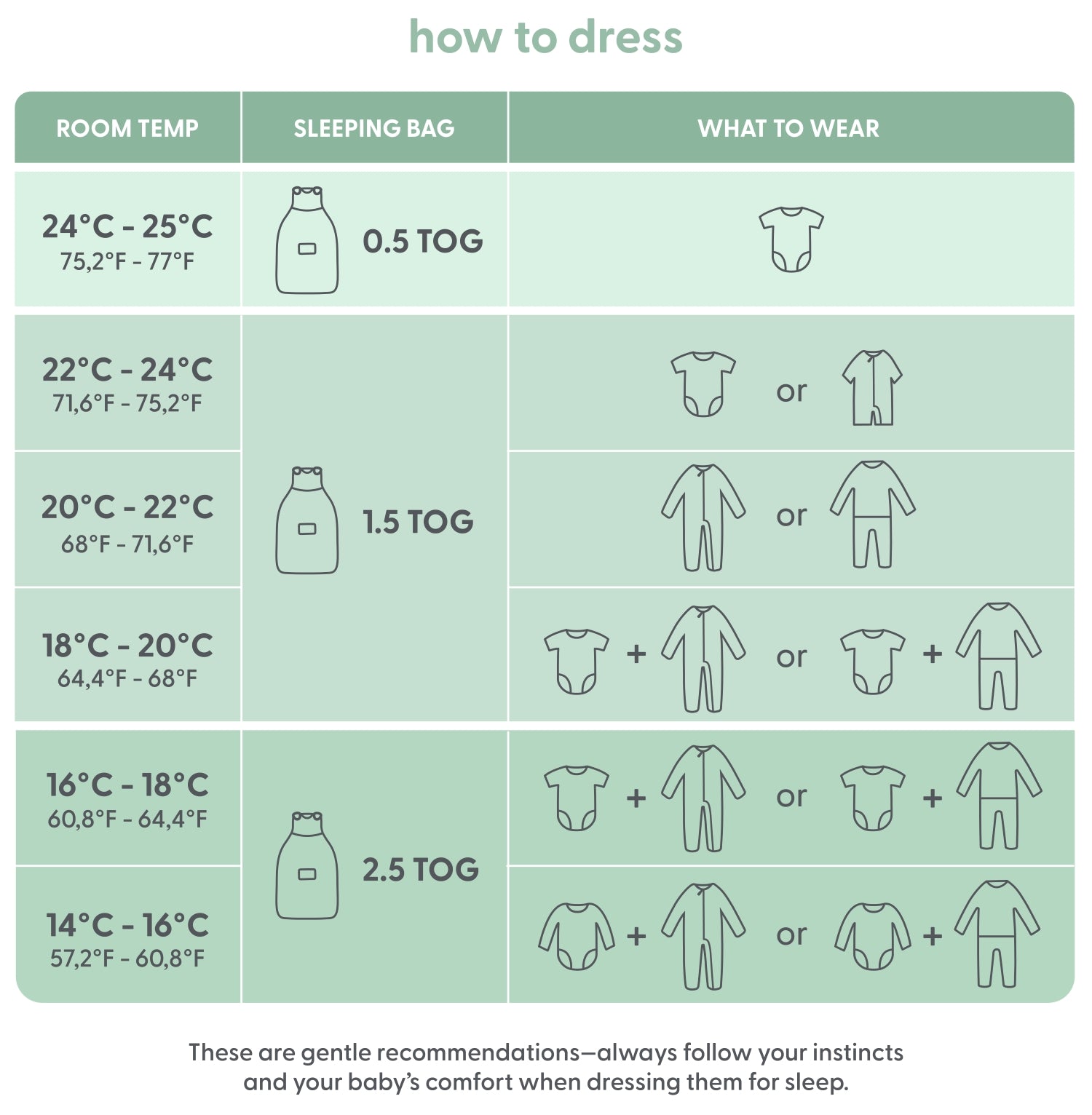
Adjust sleepwear according to the season to keep your toddler comfortable. Use lightweight pajamas in warm weather to prevent overheating. In cold months, opt for thicker fabrics or layered sleepwear. Consider footed pajamas for extra warmth during winter nights. Always keep your toddler’s room temperature in mind.
Credit: babymori.com
Sleepwear And Temperature Control
Choosing the right sleepwear helps your toddler stay comfortable all night. Temperature control plays a big role in good sleep. Toddlers can get too hot or cold easily. Clothes and bedding should match the room’s temperature. This keeps your child cozy and safe.
Dressing For Warm Weather
Lightweight, breathable fabrics work best in warm weather. Cotton pajamas allow air to flow and keep skin cool. Choose short sleeves or sleeveless designs for extra comfort. Avoid heavy or thick materials that cause sweating. Keep your toddler’s room cool and well-ventilated. This helps prevent overheating during sleep.
Dressing For Cold Weather
Soft, warm sleepwear is key in cold weather. Long sleeves and pants made of fleece or thicker cotton keep warmth close. Layering can add extra comfort without bulk. Avoid tight clothes that restrict movement. Make sure pajamas are not too heavy to avoid overheating. A cozy room temperature also helps your toddler sleep well.
Using Sleep Sacks And Blankets
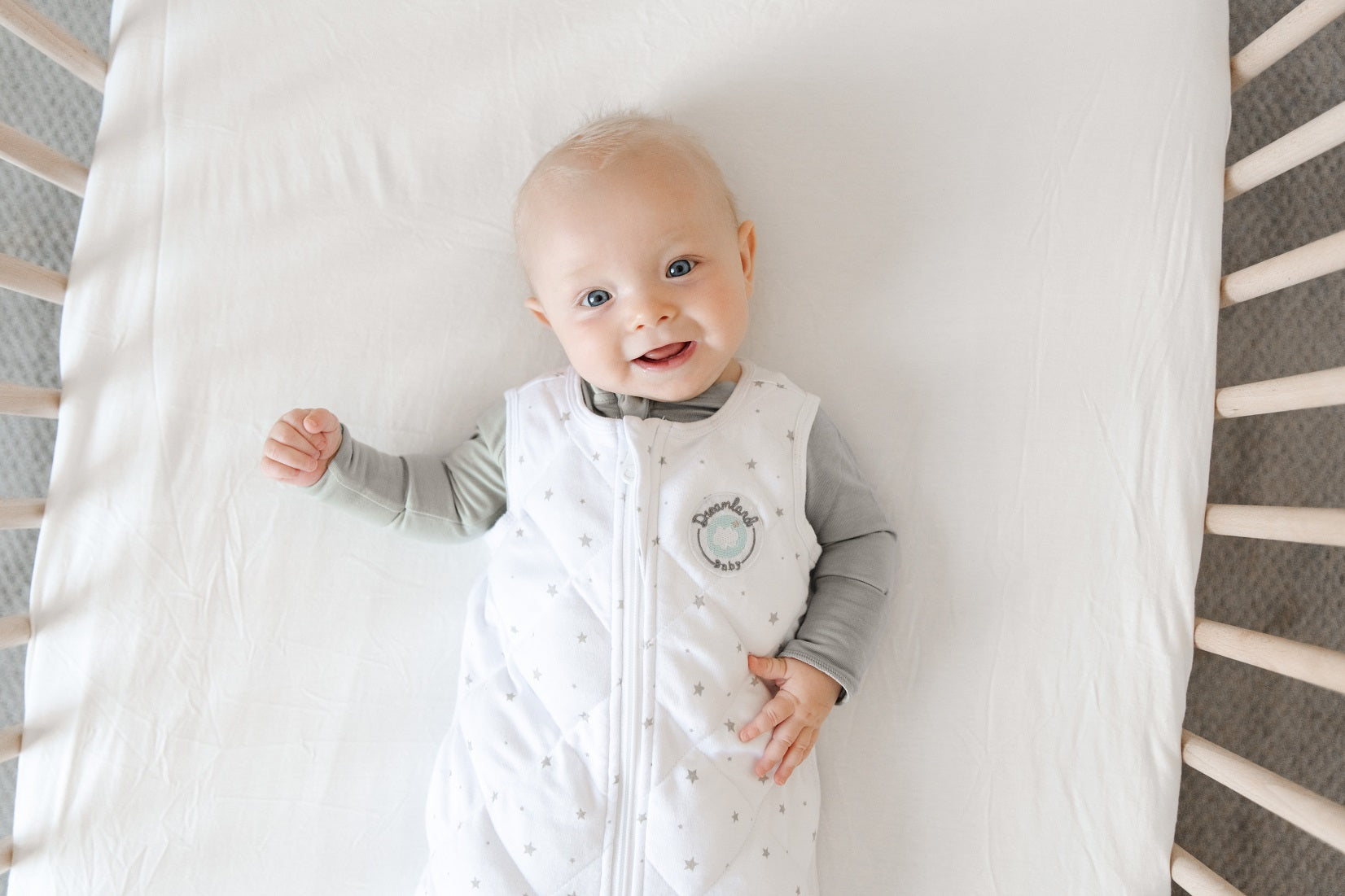
Sleep sacks provide warmth without loose blankets. They reduce the risk of covering your toddler’s face. Choose sleep sacks with breathable fabric for comfort. Use blankets only if your child is old enough. Keep blankets light and tucked in securely. Check often to make sure your toddler stays safe and warm.
Fire Safety Standards
Fire safety is a key concern when choosing sleepwear for toddlers. Clothes that meet fire safety standards help protect your child from burns. These standards guide the type of fabric and design used in children’s pajamas. Understanding these rules can help you pick safer sleepwear. Safety begins with the fabric and fit of the pajamas.
Flame-resistant Fabrics
Flame-resistant fabrics slow down how fast fire spreads. Pajamas made from these fabrics give kids more time to move away from danger. These materials do not catch fire easily. Many children’s sleepwear brands use flame-resistant fabrics to meet safety rules. Look for labels that say “flame resistant” or “meets fire safety standards.” Cotton pajamas that are snug fit can also be safe but check for compliance.
Avoiding Loose Clothing
Loose clothing can catch fire quickly and cause serious burns. Baggy pajamas can touch flames and spread fire faster. Tight-fitting pajamas reduce this risk by staying close to the skin. This limits air flow and makes it harder for fire to ignite. Choose pajamas that fit your toddler well but are still comfortable. Avoid clothes with long, loose sleeves or extra fabric that can hang down.
Avoiding Common Hazards
Choosing the right sleepwear for your toddler is about more than comfort. Safety plays a big role too. Avoiding common hazards helps keep your child safe during sleep. Parents must watch out for risks that could cause choking or strangulation. Small parts and loose accessories can be dangerous. Careful selection of clothing can prevent many accidents. Here are key points to consider for safer bedtime clothes.
Choking And Strangulation Risks
Toddlers often put things in their mouths. Clothing with small buttons, beads, or decorations can come loose. These pieces can cause choking if swallowed. Avoid outfits with small detachable parts. Strings and long ties on pajamas can wrap around a child’s neck. This can cause strangulation, a serious hazard. Choose sleepwear without loose strings or cords. Tight necklines and elastic bands are safer options. Always check clothes for potential choking or strangulation risks before bedtime.
Safe Fasteners And Accessories
Fasteners like zippers and snaps should be secure and smooth. Rough or sharp edges can hurt your toddler. Avoid metal fasteners that might pinch skin or pull hair. Soft, covered zippers are a better choice. Skip clothes with buttons near the neck or chest. Look for pajamas with easy, safe closures. Avoid accessories such as ribbons, bows, or decorative ties. These can get tangled or pulled. Safe sleepwear keeps your toddler comfortable and hazard-free all night long.
Special Considerations
Choosing the right sleepwear for your toddler means thinking about special needs. Every child has unique comfort requirements that affect their sleep quality. Parents must consider factors beyond style and size to ensure safe, cozy nights.
Toddlers With Sensitive Skin
Soft fabrics like cotton reduce irritation for sensitive skin. Avoid rough materials that can cause redness or itching. Look for tags that are soft or removable to prevent scratching. Hypoallergenic pajamas help minimize allergic reactions. Keep pajamas loose to let the skin breathe easily.
Nighttime Movement And Comfort
Toddlers move a lot during sleep. Choose pajamas that allow free movement without tight bands. Stretchy fabrics work well for active sleepers. Avoid clothes with buttons or zippers that may press into the skin. Sleep sacks or onesies with snug but gentle fits keep toddlers safe and comfortable.
Tips For A Peaceful Night
A peaceful night helps your toddler sleep better and wake up happy. Small changes in bedtime habits can make a big difference. The right clothes, a calm routine, and a cozy room set the stage for good rest. Here are two important tips to help your toddler sleep well.
Establishing A Bedtime Routine
Routines bring comfort to toddlers. A regular bedtime routine signals that it is time to sleep. Start with a warm bath or quiet play. Read a short story or sing a lullaby. Keep the routine simple and calm. Do the same steps each night to build security and trust.
Choose soft, loose pajamas that fit well. Avoid clothes that are too tight or scratchy. Comfortable clothes help toddlers relax and stay asleep.
Monitoring Room Temperature
The room temperature affects sleep quality. Keep the room cool but not cold, around 68 to 72 degrees Fahrenheit. Too hot or too cold rooms can wake your child. Dress your toddler in layers to adjust easily. Use light blankets instead of heavy ones. Check the room before bedtime to keep it just right.

Credit: babymori.com
Frequently Asked Questions
What Materials Are Best For Toddler Sleepwear?
Natural fabrics like cotton and bamboo are ideal. They are breathable, soft, and help regulate temperature. Avoid synthetic materials that trap heat. This keeps toddlers comfortable and reduces skin irritation risks during sleep.
Should Toddlers Wear Pajamas Or Sleep Sacks?
Pajamas offer freedom of movement but sleep sacks provide extra warmth and safety. Choose based on your toddler’s comfort and room temperature. Sleep sacks prevent loose blankets, reducing suffocation risks for younger toddlers.
How To Dress A Toddler For Hot Nights?
Use lightweight, breathable pajamas made of cotton. Avoid heavy fabrics and layers. Keep the room cool and well-ventilated. This prevents overheating and helps your toddler sleep soundly throughout the night.
Are Footed Pajamas Better For Toddlers?
Footed pajamas keep toddlers warm and cozy, especially in cooler weather. They eliminate the need for socks, which can be uncomfortable or lost. However, in warm climates, regular pajamas may be more suitable.
Conclusion
Choosing the right clothes helps your toddler sleep safe and sound. Soft, breathable fabrics keep them comfy all night. Avoid tight or heavy pajamas that might cause discomfort. Dress your child according to the room’s temperature. Remember, a good night’s sleep supports healthy growth and mood.
Keep bedtime simple and cozy for happy mornings. Small changes in sleepwear can make a big difference. Trust your instincts and observe what works best. Sweet dreams start with the right bedtime clothes.