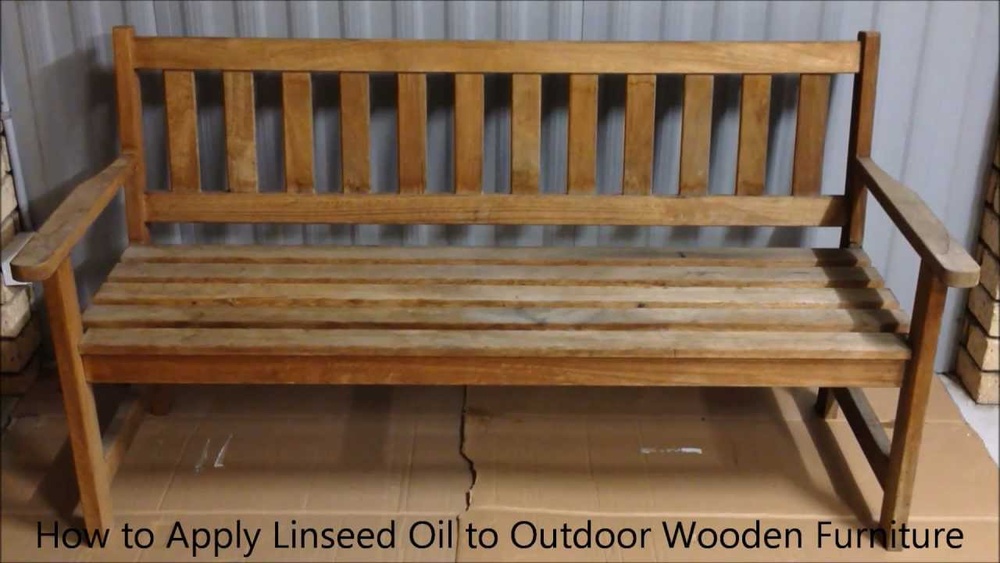
Your outdoor furniture adds charm and comfort to your living space. But to keep it looking fresh and protected, you need the right care.
Applying linseed oil is one of the best ways to nourish and shield your wood from weather damage. If you’ve never done it before, the process might seem tricky. Don’t worry—this guide will walk you through every simple step. By the end, you’ll know exactly how to apply linseed oil to your outdoor furniture, making it last longer and look stunning.
Ready to give your furniture the care it deserves? Let’s dive in.
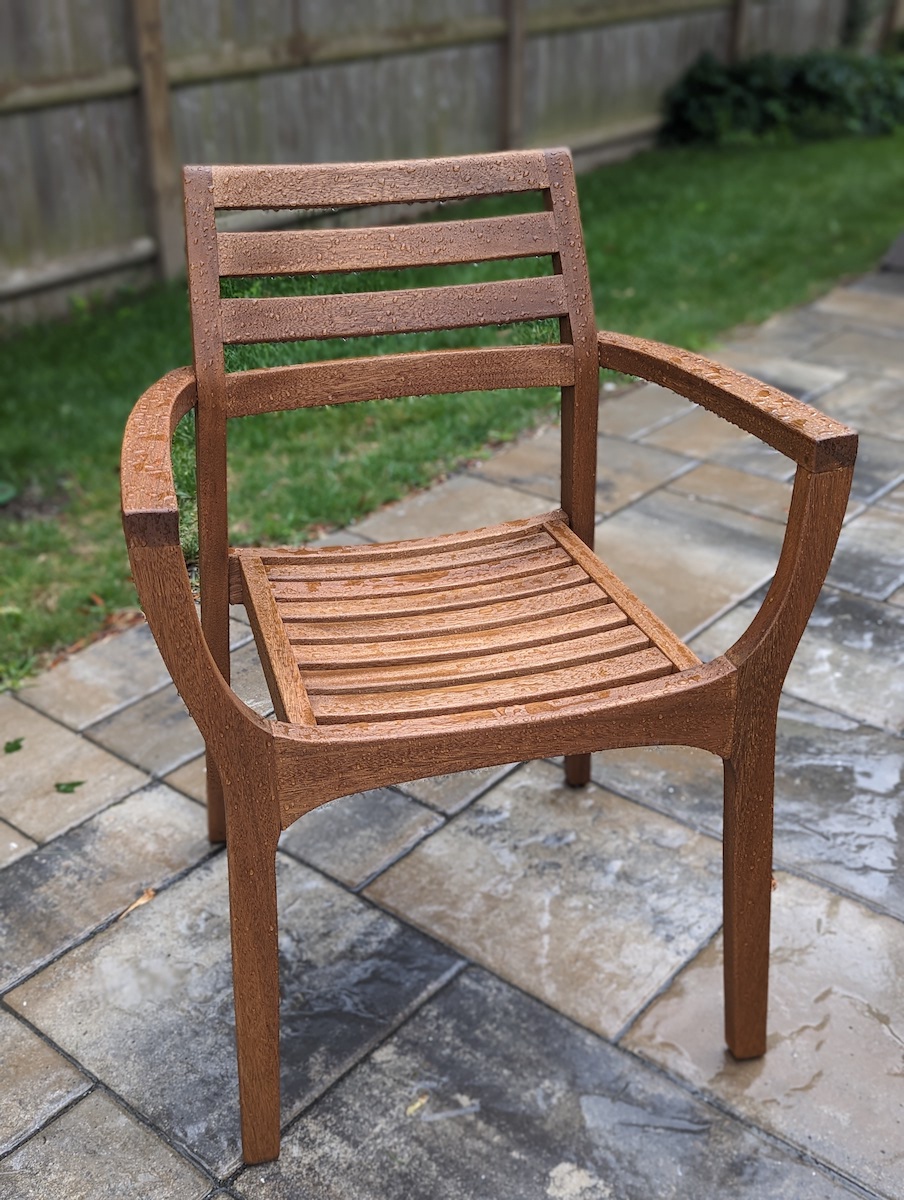
Credit: www.findingsilverpennies.com
Preparing Outdoor Furniture
Preparing outdoor furniture is a key step before applying linseed oil. It makes sure the wood takes the oil well. Clean, smooth, and bare wood helps the oil soak in deeply. This protects the furniture and brings out its natural beauty.
Cleaning The Surface
Start by removing dirt, dust, and grime from the wood. Use a soft brush or cloth with mild soap and water. Rinse well and let the furniture dry completely. Clean wood allows the oil to penetrate better and last longer.
Sanding For Smoothness
Sanding smooths rough spots and old splinters. Use fine-grit sandpaper and sand in the wood grain direction. This opens the wood pores for better oil absorption. Wipe off sanding dust with a clean, dry cloth before oiling.
Removing Old Finish
Check for old paint, varnish, or sealant. These block linseed oil from soaking in. Use a paint stripper or sand the finish off carefully. Make sure the wood is bare and natural before applying the oil.

Credit: www.findingsilverpennies.com
Choosing The Right Linseed Oil
Choosing the right linseed oil is key for protecting outdoor furniture. The type of oil affects drying time and finish. It also impacts how well the wood resists weather.
Understanding the differences between linseed oils helps you pick the best one. Safety is another important factor. Proper handling keeps the process safe and easy.
Raw Vs Boiled Linseed Oil
Raw linseed oil is pure and natural. It takes longer to dry, sometimes days or weeks. It soaks deep into the wood, giving good protection. But the slow drying time can be a drawback.
Boiled linseed oil dries faster. Manufacturers add drying agents to speed up the process. It forms a harder surface, which resists water and dirt better. This type is popular for outdoor furniture.
Choose raw oil for a natural look and deep protection. Pick boiled oil for quicker drying and a tougher finish.
Safety Considerations
Linseed oil can catch fire if not handled well. Rags soaked in oil may heat up and ignite. Always lay oily rags flat to dry outside.
Use gloves to protect your skin from irritation. Work in a well-ventilated area to avoid breathing fumes.
Store linseed oil in a cool, dry place. Keep it away from heat sources and open flames. These steps keep you safe during application.
Applying Linseed Oil
Applying linseed oil to outdoor furniture protects the wood and keeps it looking fresh. The oil soaks into the wood, preventing cracks and damage from weather. This process is simple but needs careful steps to get the best results. Follow these steps to apply linseed oil correctly and keep your furniture in great shape.
Gathering Necessary Tools
Start by collecting all tools needed. You will need linseed oil, a clean cloth or brush, sandpaper, and gloves. Use fine sandpaper to smooth rough surfaces. Gloves protect your skin from oil. Have a clean workspace with good ventilation.
Applying The First Coat
Dip the cloth or brush into the linseed oil. Apply a thin, even layer on the wood surface. Work along the wood grain for better absorption. Cover every part but avoid puddles. Let the oil soak in for several minutes. Wipe off any extra oil with a clean cloth.
Allowing Proper Drying Time
Let the furniture dry in a warm, dry place. Drying usually takes 24 to 48 hours. Avoid touching or using the furniture during this time. Proper drying helps the oil protect the wood fully. If needed, apply a second coat after drying for extra protection.
Maintaining Furniture After Application
Applying linseed oil to outdoor furniture is just the first step. Maintaining the finish keeps the wood looking good and lasting longer. Simple care routines help protect the wood from sun, rain, and dirt. Regular upkeep ensures the oil keeps its protective power.
Reapplying Oil Periodically
Linseed oil does not last forever on wood. It soaks in and wears off over time. Check your furniture every 6 to 12 months. If the wood looks dry or dull, it’s time to reapply oil. Clean the surface first, then apply a thin, even coat. Let it dry fully before use.
Protecting From Weather
Outdoor furniture faces harsh weather every day. Rain and sun damage the wood and oil finish. Use furniture covers during bad weather or winter months. Place furniture in shaded areas to reduce sun damage. Proper protection slows oil wear and keeps wood strong.
Cleaning Treated Furniture
Keep your furniture clean to maintain the oil finish. Use a soft brush or cloth to remove dirt and dust. Avoid harsh chemicals that can strip the oil. Mild soap and water work well for regular cleaning. Dry the furniture completely after washing to avoid water damage.
Troubleshooting Common Issues
Troubles may arise during or after applying linseed oil to outdoor furniture. These problems often affect the wood’s look and feel. Knowing how to fix them helps keep your furniture beautiful and protected.
Dealing With Sticky Surfaces
Sticky surfaces happen if too much oil is applied. The oil does not dry well and feels tacky. Wipe the surface with a clean, dry cloth to remove excess oil. Let the furniture dry in a warm, ventilated place. Avoid heavy use until the surface feels dry and smooth.
Handling Mildew Or Mold
Mildew or mold appears on damp or shaded furniture. Clean the affected area with a mixture of water and mild soap. Scrub gently using a soft brush. Rinse with clean water and dry the wood completely. Apply a fresh coat of linseed oil after the wood is dry to protect it.
Fixing Uneven Finish
Uneven finish occurs if the oil is not spread evenly. Sand the surface lightly with fine sandpaper to smooth the wood. Remove dust with a soft cloth. Apply linseed oil in thin, even layers using a brush or cloth. Allow each layer to dry fully before adding the next.
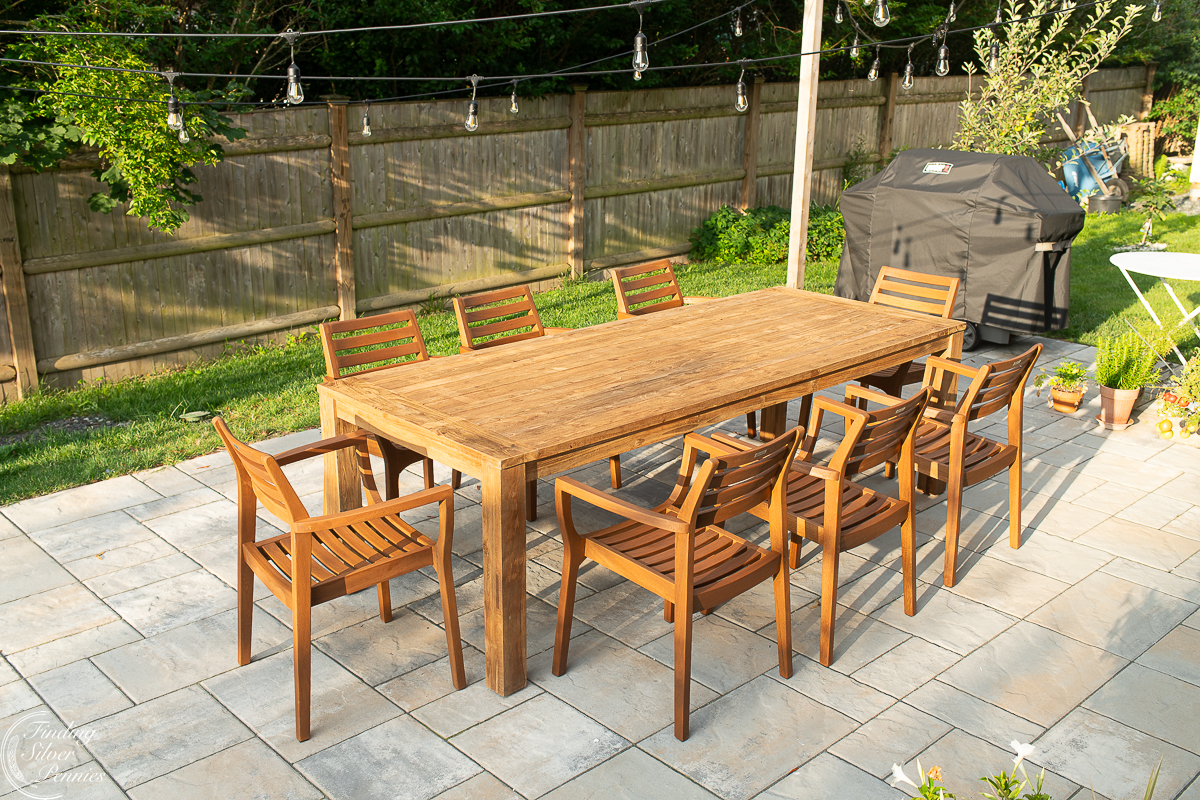
Credit: www.findingsilverpennies.com
Frequently Asked Questions
What Is The Best Time To Apply Linseed Oil Outdoors?
The best time to apply linseed oil is during dry, mild weather. Avoid rainy or extremely hot days for proper absorption. Early spring or fall is ideal for outdoor furniture treatment.
How Many Coats Of Linseed Oil Should I Apply?
Apply 2 to 3 thin coats of linseed oil for optimal protection. Allow each coat to dry completely before adding the next layer. Multiple coats enhance durability and water resistance.
Can I Use Raw Linseed Oil On Outdoor Furniture?
Raw linseed oil can be used but takes longer to dry. Boiled linseed oil is preferred as it dries faster and offers better protection. Always check the product label before use.
How Long Does Linseed Oil Take To Dry On Wood?
Linseed oil typically takes 24 to 48 hours to dry. Drying time depends on weather conditions and wood type. Ensure full drying before using or applying additional coats.
Conclusion
Applying linseed oil to outdoor furniture keeps it strong and beautiful. Clean the wood well before starting. Use a soft cloth to spread the oil evenly. Let the oil soak in and dry completely. Repeat the process for better protection.
This simple care helps your furniture last longer. Enjoy your outdoor space with wood that looks fresh and natural. Regular oiling saves you money on repairs. Easy steps, great results.