Are you looking for a unique way to organize your books and add a stylish touch to your space? Building a bookshelf with pipes is a smart and creative solution that you can easily do yourself.
This project combines industrial charm with practical design, giving your room a fresh, modern look. In this guide, you’ll discover simple steps to create a sturdy, eye-catching bookshelf that fits your style and needs. Ready to turn your storage ideas into reality?
Let’s dive in and make your perfect bookshelf together.
Materials And Tools Needed
Building a bookshelf with pipes is a fun and creative project. Knowing the right materials and tools helps you start with confidence. This section lists what you need for a sturdy and stylish shelf. Each item plays a key role in the final product.
Types Of Pipes
Black steel pipes are popular for a strong, industrial look. They are durable and hold heavy books well. Galvanized pipes resist rust and are good for humid areas. Copper pipes add a unique, warm color but cost more. Choose pipe size based on shelf width and load weight.
Wood Selection
Choose wood that fits your style and budget. Pine is soft, easy to work with, and budget-friendly. Oak offers strength and a rich grain but costs more. Plywood is a smooth surface, good for painting. Cut wood to shelf length and sand edges for safety.
Essential Tools
You need a drill for making holes in wood and pipes. A pipe wrench helps tighten pipe fittings securely. A saw cuts wood to the right size. A level keeps shelves straight and balanced. Sandpaper smooths wood surfaces for a clean finish. A measuring tape ensures accurate cuts and placements.
Planning Your Bookshelf
Planning your bookshelf is an important first step. It helps you use space well and avoid mistakes. Careful planning saves time and money. It also makes sure your bookshelf looks good and works well for your needs.
Start by thinking about where the bookshelf will go. Then, decide how many shelves you need. Think about what you will put on the shelves. This helps create a design that fits your space and style.
Measuring Space
Measure the wall or corner where the bookshelf will stand. Write down the height, width, and depth. Check for any obstacles like sockets or switches. Leave some extra space around for easy access and cleaning.
Measure twice to be sure. Accurate measurements stop problems during building. Use a tape measure or ruler for best results.
Design Ideas
Think about the style you want. Industrial looks fit well with pipe bookshelves. Pipes add a strong, modern touch. Wood shelves can be rough or smooth. Try mixing metal and wood for a balanced look.
Decide on the number of shelves. More shelves hold more books but need strong pipes. Fewer shelves look clean and simple. Draw your idea on paper to see how it looks.
Calculating Dimensions
Calculate the size of each shelf. Divide the total width by the number of shelves. Make sure each shelf is wide enough for your books. Standard shelves are about 10 to 12 inches deep.
Check pipe lengths and fittings needed for your design. Pipes come in different sizes. Choose sizes that fit your space and support weight. Adding some extra length helps with adjustments during building.
Preparing The Pipes And Wood
Preparing the pipes and wood is the first step in building a sturdy bookshelf. Both materials need proper cutting, smoothing, and cleaning. This ensures they fit well together and look good.
Taking time to prepare each part helps the assembly go smoothly. It also makes your bookshelf last longer and look professional.
Cutting Pipes To Size
Measure the length of the pipes carefully before cutting. Use a pipe cutter or a hacksaw for clean cuts. Cut slowly to avoid rough edges or dents. Always wear safety gloves and goggles for protection. After cutting, check each pipe for the right length. Trim again if needed for a perfect fit.
Sanding And Finishing Wood
Start by sanding the wood with medium-grit sandpaper. Smooth all surfaces and edges to avoid splinters. Wipe the dust off with a clean cloth. Apply wood stain or paint for a nice finish. Let the finish dry completely before using the wood. This step enhances the wood’s look and protects it from damage.
Cleaning Pipe Surfaces
Remove dirt, grease, and rust from the pipes. Use a wire brush or sandpaper for rust spots. Wipe pipes with a damp cloth to clear dust. Dry them well to prevent moisture damage. Clean pipes ensure better grip and stronger connections. This step also improves the overall appearance of your bookshelf.
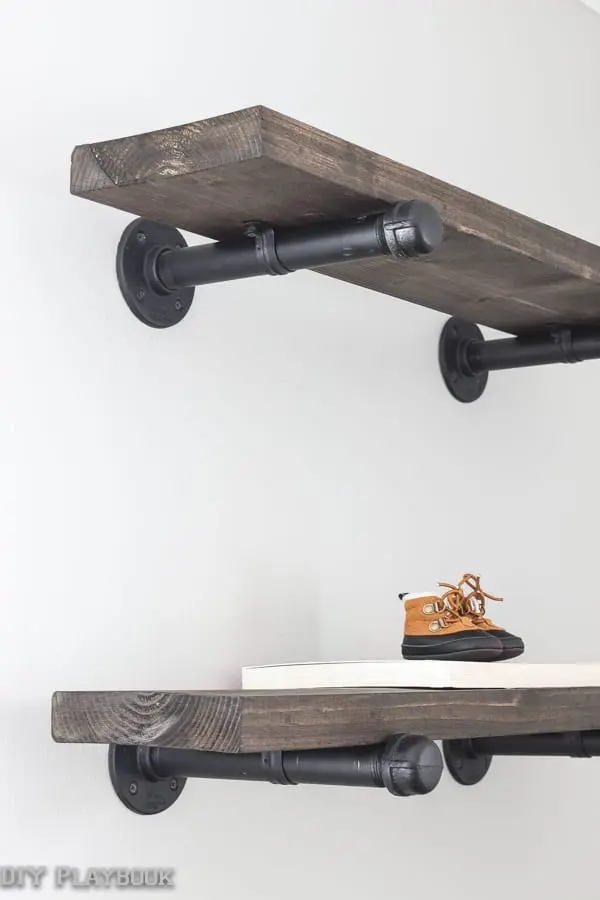
Credit: thediyplaybook.com
Assembling The Frame
Assembling the frame is the first step in building your pipe bookshelf. This step creates the strong base that holds your shelves. Take your time to connect each part carefully. A solid frame means a sturdy bookshelf.
Connecting Pipes And Fittings
Start by arranging the pipes and fittings on a flat surface. Match each pipe to the right fitting based on your design. Screw the pipes tightly into the fittings. Use a wrench to make sure connections are firm. Loose joints cause the frame to wobble.
Securing The Structure
After connecting all parts, check every joint again. Tighten fittings with a wrench for extra security. Use thread seal tape on the pipe ends to prevent slipping. Make sure the frame holds its shape without bending.
Ensuring Stability
Place the frame on a flat floor to test balance. Adjust any uneven legs by tightening or loosening fittings. Add rubber pads under the legs to stop sliding. Stability keeps your bookshelf safe and strong.
Attaching Shelves
Attaching shelves to pipe frames is a key step in building a sturdy bookshelf. Proper attachment ensures your shelves hold weight safely and stay level. Follow clear steps to position and secure wooden boards on pipe supports. This will create a reliable and attractive bookshelf structure.
Positioning Wooden Boards
Start by placing the wooden boards on the pipe frame. Align each board so it sits evenly on the pipes. Check the distance between boards to keep shelves balanced. Use a level tool to confirm boards are flat and straight. Adjust the boards until they fit perfectly on the pipes. This step prevents uneven shelves and ensures strong support.
Fixing Shelves To Pipes
Secure the wooden boards to the pipes using screws or pipe clamps. Drill pilot holes through the boards where they meet the pipes. This helps avoid wood splitting during screwing. Use screws long enough to hold the boards firmly but not too long. Tighten pipe clamps around both wood and pipes for extra grip. This keeps the shelves from shifting or wobbling over time.
Adding Support Brackets
Support brackets add extra strength to your bookshelf. Attach metal brackets under each shelf at the pipe joints. Use screws to fix brackets securely to both wood and pipes. Brackets help carry heavy weight and improve shelf stability. They also prevent sagging in longer wooden boards. Adding support brackets ensures your bookshelf lasts longer and holds more items safely.
Finishing Touches
Finishing touches bring your pipe bookshelf to life. These small steps protect your work and enhance its look. Careful finishing makes your shelf last longer and look great in any room.
Painting Or Staining Wood
Choose paint or stain to match your room style. Paint gives bright, solid color. Stain shows natural wood grain and adds warmth. Apply with a brush or cloth. Let each coat dry well before adding another. Light sanding between coats helps smooth the surface.
Sealing Pipes
Seal metal pipes to prevent rust and wear. Use clear spray paint or metal sealer. This step keeps pipes shiny and protected. Apply in a well-ventilated area. Let the sealer dry completely before assembling. Sealed pipes last longer and look clean.
Adding Decorative Elements
Decorate your shelf with simple details. Add metal caps on pipe ends for a finished look. Use small hooks under shelves for hanging items. Place corner brackets for extra support and style. These touches make your shelf unique and sturdy.
Safety Tips And Maintenance
Building a bookshelf with pipes is a fun project. Safety and maintenance keep your shelf strong and lasting. Understanding how much weight it can hold, checking parts often, and cleaning correctly help your shelf stay safe and look good.
Weight Limits
Know the maximum weight your pipe shelf can hold. Pipes and wood have limits. Too much weight can cause pipes to bend or break. Always spread heavy items evenly across the shelves. Use lighter items on the top shelves to avoid tipping.
Regular Checks
Look over your bookshelf regularly. Check for loose screws or pipes. Tighten any parts that feel wobbly. Watch for rust or cracks in the pipes. Early fixes stop big problems later. A quick check every few months keeps the shelf safe.
Cleaning Recommendations
Clean your pipe bookshelf carefully. Use a soft cloth to wipe dust from pipes and wood. Avoid harsh chemicals that can damage metal or finish. A mild soap solution works well. Dry the shelf fully to stop rust and wood damage.

Credit: thecavenderdiary.com
Troubleshooting Common Issues
Building a bookshelf with pipes is fun but can come with some problems. Knowing how to fix common issues helps keep your shelf strong and good-looking. This section covers three main problems and easy ways to solve them.
Wobbly Shelves
Wobbly shelves feel unsafe and can break your books. Tighten all pipe connections using a wrench. Check if all pipes fit well and are straight. Add extra support brackets under shelves for more strength. Use level tools to make sure shelves sit flat and even.
Pipe Rust Prevention
Rust damages pipes and weakens the shelf. Clean pipes with a wire brush before assembly. Apply a coat of rust-resistant spray paint or sealant. Keep the bookshelf in a dry place to avoid moisture. Check pipes regularly and touch up paint if needed.
Wood Warping Solutions
Wood warps when exposed to water or humidity. Use sealed or treated wood for your shelves. Store bookshelves away from direct sunlight and damp areas. If wood warps, try clamping it flat until dry. Sand warped spots lightly to smooth the surface.
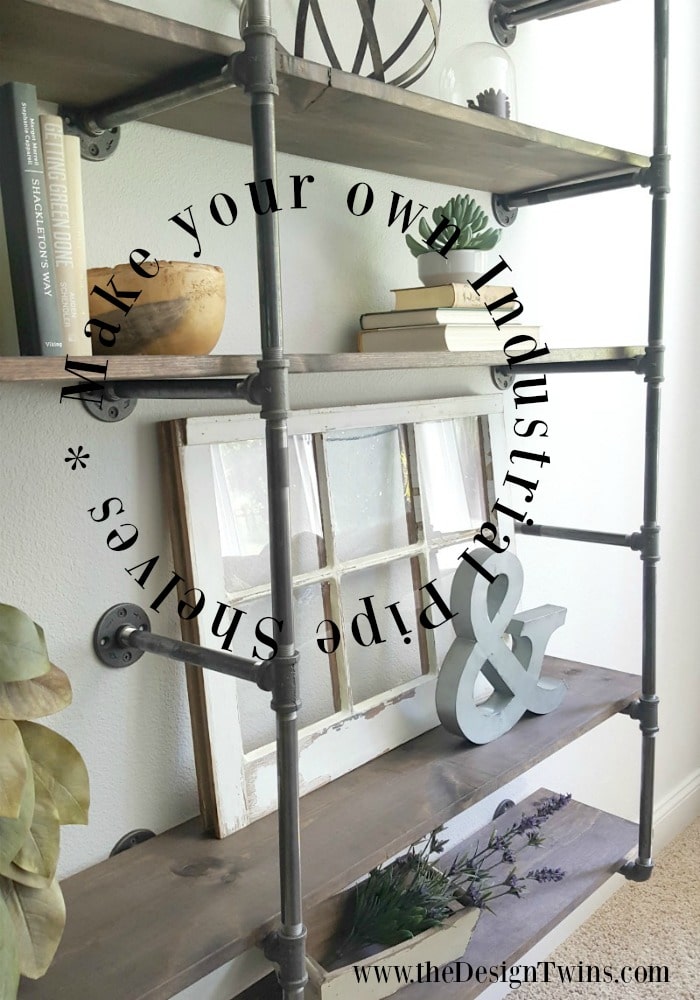
Credit: thedesigntwins.com
Frequently Asked Questions
What Materials Do I Need To Build A Pipe Bookshelf?
You need metal pipes, pipe fittings, wooden shelves, screws, a drill, and wall anchors. These materials ensure a sturdy, industrial-style bookshelf.
How Do I Measure For A Pipe Bookshelf?
Measure your space’s height, width, and depth. Plan shelf sizes accordingly for balance and proper fit in your room.
Can I Customize The Bookshelf Size With Pipes?
Yes, pipes and fittings come in various lengths. You can create a bookshelf tailored to your space and storage needs.
Is It Difficult To Assemble A Pipe Bookshelf?
Assembly is straightforward with basic tools. Follow step-by-step instructions to connect pipes and attach shelves securely.
Conclusion
Building a bookshelf with pipes is a simple and fun project. It adds a unique look to any room. You can choose the size and style that fit your space. Using pipes makes the shelf strong and long-lasting. Plus, it does not cost much.
Just follow the steps carefully, and you will have a great shelf. Try this project to enjoy your books in a new way. A handmade bookshelf brings pride and joy to your home. Give it a try today!