Are you dreaming of making the most out of your camper space? Building a bunk bed inside your camper can be the perfect solution to create extra sleeping room without sacrificing comfort.
Imagine having a cozy, space-saving bed that fits just right and keeps your camper organized. In this guide, you’ll discover simple steps to build a sturdy bunk bed tailored to your camper’s size and style. Whether you’re a DIY newbie or have some experience, you’ll find clear tips and tricks to make this project easier than you think.
Keep reading, and soon you’ll have a practical, comfortable bunk bed ready for your next adventure!
Planning Your Bunk Bed
Planning your bunk bed is the first step to a safe and comfy camper setup. It helps make sure the bed fits well and works for your space. Careful planning saves time and materials during the build. Think about space, size, and materials before starting the project.
Measuring Camper Space
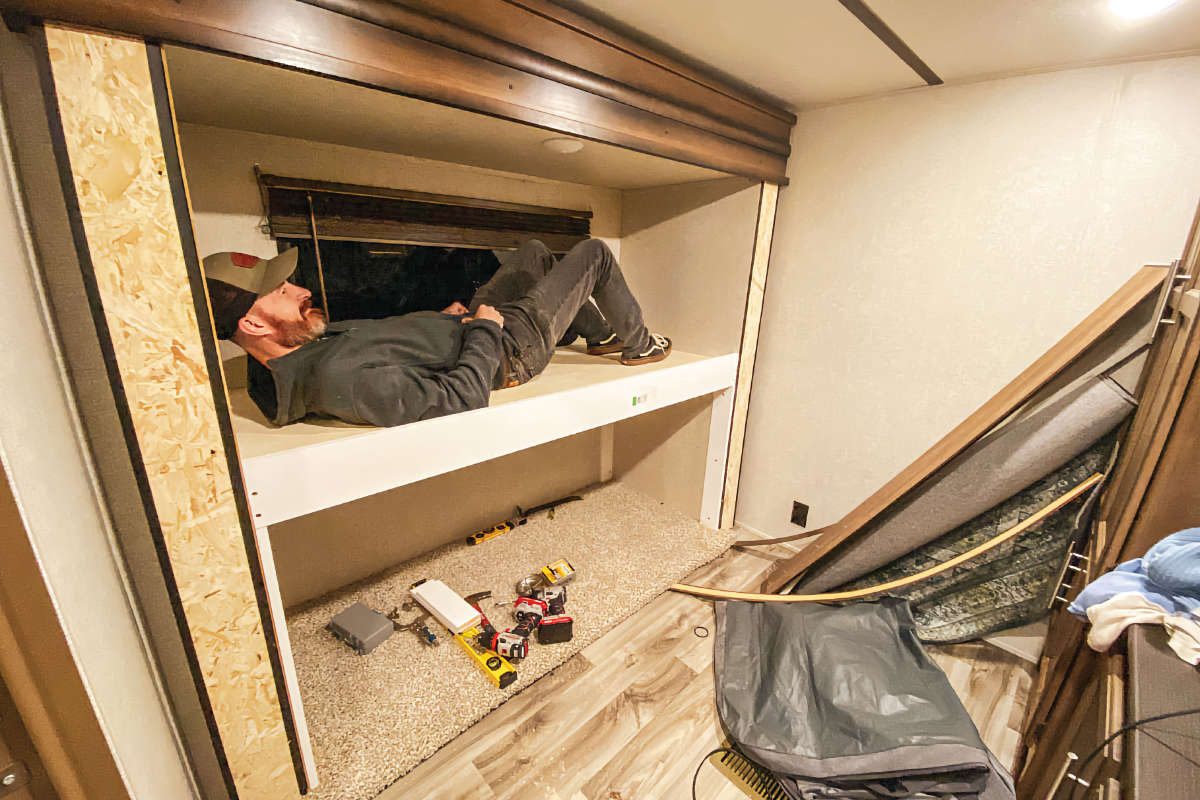
Measure the area where the bunk bed will go. Check the height, width, and length carefully. Note any windows, doors, or vents that could block the bed. Write down all measurements. This helps avoid mistakes later. Small campers need precise measurements to use space well.
Choosing Bed Dimensions
Decide on the size of each bunk bed. Standard sizes might not fit well in a camper. Choose narrower or shorter beds to save space. Think about who will sleep there. Kids need less space than adults. Keep enough space for moving and storage around the bed.
Selecting Materials
Pick materials that are strong but light. Wood is common for camper bunk beds. Choose plywood or pine for easy cutting and strength. Avoid heavy materials that add weight to the camper. Use screws and brackets for sturdy joints. Consider finishes that resist moisture and wear.
Credit: www.rv.com
Gathering Tools And Supplies
Building a bunk bed in a camper needs careful planning. Gathering the right tools and supplies is the first step. This step makes the building process smoother and safer. The right tools help you work faster and with less effort. Quality materials make the bunk bed strong and long-lasting.
Essential Tools List
Start with a tape measure to get exact dimensions. A power drill speeds up screwing and drilling. Use a saw to cut wood pieces to size. Screwdrivers help tighten or loosen screws. Sandpaper smooths rough edges on wood. A level ensures your bunk bed is straight and safe. Clamps hold parts together while you work. A pencil helps mark measurements clearly.
Recommended Materials
Choose strong wood like pine or plywood for the frame. Use screws that fit the wood thickness. Pick a sturdy mattress that fits the bunk size. Consider wood glue for extra strength. Sand the wood to avoid splinters. Paint or seal the wood to protect it from moisture. Use brackets or corner braces for added support. Pick light materials to avoid adding too much weight.
Safety Gear
Wear safety glasses to protect your eyes from dust and debris. Use gloves to avoid splinters and cuts. Hearing protection helps during loud drilling or sawing. A dust mask stops you from breathing in sawdust. Wear closed-toe shoes to protect your feet. Keep a first aid kit nearby for small injuries. Work in a well-lit area to see clearly. Take breaks to avoid mistakes and fatigue.
Building The Frame
Building the frame is the first step to create a sturdy bunk bed in your camper. The frame holds the whole structure together. It must be strong and safe. Start with good quality wood and precise measurements. Careful planning here makes the rest easier.
Cutting Wood Pieces
Measure the space inside your camper. Mark the wood pieces for cutting. You will need side rails, support slats, and legs. Use a saw to cut each piece to size. Smooth the edges with sandpaper. This avoids splinters and sharp corners. Cut extra pieces for support if needed.
Assembling Base Structure
Lay out the cut wood on a flat surface. Join the side rails with the head and foot boards. Use screws or bolts for a firm hold. Check that the frame is square using a carpenter’s square. Attach the support slats evenly across the base. They will carry the mattress weight. Keep the structure level for safety.
Reinforcing Joints
Strengthen each joint with metal brackets or corner braces. This prevents wobbling during travel. Use wood glue at each connection before screwing. Let the glue dry fully. Add extra screws if the frame feels loose. Test the frame for stability by applying pressure. A strong frame lasts longer and protects sleepers.
Credit: www.rv.com
Installing Support Slats
Installing support slats is a key step in building a sturdy bunk bed in your camper. The slats hold the mattress and help spread weight evenly. Good support stops the mattress from sagging and keeps sleepers safe. Properly placed slats also improve comfort and bed durability.
Spacing For Mattress Support
Space the slats evenly across the bed frame. Keep the gaps between slats no wider than 3 inches. This tight spacing supports the mattress well and prevents it from sinking. Measure carefully and mark each spot before fixing the slats in place.
Securing Slats
Use screws or nails to fasten the slats firmly to the frame. Drive screws straight to avoid splitting the wood. Check each slat for a snug fit. Loose slats can shift and cause noise or instability. Double-check all connections before moving to the next step.
Adding Extra Bracing
Extra bracing adds strength to the support system. Add a center rail or cross braces under the slats. This helps carry heavier loads and prevents bending. Use sturdy wood pieces and fix them tightly. Strong bracing increases safety and extends the bed’s life.
Adding Safety Features
Adding safety features to your camper bunk bed is very important. Safety keeps everyone secure while they sleep or climb. It stops falls and accidents in a small space. Focus on simple but strong safety parts. These make the bunk bed safe and cozy for all users.
Building Guardrails
Guardrails stop anyone from rolling off the bed. Use wood that is strong but smooth to touch. Make the rails tall enough to cover the mattress side. Attach them tightly to the bed frame. Check the guardrails for any sharp edges or loose parts. These rails give peace of mind during sleep.
Installing Ladder
The ladder helps users climb up and down safely. Choose a ladder with wide steps and good grip. Fix it firmly to the bed frame or wall. Test the ladder by climbing up and down several times. Make sure it does not wobble or slip. A sturdy ladder prevents falls and helps easy access.
Ensuring Stability
Stability keeps the bunk bed firm and steady. Use strong screws and bolts to join parts. Place the bed on a flat surface inside the camper. Add corner braces or support beams if needed. Check the bed frame often for any loosening. A stable bunk bed feels safe and lasts longer.

Credit: thetouringcamper.com
Finishing Touches
Finishing touches make your bunk bed look great and feel safe. These final steps protect the wood and add comfort. Take time to do them well. They improve the bed’s lifespan and usability.
Sanding And Smoothing
Start by sanding all wooden surfaces. Use medium-grit sandpaper to remove rough spots. Then switch to fine-grit for a smooth finish. Sand edges and corners carefully to avoid splinters. Wipe dust away with a damp cloth before moving on.
Applying Paint Or Stain
Choose paint or stain that suits your camper’s style. Paint adds color and hides imperfections. Stain shows natural wood grain and protects it. Apply a primer first if using paint. Use a brush or small roller for even coats. Let each layer dry fully before adding another.
Choosing Mattresses And Bedding
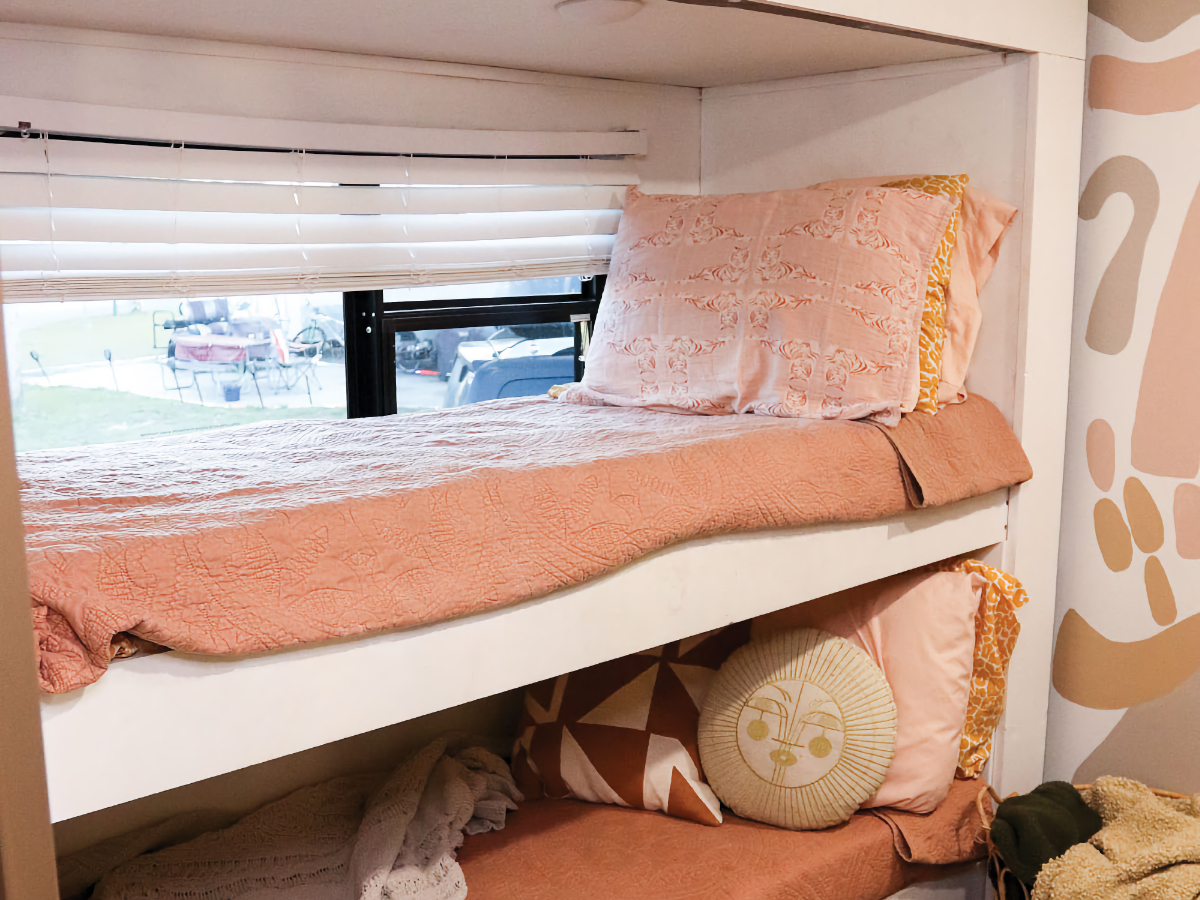
Select mattresses that fit the bunk bed dimensions exactly. Choose lightweight, firm mattresses for comfort and safety. Use bedding that is easy to wash and quick to dry. Pick colors and patterns that brighten the camper’s interior. Keep bedding simple to save space.
Tips For Maintenance
Maintaining your camper bunk bed keeps it safe and durable. Regular care helps avoid damage and costly repairs. Simple habits extend your bed’s life and keep it sturdy for all trips.
Regular Inspections
Check the bunk bed often for cracks or loose parts. Look closely at the wood and joints. Early spotting of issues prevents bigger problems later. Make it a habit before each trip or monthly.
Tightening Hardware
Use a screwdriver or wrench to tighten screws and bolts. Moving campers can loosen hardware over time. Secure all parts firmly to keep the bed stable. Repeat this step every few weeks for safety.
Cleaning And Upkeep
Wipe the bunk bed with a damp cloth regularly. Remove dust, dirt, and spills quickly to avoid damage. Avoid harsh chemicals that can ruin the finish. Keep the bed dry to prevent mold and wood warping.
Frequently Asked Questions
What Materials Are Best For Camper Bunk Beds?
Use lightweight, durable materials like plywood and aluminum. These ensure strength without adding much weight. Choose moisture-resistant wood to prevent damage from camper humidity.
How Much Space Is Needed For Camper Bunk Beds?
Allocate at least 30 inches in height and 24 inches in width per bunk. Ensure enough clearance for comfortable movement and safety inside the camper.
How Do I Secure Bunk Beds In A Moving Camper?
Use sturdy brackets and bolts to anchor beds to walls. Add safety rails and non-slip pads to prevent movement during travel.
Can Bunk Beds Be Customized For Camper Layouts?
Yes, bunk beds can be tailored to fit unique camper dimensions. Custom designs optimize space and improve comfort based on your camper’s layout.
Conclusion
Building a bunk bed in your camper saves space and adds comfort. Start with a clear plan and measure carefully. Use strong, lightweight materials for safety and ease. Take your time with each step to ensure a solid structure. A well-built bunk bed makes camping more fun and cozy.
Enjoy your new sleeping space and the extra room it creates. Simple changes can make a big difference in small campers. Now, your camper feels more like home on the road.
